Exploring the Most Distinct Cremation Alternatives in 2026: A Guide to Eco-Friendly End-of-Life Options
A distinct cremation alternative refers to modern, eco-conscious disposition methods such as alkaline hydrolysis (water cremation) or natural organic reduction (human composting). These innovative processes offer a significantly lower...
A distinct cremation alternative refers to modern, eco-conscious disposition methods such as alkaline hydrolysis (water cremation) or natural organic reduction (human composting). These innovative processes offer a significantly lower carbon footprint than traditional flame-based cremation, providing families with a gentle, scientifically advanced, and environmentally responsible way to honor their loved ones while returning to the earth.
Contents
As we navigate the funeral industry landscape in 2026, the shift toward sustainable "death care" has moved from a niche interest to a primary consideration for estate planning and end-of-life arrangements. Traditional methods—burial involving embalming fluids and flame cremation requiring high-intensity fossil fuels—are increasingly viewed through the lens of environmental impact. A "distinct" alternative is defined not just by its novelty, but by its ability to reduce greenhouse gas emissions, preserve land, and offer a more "gentle" transition for the deceased.
The Evolution of Disposition: Why Distinct Alternatives Are Rising in 2026
The funeral industry has undergone a radical transformation over the last decade. In 2026, data suggests that over 70% of individuals now prefer cremation or alternative methods over traditional casket burial. This shift is driven by three primary factors: environmental ethics, cost-effectiveness, and the desire for a personalized legacy.
Traditional flame cremation, while more space-efficient than burial, requires temperatures between 1,400 and 1,800 degrees Fahrenheit, typically powered by natural gas. This process releases carbon dioxide and, in some cases, mercury from dental amalgams into the atmosphere. The "distinct" alternatives discussed here—alkaline hydrolysis and natural organic reduction—address these specific ecological pain points by utilizing biological and chemical processes rather than combustion.
Identifying Your Options: The Primary Distinct Alternatives
When searching for a distinct cremation alternative, two primary technologies dominate the 2026 market. Both are strictly regulated and require specialized facilities, yet they offer vastly different experiences for the grieving family.
- Alkaline Hydrolysis (Aquamation/Water Cremation): This process uses a combination of water, alkaline chemicals (potassium hydroxide), and heat to accelerate the natural decomposition of the body. It leaves behind only the bone mineral, which is processed into a fine white powder.
- Natural Organic Reduction (Human Composting): This method involves placing the body in a vessel with organic materials like wood chips, alfalfa, and straw. Over a period of several weeks, microbial activity transforms the body into nutrient-rich soil.
Technical Analysis of Alkaline Hydrolysis (Water Cremation)
Alkaline hydrolysis, often marketed under the name Aquamation, is perhaps the most direct "distinct" substitute for flame cremation. It produces a similar end product—ashes—but uses a completely different mechanism.
The Science of the Process
The body is placed in a stainless-steel pressurized vessel. A solution of 95% water and 5% alkali is introduced. The combination of gentle water flow, temperature (approximately 300°F), and alkalinity breaks down the chemical bonds in the body’s tissues. Within 4 to 16 hours, depending on the equipment used, the soft tissues are reduced to a sterile liquid, leaving only the bone fragments.
Technical Specification: Environmental Impact
In 2026, life-cycle assessments indicate that alkaline hydrolysis uses approximately 90% less energy than flame cremation. Furthermore, it eliminates the release of carbon dioxide and mercury vapors, making it the preferred choice for urban areas with strict air quality regulations.
The Resulting Remains
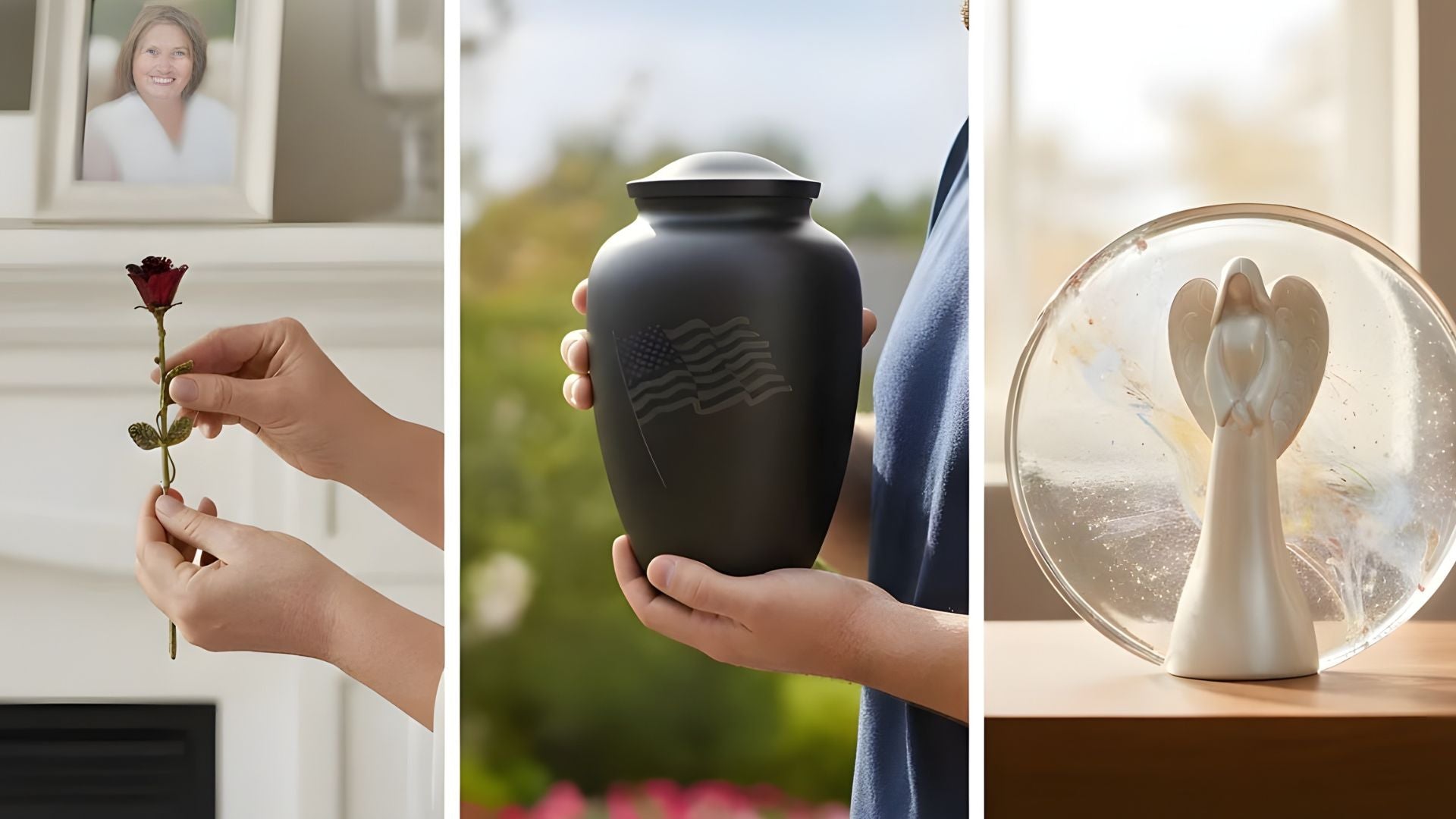
Families receive approximately 20% to 30% more "ashes" (processed bone minerals) compared to flame cremation. The remains are also whiter and finer, as they have not been subjected to the carbonization and oxidation of fire. This allows for more flexibility in memorialization, such as incorporating the remains into glass art or ceramic tributes.
Deep Dive into Natural Organic Reduction (Human Composting)
Natural Organic Reduction (NOR) is the most distinct departure from traditional practices. As of 2026, NOR has been legalized in over 15 U.S. states and several international jurisdictions, reflecting a growing demand for "soil-to-soil" transitions.
The Transformation Workflow
The NOR process is a carefully monitored biological event that typically follows these stages:
- Preparation: The body is laid in a cradle surrounded by a specific mixture of plant matter. This mixture is calibrated to provide the ideal carbon-to-nitrogen ratio for thermophilic microbes.
- Active Reduction: The vessel is sealed and monitored for oxygen levels, moisture, and temperature. Microbes naturally raise the internal temperature to over 131°F, which effectively destroys pathogens and pharmaceuticals.
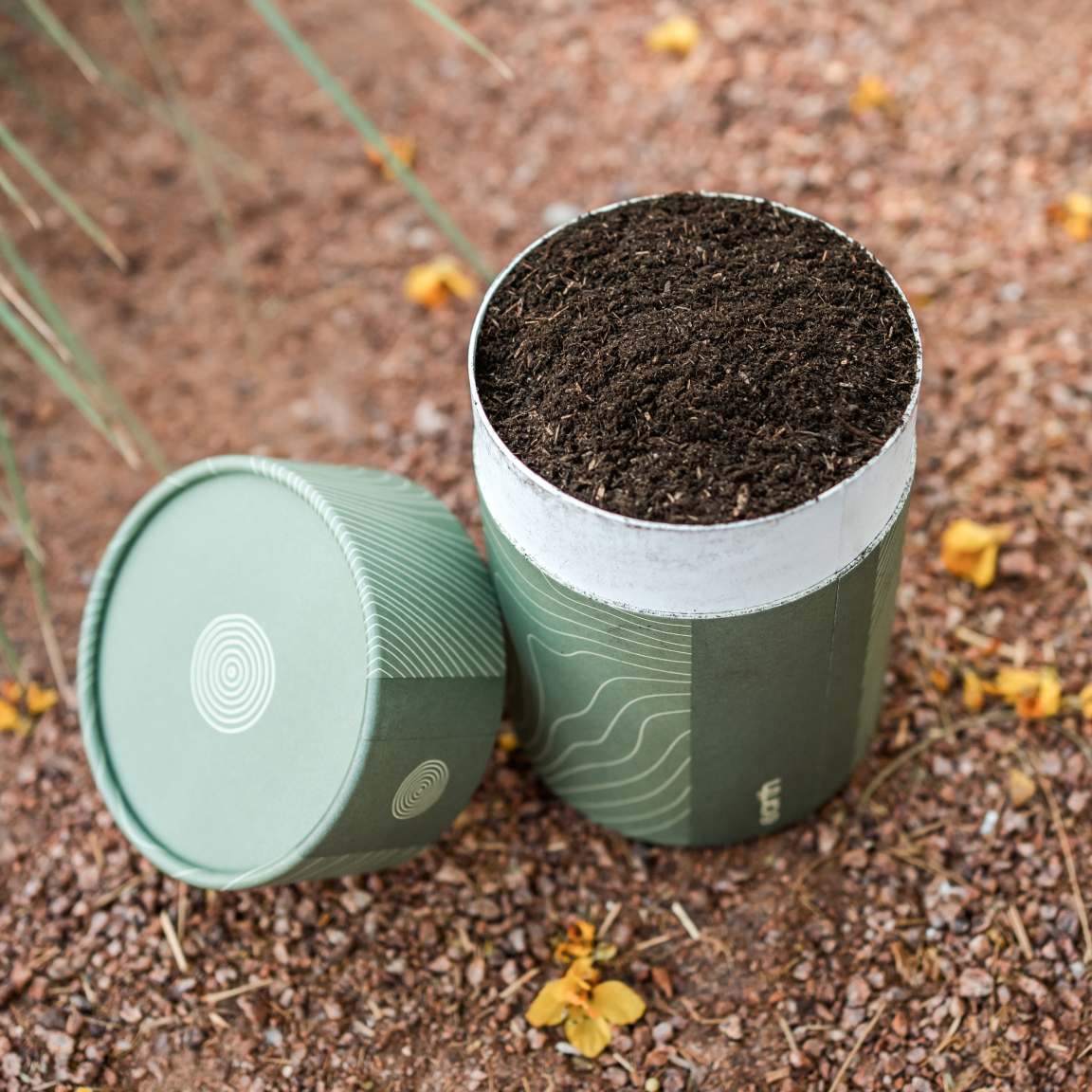
- Curing: After approximately 30 to 45 days, the body has been transformed into roughly one cubic yard of soil. The soil is then removed and allowed to "cure" for several weeks to ensure biological stability.
- Distribution: The family can choose to take the soil home for use in a private garden or donate it to conservation projects, such as reforestation efforts on protected lands.
Comparing Disposition Technologies in 2026
The following table provides a direct comparison of the three most common disposition methods available in the current 2026 market.
| Feature | Flame Cremation | Alkaline Hydrolysis (Water) | Natural Organic Reduction (Soil) |
|---|---|---|---|
| Primary Driver | Combustion (Fire) | Chemistry (Water/Alkali) | Biology (Microbes) |
| Energy Consumption | High (Natural Gas) | Low (Electricity/Heat) | Very Low (Natural Bio-heat) |
| CO2 Emissions | ~530 lbs per body | Minimal | Negligible / Sequesters Carbon |
| Processing Time | 2 - 4 Hours | 4 - 16 Hours | 30 - 60 Days |
| End Product | Grey/Coarse Ash | White/Fine Ash | 1 Cubic Yard of Soil |
| Average Cost (2026) | $1,500 - $4,000 | $2,500 - $5,500 | $4,000 - $7,000 |
Legal and Regulatory Landscape in 2026
The availability of these distinct alternatives depends heavily on state and local legislation. While flame cremation is legal universally, alkaline hydrolysis and NOR require specific amendments to health and safety codes.
States Leading the Way
By 2026, the legal framework has stabilized significantly. If you are located in Washington, Colorado, Oregon, California, or New York, you likely have access to multiple providers for both water cremation and human composting. In states where these are not yet legalized, families often choose to transport the deceased across state lines to a facility that offers these distinct services.
Insurance and Pre-Planning Considerations
Most 2026 funeral insurance policies and "Pre-Need" contracts now explicitly include clauses for alternative dispositions. However, it is crucial to verify that your provider is "contracted" with a facility that possesses the specific equipment needed for these processes.
Pro-Tip for Pre-Planning
If you are purchasing a funeral plan today, ensure the "Guaranteed Price" section includes the specialized hardware fees associated with Aquamation or NOR vessels. These costs can fluctuate as the technology scales, so locking in 2026 rates is a prudent financial move.
Choosing the Right Alternative: A Step-by-Step Guide
Deciding on a distinct cremation alternative involves more than just selecting a method; it requires coordinating with a funeral director who understands the logistical nuances of 2026 death care.
Step 1: Verify Local Availability
Search for providers specifically licensed for "Alkaline Hydrolysis" or "Natural Organic Reduction." Many traditional funeral homes act as intermediaries, meaning they will handle the transport of the body to a third-party specialized facility.
Step 2: Consider the Memorialization
Ask yourself how you wish to interact with the remains:
- For Scattering or Urn Placement: Alkaline hydrolysis is ideal as it provides traditional-style ashes.
- For Land Contribution: Natural Organic Reduction is the choice if you want the remains to foster new life in a forest or garden.
Step 3: Evaluate Technical Specifications
In 2026, some facilities offer "High-Speed" vs. "Low-Temperature" water cremation. The high-speed version uses more pressure to finish the process in 4 hours, whereas low-temperature options are often marketed as "ultra-green" but take up to 16 hours. Ensure your choice aligns with your timeline and values.
Step 4: Finalize Logistics and Transport
If the facility is not local, factor in the cost of refrigerated transport. In 2026, specialized courier services exist specifically for eco-friendly funeral homes to ensure the body is handled with dignity and without the use of toxic embalming fluids during transit.
Frequently Asked Questions
Is alkaline hydrolysis legal in all states in 2026?
No, while over 30 states have legalized alkaline hydrolysis by 2026, some jurisdictions still categorize it under "experimental" or have not yet updated their funeral board regulations. Always check your specific state’s 2026 statutes or consult with a licensed funeral director.
Does human composting (NOR) smell?
The process is entirely aerobic and managed within specialized vessels equipped with sophisticated carbon filtration systems. In 2026, NOR facilities are often located in urban centers and must adhere to strict odor-control standards set by environmental protection agencies.
What happens to medical implants like pacemakers or hip replacements?
In both flame cremation and alkaline hydrolysis, metal implants are recovered. In 2026, it is standard practice to recycle these metals through specialized medical recycling programs, with some facilities donating the proceeds to charity. Pacemakers must be removed before flame cremation to prevent explosion, but they can often remain in place for water cremation.
How much soil is produced by natural organic reduction?
A single human body typically produces about one cubic yard of soil, which is roughly the amount needed to fill the bed of a small pickup truck. Families in 2026 have the option to take all of it, a small portion (such as a single planter's worth), or donate the entirety to a designated conservation land trust.
Is the liquid from water cremation safe?
Yes. The sterile effluent produced at the end of the alkaline hydrolysis process consists of amino acids, sugars, and salts. In 2026, most municipal wastewater treatments recognize this as a safe, organic liquid that is returned to the ecosystem via standard water treatment protocols, where it actually aids in the breakdown of other waste.
Practical Recommendations for 2026 End-of-Life Planning
If you are seeking a distinct cremation alternative, the primary recommendation is to act early. Because these technologies require specialized equipment, facilities can sometimes reach capacity.
- Consult a Green Burial Council Certified Provider: These professionals are vetted for their commitment to eco-friendly practices and will have the most accurate information on 2026 technological availability.
- Document Your Choice: Ensure your "Disposition Authorization" form specifically names the method (e.g., "Natural Organic Reduction" rather than just "Cremation") to avoid legal ambiguity for your next of kin.
- Review Sustainability Metrics: Ask for a provider's 2026 carbon offset report. Leading-edge facilities now provide families with a certificate detailing the exact amount of CO2 saved by choosing a distinct alternative over traditional methods.
The transition to distinct cremation alternatives marks a significant milestone in how we view our relationship with the planet. Whether through the gentle chemistry of water or the biological cycle of soil, these options ensure that a legacy is defined by renewal and environmental stewardship.
Image Gallery