Understanding Elhattons Obituary and Memorial Services: A Guide to Local Tributes
Elhattons obituary notices and local funeral services provide essential community information for families navigating the loss of a loved one. Accessing accurate records, service schedules, and memorial arrangements requires understand...
Elhattons obituary notices and local funeral services provide essential community information for families navigating the loss of a loved one. Accessing accurate records, service schedules, and memorial arrangements requires understanding local publication channels, funeral home protocols, and genealogical archives in 2026.
Contents
Navigating Local Obituary Notices and Memorial Records
Obituaries serve a dual purpose within communities: they officially announce a passing and celebrate the life of an individual while providing practical details regarding memorial services, viewings, and interments. When searching for records associated with Elhattons, families and researchers typically look toward established regional funeral directors, local newspaper archives, and digital memorial registries.
Understanding how these notices are structured helps ensure that families can find service times, send floral tributes, or make charitable donations in honor of the deceased. Most contemporary obituary notices include a brief biographical overview, surviving family members, and scheduled dates for visitations or religious services.
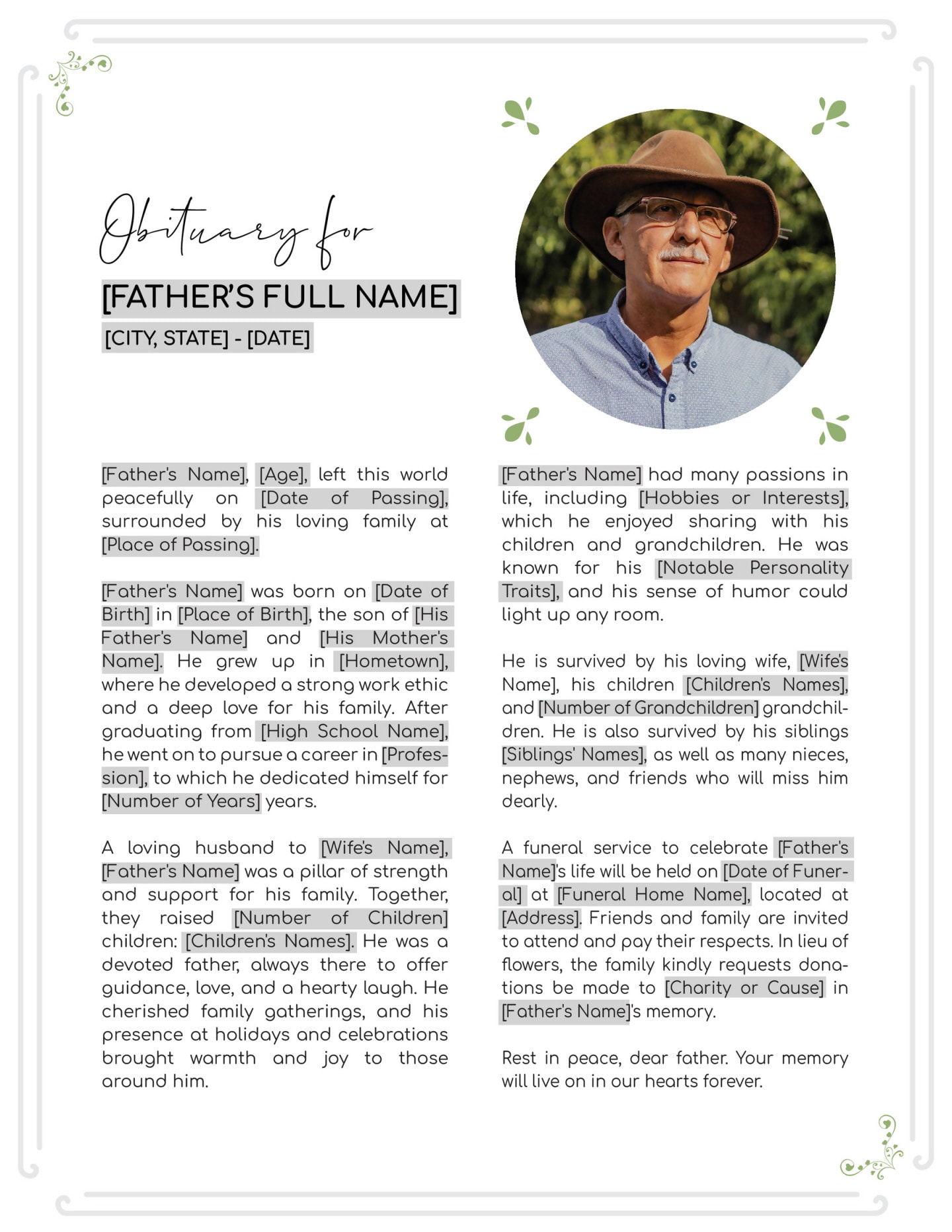
Key Components of Standard Obituary Notices
- Biographical Summary: Full name, age, city of residence, and date of passing.
- Family Lineage: Surviving relatives, including spouses, children, siblings, and grandchildren, as well as those who preceded them in death.
- Service Details: Date, time, and physical address of religious services, celebrations of life, or private family gatherings.
- Memorial Preferences: Specific instructions regarding flowers, memorial contributions, or designated nonprofit organizations.
Historical Context and Evolution of Elhatton Memorial Services
Memorial traditions have evolved significantly over the past century, shifting from strictly print-based announcements in local newspapers to comprehensive digital archives. Regional funeral homes and memorial providers have adapted to modern information demands by maintaining online databases where families can access past notices, share digital condolences, and view photo galleries.
When researching historical or recent records linked to Elhattons, it is important to recognize that funeral service providers maintain meticulous archives. These records assist not only grieving families but also historians and genealogists tracing family trees across generations.
Traditional vs. Modern Memorial Record Keeping
| Feature | Traditional Print Obituaries | Modern Digital Memorial Platforms |
|---|---|---|
| Accessibility | Limited to local newspaper circulation and specific publication dates. | Accessible globally via internet search engines and dedicated memorial websites. |
| Updates & Corrections | Costly and difficult to modify once printed. | Easily updated with revised service times or venue changes. |
| Interactive Features | Limited to written letters of condolence sent via mail. | Includes digital guestbooks, photo sharing, video streaming, and online donations. |
| Longevity | Subject to physical degradation of paper archives over time. | Preserved indefinitely in digital databases and cloud storage. |
Step-by-Step Guide to Publishing or Finding an Obituary
Whether you need to draft a formal announcement for a recently deceased family member or locate an existing record, following a structured workflow ensures accuracy and minimizes stress during a difficult time.
- Gather Essential Information: Collect full legal names, dates of birth and death, city of residence, and names of surviving and predeceased family members.
- Coordinate with the Funeral Director: Discuss publication options with the handling mortuary or funeral home, as they frequently coordinate directly with newspapers and digital registries.
- Determine Publication Channels: Decide whether the notice should appear in local print newspapers, regional digital news sites, the funeral home's official website, or dedicated obituary platforms.
- Draft the Notice: Write a clear, respectful summary of the individual's life, achievements, and service arrangements, ensuring all dates and times are double-checked for accuracy.
- Review and Submit: Proofread the final text for spelling and factual correctness before final submission and payment processing.
- Monitor and Share: Once published, share the digital link with extended family, friends, and community members who wish to pay their respects.
Considerations for Floral Tributes and Memorial Donations
When viewing an obituary notice, families often include specific requests regarding expressions of sympathy. Respecting these preferences is a crucial aspect of etiquette in bereavement customs.
- Floral Arrangements: If the family welcomes flowers, verify whether they prefer arrangements sent directly to the funeral home, place of worship, or the family residence. Some services request potted plants that can be replanted later.
- Charitable Contributions: When an obituary specifies memorial donations in lieu of flowers, note the exact name of the charity or foundation. Include the name of the deceased on the memo line of checks or within online donation forms so the organization can notify the family.
- Condolence Messages: Keep written messages concise, empathetic, and personal. Sharing a brief, fond memory of the deceased often brings greater comfort to grieving families than standard formal phrases.
Expert Insight on Archival Research: When searching for older or archived obituary notices that may not appear in top search engine results, utilize specialized genealogical repositories, local public library microfilms, or direct inquiries with regional historical societies. Many funeral homes retain physical ledgers dating back decades that contain detailed interment records not published online.
Frequently Asked Questions Regarding Obituaries and Memorial Services
How can I find an older or archived obituary notice?
You can locate older notices by contacting the local library's historical archive, searching regional newspaper databases on microfilm, or reaching out directly to the funeral home that handled the arrangements. Many regional institutions have digitized their historical death notices for public research.
What information is typically required to publish an obituary?
Publishing an obituary requires the full legal name of the deceased, date of passing, names of immediate family members, and details regarding any scheduled memorial services or viewings. Proof of passing from a hospital, hospice, or attending physician may also be requested by the publisher.
Can an obituary be edited after it has been published online?
Digital obituaries hosted on funeral home websites or modern memorial platforms can typically be edited to correct typos or update service details. Print newspaper notices, however, generally cannot be altered once the edition has gone to press.
How do I know if flowers are appropriate for a specific service?
Review the final section of the obituary notice for explicit instructions. If the family requests donations in lieu of flowers, it is customary to honor their wish by contributing to the designated charity rather than sending floral arrangements.
Are digital condolence messages monitored for appropriateness?
Yes, reputable funeral homes and memorial platforms moderate digital guestbooks and comment sections to prevent spam, inappropriate remarks, or offensive content, ensuring a respectful environment for the grieving family.
Image Gallery