Understanding the Life and Career of Bruce Weber: Age and Professional Legacy
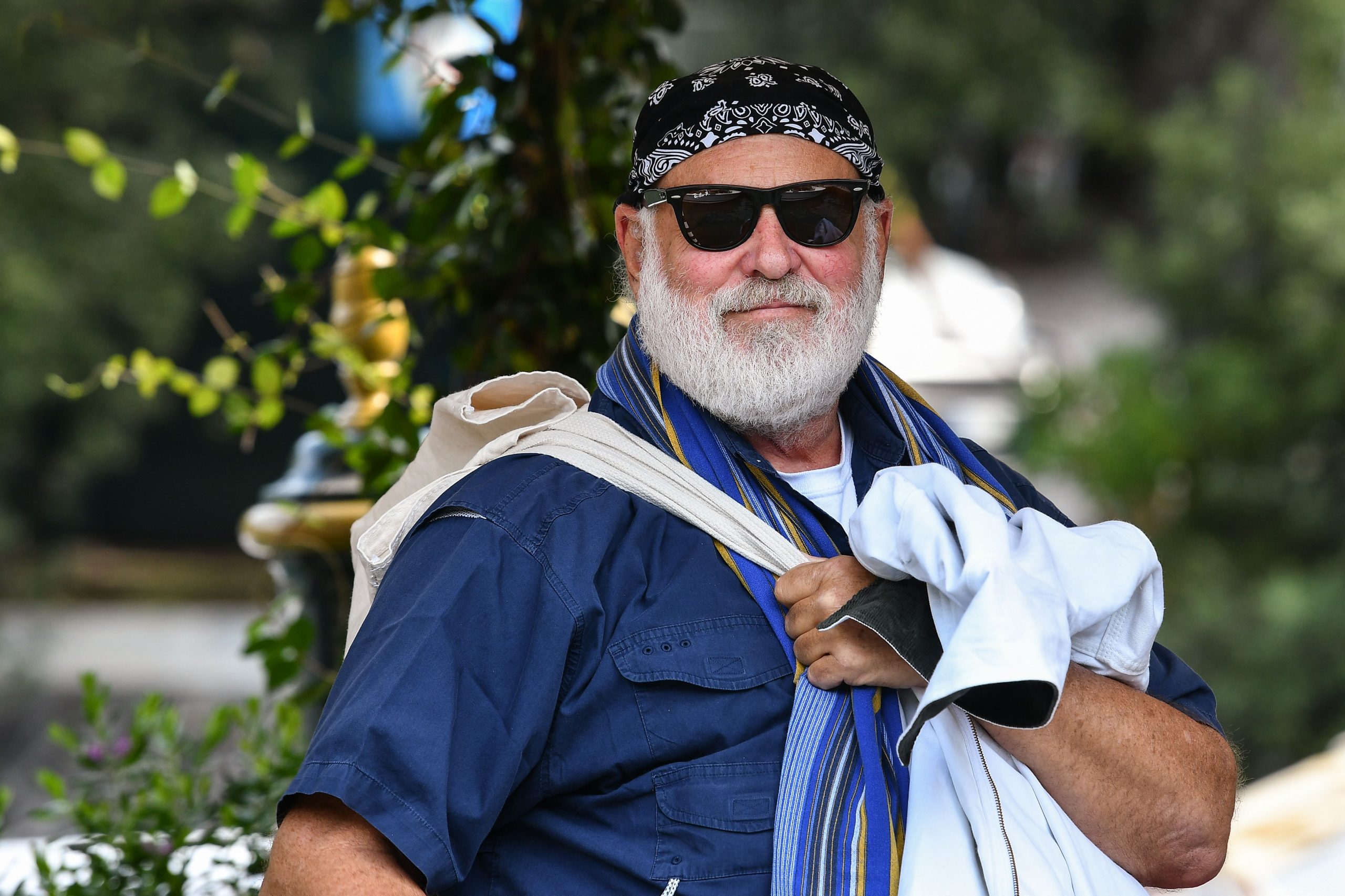
Bruce Weber, the iconic American fashion photographer and filmmaker, was born on March 29, 1946. As of 2026, he is 80 years old. Renowned for his distinctively lush, black-and-white aesthetic and his ability to redefine masculine arche...
Bruce Weber, the iconic American fashion photographer and filmmaker, was born on March 29, 1946. As of 2026, he is 80 years old. Renowned for his distinctively lush, black-and-white aesthetic and his ability to redefine masculine archetypes in fashion media, Weber remains a significant figure in the history of visual arts and commercial photography.
Contents
The Life and Early Development of Bruce Weber
Born in Greensburg, Pennsylvania, Bruce Weber did not immediately set out to become a titan of the fashion industry. His early interests were rooted in the arts, but his journey into photography began during his formative years as he developed a keen eye for lighting and human composition. Throughout the 1970s, he emerged as a photographer capable of stripping away the artificiality often associated with fashion editorials.
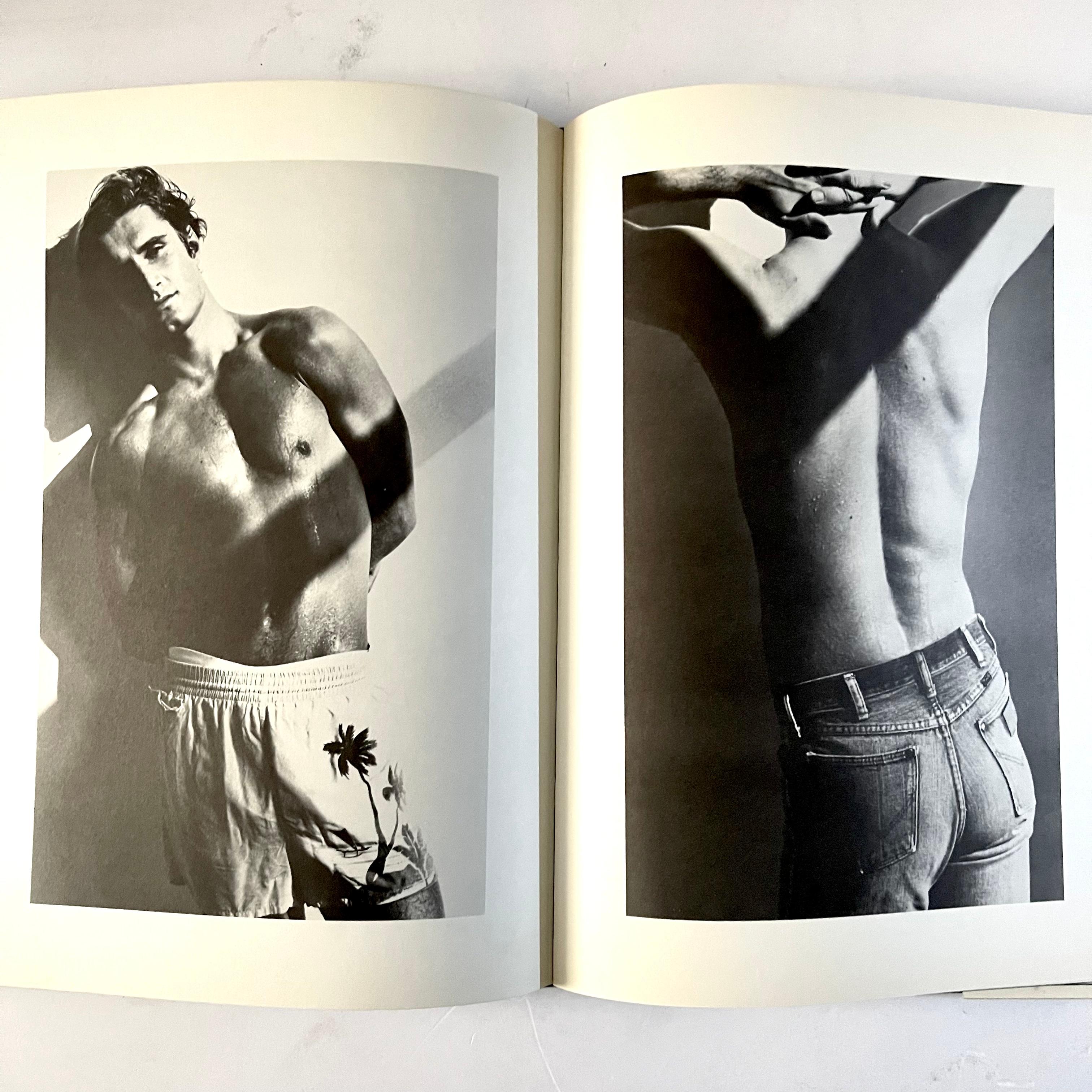
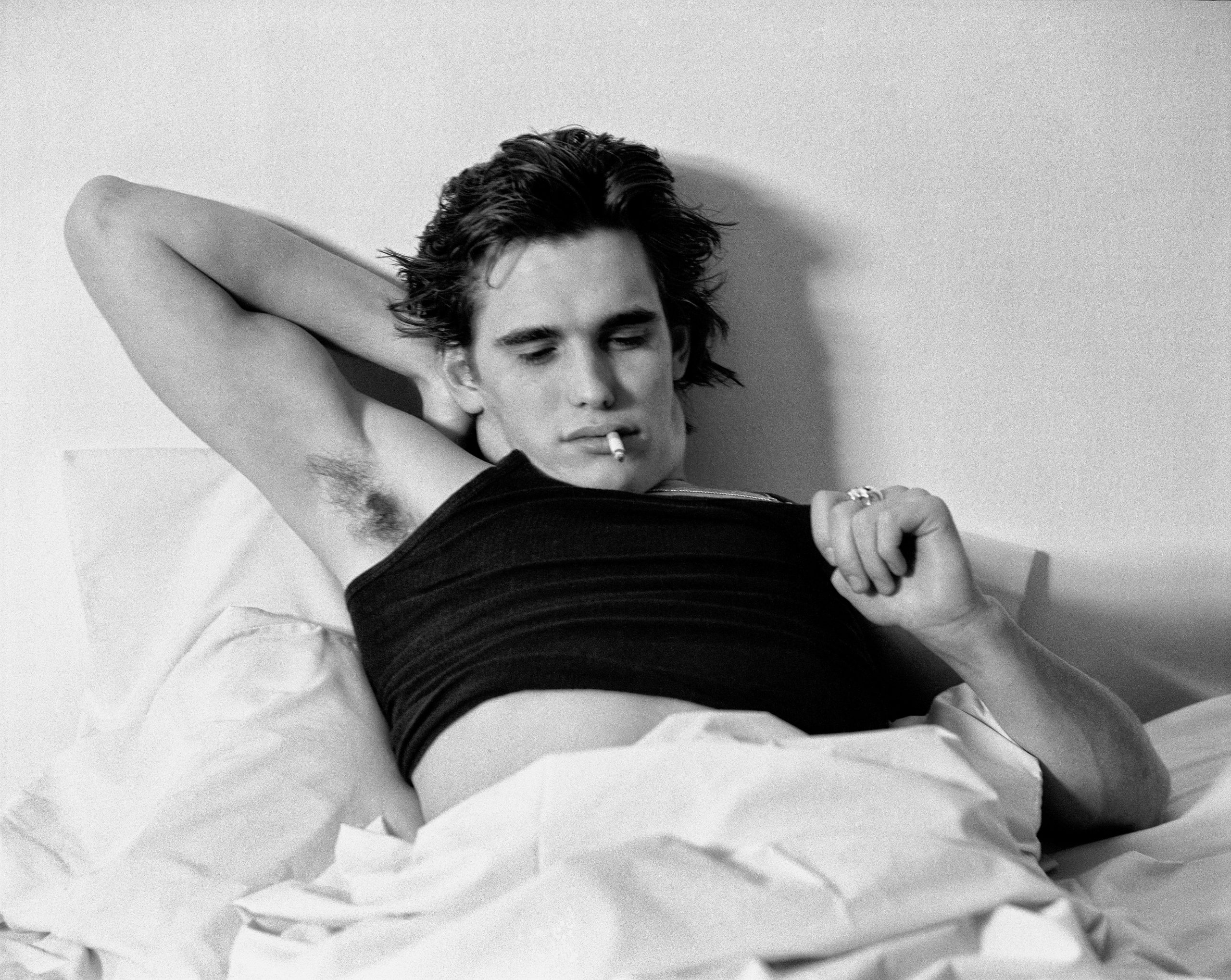
By focusing on intimacy, athleticism, and a candid sensibility, Weber shifted the cultural conversation surrounding male models. His work often felt less like a commercial advertisement and more like a cinematic documentary of the human form. This approach resonated deeply with the burgeoning editorial standards of the late 20th century, cementing his place alongside contemporary legends in the photography world.
Defining the Iconic Aesthetic
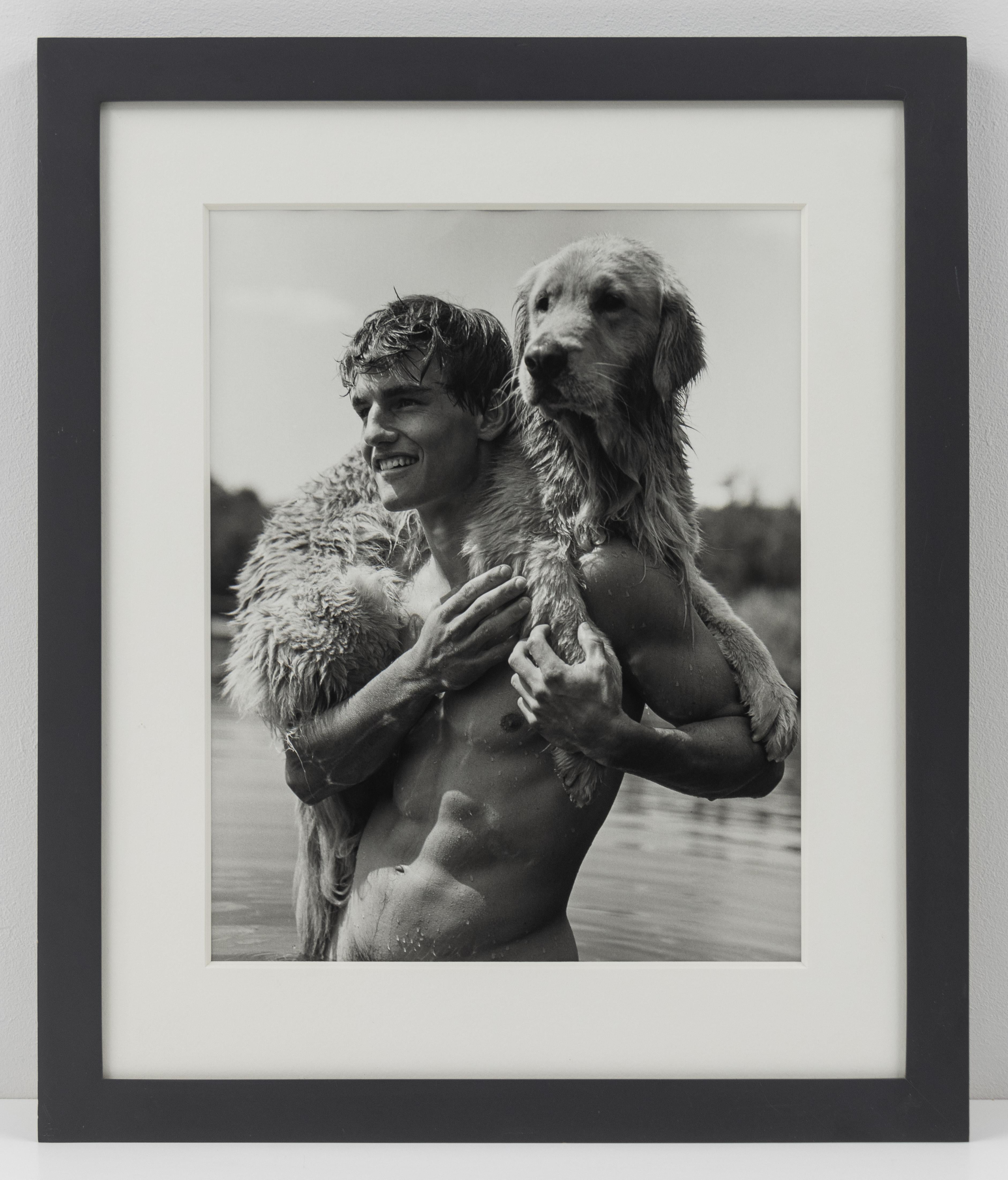
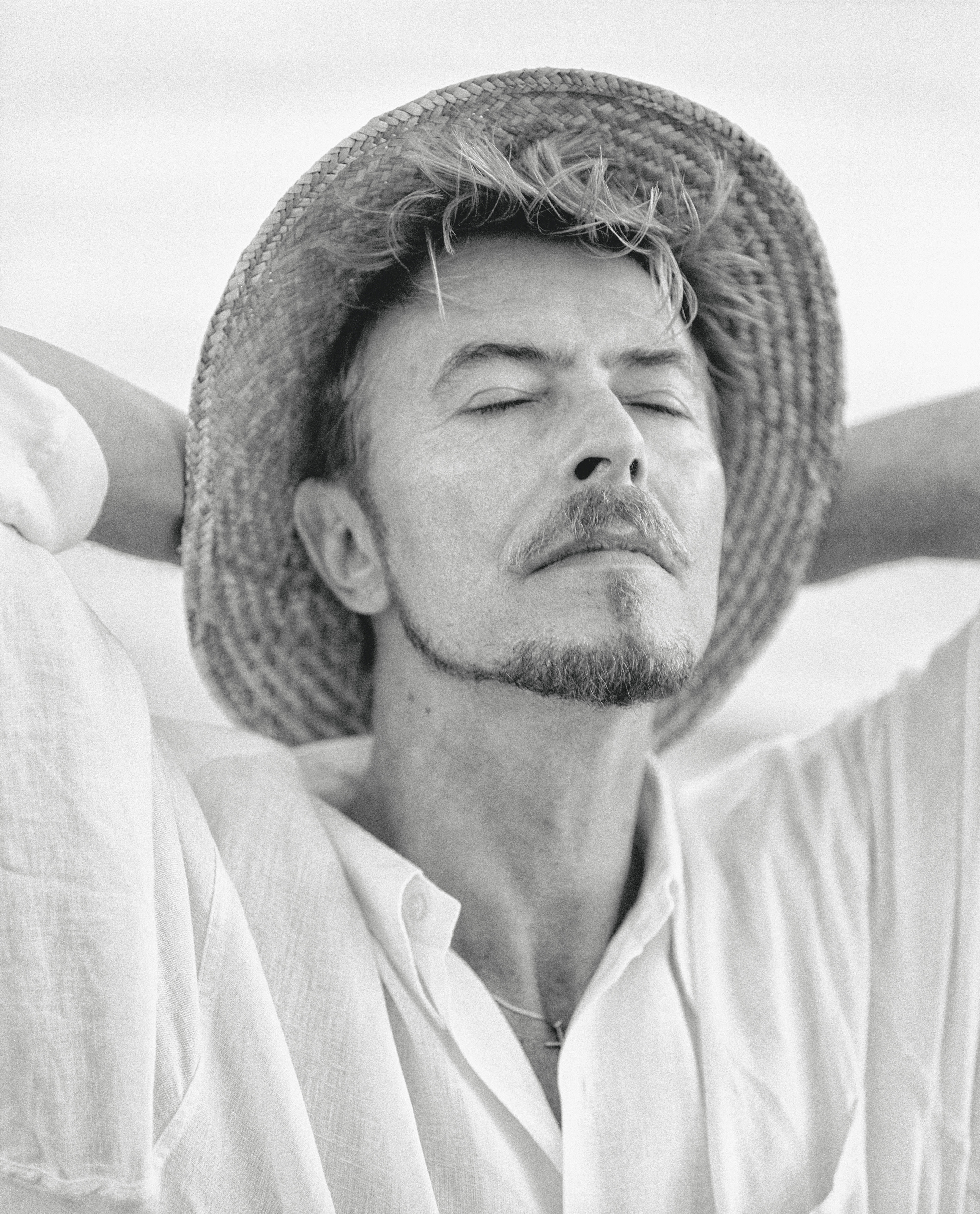
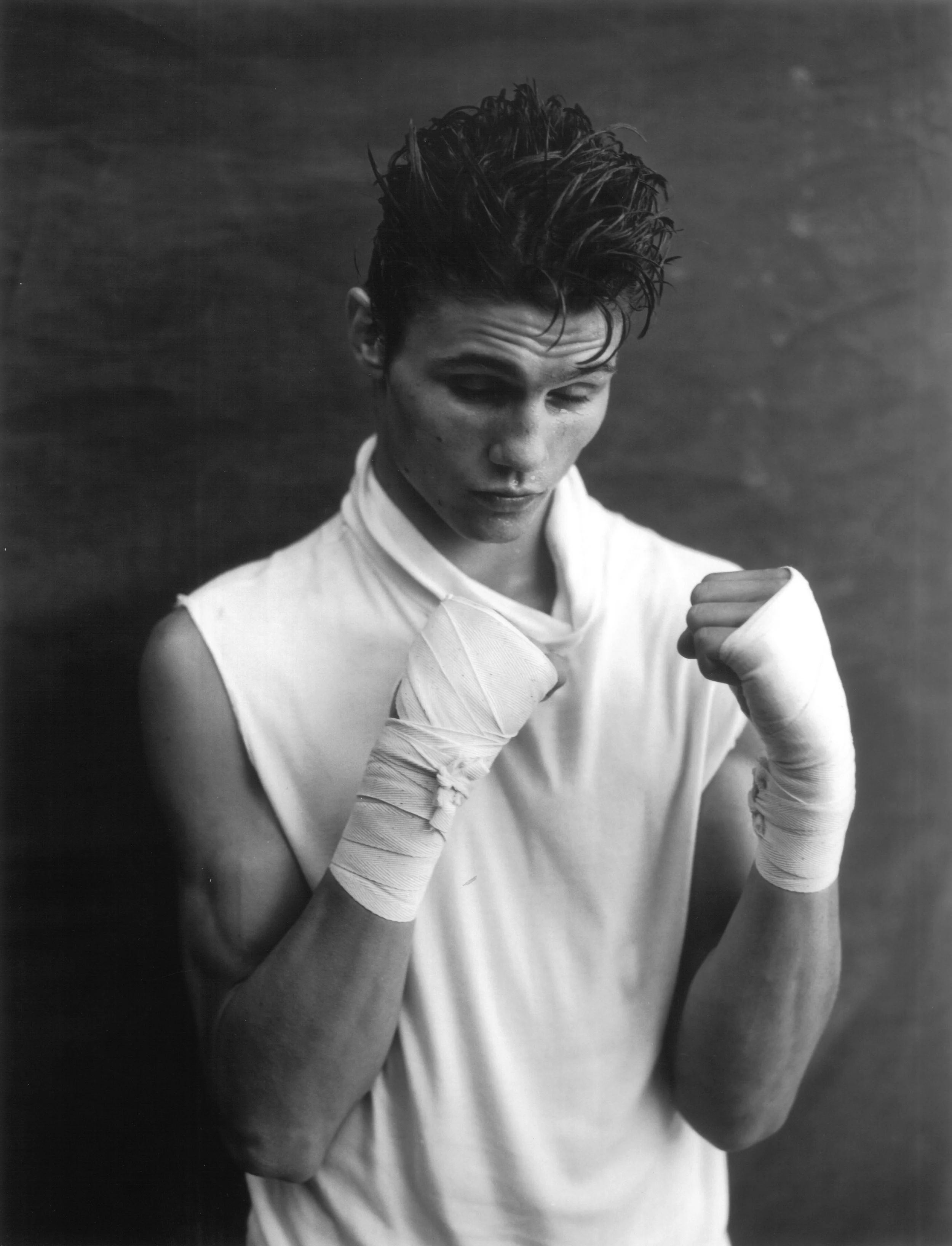
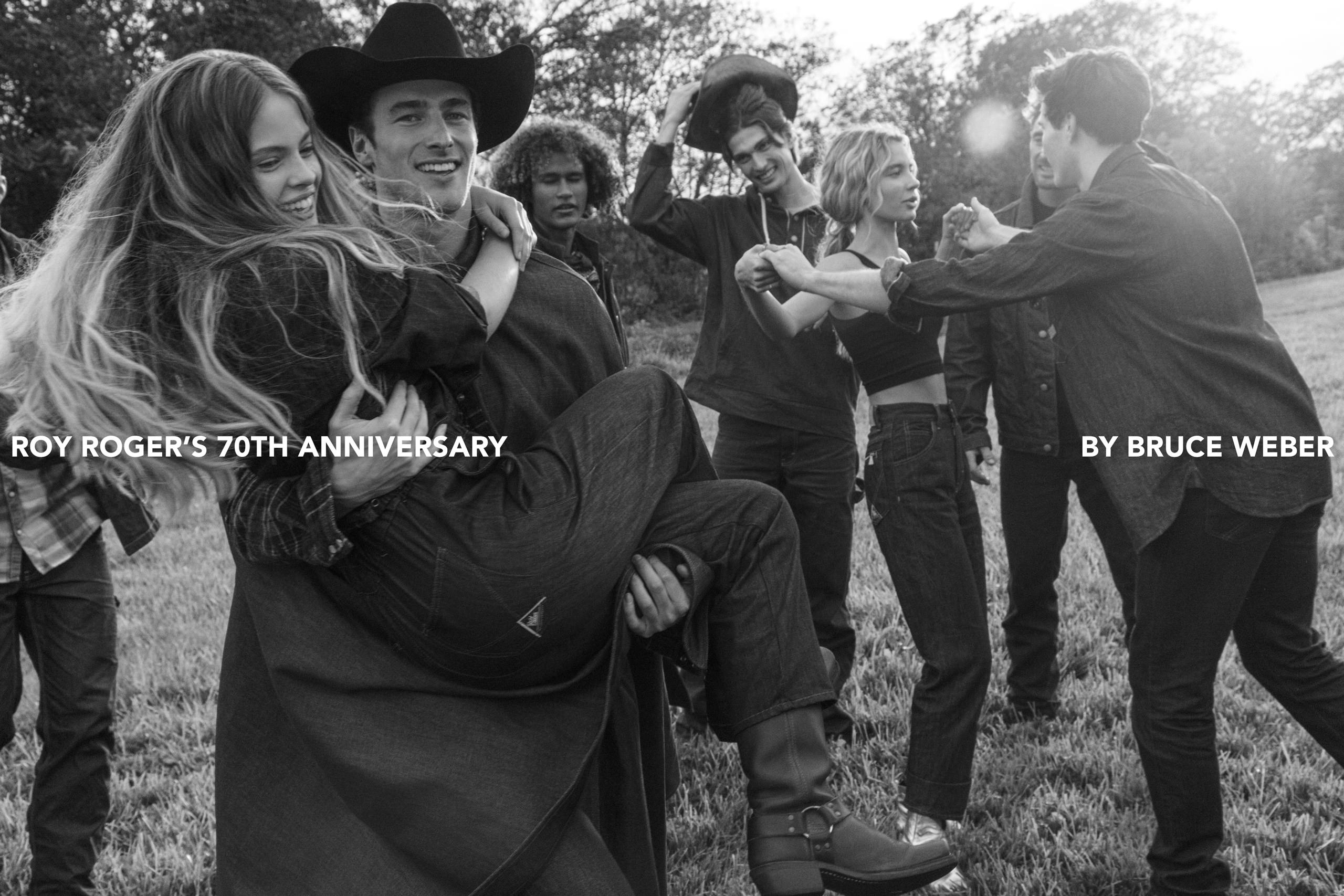
Weber’s influence on visual culture is inextricably linked to his technical mastery. He is best known for his work in major publications such as Vogue, GQ, Interview, and Vanity Fair. His photographic style—characterized by high-contrast monochrome tones, a focus on natural light, and the celebration of rugged, often outdoor, settings—created a visual shorthand for luxury and aspiration.
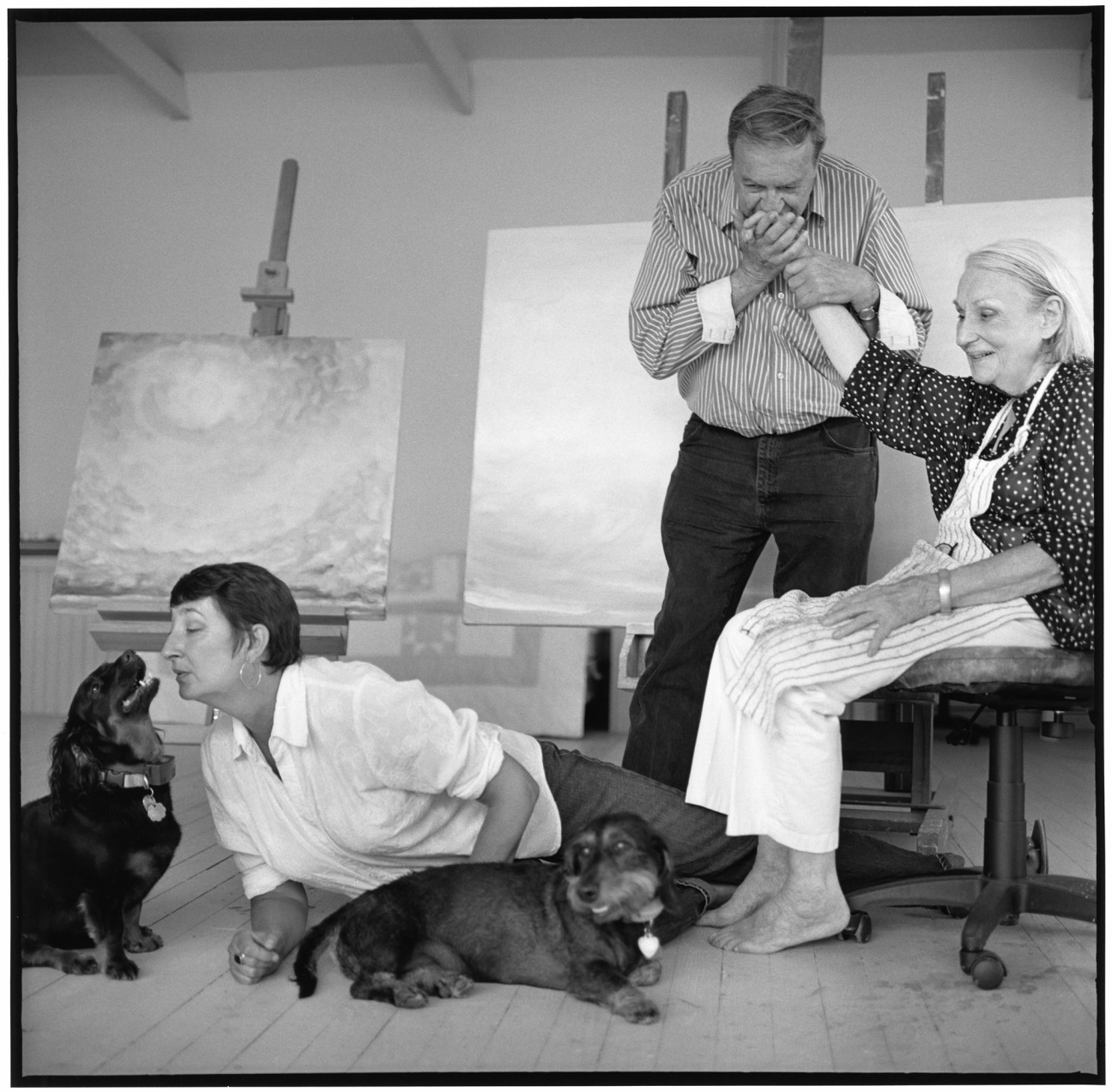
What set Weber apart during his peak career years was his ability to direct his subjects. He treated fashion photography with the same narrative weight as film. His subjects were rarely static; they were captured in motion, in states of play, or in moments of profound stillness, which allowed the viewer to project a story onto the garment or product being featured.
Major Milestones in a Decades-Long Career
To understand the longevity of his career, one must look at the progression of his projects over the last half-century. His work is not confined to still photography; he has directed numerous short and feature-length films that explore themes of masculinity, music, and the American experience.
| Milestone Phase | Focus Area | Impact |
|---|---|---|
| 1970s – 1980s | Editorial Photography | Defined the "Calvin Klein" look and male-centric fashion advertising. |
| 1990s | Filmmaking | Directed acclaimed documentaries like Let's Get Lost, focusing on Chet Baker. |
| 2000s | Multi-media Advertising | Consulted on major global brand campaigns while continuing editorial work. |
| 2010s – 2020s | Archival & Fine Art | Focused on curating retrospective exhibitions and personal creative projects. |
The Intersection of Professional Evolution and Age
As of 2026, Bruce Weber’s age of 80 places him in a category of "elder statesman" within the photography industry. In many creative fields, age is viewed as a barrier, but for a photographer with Weber’s body of work, it represents a transition from high-velocity commercial production to the curation of a vast, historical archive.
The evolution of his career demonstrates how a signature style can transcend shifting trends. While digital photography and AI-generated imagery have fundamentally altered how the world creates and consumes fashion media, the core elements of Weber’s work—emotional intelligence, narrative composition, and the play of light—remain foundational skills taught to students and professionals alike.
Navigating the Legacy and Controversies
No analysis of a figure as prominent as Bruce Weber would be complete without acknowledging the complexity of his career. Throughout the late 2010s, Weber faced allegations regarding professional conduct during photoshoots, which led to significant shifts in his relationship with major editorial institutions. These developments were widely reported by major media outlets, marking a period of reckoning within the fashion photography industry at large.
The impact of these events has served as a case study in how the industry handles accountability and professional standards. For those studying his career, it is necessary to separate his aesthetic contributions to the history of photography from the evolving professional standards of the modern workplace.
The Role of Archival Preservation
At 80 years old, Weber’s primary focus has shifted toward the preservation of his extensive library of negatives, prints, and films. His work is held in the collections of various museums and private institutions, ensuring that his visual language continues to be accessible to future generations of artists.
The study of his archive provides a roadmap for photographers who wish to understand the transition from the analog era to the digital age. Weber’s work serves as a reminder that regardless of the equipment used, the photographer's role is to act as a witness to the humanity of the subject.
Frequently Asked Questions
How long has Bruce Weber been active in the photography industry? Bruce Weber has been a professional force in the photography and film industry for over 50 years, with his initial breakthroughs occurring in the mid-1970s.
What is the defining characteristic of Bruce Weber’s photographic style? His work is primarily identified by its cinematic, high-contrast black-and-white aesthetic, a focus on natural light, and a documentary-like approach to capturing human emotion and athleticism.
Did Bruce Weber work in film as well as photography? Yes, he is a noted filmmaker, having directed several acclaimed documentaries, most notably Let’s Get Lost (1988), which chronicled the life and career of jazz musician Chet Baker.
Where can one view his professional body of work? His work is featured in major international fashion magazines, numerous monographs, and the permanent collections of various global photography museums and cultural institutions.
Is Bruce Weber still practicing as of 2026? While he is no longer as active in the high-volume commercial fashion editorial space as he was in previous decades, he remains engaged in photography and fine art projects as an artist and creative director.
Recommendation for Further Research
For those looking to deepen their understanding of Bruce Weber’s contributions, the most effective next step is to examine his published monographs rather than relying on online galleries. Physical books allow for the appreciation of print quality and the intended sequence of his storytelling, which is often lost in digital formats. Visiting a library or museum with a strong collection of 20th-century fashion photography will provide a more comprehensive view of how his work influenced the aesthetic standards of the era.
Image Gallery