Linemen Salary Guide 2026: Earning Potential, Career Progression, and Industry Breakdown
Linemen earn an average annual salary ranging from $75,000 to over $115,000 in 2026, depending heavily on union status, geographical location, and specialized certifications like high-voltage transmission and storm restoration. Total c...
Linemen earn an average annual salary ranging from $75,000 to over $115,000 in 2026, depending heavily on union status, geographical location, and specialized certifications like high-voltage transmission and storm restoration. Total compensation packages frequently exceed base figures when accounting for prevailing wage laws, hazardous duty pay, and extensive overtime opportunities required to maintain critical electrical grid infrastructure.
Contents
Understanding the Role of Power Line Technicians
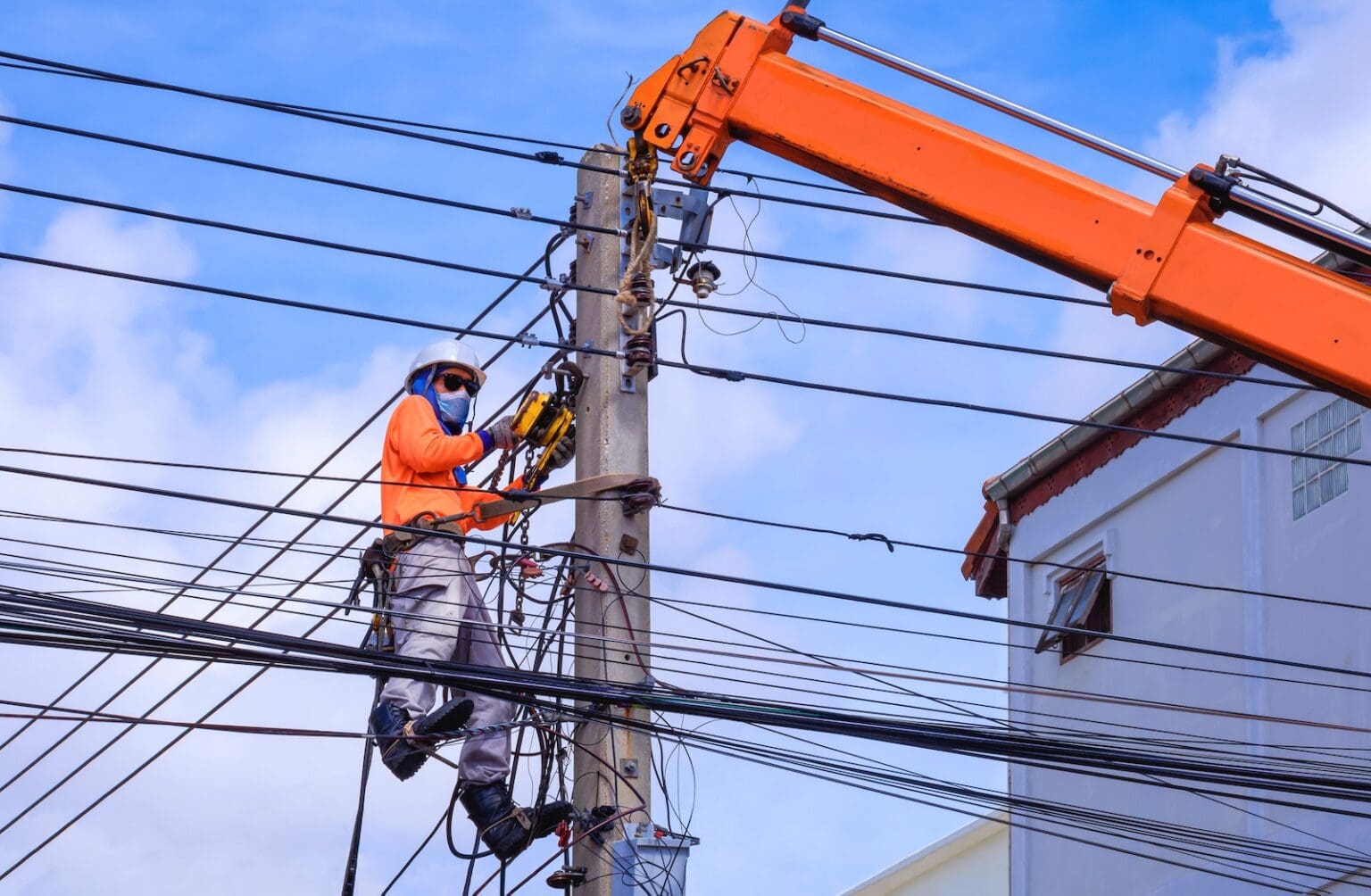
Electrical power-line installers and repairers, commonly known as linemen, construct, maintain, and repair electrical power systems and cables. Their work forms the backbone of modern civilization, ensuring that residential, commercial, and industrial structures receive a continuous and reliable flow of electricity.
The profession requires operating in demanding environments, often at significant heights or in cramped underground vaults, regardless of weather conditions. Because electrical grids are vital national infrastructure, the demand for skilled labor remains exceptionally high. The 2026 labor market continues to see robust hiring as utilities upgrade aging grids, integrate renewable energy sources, and harden systems against severe weather events.
Average Lineman Salary Benchmarks and Compensation Structures
Evaluating a lineman salary requires looking beyond standard base pay. Compensation models in the electrical utility sector combine hourly rates, prevailing wage structures, and production-based incentives.
| Experience Level / Role | Estimated Hourly Rate | Average Annual Base Salary | Total Compensation with Overtime |
|---|---|---|---|
| Electrical Apprentice (Year 1) | $24.00 - $30.00 | $50,000 - $62,000 | $65,000 - $80,000 |
| Journeyman Lineman | $42.00 - $58.00 | $87,000 - $120,000 | $115,000 - $160,000+ |
| Substation Technician | $45.00 - $62.00 | $93,000 - $128,000 | $130,000 - $175,000+ |
| General Foreman / Supervisor | $52.00 - $70.00 | $108,000 - $145,000 | $150,000 - $190,000+ |
Base Pay Versus Total Take-Home Compensation
While base salaries provide a stable financial foundation, many linemen significantly increase their earnings through overtime hours. Emergency storm response, scheduled grid maintenance during off-peak hours, and urgent infrastructure repairs routinely pay time-and-a-half or double-time rates. During active hurricane or winter storm seasons, traveling linemen can clear substantial earnings in a matter of weeks.
Factors Influencing Lineman Earning Potential
Several distinct variables dictate how much a power-line technician takes home annually. Understanding these factors helps apprentices and experienced hands map out their career trajectories strategically.
Geographic Location and Regional Cost of Living
Geography plays a major role in wage determination. States with high population densities, complex infrastructure networks, and higher costs of living typically offer the highest compensation rates. Conversely, rural cooperatives may offer lower base salaries, though cost-of-living adjustments can balance out the difference.
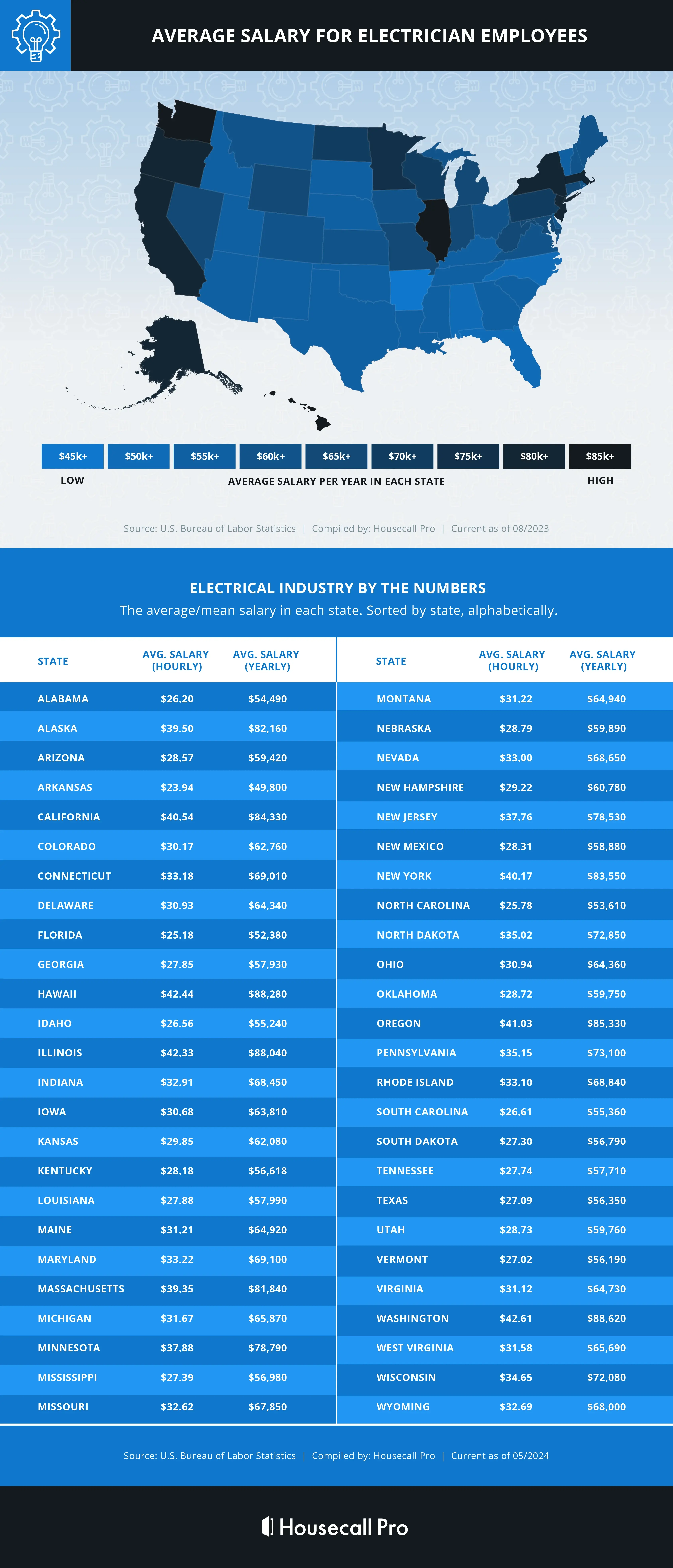
- High-Paying States: California, New York, Washington, Alaska, and Hawaii consistently rank at the top for highest average lineman wages.
- Moderate-Paying States: Texas, Florida, the Midwest industrial corridor, and the Mid-Atlantic region offer competitive rates tied closely to local union strength.
- Lower-Paying States: Portions of the Deep South and rural Mountain West often display lower nominal averages, though prevailing wage laws on public projects can bridge the gap.
Union Versus Non-Union Employment Models
The choice between working for a unionized investor-owned utility (IOU) or a non-union contractor significantly impacts pay, benefits, and working conditions.
Union Advantages: Unionized linemen, represented by organizations like the International Brotherhood of Electrical Workers (IBEW), benefit from collective bargaining agreements. These contracts guarantee step-progression wage increases, structured overtime rules, robust pension funds, and comprehensive health insurance.
Non-Union Environment: Non-union contractors may offer competitive or even higher immediate hourly pay to attract talent in tight labor markets, but benefit packages, job security, and formal apprenticeship structures can vary widely from company to company.
Specializations and Advanced Certifications
General distribution line work is the entry point for most professionals, but branching out into specialized sectors unlocks premium pay tiers.
- Transmission Lines: Working on ultra-high-voltage transmission lines (often 345kV to 765kV) requires advanced safety protocols and specialized gear, commanding higher pay rates.
- Live-Line (Hot-Stick) Work: Technicians certified to perform maintenance on energized lines without shutting them down are among the most valued and highly paid specialists in the field.
- Substation Construction: Combining traditional lineman skills with heavy substation wiring and transformer installation opens doors to specialized contractor roles.
The Career Pathway: From Groundman to Journeyman
Entering the trade requires a structured progression through distinct professional tiers, each with its own earning benchmarks.
1. Groundman Entry Point
Aspiring linemen often start as groundmen. Groundmen support the crew by operating heavy equipment, prepping job sites, managing traffic, and handling materials from the ground. While this role requires a Commercial Driver's License (CDL) and basic safety certifications, it serves as the primary stepping stone into a formal apprenticeship. Entry-level wages for groundmen typically hover between $20.00 and $26.00 per hour.
2. Apprenticeship Program Standards
An accredited apprenticeship program lasts approximately four years (roughly 7,000 to 8,000 hours of on-the-job training combined with hundreds of classroom hours). As apprentices progress through yearly milestones (Year 1 through Year 4), their pay scales automatically increase as a percentage of the Journeyman rate, moving from 50-60% up to 85-95% by the final year.
3. Journeyman Certification
Achieving Journeyman status marks the transition to a fully qualified, independent professional. Journeymen can execute complex construction, troubleshooting, and restoration tasks safely. At this stage, earning potential reaches its standard peak, unless the technician pursues supervisory roles or specialized contracting.
Pros and Cons of a Career as a Lineman
Like any profession involving physical labor and inherent risk, line work comes with distinct advantages and disadvantages that prospective workers must weigh carefully.
Advantages
- No Degree Requirement: High earnings are accessible without incurring tens of thousands of dollars in traditional four-year college student loan debt.
- Exceptional Job Security: The electrical grid requires constant maintenance, expansion, and emergency repair, making the profession virtually recession-proof.
- Strong Retirement and Benefits: Union positions in particular offer robust pension plans, annuities, and premium healthcare coverage.
- High Earning Potential Early On: Hard work, overtime opportunities, and structured pay steps allow young adults to achieve financial independence quickly.
Disadvantages
- High Physical Demand and Risk: The job requires heavy lifting, working at extreme heights, and handling high-voltage electricity under strict safety protocols.
- Unpredictable Schedules: Emergency call-outs, severe weather responses, and storm traveling mean frequent time away from family and disrupted sleep schedules.
- Environmental Exposure: Technicians work in freezing winters, scorching summers, pouring rain, and high winds whenever grid failures demand immediate intervention.
Essential Prerequisites and Safety Requirements
Securing employment and thriving as a lineman requires meeting stringent physical, educational, and licensing prerequisites.
- Commercial Driver’s License (CDL): A Class A CDL with air brake endorsements is mandatory for operating bucket trucks, digger derricks, and heavy hauling rigs.
- Physical Fitness and Drug Testing: The role requires exceptional stamina, balance, and upper-body strength. Random and pre-employment drug screenings are standard industry practice due to safety-sensitive job functions.
- OSHA and CPR Certifications: Candidates must complete rigorous safety training, including OSHA 10-hour or 30-hour electrical standards, First Aid, and CPR training.
- Line School Graduation: While not always mandatory if entering directly into an indentured apprenticeship, graduating from an accredited line school provides foundational climbing skills and mechanical knowledge that make candidates highly competitive.
Frequently Asked Questions About Lineman Salaries
What is the average salary of a journeyman lineman in 2026?
A journeyman lineman averages between $87,000 and $120,000 in base salary annually, with total compensation easily surpassing $150,000 when factoring in standard overtime and storm work.
Do linemen make more money working for unions?
Yes, unionized linemen typically enjoy higher guaranteed base wages, superior health and retirement benefits, structured step-increases, and stronger safety enforcement through collective bargaining agreements.
How much do traveling linemen make?
Traveling linemen ("tramps") who follow storm restoration contracts across the country often earn significantly higher annual incomes, sometimes exceeding $150,000 to $200,000 due to sustained hazard pay and maximum overtime hours.
Is a college degree required to become a lineman?
No college degree is required. Candidates enter the profession through high school diplomas or GED equivalents followed by trade-specific line school, a multi-year apprenticeship, and on-the-job training.
How does overtime impact a lineman's yearly earnings?
Overtime is a major component of lineman compensation. Because emergency repairs and storm restorations pay time-and-a-half or double-time, active overtime can boost a base salary by 30% to 50% or more in a busy year.
Conclusion and Strategic Career Steps
Entering the electrical line trade offers an unmatched pathway to high earning power without the financial burden of a university degree. To maximize long-term earning potential, focus on obtaining a Class A CDL immediately, enroll in an accredited line school or joint apprenticeship training committee (JATC) program, and pursue advanced certifications in high-voltage transmission or live-line maintenance.
Image Gallery