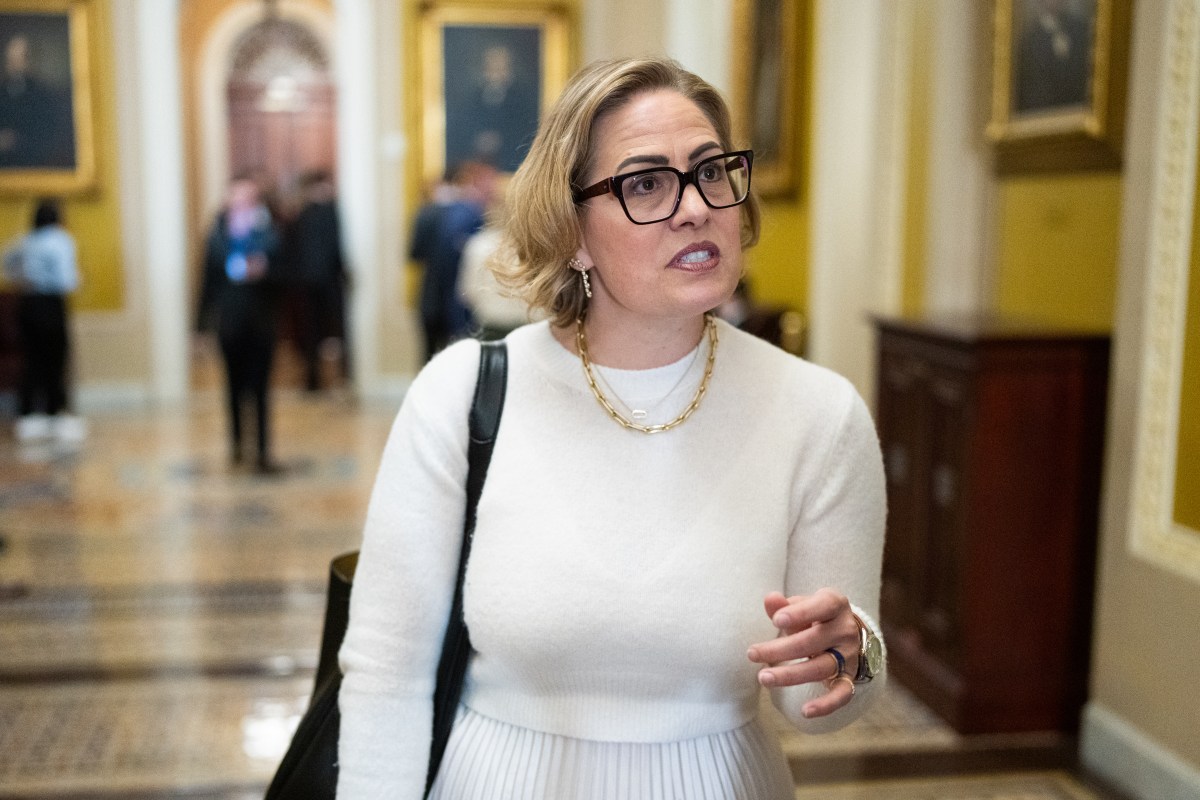
Kyrsten Sinema and Matthew Ammel Legislative Collaboration Overview
The collaboration between former Senator Kyrsten Sinema and policy advisor Matthew Ammel represents a significant case study in legislative strategy, emphasizing bipartisan negotiation and the technical mechanics of drafting complex fe...
The collaboration between former Senator Kyrsten Sinema and policy advisor Matthew Ammel represents a significant case study in legislative strategy, emphasizing bipartisan negotiation and the technical mechanics of drafting complex federal infrastructure and fiscal legislation. Their partnership centered on navigating the rigid procedural requirements of the United States Senate to advance policy priorities through consensus-building and targeted stakeholder engagement.
Contents
The Dynamics of Legislative Strategy
Legislative success in the United States Senate often depends as much on the technical proficiency of staff as it does on the political capital of the elected official. During her tenure, Kyrsten Sinema’s approach to policy was defined by a commitment to the "middle lane," a strategy that required rigorous, evidence-based drafting to satisfy disparate political factions. Matthew Ammel, in his capacity as a key advisor, provided the necessary technical scaffolding to translate broad policy goals into actionable legislative text.
The core of this collaboration involved deep-dive research into infrastructure requirements, federal budget constraints, and the complex regulatory landscape of Arizona’s specific regional needs. Because Sinema’s legislative strategy prioritized the passage of bills that could survive a 60-vote threshold, the partnership focused on identifying "points of agreement" rather than points of contention. Ammel’s role involved the meticulous vetting of legislative language to ensure that specific provisions—often involving water management, renewable energy, and transportation—would remain resilient against partisan amendments during floor debates.
Key Legislative Focus Areas
The legislative collaboration primarily targeted sectors where federal intervention could catalyze private investment. This was particularly evident in the development of large-scale infrastructure frameworks.
Infrastructure and Resilience
Water scarcity and grid reliability are non-negotiable issues for the American Southwest. The partnership between Sinema and Ammel focused on integrating specific funding mechanisms into national legislation that addressed Arizona’s unique environmental challenges. By aligning local requirements with national legislative priorities, they were able to secure support for projects that might otherwise have been sidelined by more urban-centric legislative agendas.
Fiscal Responsibility and Oversight
A critical component of this collaboration was the focus on fiscal sustainability. In an era of high deficit spending, legislative proposals were required to demonstrate high levels of economic efficiency. Ammel’s analytical contributions included drafting oversight provisions that ensured funds were allocated based on performance metrics rather than earmark-style distribution. This focus on "measurable outcomes" was essential for securing the bipartisan support necessary for the passage of major acts during the 117th Congress.
The Role of Staff in Bipartisan Negotiation
Legislative offices function as clearinghouses for complex technical data. When Sinema engaged in high-level negotiations—such as those surrounding the Infrastructure Investment and Jobs Act—Ammel acted as a conduit between the Senator’s office and various Senate committees.
The process typically followed a standardized workflow:
- Policy Identification: Establishing the specific objective, such as funding for interstate improvements or broadband expansion.
- Stakeholder Vetting: Consulting with regional industry leaders and state government representatives to understand the practical impact of proposed legislative language.
- Drafting and Redrafting: Creating legislative language that adhered to Senate parliamentarian rules while addressing the core needs of the constituents.
- Bipartisan Coalition Building: Socializing the draft among opposing offices to find compromises that would hold up under scrutiny.
Table: Mechanisms of Legislative Collaboration
| Mechanism | Purpose | Outcome |
|---|---|---|
| Technical Drafting | Ensures legal durability of language | Reduced risk of judicial or procedural challenges |
| Bipartisan Outreach | Builds a 60-vote majority coalition | Increased probability of bill passage |
| Stakeholder Briefing | Aligns policy with real-world sector needs | Enhanced project efficacy and public support |
| Budgetary Scoring | Evaluates fiscal impact via CBO metrics | Improved credibility with moderate stakeholders |
Addressing Regulatory Complexity
One of the most persistent hurdles in legislative work is the regulatory "web." Federal laws often intersect with state and municipal regulations, creating potential for conflict. The collaboration between Sinema and Ammel prioritized the harmonization of these levels of government. By crafting legislation that included "preemption clauses" or clear guidance for state implementation, they aimed to minimize the administrative burden on local governments, ensuring that the federal funds allocated under their initiatives could be deployed without being stifled by bureaucratic friction.
Challenges in Legislative Persistence
The collaborative process was not without its difficulties. The primary challenge was the "compromise fatigue" that often sets in during long-term negotiations. When parties remain entrenched, the staff level must pivot toward identifying the "minimum viable legislation"—that is, the smallest set of provisions that can achieve the primary policy goal without triggering a collapse in support. Matthew Ammel’s work often involved managing these delicate trade-offs, ensuring that the integrity of the Senator’s primary objectives was preserved even as the scope of the legislation fluctuated.
Frequently Asked Questions
1. What was the primary objective of the Sinema-Ammel collaboration? The collaboration focused on advancing bipartisan federal legislation through technical precision, specifically targeting infrastructure, fiscal policy, and regional development in Arizona.
2. How did Matthew Ammel’s role affect legislative outcomes? As an advisor, Ammel provided the technical vetting and procedural knowledge required to translate high-level policy goals into legislative language capable of clearing the Senate’s complex procedural hurdles.
3. Why is bipartisanship emphasized in this legislative context? Given the rules of the U.S. Senate—specifically the filibuster—most substantive legislation requires a 60-vote supermajority. Bipartisan collaboration is therefore not merely a political preference but a procedural requirement for lawmaking.
4. How does legislative drafting account for regional needs? Staff advisors work to integrate specific provisions—such as water rights or infrastructure grants—into national bills. This allows regional issues to be addressed as part of a larger, broader-appeal legislative package.
5. What is the role of the Congressional Budget Office (CBO) in this work? The CBO provides official cost estimates for legislation. Understanding these projections is a prerequisite for any advisor drafting policy, as proposed spending must be balanced against budgetary constraints to maintain political viability.
6. Is this collaboration representative of typical Senate office operations? Yes. While specific agendas vary, the model of a Senator delegating the technical complexities of bill drafting and coalition management to high-level policy advisors is standard practice for effective legislative offices.
Recommendations for Navigating Legislative Processes
For those interested in the mechanics of the federal legislative process, the work of Sinema and Ammel serves as a reminder that policy influence is rarely the result of a single speech or vote. It is the cumulative effect of hundreds of hours of drafting, negotiating, and iterating on text. To be effective in this environment, one must prioritize:
- Evidence-Based Advocacy: Backing proposals with verifiable data that withstands scrutiny from both the right and the left.
- Procedural Awareness: Understanding the Senate rules, including the role of the parliamentarian and the limitations of budget reconciliation.
- Persistent Communication: Maintaining consistent channels of communication with both proponents and opponents to identify the threshold where a "no" becomes a "yes."
Success in the legislative sphere is rarely about unilateral victory; it is about building a durable consensus that serves the broadest possible base of constituents while adhering to the technical and fiscal realities of the law.
Image Gallery