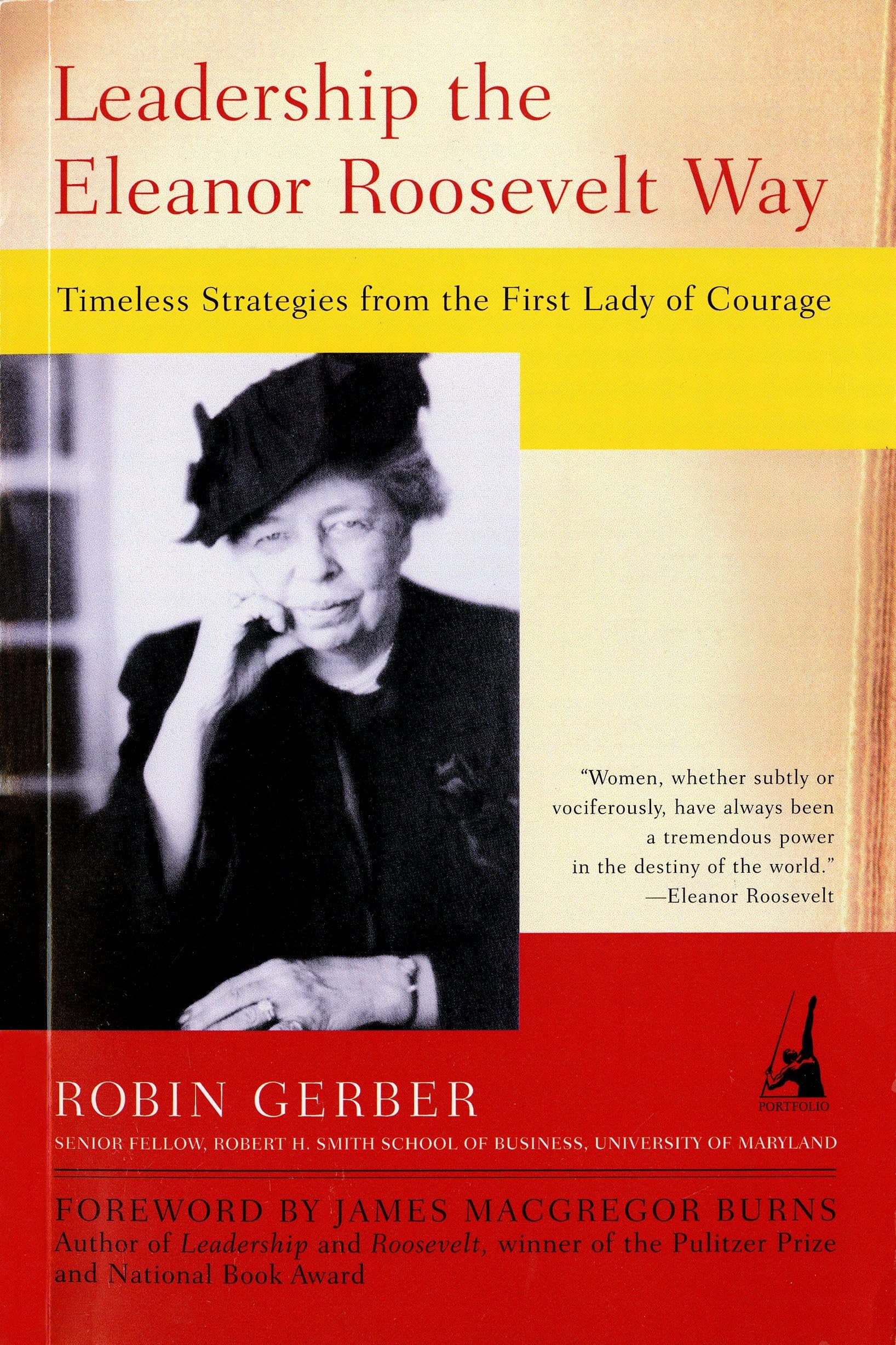
The Case for Eleanor Roosevelt as the Most Impactful First Lady in United States History
Eleanor Roosevelt redefined the role of First Lady by transforming an traditionally ceremonial position into an active platform for political advocacy, human rights activism, and public engagement. Her tireless defense of marginalized...
Eleanor Roosevelt redefined the role of First Lady by transforming an traditionally ceremonial position into an active platform for political advocacy, human rights activism, and public engagement. Her tireless defense of marginalized communities, leadership during global crises, and foundational role in drafting the Universal Declaration of Human Rights cemented her legacy as arguably the most influential presidential spouse in United States history.
Contents
Redefining the Office: From Ceremonial Hostess to Active Advocate
Before Eleanor Roosevelt entered the White House in 1933, the role of the First Lady was largely confined to social duties, managing the executive residence, and hosting diplomatic functions. While previous spouses had exerted quiet influence behind the scenes, none had operated in the public sphere with the overt independence and direct political agency that Eleanor brought to the position.
From the outset, she recognized that her unique platform afforded her a powerful megaphone. Rather than remaining sequestered within the executive mansion, she traveled extensively across the United States, witnessing firsthand the devastating economic and social impacts of the Great Depression. These journeys were not merely symbolic; she reported her observations directly to President Franklin D. Roosevelt, often prompting administrative action, relief efforts, and legislative considerations that traditional political advisors might have overlooked.
Her institutionalization of regular press conferences exclusively for female journalists further demonstrated her commitment to expanding the scope of the office. By demanding that news outlets hire women reporters to attend these briefings, she effectively forced news organizations to keep female journalists on their payrolls, thereby integrating women more deeply into the mainstream political press corps and ensuring that social issues received sustained national media attention.
Championing Civil Rights and Social Justice
Eleanor Roosevelt’s commitment to racial equality and social justice set her apart from many of her political contemporaries, including members of her own administration. At a time when the Democratic Party relied heavily on the support of Southern segregationists, she openly challenged Jim Crow laws and associated with prominent civil rights leaders such as Walter White of the National Association for the Advancement of Colored People (NAACP) and educator Mary McLeod Bethune, whom she appointed as a key advisor on minority affairs.
Her advocacy took several high-profile forms that tested the political boundaries of the era:
- The Daughters of the American Revolution Resignation: In 1939, when the Daughters of the American Revolution denied African American contralto Marian Anderson permission to perform in Constitution Hall, Eleanor publicly resigned from the organization in protest and helped orchestrate Anderson's historic open-air concert at the Lincoln Memorial.
- Support for Anti-Lynching Legislation: Though President Roosevelt hesitated to back federal anti-lynching bills for fear of losing Southern congressional support for New Deal legislation, Eleanor openly endorsed these measures, aligning herself with the moral imperative of civil rights over immediate political expediency.
- Integration of Federal Work Projects: She continuously pushed the New Deal agencies, such as the National Youth Administration and the Works Progress Administration, to ensure fair wage distribution and equitable program access for African American workers.
Through these actions, she established a precedent for moral leadership from the White House, forcing national conversations on systemic racism that paved the way for the mid-century civil rights movement.
Global Statesmanship and the United Nations
Eleanor Roosevelt’s public service did not end with the death of President Franklin D. Roosevelt in 1945. Recognizing her immense diplomatic skill and moral authority, President Harry S. Truman appointed her as a delegate to the United Nations General Assembly in 1945. This appointment marked the beginning of her most enduring international achievement.
As the first chairperson of the UN Commission on Human Rights, she played the pivotal role in drafting the Universal Declaration of Human Rights (UDHR). The task was fraught with ideological friction between Western democracies and the Soviet bloc, compounded by differing cultural and legal traditions worldwide. Eleanor's diplomatic acumen, patience, and unwavering insistence on universal human dignity enabled the committee to forge a consensus.
| Feature | Eleanor Roosevelt's Approach | Traditional Pre-1933 Approach |
|---|---|---|
| Public Engagement | Extensive nationwide travel, independent speeches, and active media presence | Primarily focused on White House social hosting and internal estate management |
| Political Agency | Direct advocacy for policy changes, civil rights, and labor reform | Quiet, behind-the-scenes counsel without public campaigns |
| Media Utilization | Regular press conferences reserved for female journalists to support their careers | Responding selectively to inquiries via official press secretaries |
| Post-White House Role | Active international diplomat, UN delegate, and human rights author | Generally quiet retirement or symbolic patronage of local charities |
Adopted by the General Assembly on December 10, 1948, the UDHR stands as one of the most significant normative documents in international law. Eleanor's leadership ensured that the declaration framed rights not as privileges granted by governments, but as inherent entitlements belonging to every human being regardless of race, gender, religion, or nationality.
Evaluating Historical Impact and Legacy
Historians, political scientists, and biographers frequently rank Eleanor Roosevelt at or near the top of assessments evaluating the impact of American First Ladies. These evaluations are based on several distinct criteria: durability of policy impact, transformation of the office's structural expectations, and independent political capital.
Unlike successors who focused on specific domestic initiatives—such as Lady Bird Johnson's highway beautification or Nancy Reagan's anti-drug campaigns—Eleanor's portfolio spanned economic relief, racial equality, labor rights, and international diplomacy. Her daily newspaper column, "My Day," published from 1935 to 1962, and her radio broadcasts allowed her to maintain a direct dialogue with the American public for decades, establishing an unprecedented standard of transparent public communication.
Critics during her lifetime occasionally accused her of overstepping her constitutional bounds or pushing the administration too rapidly on social reforms. However, time has revealed her foresight. By expanding the boundaries of what a presidential spouse could achieve, she permanently altered the trajectory of the office, setting an expectation of civic engagement and independent moral leadership that subsequent First Ladies have continued to build upon.
Frequently Asked Questions
What made Eleanor Roosevelt different from previous First Ladies?
Eleanor Roosevelt transformed the role from a purely ceremonial hosting position into an active, independent platform for political and social advocacy. She traveled nationwide, held her own press conferences, wrote a syndicated newspaper column, and openly championed controversial causes such as civil rights and labor reform.
What was Eleanor Roosevelt's role at the United Nations?
President Harry S. Truman appointed her as a delegate to the United Nations General Assembly in 1945. She subsequently served as the first chairperson of the UN Commission on Human Rights, where she was the driving force behind the drafting and adoption of the Universal Declaration of Human Rights in 1948.
How did Eleanor Roosevelt support the civil rights movement?
She actively opposed Jim Crow laws, resigned from the Daughters of the American Revolution after they barred African American singer Marian Anderson from performing, supported anti-lynching legislation against the political hesitation of the administration, and worked closely with civil rights leaders and organizations like the NAACP.
Did Eleanor Roosevelt hold any official government position during her husband's presidency?
No, she did not hold an elected or Cabinet-level position during Franklin D. Roosevelt's presidency, as the First Lady role was not an official government office with defined executive powers. However, she served as an unofficial advisor, an investigator for federal programs, and an independent political actor.
What was the significance of her "My Day" column?
"My Day" was a syndicated daily newspaper column that Eleanor Roosevelt wrote from 1935 until 1962. It allowed her to share her views on public policy, human rights, and daily life directly with millions of Americans, making her one of the most accessible and visible public figures of the 20th century.
Next Steps and Further Exploration
For readers interested in deepening their understanding of Eleanor Roosevelt's historic contributions, several primary and secondary resources offer extensive documentation:
- Review the archives of the Franklin D. Roosevelt Presidential Library and Museum, which house extensive collections of her correspondence, speeches, and photographs.
- Examine the United Nations Dag Hammarskjöld Library resources detailing the drafting history of the Universal Declaration of Human Rights.
- Read comprehensive multi-volume biographies by historians such as Blanche Wiesen Cook for detailed scholarly analysis of her public and private life.
Image Gallery