Understanding the Life Insurance Rider for Long Term Care Hybrid Policies
A long-term care (LTC) rider on a life insurance policy is a contractual add-on that allows a policyholder to accelerate the death benefit to cover qualified long-term care expenses. Unlike traditional, standalone LTC insurance, which...
A long-term care (LTC) rider on a life insurance policy is a contractual add-on that allows a policyholder to accelerate the death benefit to cover qualified long-term care expenses. Unlike traditional, standalone LTC insurance, which is a "use it or lose it" product, these hybrid or linked-benefit policies ensure that if care is never needed, the remaining benefit is paid as a tax-free death benefit to your beneficiaries.
Contents
The Mechanism of Hybrid Long-Term Care Policies
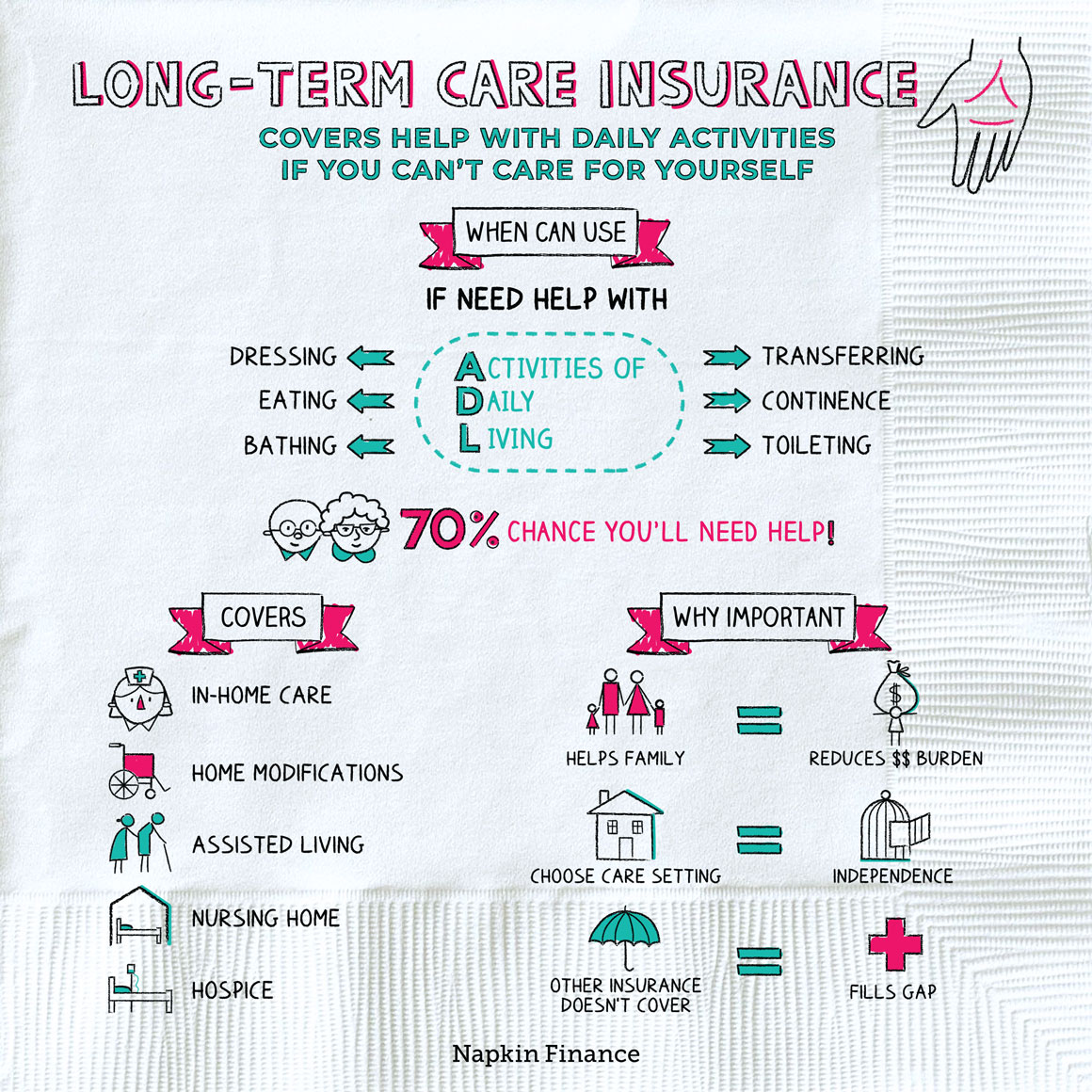
Hybrid policies, often marketed as asset-based long-term care, serve two distinct financial functions. At their core, they are permanent life insurance products—such as universal or whole life—that include an accelerated death benefit rider specifically triggered by a chronic illness or the inability to perform Activities of Daily Living (ADLs).
The primary allure of these policies is the elimination of the "use it or lose it" risk associated with traditional LTC insurance. With a standalone LTC policy, premiums are paid for years, and if the policyholder passes away without needing care, the premiums are effectively forfeited. In contrast, a hybrid policy acts as a dual-purpose financial vehicle. If you require nursing home care, assisted living, or home health care, the rider allows you to draw down your death benefit to pay for these costs. If you never require care, your heirs receive the death benefit, ensuring your premiums were not spent in vain.
How the Rider Operates in Practice
The activation of the long-term care rider is contingent upon a formal certification from a licensed healthcare practitioner. Most policies define the trigger as the inability to perform at least two of the six Activities of Daily Living (ADLs) without substantial assistance, or a severe cognitive impairment requiring substantial supervision for safety.
Once the criteria are met and the elimination period—a waiting period typically ranging from 30 to 90 days—is satisfied, the insurance company begins paying the benefits. These payments are usually structured as an indemnity or a reimbursement model. Under an indemnity model, the insurer pays a flat monthly cash benefit once eligibility is verified, regardless of actual expenses incurred. Under a reimbursement model, the insurer covers specific invoices for qualified services up to the monthly maximum defined in the rider.
Comparing Traditional LTC and Hybrid Riders
Choosing between a standalone LTC policy and an LTC rider on a life insurance policy involves evaluating your liquidity, your legacy goals, and your risk tolerance.
| Feature | Standalone LTC Insurance | Hybrid Life/LTC Policy |
|---|---|---|
| Premium Structure | Level, but can be increased | Usually single pay or fixed/limited pay |
| Benefit Payout | Only if care is needed | Care costs or death benefit |
| Premium Stability | Subject to rate hikes by regulators | Usually guaranteed fixed premiums |
| Cash Value | None | Often accumulates cash value |
| Refund of Premium | Rarely available | Included as a death benefit |
The financial commitment for a hybrid policy is often structured as a single lump-sum payment or a series of fixed premiums over a specific period (e.g., 5 or 10 years). This provides cost certainty, as the insurer cannot typically increase the premium on a hybrid policy once the contract is issued, whereas traditional LTC premiums are notoriously subject to actuarial rate increases approved by state insurance departments.
Key Considerations for Policyholders
Before integrating an LTC rider into your financial strategy, several technical aspects require scrutiny to ensure the product meets your long-term needs.
1. The Benefit Pool
The "pool of money" is the total amount available to the policyholder for long-term care. It is essential to understand how the rider draws down the death benefit. In many cases, if you use the entire pool of money for care, the death benefit is exhausted. However, some policies include a "residual death benefit," ensuring that a small portion of the original coverage amount remains for your beneficiaries even if you utilize the full LTC benefit.
2. Inflation Protection
Because the cost of medical and custodial care typically increases over time, the purchasing power of your policy benefit may erode. Some hybrid policies offer built-in inflation protection riders. Without this, a benefit that looks sufficient today might be woefully inadequate twenty years from now. Evaluate whether the policy allows for compound inflation adjustments.
3. Tax Implications
Under the Health Insurance Portability and Accountability Act (HIPAA), benefits paid from a qualified long-term care rider are generally treated as tax-free, provided the policy meets specific federal standards. However, it is vital to work with a tax professional, as individual financial circumstances and changes in tax law in 2026 or beyond may impact the treatment of accelerated benefits.
Common Pitfalls to Avoid
Many consumers approach life insurance with the mindset of protection, but hybrid policies require a mindset of asset management. A common mistake is failing to account for the "elimination period." This is the period during which you must pay for your own care before the insurance benefit kicks in. If your savings are not positioned to cover three months of care costs, you may face a significant financial gap during the transition to insurance coverage.
Additionally, do not overlook the "underwriting" process. Because hybrid policies include an insurance component, you must qualify medically. Individuals with pre-existing conditions that qualify them for immediate or imminent long-term care often find they are ineligible for these products, as insurers view the risk of payout as too high.
Frequently Asked Questions
Can I add an LTC rider to an existing life insurance policy? Generally, no. LTC riders are typically issued at the time of the original policy purchase. Adding a rider to an existing contract would require a new underwriting process and potentially a total replacement of the policy, which can be costly and may involve new surrender charges.
Are the LTC benefit payments taxable? Qualified long-term care insurance benefits, including those from riders, are generally excludable from gross income under the Internal Revenue Code. However, you should consult with your tax advisor to ensure your specific policy meets the necessary federal requirements.
What happens if the cost of care is less than the monthly benefit? In an indemnity-based policy, you receive the full monthly benefit regardless of the actual cost of care, providing you with flexible funds. In a reimbursement-based policy, the insurer will typically only cover the actual expenses incurred, up to your monthly maximum.
Is a hybrid policy better than self-insuring? Self-insuring requires maintaining a large, liquid pool of assets dedicated solely to care costs. A hybrid policy leverages the insurer's actuarial risk pooling to provide a larger potential benefit for a smaller initial capital outlay, while also providing a death benefit for your heirs.
What defines "long-term care" under these riders? The IRS defines qualified long-term care services as necessary diagnostic, preventive, therapeutic, curing, treating, mitigating, and rehabilitative services, and maintenance or personal care services, required by a chronically ill individual.
Recommended Next Actions
If you are considering a hybrid policy, your first step should be to assess your anticipated need for care based on family health history and your current financial portfolio. Contact a licensed insurance professional who specializes in hybrid or "linked-benefit" products. Ask for an "in-force illustration" that shows exactly how the death benefit and the LTC benefit pool interact under different scenarios, such as utilizing 50% of the benefit versus 100% of the benefit. Ensure you receive a summary of the elimination period, the trigger definitions, and any guaranteed premium clauses before finalizing your decision.
Image Gallery