Different Types of White Blood Cells: Functions and Clinical Significance
White blood cells, also known as leukocytes, are the primary cellular components of the human immune system. The five main types of white blood cells are neutrophils, lymphocytes, monocytes, eosinophils, and basophils. These cells circ...
White blood cells, also known as leukocytes, are the primary cellular components of the human immune system. The five main types of white blood cells are neutrophils, lymphocytes, monocytes, eosinophils, and basophils. These cells circulate in the blood and lymphatic system to identify, attack, and eliminate pathogens such as bacteria, viruses, and parasites while managing inflammatory responses.
Contents
White blood cells (WBCs) act as the body’s internal security force. Although they account for only about 1% of your total blood volume, their impact on health is monumental. Produced in the bone marrow and stored in the blood and lymphatic tissues, these cells are highly specialized. Understanding the different types of white blood cells is essential for interpreting medical diagnostics, specifically the Complete Blood Count (CBC) with differential, which measures the levels of each type to provide a snapshot of an individual's immune health.
As of 2026, advanced hematology remains the cornerstone of diagnostic medicine. While genomic sequencing and liquid biopsies have advanced, the foundational analysis of leukocyte morphology and count continues to be the first line of defense in identifying infections, autoimmune disorders, and leukemias.
The Two Primary Categories: Granulocytes and Agranulocytes
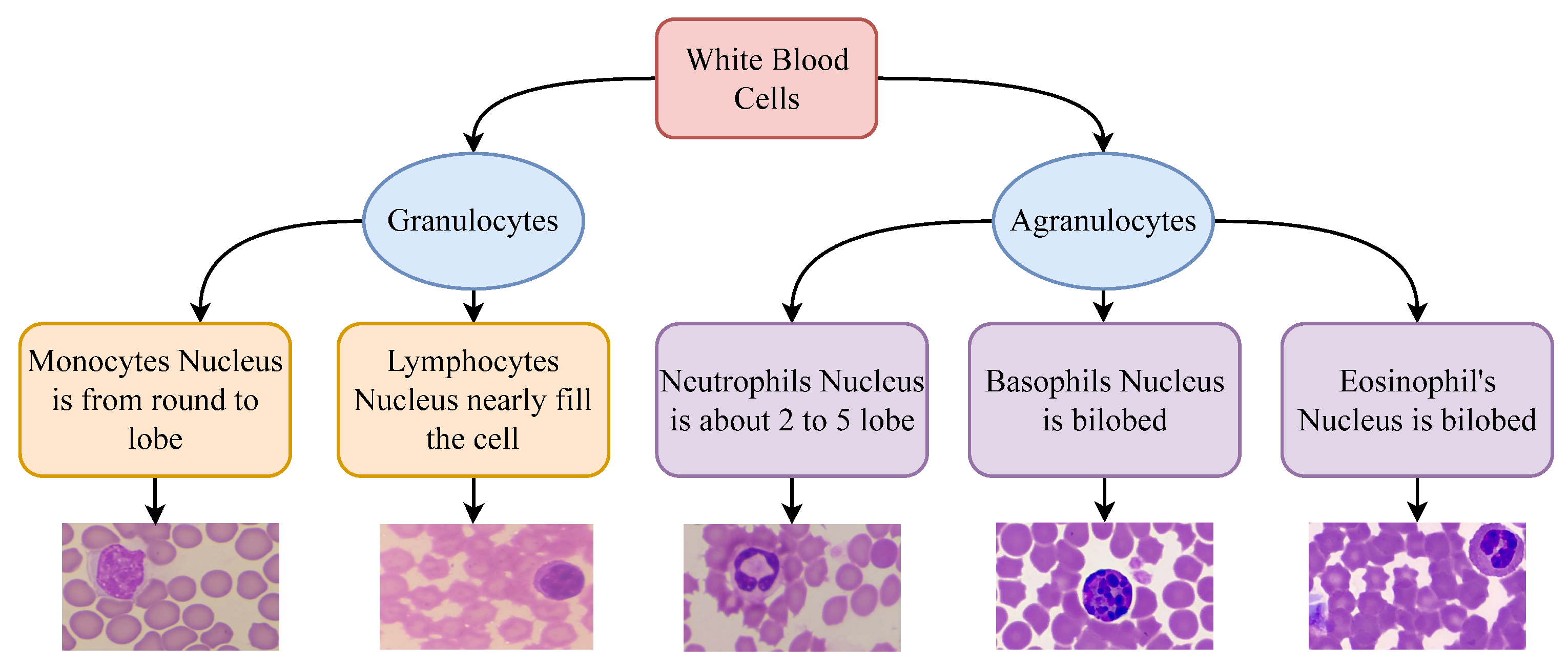
Before examining the five specific types, it is helpful to understand how hematologists classify leukocytes based on their physical appearance under a microscope. This classification depends on the presence or absence of "granules"—small sacs containing enzymes—within the cell's cytoplasm.
Granulocytes
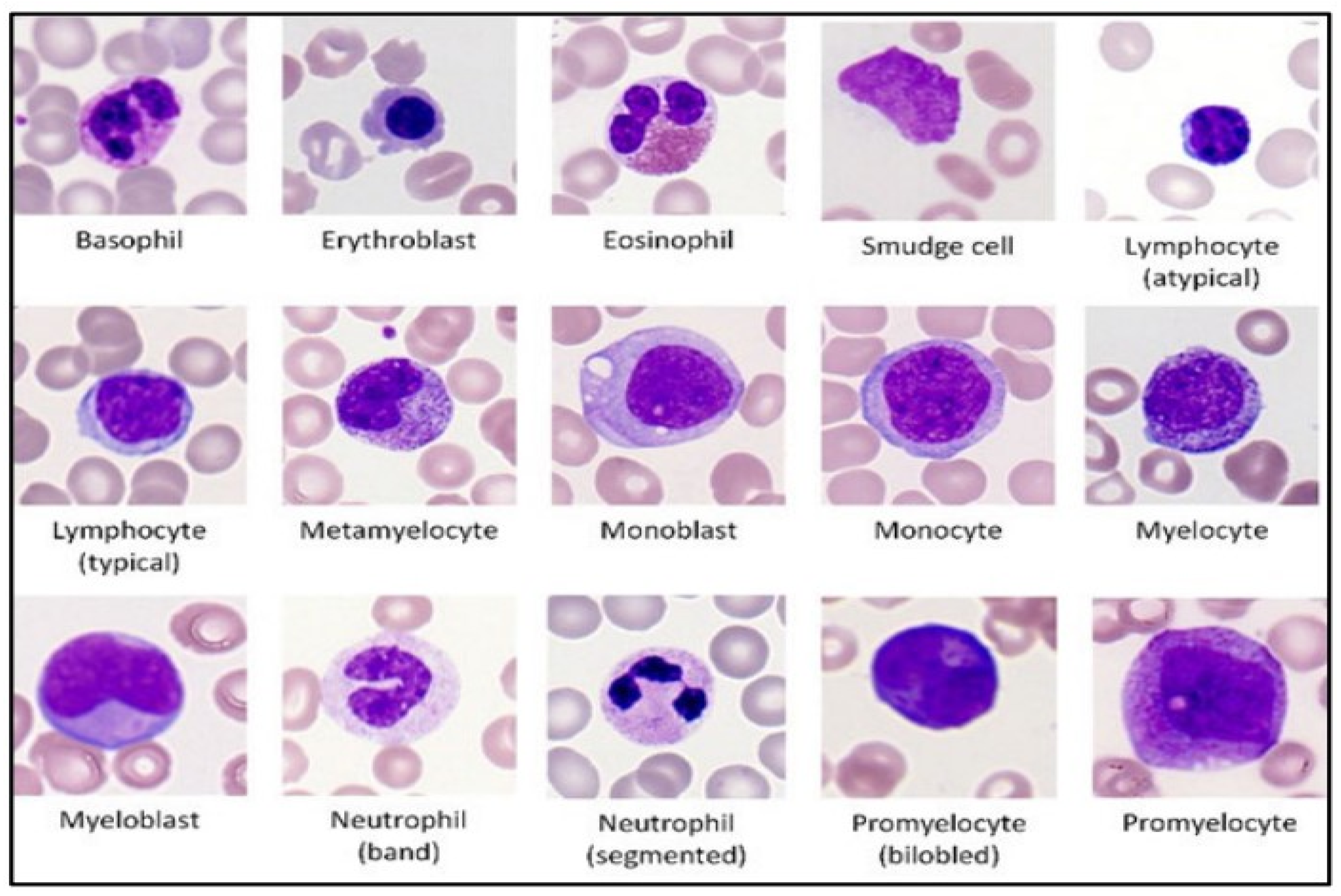
Granulocytes are characterized by the presence of granules in their cytoplasm and a multilobed nucleus. These granules contain powerful chemicals and enzymes that are released during an immune response to destroy invading microbes. The three types of granulocytes are:
- Neutrophils
- Eosinophils
- Basophils
Agranulocytes
Agranulocytes lack visible granules and typically have a large, non-lobed nucleus. These cells are more involved in long-term immune memory and the coordination of the immune response. The two types of agranulocytes are:
- Lymphocytes
- Monocytes
1. Neutrophils: The First Responders
Neutrophils are the most abundant type of white blood cell, typically making up 40% to 60% of the total WBC count in a healthy adult. They are the "infantry" of the immune system, usually the first cells to arrive at the site of an infection or injury.
Function and Mechanism
Neutrophils utilize a process called phagocytosis to neutralize threats. When they encounter a bacterium or fungus, they engulf it and use the enzymes within their granules to digest the pathogen. Beyond phagocytosis, neutrophils can also release "Neutrophil Extracellular Traps" (NETs)—web-like structures composed of DNA and proteins that trap and kill microbes outside the cell.
Clinical Significance
- High Neutrophil Count (Neutrophilia): This is most commonly caused by acute bacterial infections. It can also result from physical stress, major surgery, or chronic inflammation such as rheumatoid arthritis.
- Low Neutrophil Count (Neutropenia): This condition makes a person highly susceptible to infections. It can be caused by chemotherapy, certain medications, vitamin deficiencies (like B12 or folate), or bone marrow disorders.
2. Lymphocytes: The Architects of Immunity
Lymphocytes represent about 20% to 40% of the white blood cell population. They are the primary cells found in the lymph nodes and are responsible for adaptive immunity, which allows the body to "remember" previous infections.
Subtypes of Lymphocytes
Lymphocytes are further divided into three main categories:
- B Cells: These cells produce antibodies—specialized proteins that bind to specific antigens (like those on the surface of a virus) to neutralize them or mark them for destruction by other immune cells.
- T Cells: T cells are divided into "Helper T cells," which coordinate the immune response, and "Cytotoxic T cells," which directly kill body cells that have been infected by viruses or have become cancerous.
- Natural Killer (NK) Cells: Unlike B and T cells, NK cells are part of the innate immune system. They provide a rapid response to virally infected cells and tumor formation.
Clinical Significance
- High Lymphocyte Count (Lymphocytosis): Typically indicates a viral infection (such as mononucleosis or hepatitis), but can also be a sign of certain chronic infections or lymphocytic leukemia.
- Low Lymphocyte Count (Lymphocytopenia): Often seen in individuals with immunodeficiency disorders, including HIV/AIDS, or after prolonged treatment with steroids.
3. Monocytes: The Cleanup Crew
Monocytes make up about 2% to 8% of the total white blood cell count. They are the largest of the leukocytes and are known for their longevity and versatility.
Transition to Macrophages
Monocytes spend only a short time in the bloodstream (usually 1–3 days) before migrating into body tissues. Once in the tissue, they differentiate into macrophages or dendritic cells. Macrophages are essential for "cleaning up" the remains of dead cells, debris, and neutralized pathogens. They also play a critical role in "antigen presentation," where they show pieces of the destroyed pathogen to T cells to trigger a more specific immune response.
Clinical Significance
- High Monocyte Count (Monocytosis): This is often associated with chronic infections (like tuberculosis or fungal infections), inflammatory diseases (like inflammatory bowel disease), or certain blood disorders.
- Low Monocyte Count (Monocytopenia): Usually caused by conditions that lower the overall WBC count, such as bone marrow failure or systemic infections (sepsis).
4. Eosinophils: Parasite Fighters and Allergy Mediators
Eosinophils typically account for 1% to 4% of white blood cells. While their numbers are small, their specialized role is vital for defending against specific types of threats.
Function
Eosinophils are specifically designed to target multicellular parasites, such as parasitic worms (helminths). They do not engulf these large pathogens; instead, they attach to them and release toxic granules that burn through the parasite's outer layer. Eosinophils also play a significant role in modulating allergic reactions and asthma-related inflammation.
Clinical Significance
- High Eosinophil Count (Eosinophilia): This is frequently a diagnostic indicator of an active parasitic infection or an allergic reaction (such as hay fever, asthma, or drug sensitivity).
- Low Eosinophil Count (Eosinopenia): Generally considered less clinically significant than high counts but can occur during acute stressful situations or steroid use.
5. Basophils: The Inflammatory Triggers
Basophils are the rarest type of white blood cell, making up less than 1% (usually 0.5% to 1%) of the total count. Despite their rarity, they are incredibly powerful in managing the body’s inflammatory response.
Function
Basophils contain granules filled with histamine and heparin. Histamine is a vasodilator that increases blood flow to the site of an injury or infection, allowing other immune cells to reach the area faster. Heparin is an anticoagulant that prevents blood from clotting too quickly, ensuring that immune cells can move freely. These cells are central to the "immediate hypersensitivity" reactions seen in severe allergies and anaphylaxis.
Clinical Significance
- High Basophil Count (Basophilia): This is rare but may be seen in myeloproliferative disorders (such as polycythemia vera) or during the healing phase of an infection.
- Low Basophil Count (Basopenia): Difficult to detect because normal levels are already very low, but it may occur during severe allergic reactions or hyperthyroidism.
Summary Comparison of White Blood Cell Types
The following table provides a quick reference for the distribution and primary functions of the five types of leukocytes.
| Cell Type | % of Total WBCs | Category | Primary Target/Function |
|---|---|---|---|
| Neutrophil | 40% – 60% | Granulocyte | Bacteria and fungi; first responders via phagocytosis. |
| Lymphocyte | 20% – 40% | Agranulocyte | Viruses, tumor cells; antibody production and memory. |
| Monocyte | 2% – 8% | Agranulocyte | Chronic infections; debris cleanup; matures into macrophages. |
| Eosinophil | 1% – 4% | Granulocyte | Parasites; allergic reactions; asthma modulation. |
| Basophil | 0.5% – 1% | Granulocyte | Inflammation and allergic response; releases histamine. |
The Production Process: Hematopoiesis
All white blood cells originate from a single type of cell in the bone marrow called the multipotent hematopoietic stem cell. This process, known as hematopoiesis, is a highly regulated sequence where stem cells receive chemical signals (cytokines) that tell them which type of blood cell to become.
For example, when the body detects a bacterial infection, it releases "Granulocyte Colony-Stimulating Factor" (G-CSF), which signals the bone marrow to ramp up the production of neutrophils. As we move through 2026, medical professionals increasingly use synthetic versions of these growth factors to help patients with low white blood cell counts recover more quickly after treatments like chemotherapy.
Factors That Affect Your White Blood Cell Count
Your WBC count is not static; it fluctuates based on internal and external factors. Understanding these variables is key to maintaining a healthy immune system.
- Infection: This is the most common cause of fluctuations. A sudden spike in WBCs is usually the body’s way of fighting off a pathogen.
- Stress: Severe physical or emotional stress can trigger the release of cortisol, which may temporarily alter WBC levels.
- Medication: Corticosteroids, immunosuppressants, and chemotherapy drugs are well-known for lowering WBC counts.
- Nutrition: Deficiencies in vitamins B12, B9 (folate), and copper can impair the bone marrow's ability to produce leukocytes.
- Exercise: Intense physical activity can cause a temporary increase in WBCs as they are released from the "marginal pool" (walls of blood vessels) into active circulation.
Diagnostic Procedures: The WBC Differential
When a doctor suspects an issue with your immune system, they order a CBC with Differential. A standard CBC counts the total number of white blood cells, but the "differential" breaks that total down into the five types discussed above.
A normal total WBC count for an adult is typically between 4,500 and 11,000 cells per microliter (mcL). However, the differential is often more telling than the total. For instance, a person might have a normal total count, but a significantly elevated eosinophil count, suggesting a hidden parasite or allergy rather than a bacterial infection.
Medical Disclaimer: This information is for educational purposes only and does not constitute medical advice. Always consult with a qualified healthcare provider regarding blood test results or immune health concerns.
Frequently Asked Questions
Which type of white blood cell is the most common?
Neutrophils are the most common white blood cell, typically making up 40% to 60% of the total leukocyte count. They are the primary defense against bacterial infections and are the first cells to migrate to an area of inflammation.
What is the difference between a high WBC count and a low WBC count?
A high WBC count (leukocytosis) usually indicates that the body is responding to an infection, inflammation, injury, or extreme stress. A low WBC count (leukopenia) suggests that the body is not producing enough cells or they are being destroyed faster than they can be replaced, which increases the risk of infection.
Can lifestyle choices change my white blood cell levels?
Yes. Adequate sleep, a balanced diet rich in micronutrients (like zinc and Vitamin C), and moderate exercise support healthy bone marrow function. Conversely, chronic smoking and heavy alcohol consumption can impair the production and effectiveness of white blood cells.
How do white blood cells know where to go?
White blood cells use a process called chemotaxis. When tissues are damaged or infected, they release chemical "signals." Leukocytes detect these signals and move toward the higher concentration of the chemicals, effectively "smelling" their way to the problem site.
Are white blood cells only found in the blood?
No. While they circulate in the blood, many white blood cells reside in the lymphatic system, including the lymph nodes, spleen, and thymus. Many types, like monocytes (macrophages) and lymphocytes, spend the majority of their functional lives in the body's tissues rather than the bloodstream.
Practical Next Actions
If you have recently received blood work and notice your white blood cell counts are outside the normal range, the first step is to avoid self-diagnosis. WBC levels can fluctuate due to minor factors like a recent cold or dehydration. Review your results with your physician, who will correlate the data with your symptoms and physical exam. If counts remain abnormal over multiple tests, a referral to a hematologist (a specialist in blood disorders) may be necessary to investigate bone marrow function or chronic immune conditions.
Image Gallery