Comprehensive Guide to Deploying and Utilizing a Siege Tracker in 2026
A siege tracker is an advanced tactical tool or digital utility used to monitor, log, and analyze competitive pressures, resource depletion rates, or defense metrics during high-intensity scenarios. Whether applied in strategic simulat...
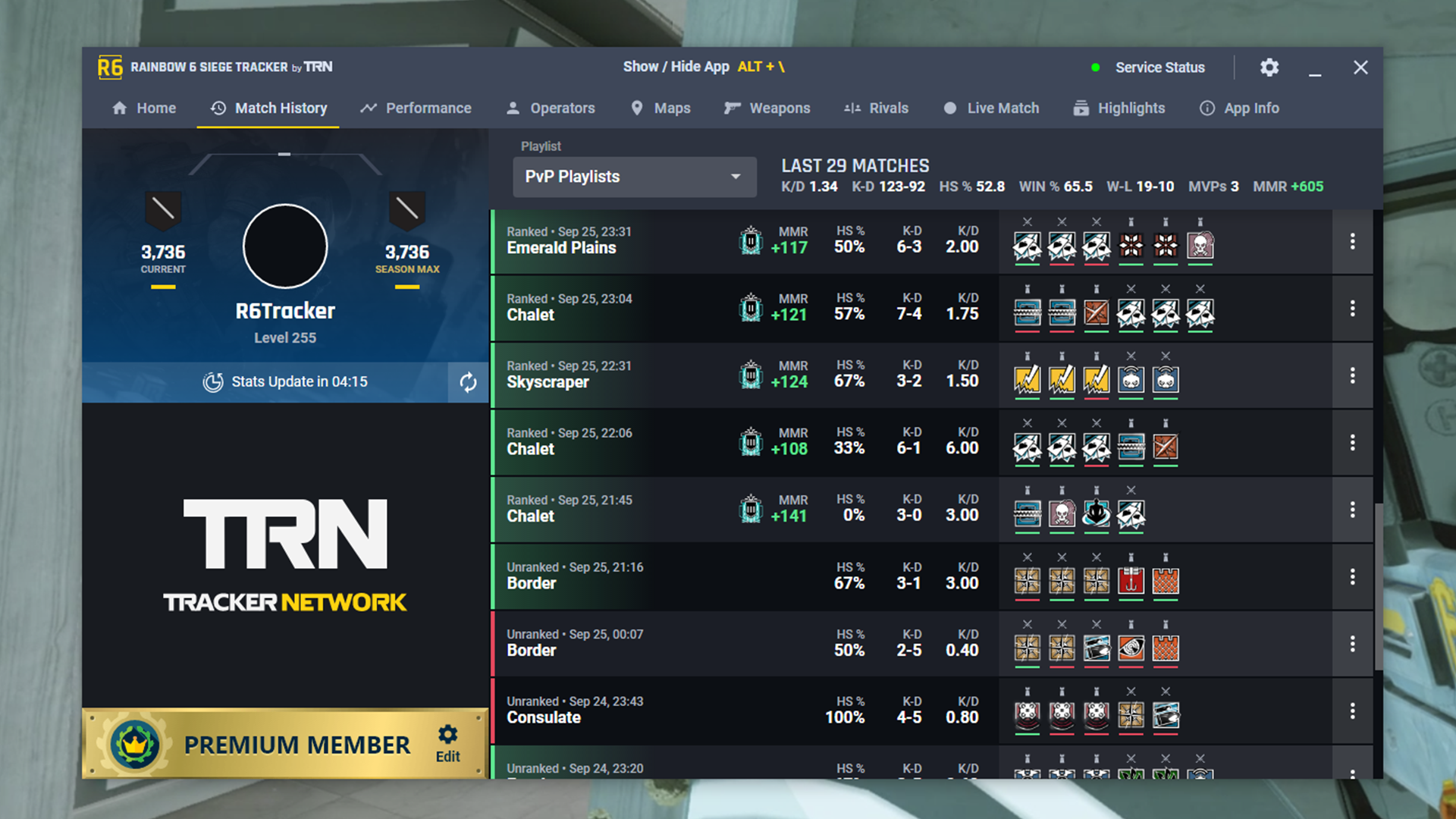
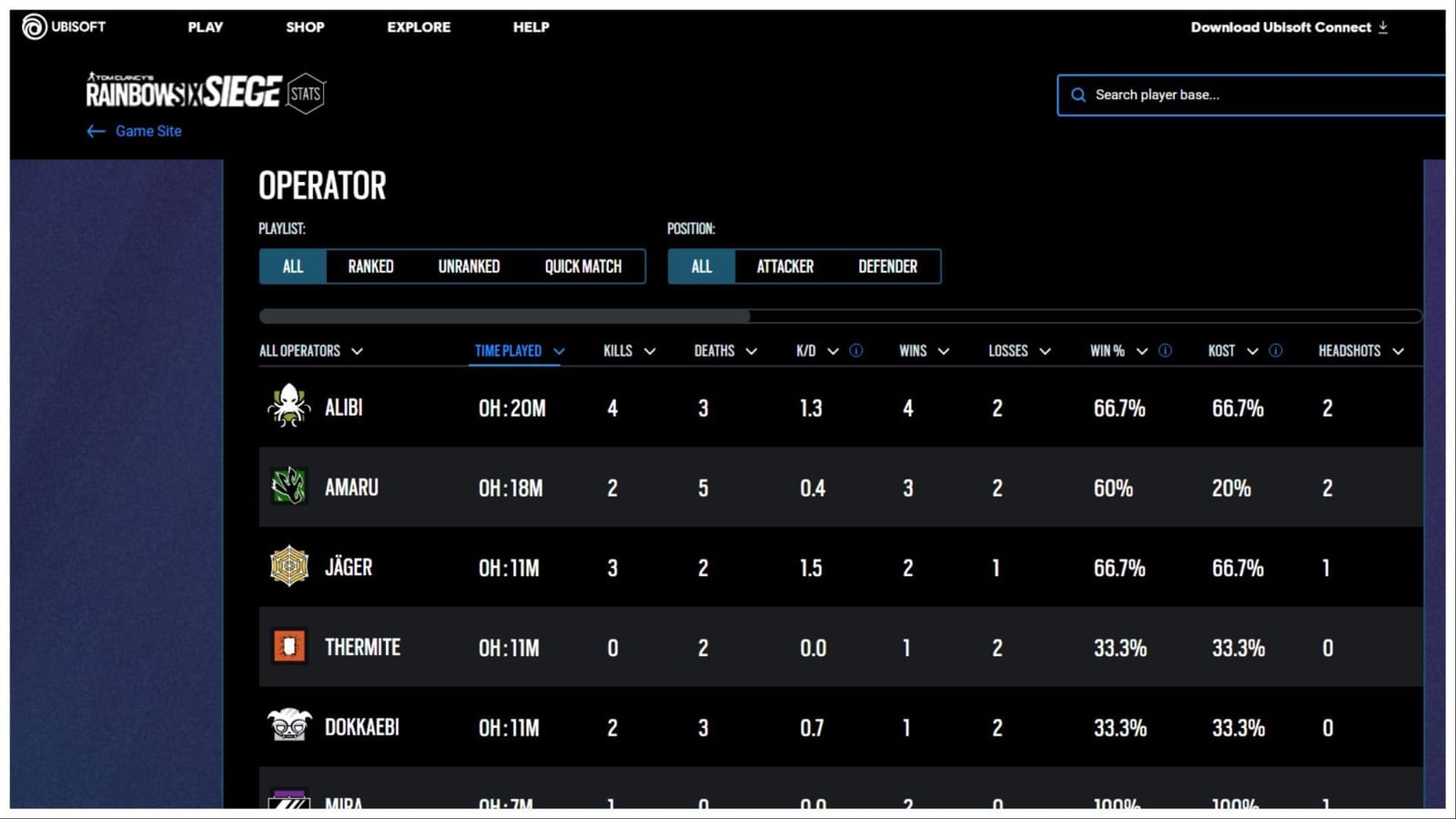
A siege tracker is an advanced tactical tool or digital utility used to monitor, log, and analyze competitive pressures, resource depletion rates, or defense metrics during high-intensity scenarios. Whether applied in strategic simulation games, cybersecurity stress-testing environments, or operational logistics, a properly configured siege tracker delivers real-time telemetry to maintain situational awareness and optimize strategic response times.
Contents
Understanding the Core Architecture of Modern Siege Trackers
Modern siege tracking frameworks rely on telemetry pipelines, event listeners, and data visualization layers to convert raw telemetry into actionable insights. At its foundation, the architecture consists of three primary tiers: the data ingestion layer, the processing engine, and the user interface presentation layer.
The data ingestion layer captures incoming events, such as resource expenditure rates, defensive wall integrity values, unit movement vectors, or network packet injection frequency depending on the domain. The processing engine normalizes this incoming stream, cross-referencing values against baseline thresholds to calculate time-to-failure metrics and predicted breach windows. Finally, the visualization layer renders these calculations via dynamic dashboards, providing operators with immediate visual cues regarding system vulnerabilities.
Maintaining high fidelity in data collection requires minimizing latency between event occurrence and dashboard rendering. Advanced systems utilize asynchronous event streaming architectures, ensuring that high-volume telemetry surges do not cause processing bottlenecks or delayed tactical alerts.
Key Technical Specifications and Feature Matrix
Evaluating a deployment-ready tracking solution requires comparing core capabilities against operational demands. The following table contrasts standard tracking models with enterprise-grade monitoring systems.
| Feature / Metric | Standard Tracker | Enterprise Siege Tracker |
|---|---|---|
| Data Latency | 2 to 5 seconds | Sub-50 milliseconds |
| Concurrency Support | Up to 100 simultaneous endpoints | Unlimited scaling via containerized nodes |
| Alert Customization | Basic threshold notifications | Multi-channel programmatic triggers (Webhooks, SMS, API) |
| Historical Logging | Rolling 24-hour buffer | Persistent time-series database storage |
| API Integration | Limited REST endpoints | Comprehensive GraphQL and RESTful SDKs |
Understanding these technical differentiators ensures that organizations select a framework capable of handling heavy event loads without dropping critical telemetry data during peak operational windows.
Step-by-Step Implementation and Configuration Workflow
Deploying a tracking solution requires a structured approach to provisioning infrastructure, defining monitoring parameters, and establishing alerting thresholds. Follow this sequential workflow to achieve a stable deployment:
- Infrastructure Provisioning: Deploy the tracking engine on a dedicated virtual private server or container orchestration platform with low network latency relative to the monitored systems.
- Endpoint Configuration: Register the target systems, servers, or simulation environments within the tracking configuration file, assigning unique identifiers to each monitored node.
- Threshold Calibration: Define baseline parameters for resource consumption, defensive integrity, and attack frequency. Establish warning thresholds at 75% and critical thresholds at 90% of maximum capacity.
- Telemetry Stream Verification: Initiate a controlled test payload or simulation run to verify that incoming data populates the dashboard correctly without dropped packets or parsing errors.
- Alert Routing Setup: Configure notification channels, routing critical alerts directly to administrative or operational response teams via secure messaging protocols.
Optimizing Telemetry Accuracy and Troubleshooting Common Failures
Achieving maximum operational efficiency demands rigorous maintenance of data pipelines and rapid identification of sensor drift or network bottlenecks. When telemetry streams become unreliable, operators must systematically isolate the root cause.
- Sensor Desynchronization: If timestamps across nodes drift, time-series analysis becomes inaccurate. Implement Network Time Protocol (NTP) synchronization across all monitored endpoints to maintain microsecond-level accuracy.
- Buffer Overflow Issues: High-frequency telemetry can saturate memory buffers on resource-constrained logging agents. Increase local buffer allocations and implement data compression algorithms before transmission over WAN connections.
- False Positive Fatigue: Overly sensitive alerting thresholds can inundate operators with non-critical notifications. Refine trigger conditions by incorporating multi-variable correlation rules rather than relying on single-metric triggers.
Adhering to these troubleshooting methodologies ensures long-term system stability and reduces the risk of overlooking critical vulnerability indicators during high-pressure events.
Frequently Asked Questions
What is the primary function of a siege tracker in operational environments?
A siege tracker monitors, logs, and analyzes high-intensity pressure metrics, resource degradation, and defensive integrity in real-time. It provides actionable telemetry that allows operators to anticipate structural or systemic breaches before they occur.
How does latency impact the effectiveness of a tracking system?
High data latency delays the presentation of critical telemetry, leaving operators with outdated information during rapidly evolving scenarios. Low-latency architectures ensure that defensive adjustments or resource allocations occur within milliseconds of an event trigger.
Can custom alert thresholds be configured for specific operational requirements?
Yes, modern tracking platforms allow administrators to define custom threshold triggers based on specific resource consumption limits, attack frequencies, or structural integrity percentages to match unique deployment environments.
What hardware or infrastructure is required to host a tracking engine?
Deployment requirements depend on the volume of incoming telemetry, but standard configurations typically utilize scalable virtual private servers or containerized microservices environments equipped with dedicated time-series databases for long-term logging.
How are false positive alerts minimized within advanced tracking configurations?
Operators minimize false positives by implementing multi-variable correlation rules and dynamic threshold adjustments, ensuring that alerts require concurrent validation from multiple data points before triggering notifications.
Strategic Deployment Recommendations
Succeeding with a siege tracking implementation requires aligning technical capabilities with clear operational objectives. Prioritize robust infrastructure provisioning, maintain strict time synchronization across all monitored endpoints, and continuously refine alert thresholds to prevent operator fatigue. By maintaining a disciplined approach to telemetry management, teams can successfully safeguard resources and maintain absolute operational visibility under any conditions.
Image Gallery