Guide to MetLife Life Insurance Claim Forms and Payout Procedures
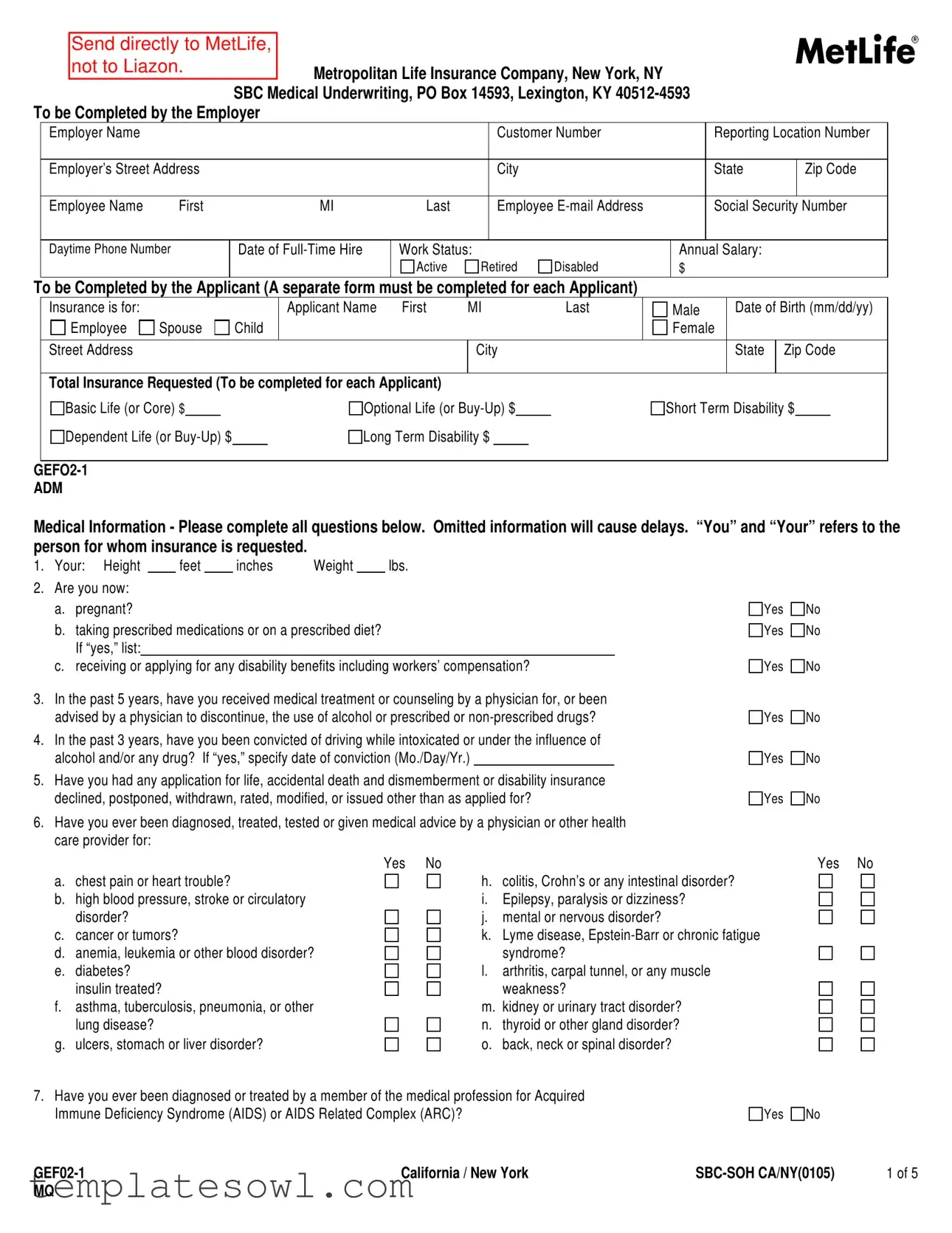
To file a MetLife life insurance claim in 2026, beneficiaries must complete a Claimant’s Statement (typically Form FEF-CLAIM) and provide a certified death certificate. You can initiate this process online through the MetLife Claims Po...
To file a MetLife life insurance claim in 2026, beneficiaries must complete a Claimant’s Statement (typically Form FEF-CLAIM) and provide a certified death certificate. You can initiate this process online through the MetLife Claims Portal or by contacting the employer for group policies. Most claims are processed within 10 to 15 business days once all verified documentation is received.
Contents
Navigating the aftermath of a loved one's passing is an emotionally taxing experience, and the added administrative burden of filing an insurance claim can feel overwhelming. MetLife, as one of the largest life insurance providers globally, has streamlined its claims process to be relatively direct, though it remains rigid regarding documentation. Understanding the specific forms, the evidentiary requirements, and the various settlement options is essential to ensuring a timely payout of the death benefit. Whether you are dealing with a private individual policy or a group policy provided by an employer, the core requirements remain consistent, focused on verifying the identity of the deceased, the validity of the policy, and the eligibility of the beneficiary.
Locating the Correct MetLife Claim Forms
The first step in the process is identifying which specific form applies to your situation. MetLife categorizes its life insurance products into two primary buckets: individual policies purchased directly and group policies provided through an employer or organization. The forms and the point of contact differ significantly between these two.
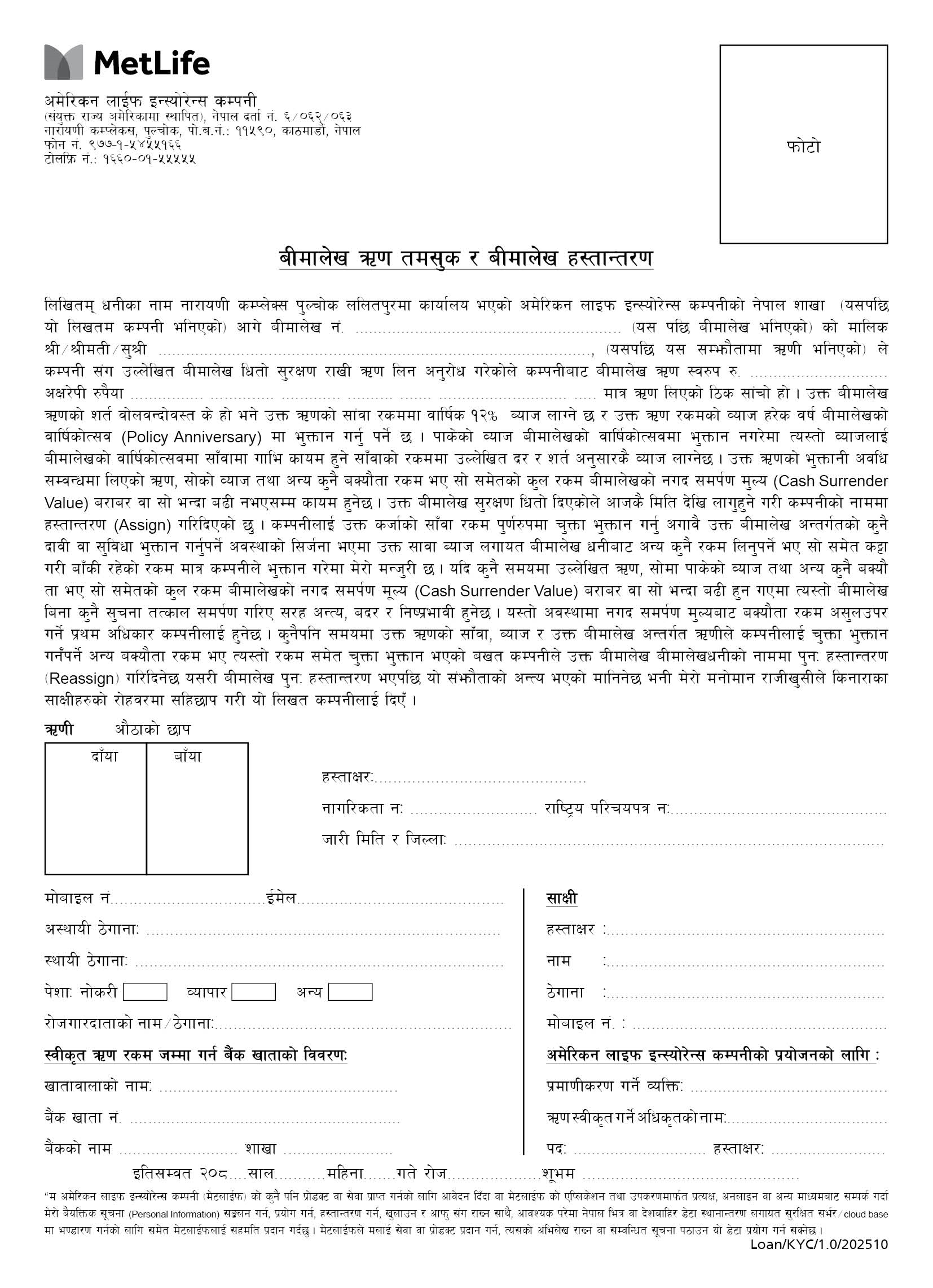
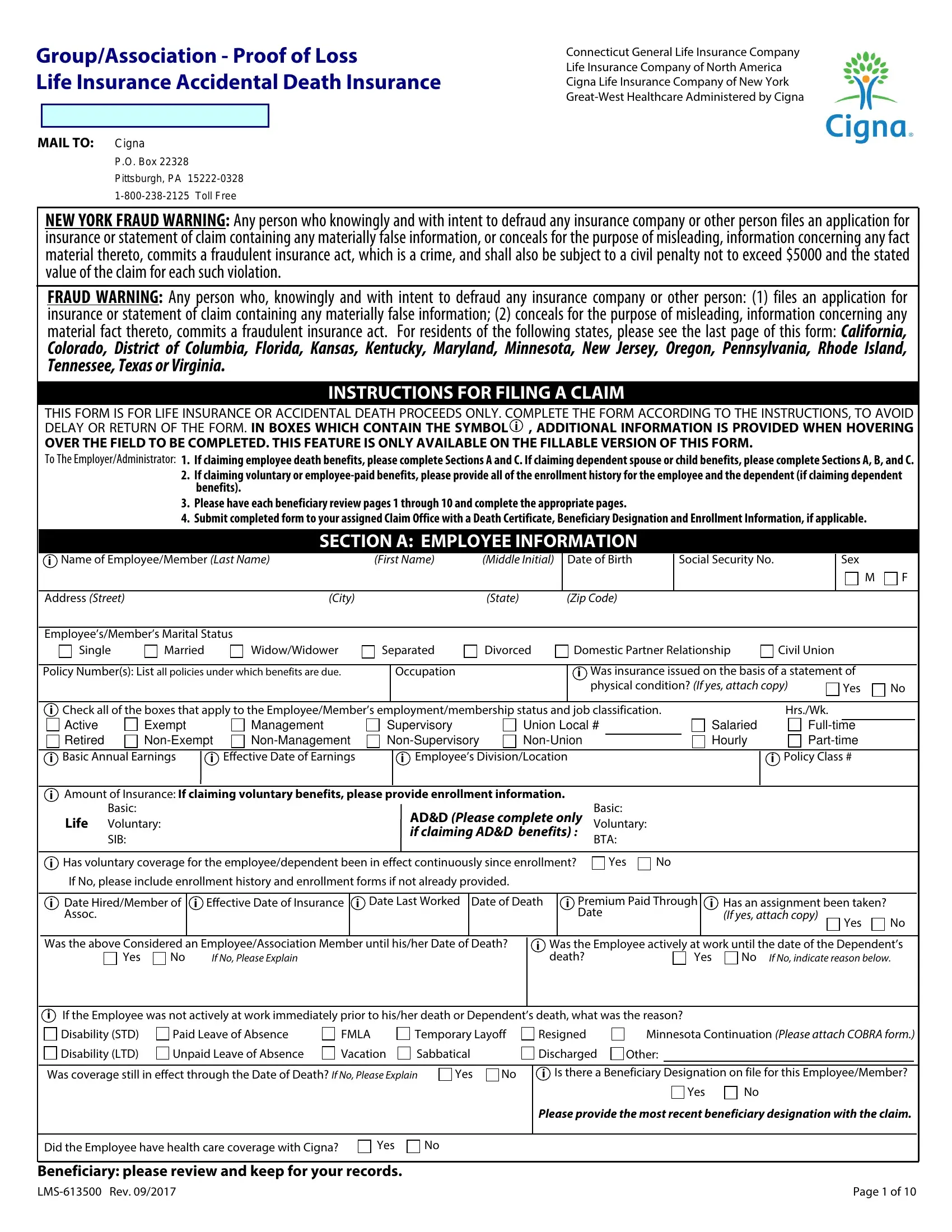
For Group Life Insurance, which is often part of an employee benefits package, the claim process frequently begins with the employer's Human Resources (HR) department. In many cases, the employer must verify the employee's coverage status and the amount of the benefit before the beneficiary can proceed. The HR representative will often provide the necessary "Life Insurance Claim Form" or "Claimant Statement." Alternatively, beneficiaries can visit the MetLife Group Life Claims portal, where they can enter the employer's name or a specific access code to download the correct PDF versions of the forms.
For Individual Life Insurance policies, the process is usually managed directly through MetLife’s personal insurance division. Beneficiaries can access these forms by logging into the MetLife MyBenefits portal or the general "Life Insurance Claims" page on the official MetLife website. If you do not have a login, MetLife provides a "Report a Death" tool that allows you to start the notification process without an account. Once the death is reported and the policy is located by MetLife’s records department, they will typically mail or email a customized "Claim Kit" containing all necessary forms.
Required Documentation and Evidence
Before you begin filling out the claimant’s statement, you must gather several supporting documents. MetLife’s claims department cannot process a payout without official verification of the event and the legal standing of the person making the claim.
- Certified Death Certificate: This is the most critical document. MetLife generally requires a certified copy, which includes a raised seal or a multi-colored signature from the registrar’s office. A simple photocopy is often insufficient unless the policy amount falls below a specific threshold (often $50,000 or $100,000, depending on current 2026 internal guidelines). The death certificate must clearly state the cause and manner of death. If the death is ruled "Pending Investigation," MetLife will hold the claim until a final cause is determined.
- Original Policy Document: While not always mandatory if MetLife has the digital record on file, having the original policy can speed up the verification of the policy number and coverage riders. If the policy is lost, you may be required to sign a "Lost Policy Statement" or an affidavit as part of the claim form.
- W-9 Form (Request for Taxpayer Identification Number and Certification): Although life insurance death benefits are generally not subject to federal income tax, any interest earned on the benefit between the date of death and the date of payout is taxable. MetLife requires a W-9 to report this interest to the IRS.
- Beneficiary Identification: You will need to provide your Social Security Number (SSN), current address, and a copy of a government-issued photo ID (such as a driver’s license or passport) to prevent fraudulent claims.
Deep Dive into the Claimant’s Statement (Form FEF-CLAIM)
The Claimant’s Statement is the primary document where you formally request the payout. In 2026, most versions of this form are divided into five or six distinct sections, each requiring meticulous accuracy. Errors in these sections are the most common cause of processing delays.
Section 1: Information About the Deceased This section requires the full legal name of the insured, their Social Security Number, date of birth, and date of death. You must also specify the policy number. If the deceased had multiple policies with MetLife, you should list all applicable numbers to ensure they are processed simultaneously.
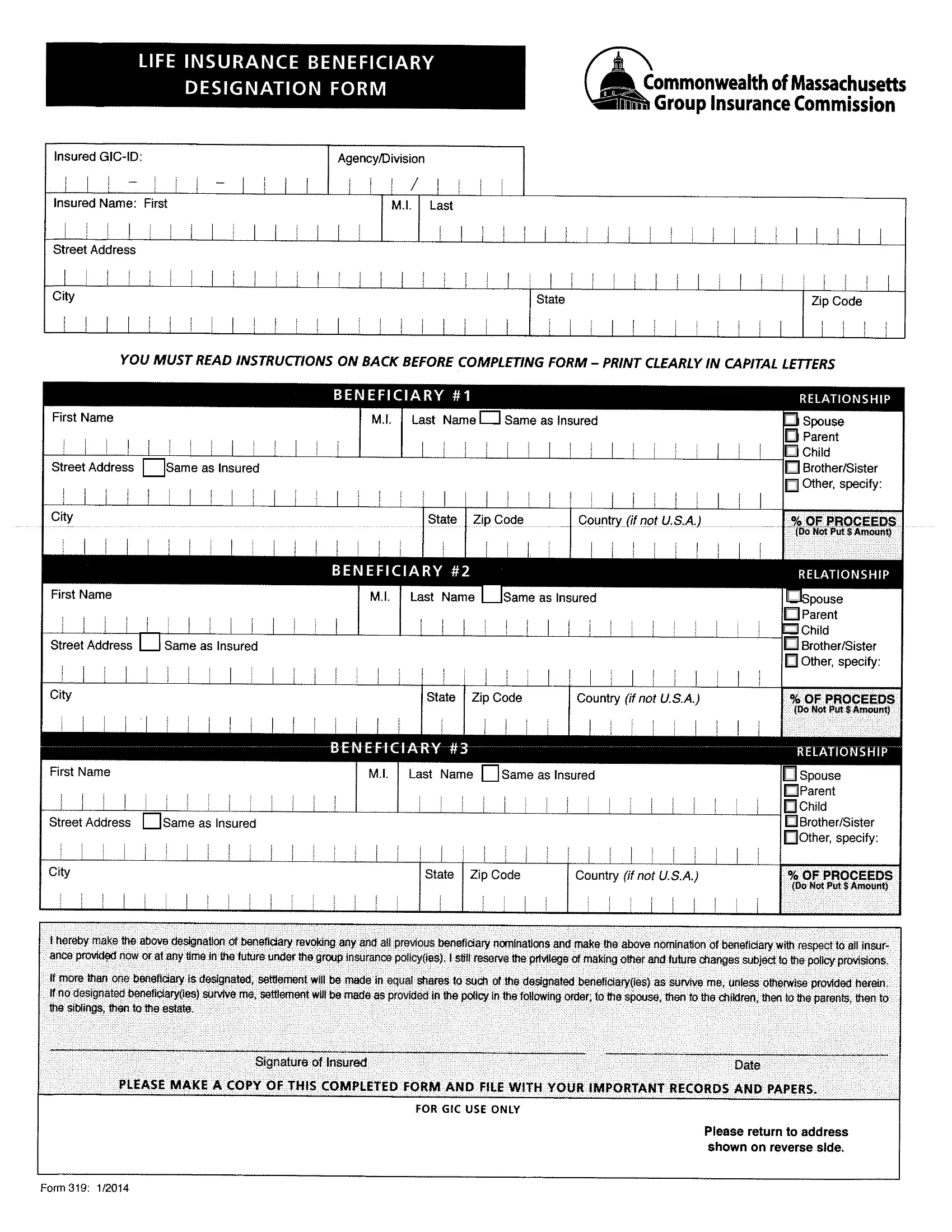
Section 2: Information About the Beneficiary You must provide your legal name, relationship to the deceased (e.g., spouse, child, sibling, or trustee), and contact information. If the beneficiary is a Trust or an Estate, you must provide the formal name of the entity and the Taxpayer Identification Number (TIN). If you are filing on behalf of a minor child, additional court-appointed guardianship papers or Uniform Transfers to Minors Act (UTMA) documentation will be required.
Section 3: Cause and Manner of Death MetLife asks for specific details regarding the circumstances of death. This is particularly important for policies with an "Accidental Death and Dismemberment" (AD&D) rider. If the death resulted from an accident, you may need to provide police reports or toxicology results. If the death occurred within the "Contestability Period"—usually the first two years of the policy’s life—MetLife will conduct a more thorough investigation into the original medical application to ensure no material misrepresentations were made.
Section 4: Settlement Options This is where you decide how you want to receive the money. MetLife offers several methods, and your choice can have significant long-term financial implications. (See the comparison table below for details).
Understanding Settlement and Payout Options
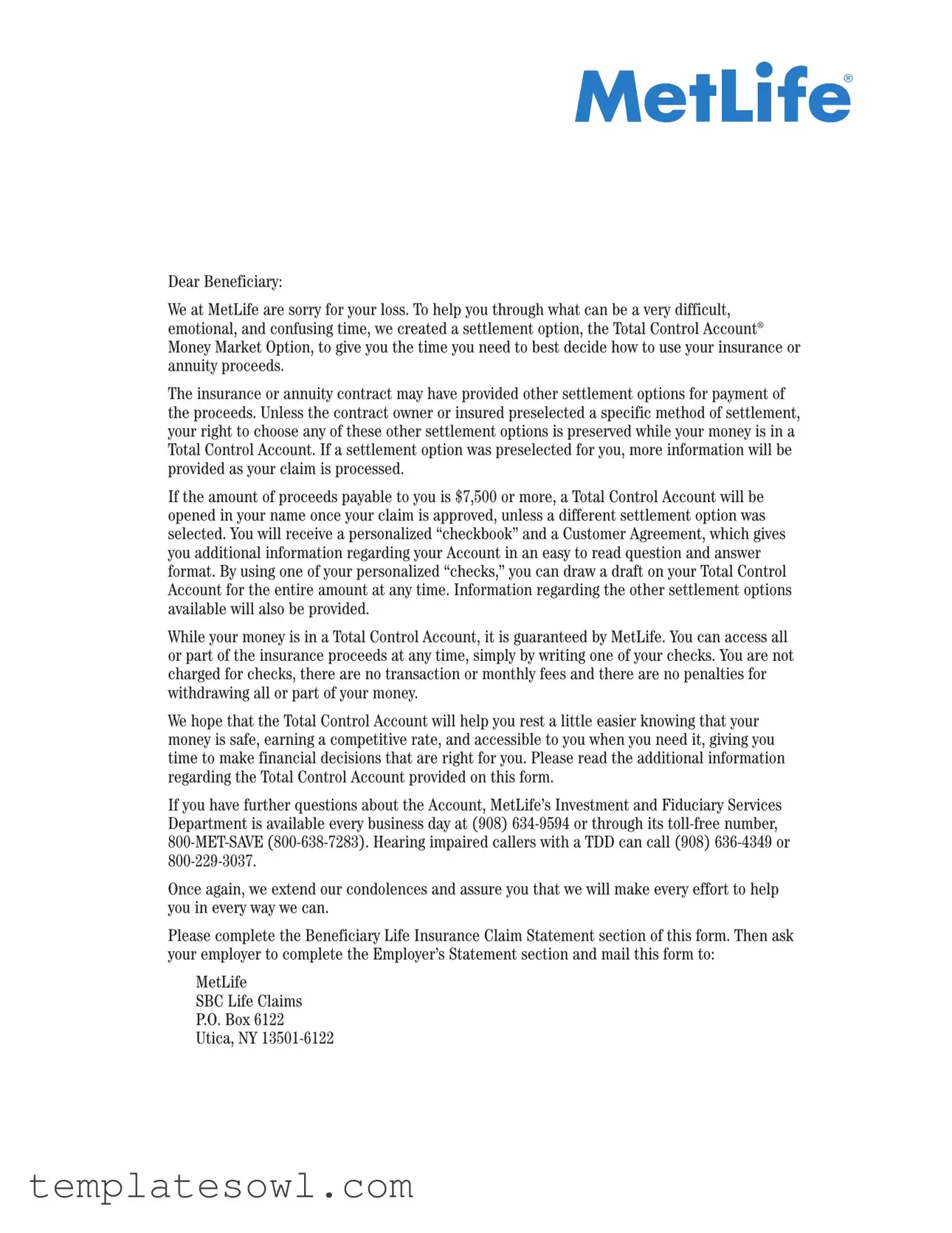
MetLife provides several ways to receive the death benefit. In 2026, the default for many group policies remains the Total Control Account (TCA), though Lump Sum payments are the most frequently requested.
| Payout Option | Description | Best For |
|---|---|---|
| Lump Sum Check | A single payment for the total death benefit plus any accrued interest, sent via mail or direct deposit. | Immediate needs, debt payoff, or independent reinvestment. |
| Total Control Account (TCA) | An interest-bearing draft account. You receive a book of drafts (similar to checks) to access funds at your own pace. | Those who need time to decide on long-term financial plans. |
| Installment Payouts | The benefit is paid out over a fixed period (e.g., 5, 10, or 20 years) or in a fixed amount until exhausted. | Providing a steady "income" stream for survivors. |
| Life Income Option | MetLife converts the benefit into an annuity that provides payments for the remainder of the beneficiary’s life. | Ensuring long-term financial security for a surviving spouse. |
| Interest Income | MetLife holds the principal and pays out only the interest earned at regular intervals. | Preserving the principal for secondary beneficiaries. |
The Total Control Account is a signature MetLife product. It acts like a money market account. While the funds are liquid and you can write a draft for the full amount at any time, the account is not a bank account and is not insured by the FDIC. Instead, it is backed by the financial strength of MetLife and protected by state insurance guaranty associations.
Submission Methods and Digital Uploads
By 2026, MetLife has prioritized digital submission to reduce paper waste and speed up processing. Once you have completed the forms and scanned your documents, you can use the MetLife Document Upload Tool. This is the most secure and efficient method, as it provides an immediate confirmation of receipt and assigns a tracking number to your claim.
If you prefer traditional methods, you can submit the documents via:
- Standard Mail: MetLife Group Life Claims, P.O. Box 6100, Scranton, PA 18505-6100.
- Overnight Delivery: For time-sensitive claims, use the Scranton address with the attention of "Life Claims Department."
- Fax: While less common now, MetLife still maintains dedicated fax lines for certain group policy claims. Ensure you include a cover sheet with the policy number and your contact information.
Processing Timelines and Troubleshooting Delays
Under standard conditions in 2026, MetLife aims to process a clean claim—meaning one where all forms are correct and no further investigation is needed—within 10 business days. However, several factors can extend this timeline to weeks or even months.
Common Causes of Delay:
- The Two-Year Contestability Clause: If the policy was issued or reinstated within two years of the death, MetLife will review the original medical records. This is a legal right designed to prevent insurance fraud.
- Homicide or Suspicious Death: If the beneficiary is a person of interest in a law enforcement investigation regarding the death, MetLife will legally "interplead" the funds (place them with a court) or hold payment until the beneficiary is cleared.
- Missing Beneficiaries: If there are multiple beneficiaries and one cannot be found, MetLife may pay out the proportional shares of the others while holding the remainder.
- Incomplete Forms: Missing signatures, unchecked boxes in the Settlement Option section, or a missing W-9 are the most frequent administrative hurdles.
If your claim is delayed, you should check the status through the MetLife MyBenefits portal or contact their life insurance claims customer service center. It is helpful to have the claim number or the deceased’s Social Security Number ready when you call.
Frequently Asked Questions
How do I find a lost MetLife life insurance policy? If you suspect a loved one had a policy but cannot find the paperwork, start by checking their bank statements for premium payments. You can also use the National Association of Insurance Commissioners (NAIC) Life Insurance Policy Locator to search for any unclaimed benefits across all major carriers, including MetLife.
Is the life insurance payout taxable? Generally, the death benefit itself is not subject to federal income tax. However, any interest that accrues on the benefit from the date of death until the date of payment is taxable as ordinary income. MetLife will issue a Form 1099-INT if the interest paid exceeds $10 in a calendar year.
Can I file a claim if the deceased died in a foreign country? Yes, but the documentation requirements are stricter. You will likely need a "Report of Death of an American Citizen Abroad" issued by the U.S. Embassy or Consulate, or a foreign death certificate that has been officially translated into English and authenticated (apostilled).
What happens if the primary beneficiary passed away before the insured? If the primary beneficiary is deceased, the benefit is paid to the "contingent beneficiaries" listed on the policy. If no contingent beneficiaries were named, the benefit typically becomes part of the deceased's estate and is distributed according to their will or state intestacy laws.
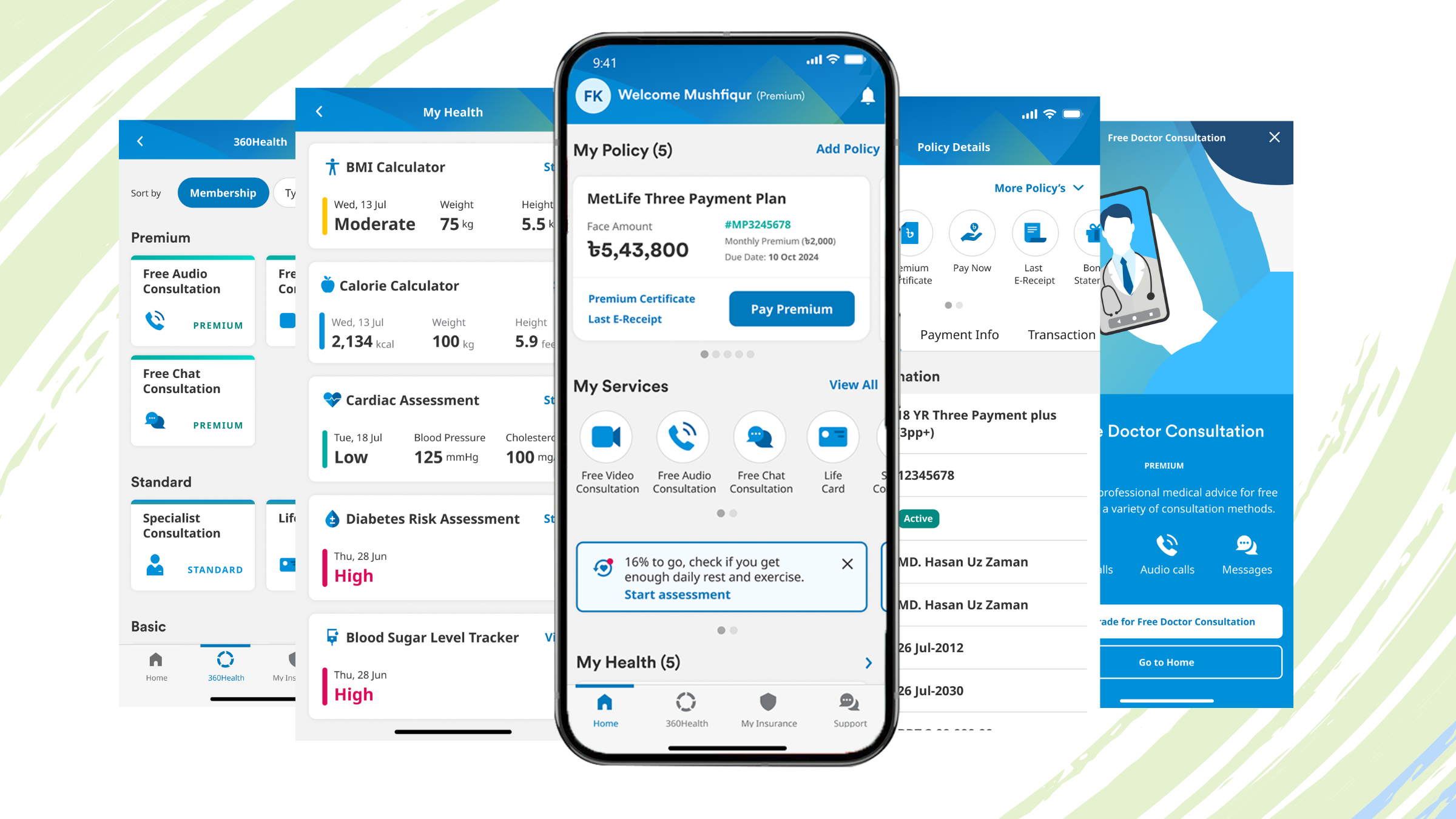
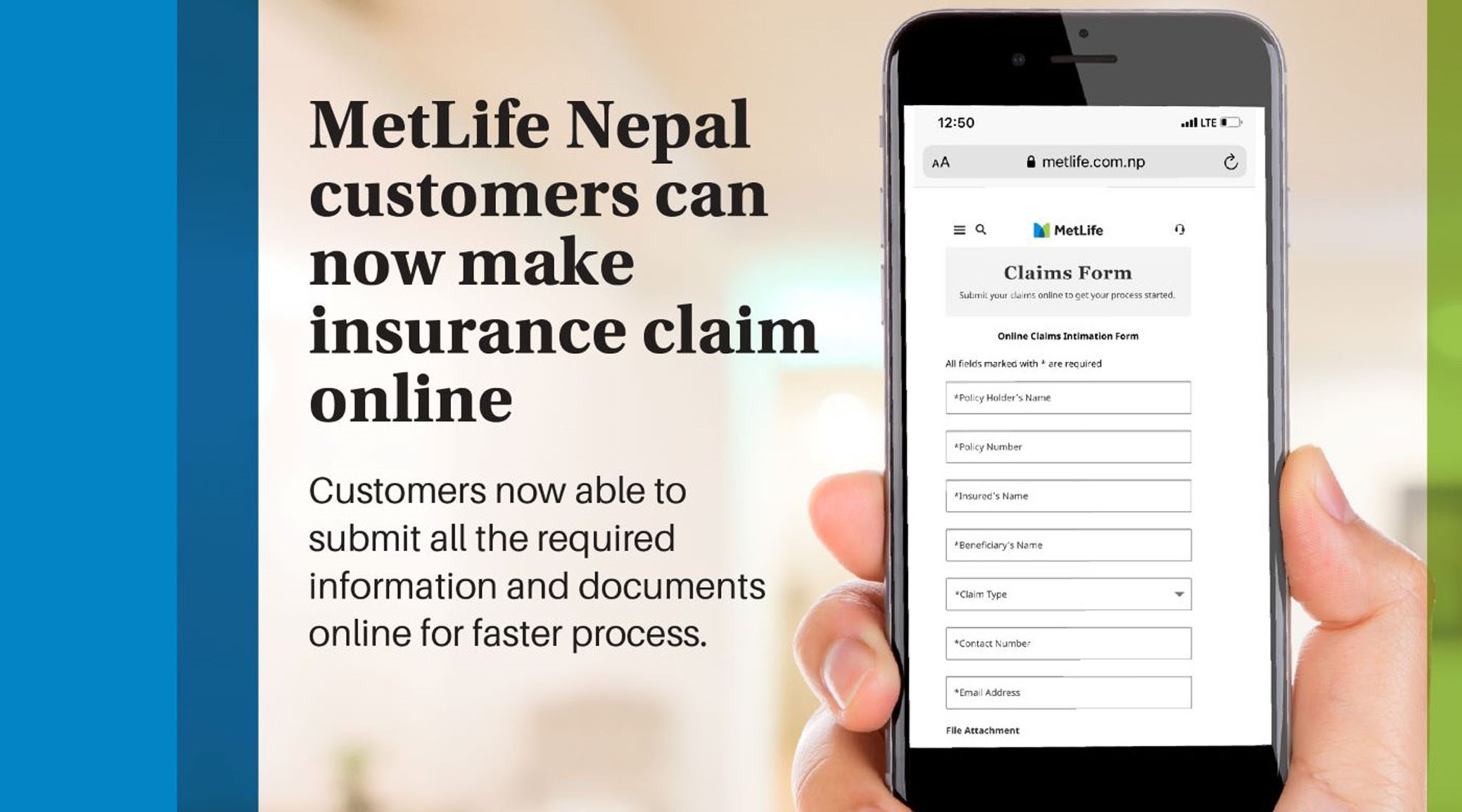
Can I submit a claim through my mobile phone? MetLife’s mobile application allows beneficiaries to upload photos of documents and track the status of an existing claim. However, for the initial "Report a Death" stage, it is often more reliable to use the full desktop version of the MetLife website or call their dedicated claims line.
Practical Recommendation
Before submitting your MetLife claim forms, perform a final audit of your packet. Ensure every page of the Claimant’s Statement is signed and dated, and verify that the death certificate is a "certified" version rather than a photocopy. If the benefit is substantial, consider consulting with a financial advisor before selecting the Total Control Account or an annuity option. Once you submit, wait five business days and then log into the MetLife portal to verify that your documents have been scanned into their system. If you haven't received a status update within two weeks, call the claims department to ensure no additional information, such as medical records or an IRS Form W-9, is required to move the process forward.
Image Gallery