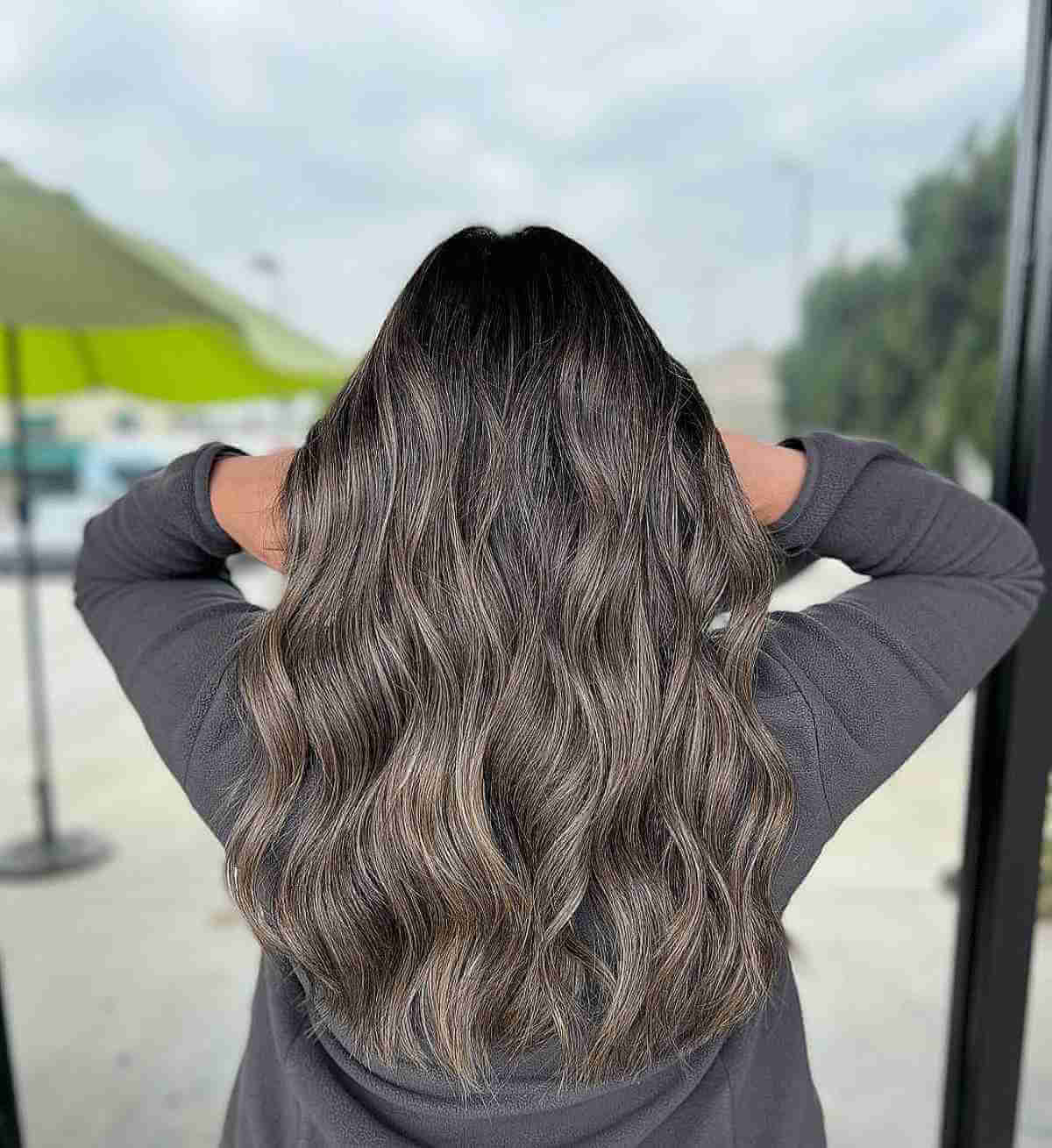
Ash Highlights for Dark Brown Hair: The Ultimate 2026 Color and Maintenance Guide
Incorporating ash highlights into dark brown hair offers a modern, high-contrast yet sophisticated look by introducing cool, smoky undertones that neutralize unwanted warmth and brassiness. This specialized coloring technique requires...
Incorporating ash highlights into dark brown hair offers a modern, high-contrast yet sophisticated look by introducing cool, smoky undertones that neutralize unwanted warmth and brassiness. This specialized coloring technique requires precise chemical lightening followed by targeted toning to achieve a seamless, multidimensional finish suitable for various textures and base depths.
Contents
Understanding Dark Brown Hair and Cool-Toned Highlights
Dark brown hair—typically falling into levels 2 through 4 on the professional hair color scale—naturally contains heavy underlying pigments of red and orange. When bleaching this deep base to introduce ash highlights, which rely on blue, green, and violet counter-pigments, the hair naturally transitions through intense warm stages. Understanding this chemical reality is crucial for predicting how lightener and toner will interact with your specific hair porosity and natural pigment density.
Achieving a true ash dimension means selecting a shade that sits on the cool spectrum of the color wheel. Unlike golden, honey, or caramel highlights that enhance warmth, ash tones absorb light, resulting in a matte, smoky, and sophisticated appearance. This makes ash brown, charcoal, platinum-ash, or mushroom brown streaks an exceptional choice for neutralizing stubborn brassy tones caused by hard water, UV exposure, and frequent thermal styling.
Pre-Lightening Fundamentals and Color Theory
Before any ash toner can deposit its cool pigments, the underlying dark brown hair must be lifted to the correct pale yellow stage. If the hair is under-lightened to an orange or yellow-orange level, applying an ash toner will create a muddy or neutral brown instead of the desired cool-toned highlight.
Professional colorists evaluate structural integrity before applying lightener. Dark hair requires careful monitoring during the lifting process to preserve the disulfide bonds within the cortex.
- Level 2-3 (Darkest Brown): Requires a higher volume developer or extended processing time to clear heavy red undertones.
- Level 4-5 (Medium-Dark Brown): Lifts more reliably to the yellow stage, making it ideal for standard ash blonde or silver placement.
- Porosity Assessment: Highly porous ends process much faster than virgin root growth, necessitating staggered application techniques during the lightening session.
Popular Ash Highlight Styles for Dark Brown Bases
Different placement techniques can dramatically alter the final aesthetic of ash highlights on dark brown hair. Choosing the right style depends on maintenance preferences, face shape, and hair cut.
- Babylights: Extremely fine, delicate highlights woven throughout the hair to mimic natural children's hair color, offering a subtle, shimmering ash dimension.
- Balayage: Hand-painted strokes that focus concentration toward the mid-lengths and ends, creating a lived-in root effect that minimizes maintenance.
- Chunky Highlights: A bold, retro-inspired placement reminiscent of the 90s, utilizing thicker sections of cool ash blonde against a stark dark brown canvas.
- Face-Framing Money Pieces: Bright ash ribbons concentrated strictly around the hairline to instantly illuminate the face and complement cool skin undertones.
Comprehensive Comparison of Ash Highlight Techniques
| Technique | Maintenance Level | Best For Hair Length | Processing Complexity | Upkeep Frequency |
|---|---|---|---|---|
| Babylights | High | Short to Long | Advanced Foiling | Every 6-8 Weeks |
| Balayage | Low to Moderate | Medium to Long | Hand-Painting | Every 10-14 Weeks |
| Chunky Highlights | Moderate | Medium to Long | Sectioned Foiling | Every 6-8 Weeks |
| Face-Framing Money Pieces | Low | All Lengths | Targeted Bleaching | Every 4-6 Weeks |
Step-by-Step Professional Application Guide
Executing ash highlights on dark brown hair demands precision and adherence to professional cosmetology standards to prevent chemical damage and achieve clean color results.
- Consultation and Strand Test: Assess hair elasticity, previous color history, and porosity. Perform a strand test to determine the exact lift capacity and processing time required.
- Sectioning and Foiling/Painting: Divide the dry, unwashed hair into four standard quadrants. Isolate ultra-fine weaves for babylights or sweep on lightener for balayage, saturating every strand thoroughly to prevent spotty lifting.
- Processing the Lightener: Process the lightener according to manufacturer guidelines, visually checking the hair every 10 minutes until the underlying pigment reaches a pale yellow (Level 9 or 10).
- Rinsing and Cleansing: Rinse thoroughly with lukewarm water and apply a chelating or clarifying shampoo to halt the chemical process and strip mineral buildup.
- Toning the Hair: Apply an ash-based demi-permanent or permanent toner formulated with violet, blue, or green micro-pigments to neutralize remaining warmth. Process visually for 5 to 20 minutes.
- Post-Color Conditioning: Emulsify a bond-building, pH-balancing conditioning mask to seal the cuticle and restore moisture balance.
Essential Maintenance and Home Care Protocol
Cool ash tones are notoriously fragile and prone to fading faster than warm tones because the blue and violet molecules are physically larger and wash out of the hair shaft more easily. Protecting your investment requires a disciplined home care routine.
- Purple and Blue Shampoos: Incorporate a professional neutralizing shampoo once a week. Use blue shampoo for orange-toned brassiness and purple shampoo for yellow-toned warmth in lighter ash sections.
- Sulfate-Free Cleansers: Switch exclusively to sulfate-free, color-safe shampoos to prevent the harsh stripping of toner molecules.
- Thermal Protection: Always apply a silicone-based or cream heat protectant prior to blow-drying, curling, or straightening, as excessive heat rapidly oxidizes and shifts ash highlights into brassy yellow.
- Hard Water Filtration: Install a showerhead filter to remove iron, calcium, and copper minerals that dull cool tones and accelerate color degradation.
Pros and Cons of Ash Highlights on Dark Hair
| Advantages | Disadvantages |
|---|---|
| Neutralizes unwanted red and orange brassiness effectively. | Requires intense chemical lightening, which can compromise hair integrity. |
| Delivers a modern, edgy, and high-fashion aesthetic. | Ash tones fade rapidly and require frequent toning maintenance. |
| Complements cool, olive, and neutral skin undertones. | May look washed out if the shade is mismatched with warm skin tones. |
Troubleshooting Common Color Issues
Even with expert application, unexpected color shifts can occur due to water quality, previous box dye history, or product buildup.
- The Hair Turns Green: This occurs when blue ash toner reacts with chlorine or copper deposits in the hair. Fix this by using a clarifying shampoo followed by a warm-toned filler or protein treatment before re-toning with a balanced ash-beige shade.
- Highlights Look Muddy or Gray: Over-depositing a dark ash toner on insufficiently lifted hair creates a dull, flat color. Clarify the hair with a professional stripping cleanser and re-apply a lighter, high-lift toner with iridescent or pearl undertones.
- Uneven Lifting: Dark brown hair often lifts unevenly due to banding from previous color applications. Correct this by performing a corrective color correction using targeted spot-lightening followed by a uniform root-to-tip gloss.
Frequently Asked Questions
Do ash highlights require bleaching dark brown hair?
Yes, dark brown hair must be chemically lightened to a pale yellow stage before ash toner can deposit cool-toned pigments accurately. Skipping the lightening phase leaves the dark base too warm for ash tones to register.
How often do ash highlights need to be toned?
Ash highlights typically require a refreshing gloss or toner treatment every 4 to 6 weeks to maintain their cool, smoky vibrancy and prevent brassy undertones from surfacing.
Are ash highlights suitable for warm skin tones?
While traditional color rules suggest cool tones match cool skin, ash highlights can be adapted for warm skin by choosing a softer "ash-beige" or mushroom brown rather than a stark, icy silver.
How can I prevent my ash highlights from turning brassy?
Prevent brassiness by using sulfate-free color-safe shampoos, incorporating a weekly purple or blue toning shampoo, using thermal protectants, and protecting hair from intense UV radiation.
Can I do ash highlights on previously dyed dark brown box dye?
Applying lightener over box dye is difficult because metallic salts and synthetic dyes react unpredictably. It is strongly recommended to consult a professional colorist to perform a color extraction safely.
Transform your look with confidence by scheduling a professional consultation with an experienced colorist to map out the ideal ash highlight placement and maintenance regimen for your dark brown hair.
Image Gallery