Understanding the Earlobe Crease: Clinical Context and Observation
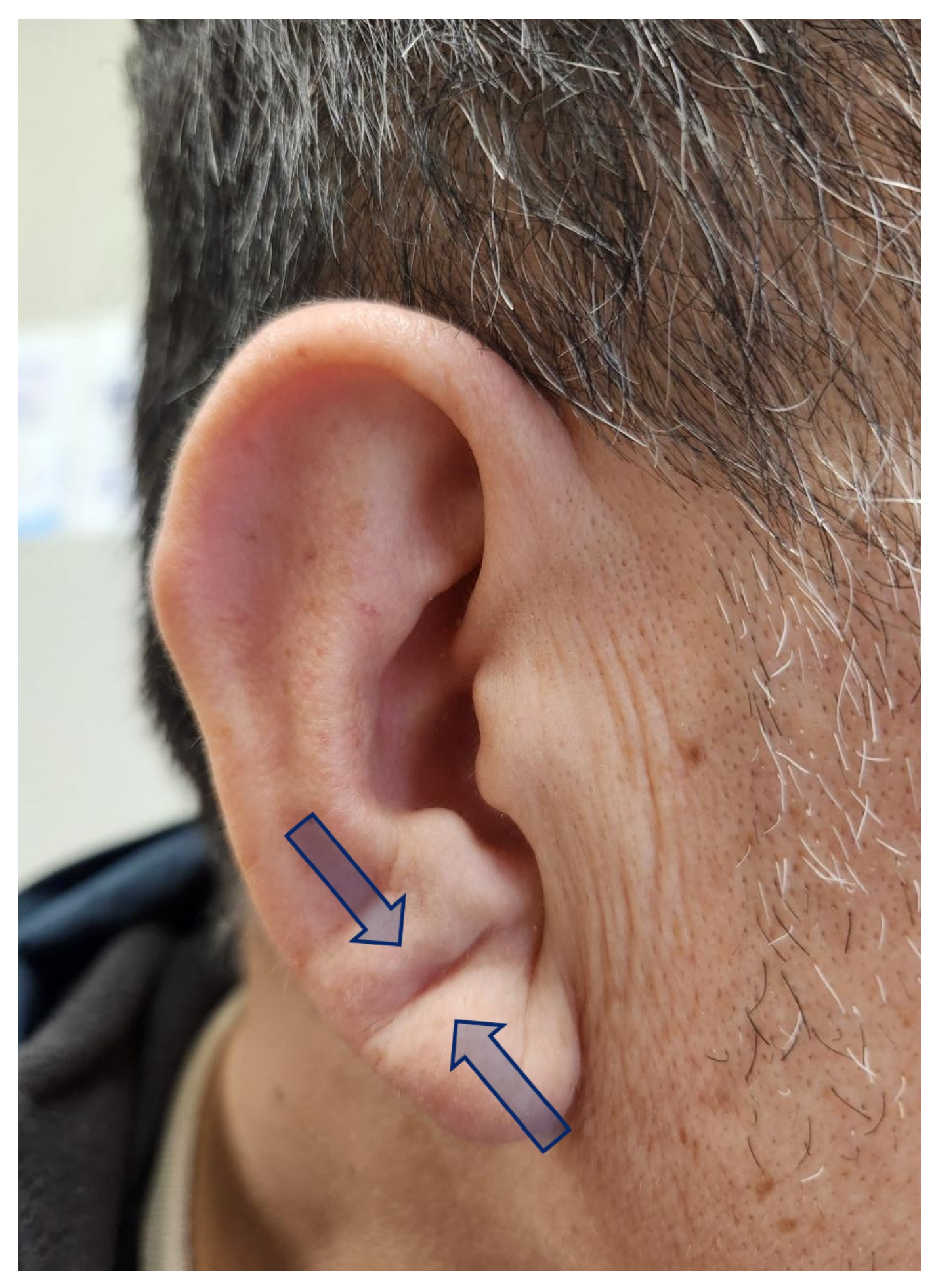
An earlobe crease, scientifically referred to as Frank’s sign, is a diagonal indentation that extends from the tragus across the lobule to the rear edge of the auricle. While it is often discussed in popular culture regarding various c...
An earlobe crease, scientifically referred to as Frank’s sign, is a diagonal indentation that extends from the tragus across the lobule to the rear edge of the auricle. While it is often discussed in popular culture regarding various celebrities and public figures, medical researchers primarily investigate the physical trait as a potential dermatological marker associated with cardiovascular health indicators.
Contents
The Origin and Definition of Frank’s Sign
In 1973, Dr. Sanders T. Frank first described the diagonal earlobe crease in the New England Journal of Medicine. He noted that in several of his patients who presented with coronary artery disease, this specific earlobe morphology was consistently present. The sign is defined by a crease that runs at approximately a 45-degree angle from the tragus toward the lower border of the earlobe.
The medical community has debated the etiology of this sign for decades. Some hypotheses suggest that the crease is a result of microvascular disease or a loss of elastin and dermal collagen, which are the same structural components that become compromised in the systemic process of atherosclerosis. Because the earlobe is a highly vascularized appendage, it may serve as an anatomical "window" reflecting broader systemic vascular changes.
Celebrities, Public Figures, and the Observation of Physical Traits
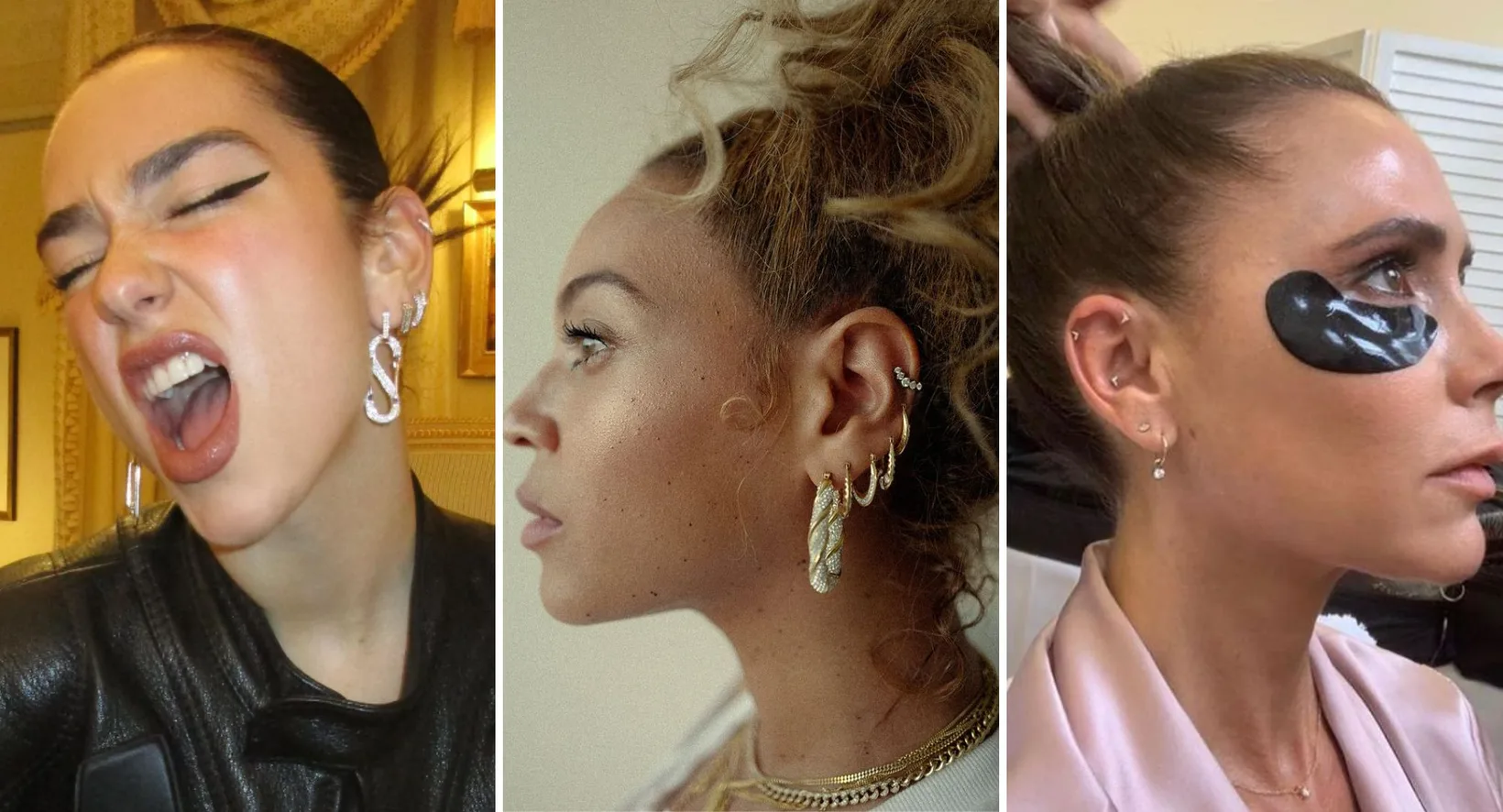
The fascination with celebrities displaying an earlobe crease often stems from the tendency of the public to analyze the physical appearance of high-profile individuals through the lens of longevity and health. Because many public figures are photographed in high-definition from multiple angles, their physical characteristics—including the presence of earlobe creases—are frequently scrutinized by amateur observers and media outlets.
It is critical to distinguish between celebrity trivia and clinical diagnosis. Many individuals who possess an earlobe crease have no underlying cardiovascular disease, and many individuals with severe heart disease do not exhibit the sign. In clinical practice, a physical examination of the ears is considered a soft, non-specific marker rather than a diagnostic tool. A healthcare provider will prioritize established risk factors, such as blood pressure, lipid profiles, and family history, far above the visual presence of a crease.
Cardiovascular Risk Factors vs. Clinical Markers
To understand why a simple crease on the earlobe garners so much attention, one must look at the standard criteria for assessing heart health. While the crease has been the subject of numerous retrospective studies, it remains a secondary observation.
The following table summarizes the contrast between clinically validated risk factors and observational markers like the earlobe crease.
| Characteristic | Type | Clinical Weight |
|---|---|---|
| Earlobe Crease | Observational | Low (Non-Specific) |
| Blood Pressure | Quantitative | High (Diagnostic) |
| LDL Cholesterol | Biochemical | High (Diagnostic) |
| Smoking History | Behavioral | High (Risk Factor) |
| Family History | Epidemiological | Moderate (Genetic) |
The Role of Aging and Collagen Loss
A major factor often overlooked in discussions about earlobe creases is the natural aging process. As individuals age, the skin undergoes structural changes including the reduction of collagen fibers and the loss of elastic tissue. This loss of elasticity, particularly in the earlobes, can lead to the formation of lines and creases that are unrelated to vascular pathology.
For many celebrities in their later stages of life, the appearance of an earlobe crease may simply be a manifestation of cutaneous aging, gravity, and the loss of structural support within the ear cartilage. Distinguishing between a "Frank’s sign" associated with vascular markers and a natural age-related fold requires a comprehensive physical assessment by a physician, which cannot be conducted via photographs or public appearances.
Addressing Health Concerns Proactively
If you observe an earlobe crease on yourself or a family member, the most effective approach is to avoid self-diagnosis and focus on measurable health metrics. Clinical guidelines from organizations such as the American Heart Association (AHA) emphasize that preventative care should be driven by data.
- Schedule a Cardiovascular Screening: Consult a primary care physician to discuss your lipid panel, blood glucose levels, and blood pressure.
- Evaluate Lifestyle Habits: Review dietary intake, physical activity levels, and tobacco use, as these have a direct and proven impact on vascular integrity.
- Review Family History: Gather information regarding heart disease, stroke, or hypertension in immediate family members, as this is a stronger predictor of risk than any external physical sign.
- Avoid Misinformation: Use caution when encountering online "health diagnostics" that rely on physical traits seen in celebrities. These are rarely grounded in peer-reviewed, reproducible science.
Frequently Asked Questions
Is an earlobe crease a definite sign of heart disease? No. While some studies have suggested a statistical correlation, it is not a diagnostic tool for heart disease. Many healthy individuals have earlobe creases, and many people with significant cardiovascular issues do not.
Why is it called Frank’s sign? It is named after Dr. Sanders T. Frank, who published the initial observation in 1973 after noticing a pattern in patients with coronary artery disease at his practice.
Does weight loss or surgery remove an earlobe crease? An earlobe crease is a structural line in the skin. Surgical interventions, such as a lobe-lift or filler injections, are cosmetic procedures used to improve the appearance of the earlobe, but they do not alter the underlying vascular health of the individual.
Should I be worried if a celebrity I admire has this crease? Celebrities are subject to the same biological processes as the general population, including aging and vascular changes. The presence of a crease in a public figure does not provide information about their specific medical history or health status.
Does an earlobe crease appear on both ears? Frank’s sign can be unilateral (appearing on one ear) or bilateral (appearing on both). Some medical literature suggests that bilateral creases may have a stronger association with vascular markers than unilateral ones, but this remains a subject of ongoing debate in clinical research.
Conclusion and Next Steps
The observation of an earlobe crease, whether in public figures or private individuals, is a topic of historical interest in medical literature but carries limited weight in modern clinical practice. If your goal is to assess your cardiovascular health, rely on evidence-based screenings and professional medical advice rather than the analysis of external physical traits. If you have concerns about your heart health, schedule an appointment with your doctor to establish a baseline through proven diagnostic testing.
Image Gallery