Male Catheter Care: Practical Steps for Safe Management
Effective male catheter care involves a combination of strict hand hygiene, daily cleaning of the urethral opening, and maintaining a closed drainage system to prevent Catheter-Associated Urinary Tract Infections (CAUTI). By following...
Effective male catheter care involves a combination of strict hand hygiene, daily cleaning of the urethral opening, and maintaining a closed drainage system to prevent Catheter-Associated Urinary Tract Infections (CAUTI). By following standardized protocols for bag emptying, tube securement, and hydration, patients and caregivers can manage the device safely while minimizing risks such as blockages, tissue trauma, or systemic infection.
Contents
Managing a urinary catheter requires more than just basic cleaning; it necessitates a disciplined approach to clinical hygiene and mechanical maintenance. Whether you are using a catheter for short-term recovery or long-term chronic management, the primary goal in 2026 remains the prevention of infection and the preservation of the urethral mucosa. Urinary catheters provide a direct pathway for bacteria to enter the bladder, making the following practical steps essential for safe management.
Understanding the Components of Male Catheter Care
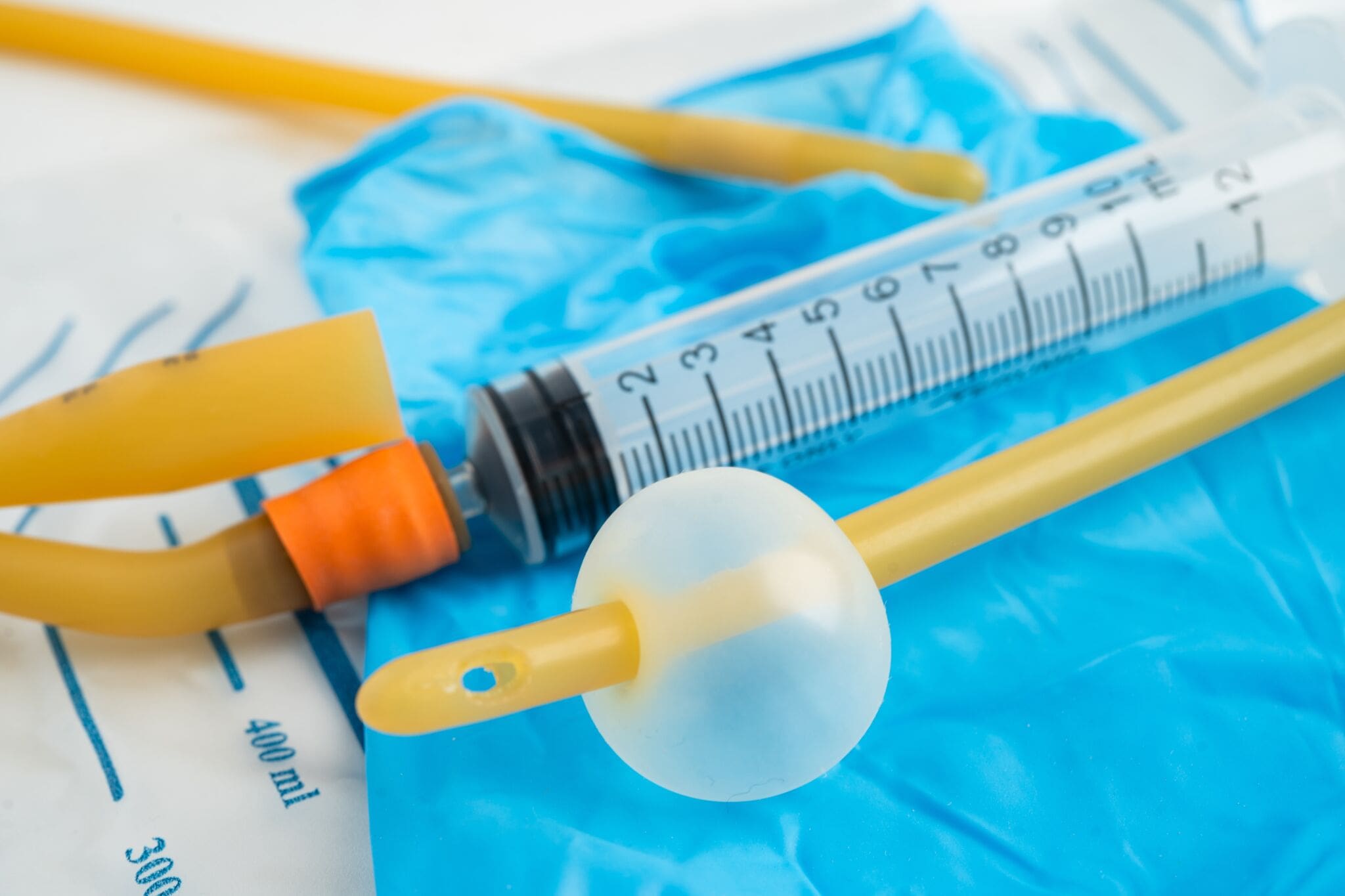
Before diving into the procedural steps, it is vital to understand the equipment involved. For most men, "catheter care" refers to the management of an indwelling Foley catheter. This device is a flexible tube inserted through the urethra into the bladder, held in place by a small balloon inflated with sterile water.
The system consists of the catheter itself, a drainage port, and a collection bag. Because this system is "indwelling," it stays in the body for days or weeks. This is distinct from intermittent catheterization, where a tube is inserted and removed several times a day, or a suprapubic catheter, which is surgically inserted through the abdominal wall.
Safe management centers on the concept of the "closed system." This means the connection between the catheter and the drainage bag should rarely be broken. Every time the system is opened, the risk of introducing pathogens increases exponentially. In 2026, medical guidelines continue to emphasize that a closed system is the single most effective defense against CAUTI.
Step-by-Step Daily Hygiene Routine
Hygiene is the cornerstone of male catheter care. The area where the catheter enters the body (the meatus) must be cleaned at least twice daily and after every bowel movement to prevent bacterial migration up the tubing.
1. Preparation and Hand Hygiene
Never touch the catheter or the insertion site without first washing your hands. Use warm water and antimicrobial soap, scrubbing for at least 20 seconds. Ensure you clean under the fingernails and between the fingers. In a clinical or home care setting, hand hygiene is the most significant factor in reducing cross-contamination.
2. Cleaning the Urethral Meatus
For uncircumcised men, gently retract the foreskin to expose the insertion site. Use a clean washcloth, warm water, and a mild, fragrance-free soap. Avoid using powders, lotions, or antiseptic wipes like povidone-iodine unless specifically instructed by a urologist, as these can irritate the delicate tissue and potentially lead to skin breakdown.
- Directional Cleaning: Always wipe away from the body. Start at the point where the catheter enters the penis and wipe downward along the tube for about 4 to 6 inches.
- Rinsing: Ensure all soap residue is rinsed away, as dried soap can cause itching and irritation.
- Drying: Pat the area dry with a clean towel. For uncircumcised men, return the foreskin to its natural position to prevent swelling (paraphimosis).
3. Inspecting the Site
While cleaning, look for signs of complications. These include redness, swelling, or any discharge (pus) around the meatus. Small amounts of clear or slightly crusty secretions are common, but thick, foul-smelling, or bloody drainage requires medical evaluation.
Managing Drainage Bags and Urine Flow
A catheter relies on gravity to function correctly. If the drainage path is obstructed or if the bag is positioned incorrectly, urine can pool in the tubing or reflux back into the bladder, significantly increasing the risk of infection.
Emptying the Collection Bag
Collection bags should be emptied when they are between one-half and two-thirds full. A bag that is too heavy can pull on the catheter, causing internal bladder trauma or urethral erosion.
- Positioning: Hold the drainage tap over a clean container or the toilet.
- The "No-Touch" Rule: Do not allow the drainage tap (the spout) to touch the sides of the container, the toilet, or the floor. This prevents "ascending infection," where bacteria travel from the environment into the bag and eventually the bladder.
- Sanitization: After emptying, wipe the end of the drainage tap with a 70% isopropyl alcohol swab before closing it.
Switching Between Leg Bags and Night Bags
Most men use a smaller "leg bag" during the day for mobility and a larger "night bag" (drainage bottle) while sleeping.
- Leg Bags: Secured to the thigh or calf with straps. Ensure the straps are not so tight that they restrict circulation.
- Night Bags: These have a much larger capacity (usually 2 liters) to allow for uninterrupted sleep. The bag must be hung on the bed frame, never placed on the floor, and always kept below the level of the bladder.
When switching bags, always disinfect the connection points with alcohol. Modern 2026 catheter valves may also be an option for some men, allowing the bladder to fill and empty more naturally without a continuous drainage bag, though this must be approved by a healthcare provider.
Preventing Complications and Urethral Trauma
Mechanical issues are common in male catheter management. Urethral trauma often occurs when the catheter is accidentally pulled or when it is not secured properly to the leg.
Use of Securement Devices
A catheter should never "dangle" freely. Use a catheter securement device (such as a StatLock or a dedicated leg strap) to anchor the tubing to the upper thigh. This prevents the "see-saw" motion of the catheter in and out of the urethra, which causes irritation and allows bacteria to enter. Ensure there is a small amount of "slack" or a "safety loop" between the securement device and the penis to allow for movement without tension.
Maintaining Proper Fluid Intake
Unless you have a medical condition that requires fluid restriction (such as heart failure or advanced kidney disease), you should aim to drink 1.5 to 2 liters of water daily. High fluid intake flushes the bladder and the catheter tubing, preventing the buildup of "sludge," minerals, and biofilms that can lead to blockages or bladder stones. Clear, pale-yellow urine is the goal.
Troubleshooting Common Issues
Even with meticulous care, problems can arise. Knowing how to troubleshoot safely is a key part of management.
| Problem | Potential Cause | Immediate Action |
|---|---|---|
| No urine flow | Kinked tubing or bag above bladder level. | Straighten tubing; ensure bag is below the waist. |
| Leaking around catheter | Bladder spasms or a blocked tube. | Check for kinks; do not increase balloon size without advice. |
| Cloudy or bloody urine | Infection (UTI) or bladder stones. | Increase fluid intake and contact your doctor. |
| Pain or "pulling" sensation | Lack of securement or insufficient slack. | Secure the tube to the thigh with a safety loop. |
| Sediment in tubing | Dehydration or alkaline urine. | Increase water intake; discuss diet with a clinician. |
If the catheter stops draining entirely and the patient feels a strong urge to urinate or experiences abdominal pain, this is a medical emergency. The catheter may be blocked by a blood clot or sediment, and the bladder could distend, leading to serious injury.
When to Contact a Healthcare Professional
Safe management requires recognizing when a problem exceeds home care capabilities. In 2026, many healthcare systems utilize remote monitoring or telehealth for catheter patients, but physical symptoms still dictate the need for intervention. Seek medical attention if you experience:
- Fever or Chills: These are systemic signs of a potential kidney or bloodstream infection (urosepsis).
- Severe Bladder Spasms: Intense cramping in the lower abdomen that does not resolve.
- Urine Characteristics: Foul-smelling urine, bright red blood (hematuria), or thick, cloudy discharge.
- Bypassing: If urine is leaking around the catheter and not through the tube, it usually indicates a blockage or significant spasm.
- Physical Displacement: If the catheter falls out, do not attempt to reinsert it yourself. Seek professional help immediately.
Practical Recommendation for Safe Management
To ensure long-term success with male catheter care, establish a rigid schedule. Perform hygiene rituals at the same time every morning and evening. Always keep a "travel kit" with you containing extra alcohol swabs, a spare securement device, and hand sanitizer. Most importantly, never skip the daily cleaning of the urethral meatus, as this is your primary barrier against infection.
Frequently Asked Questions
How often should a male indwelling catheter be replaced? In most cases, a standard silicone or latex-free catheter can remain in place for up to 12 weeks (approximately 3 months), depending on the material and manufacturer's guidelines. However, if the patient is prone to frequent blockages or infections, a healthcare provider may schedule changes every 4 to 6 weeks. Always follow the specific timeline provided by your urologist.
Can I take a shower with a catheter? Yes, showering is generally encouraged as it helps maintain hygiene. You can shower with the catheter and drainage bag in place. Ensure you clean the catheter and meatus after the shower to remove any soap residue. It is generally advised to avoid bathtubs, hot tubs, or swimming pools, as these can increase the risk of introducing bacteria into the urethral site.
Is it normal to have blood in the urine after a catheter change? A small amount of light pink-tinged urine is common immediately following a catheter insertion or change due to minor irritation of the urethral lining. However, if the urine is bright red, contains large clots, or if the bleeding persists for more than 24 hours, you should contact your healthcare provider immediately.
What should I do if the catheter is leaking? Leaking (often called "bypassing") usually occurs because of bladder spasms or a blockage. First, check the tubing for kinks or loops that might be preventing drainage. If the tubing is clear, the bladder may be spasming as it reacts to the catheter balloon. Do not attempt to fix this by adding more water to the balloon; instead, speak to your doctor about anti-spasmodic medications.
Can I exercise while wearing a catheter? Light to moderate exercise, such as walking, is generally safe and encouraged. Ensure the catheter is securely fastened to your leg using a securement device to prevent it from pulling or rubbing against the urethra during movement. Avoid high-impact sports or heavy lifting that could cause abdominal strain or accidental displacement of the device.
Image Gallery