The Changing Landscape of Sunnyvale Police Activity in 2026
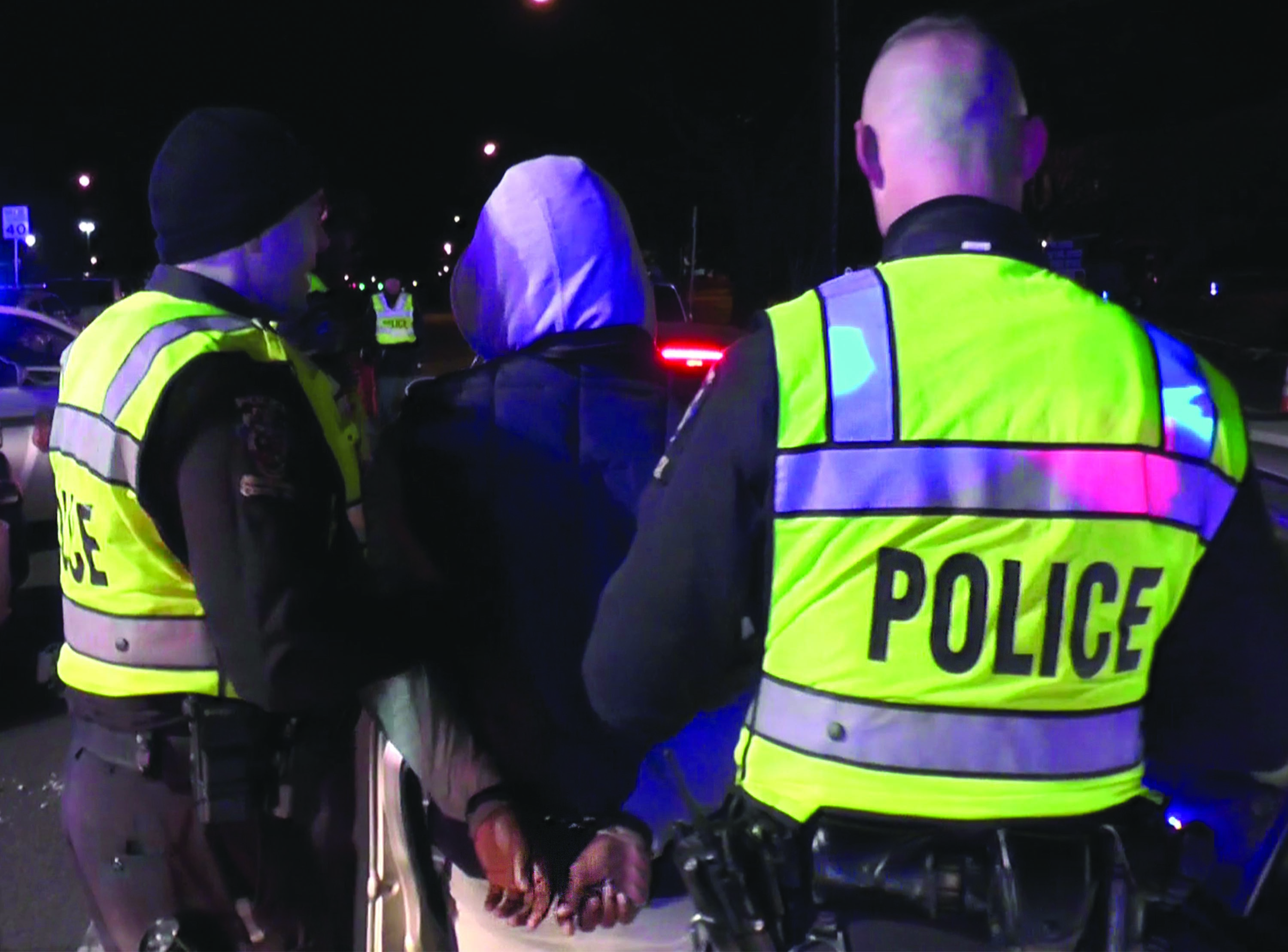
The landscape of Sunnyvale police activity in 2026 is defined by a sophisticated "triple-threat" response model where Public Safety Officers (PSOs) integrate police, fire, and emergency medical services. Current operations prioritize d...
The landscape of Sunnyvale police activity in 2026 is defined by a sophisticated "triple-threat" response model where Public Safety Officers (PSOs) integrate police, fire, and emergency medical services. Current operations prioritize data-driven technology, such as drone-as-first-responder programs, and a transition toward clinician-led mental health interventions over traditional enforcement.
Contents
The Evolution of the Unified Public Safety Model
Sunnyvale remains one of the largest cities in the United States to operate a fully integrated Department of Public Safety (DPS). Unlike traditional municipal structures that separate police and fire departments, Sunnyvale’s model requires every sworn officer to be a cross-trained professional. By 2026, this model has matured to address the complexities of modern urban environments, emphasizing efficiency and rapid-response versatility.
The primary advantage of the PSO model in the current landscape is the fluidity of resources. An officer on a routine traffic patrol can immediately transition to a fire suppression role or provide advanced life support during a medical emergency. This integration reduces the total number of personnel needed on a scene while increasing the technical capability of every individual responder.
However, the training requirements for 2026 have become more rigorous. Officers must maintain state-mandated certifications for Peace Officer Standards and Training (POST), Firefighter I/II, and Emergency Medical Technician (EMT) status. The department has expanded its internal training divisions to ensure that as legislative requirements for police conduct evolve—particularly regarding use-of-force and de-escalation—the fire and medical components of their roles do not suffer. This dual-identity remains the cornerstone of Sunnyvale’s public safety identity, providing a high level of service that consistently ranks the city as one of the safest in the country for its size.
Technological Integration: Policing in the Heart of Silicon Valley
Given its location in the center of Silicon Valley, the Sunnyvale DPS has leaned heavily into "Smart City" policing. In 2026, police activity is heavily augmented by a network of sensors, cameras, and automated systems that allow for a proactive rather than reactive stance.
Drone as First Responder (DFR) Programs
One of the most significant shifts in police activity is the implementation of the Drone as First Responder (DFR) program. When a 911 call is placed, a high-speed drone is often dispatched from a centralized "nest" before a patrol car even leaves the station. These drones provide real-time aerial footage to dispatchers and responding officers, allowing them to assess threats, locate fleeing suspects, or identify the source of a fire without putting personnel at immediate risk. This technology has significantly reduced response times and increased the "clearance rate" for crimes in progress.
Automated License Plate Readers (ALPR) and AI Analytics
The use of ALPR technology has become ubiquitous across Sunnyvale’s major thoroughfares and retail corridors. By 2026, these systems are integrated with AI-driven analytics that can identify patterns in vehicle movement associated with organized retail theft or "sideshow" activity. The focus has shifted from simple detection to predictive modeling, where the department can pre-position units in areas where data suggests a high probability of criminal activity. While this has raised privacy discussions, the department maintains a public-facing transparency portal to document how data is stored and purged in accordance with California state law.
A Shift in Strategy: From Enforcement to Crisis Intervention
A major pillar of police activity in 2026 is the de-coupling of mental health crises from criminal enforcement. Sunnyvale has expanded its partnership with Santa Clara County’s Mobile Crisis Support Teams (MCST).
Historically, police officers were the default responders for welfare checks and psychiatric emergencies. Today, the landscape focuses on a "clinician-first" approach. When a call involves a person in crisis who is not an immediate threat to others, dispatchers route the call to a team consisting of a mental health clinician and a peer advocate.
This shift has changed the daily routine of Sunnyvale PSOs. They now spend less time on "non-criminal" calls and more time on high-priority investigations and proactive community engagement. When PSOs do respond to mental health calls, their role is primarily to secure the scene for the clinicians, utilizing specialized "soft" uniforms and unmarked vehicles to reduce the "triggering" effect of a traditional police presence. This evolution reflects a broader societal demand for police to focus on public safety threats while leaving social and medical issues to qualified specialists.
Addressing Modern Crime Trends: Property, Retail, and Traffic
Despite its reputation for safety, Sunnyvale has had to adapt to changing crime patterns that mirror broader California trends. Police activity in 2026 is heavily focused on three specific areas: property crime, organized retail theft, and traffic safety.
Organized Retail Theft
The retail centers along El Camino Real and near the downtown corridor have been targets for high-volume theft. In response, the Sunnyvale DPS has formed specialized task forces that work directly with corporate loss prevention departments. These task forces utilize shared digital evidence platforms where retailers can upload high-definition footage directly into police case files. This collaborative approach has streamlined the filing of charges against organized "smash-and-grab" rings that operate across municipal borders.
Residential Property Crime
With the high density of valuable electronics and vehicles in Sunnyvale, residential burglaries and "porch piracy" remain persistent issues. Police activity now includes a heavy emphasis on "Environmental Design" audits. PSOs often meet with neighborhood associations to provide technical advice on lighting, camera placement, and smart-lock integration. The department’s goal is to create a "hardened" environment where the perceived risk for a criminal outweighs the potential reward.
Vision Zero and Traffic Enforcement
Sunnyvale has committed to Vision Zero, an initiative aimed at eliminating all traffic-related fatalities. Consequently, traffic enforcement activity in 2026 is data-driven, focusing on "High Injury Network" streets. Rather than broad-spectrum ticketing, officers are deployed to specific intersections during peak hours where data shows a history of pedestrian and cyclist accidents. There is also an increased focus on automated speed enforcement (ASE) in school zones, a technology that was expanded by California legislation in the years leading up to 2026.
Transparency and Accountability: Meeting New Standards
The landscape of policing is not just about what officers do on the street, but how they are held accountable. In 2026, California’s SB 2 (The California Peace Officer Accountability Act) is fully operational, and Sunnyvale DPS has integrated its requirements into daily life.
Every Public Safety Officer is equipped with an advanced body-worn camera (BWC) that features automatic activation triggers—such as when a firearm is drawn or a patrol car’s sirens are engaged. These recordings are not just for evidence; they are used for monthly "integrity audits" where supervisors review random interactions to ensure adherence to de-escalation protocols.
Furthermore, the Sunnyvale Transparency Portal provides the public with real-time access to:
- Use-of-force statistics.
- Officer-involved incident reports.
- Demographic data on stops and citations.
- Budgetary allocations for technology vs. personnel.
By making this data accessible, the department aims to maintain high levels of community trust, which is essential for effective policing in a diverse, high-information environment like Silicon Valley.
Comparative Overview of Public Safety Initiatives
The following table outlines the key operational shifts in Sunnyvale police activity between the traditional model and the current 2026 landscape.
| Initiative | Previous Approach (Pre-2022) | Modern Approach (2026) | Primary Benefit |
|---|---|---|---|
| Response Tactics | Patrol car deployment via 911 dispatch. | Integrated Drone-as-First-Responder (DFR). | 60-90 second aerial arrival time. |
| Mental Health | Police response to all welfare checks. | Clinician-led Mobile Crisis Teams. | Reduced use of force and hospitalizations. |
| Retail Theft | Reactive reports after the incident. | Proactive AI-ALPR tracking task forces. | Higher recovery of stolen assets. |
| Traffic Safety | General speed enforcement. | Data-driven "Vision Zero" placement. | Reduced pedestrian and cyclist fatalities. |
| Training | Periodic POST certification. | Continuous "Triple-Threat" recertification. | Versatile response to any emergency type. |
| Data Access | Public records requests (PRA). | Real-time Transparency Portal. | Increased community trust and oversight. |
Frequently Asked Questions
Is Sunnyvale safer than other Silicon Valley cities in 2026?
Sunnyvale consistently ranks as one of the safest cities in the United States for its population size. This is attributed to the high ratio of public safety personnel per capita made possible by the integrated PSO model, and the city’s high investment in preventative technology. However, like all Bay Area cities, it still experiences property-related crimes common to affluent areas.
How do I report a non-emergency crime in Sunnyvale?
For non-emergencies, such as delayed property theft or neighborhood nuisances, residents should use the Sunnyvale DPS online reporting system or the mobile app. These platforms allow you to upload photos and video evidence directly. If the crime is in progress, always call 911, as the DFR (drone) program is triggered by emergency calls.
Are the drones always watching Sunnyvale residents?
No. The Drone as First Responder (DFR) program is strictly incident-based. Drones are only launched in response to specific 911 calls or emergency alerts. The department has strict policies against general surveillance or "patrolling" residential backyards without cause, and all flight paths are logged and subject to audit.
Can a Public Safety Officer really put out a fire?
Yes. Every sworn officer in Sunnyvale is a fully certified firefighter. Depending on the day’s assignment, an officer may be in a patrol car or on a fire engine. In the event of a major structure fire, all available PSOs in the vicinity can respond, providing a massive surge of trained firefighters that traditional departments cannot match.
What should I do if I am stopped by a Sunnyvale PSO?
Current 2026 protocols emphasize clear communication. You should remain in your vehicle unless instructed otherwise and keep your hands visible. The officer will typically identify themselves and state the reason for the stop immediately. Due to the BWC (Body-Worn Camera) mandates, the entire interaction will be recorded for the safety of both the officer and the citizen.
Next Steps for Sunnyvale Residents
To stay informed and safe within the changing landscape of Sunnyvale, residents are encouraged to participate in the Community Academy. This program provides a deep dive into the PSO model, offering citizens a chance to see the technology and training firsthand. Additionally, signing up for the city's emergency alert system ensures you receive real-time updates on police activity, traffic disruptions, or public safety threats in your immediate neighborhood. For those interested in data, visiting the Sunnyvale Transparency Portal provides an objective look at how public safety resources are being utilized to protect the community.
Image Gallery