Understanding the Foreign and Commonwealth Link in Diplomatic and Consular Services
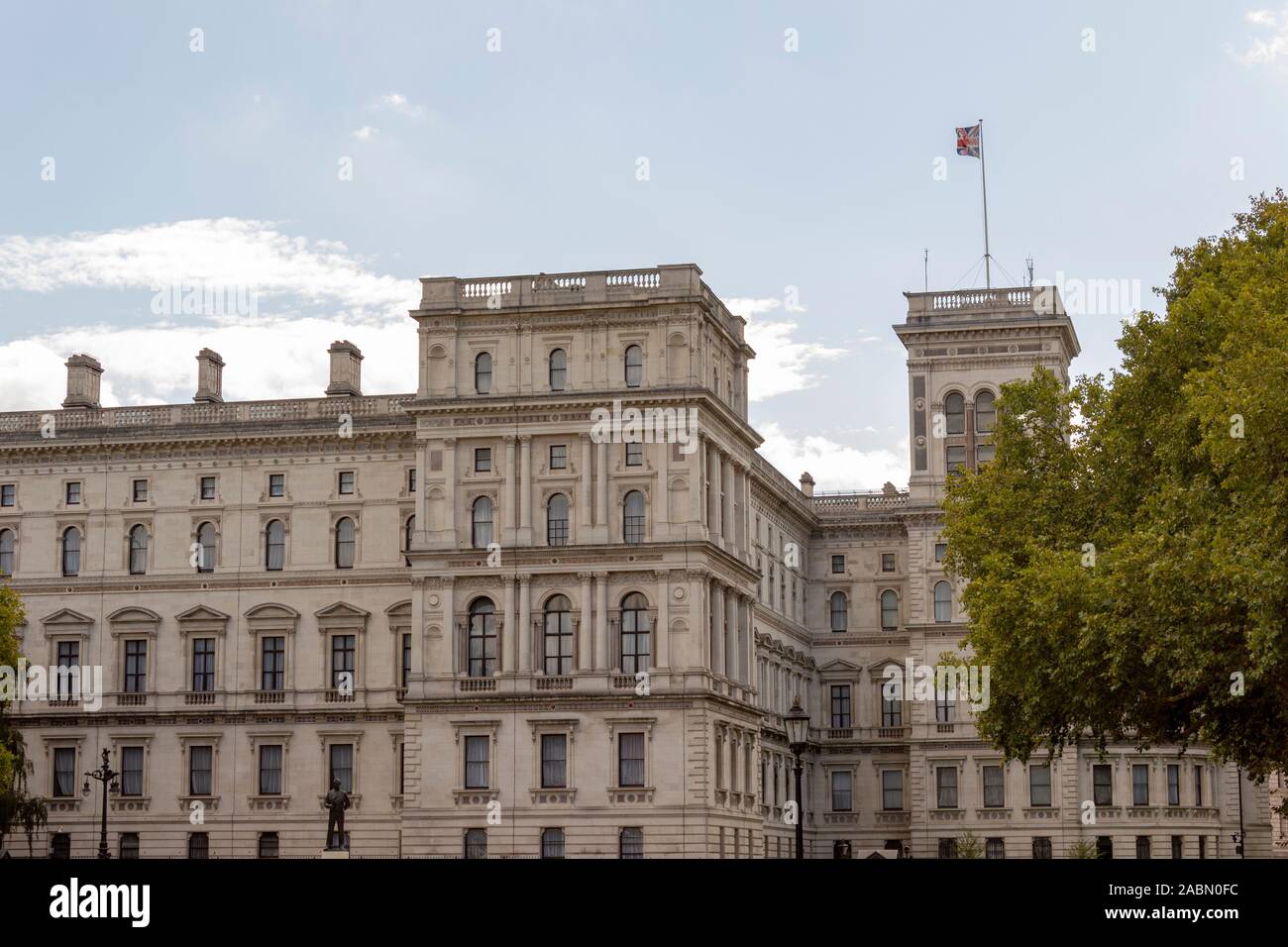
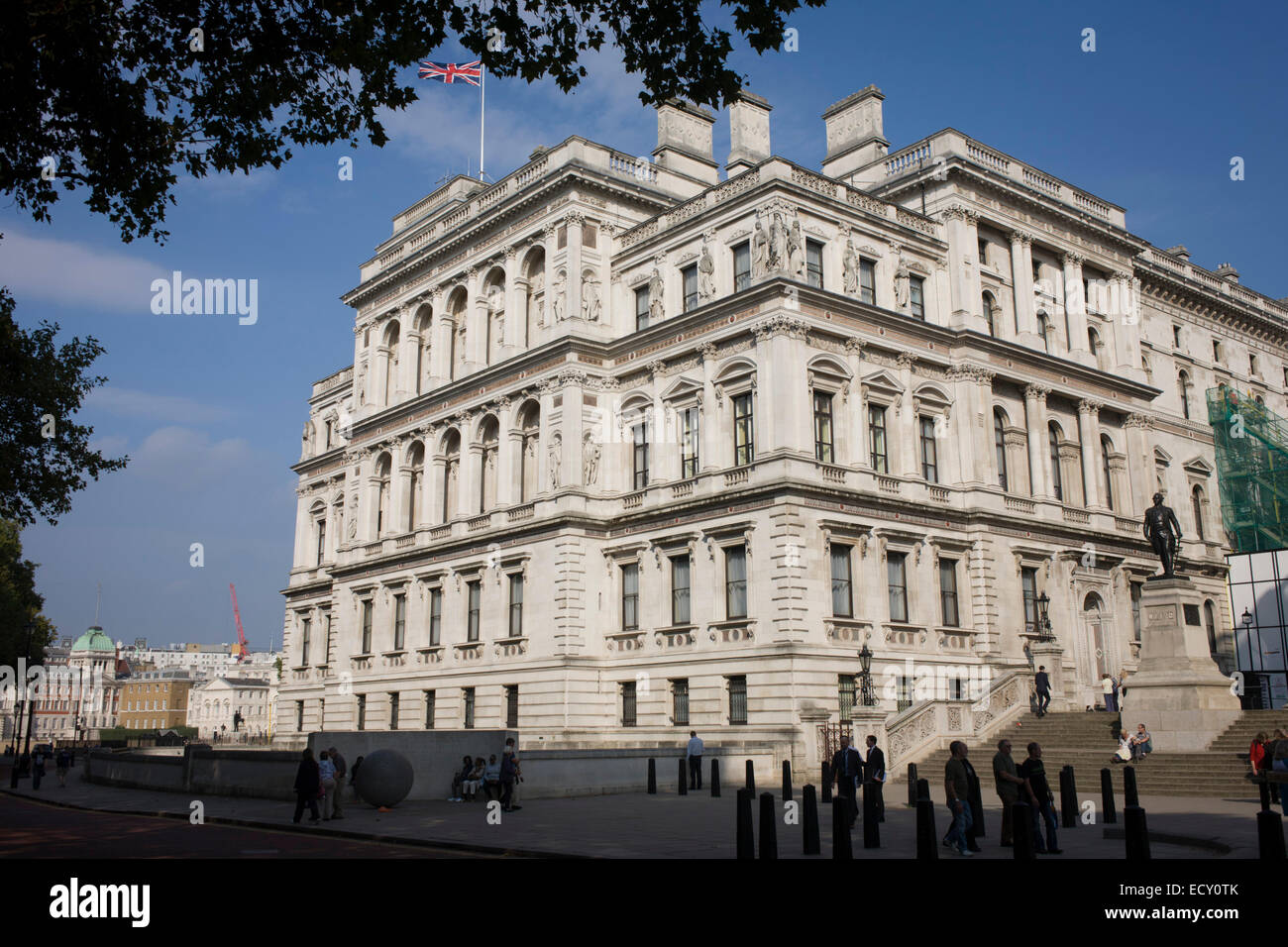
The "Foreign and Commonwealth link" refers to the long-standing diplomatic and administrative relationship between the United Kingdom’s Foreign, Commonwealth & Development Office (FCDO) and the network of diplomatic missions maintained...
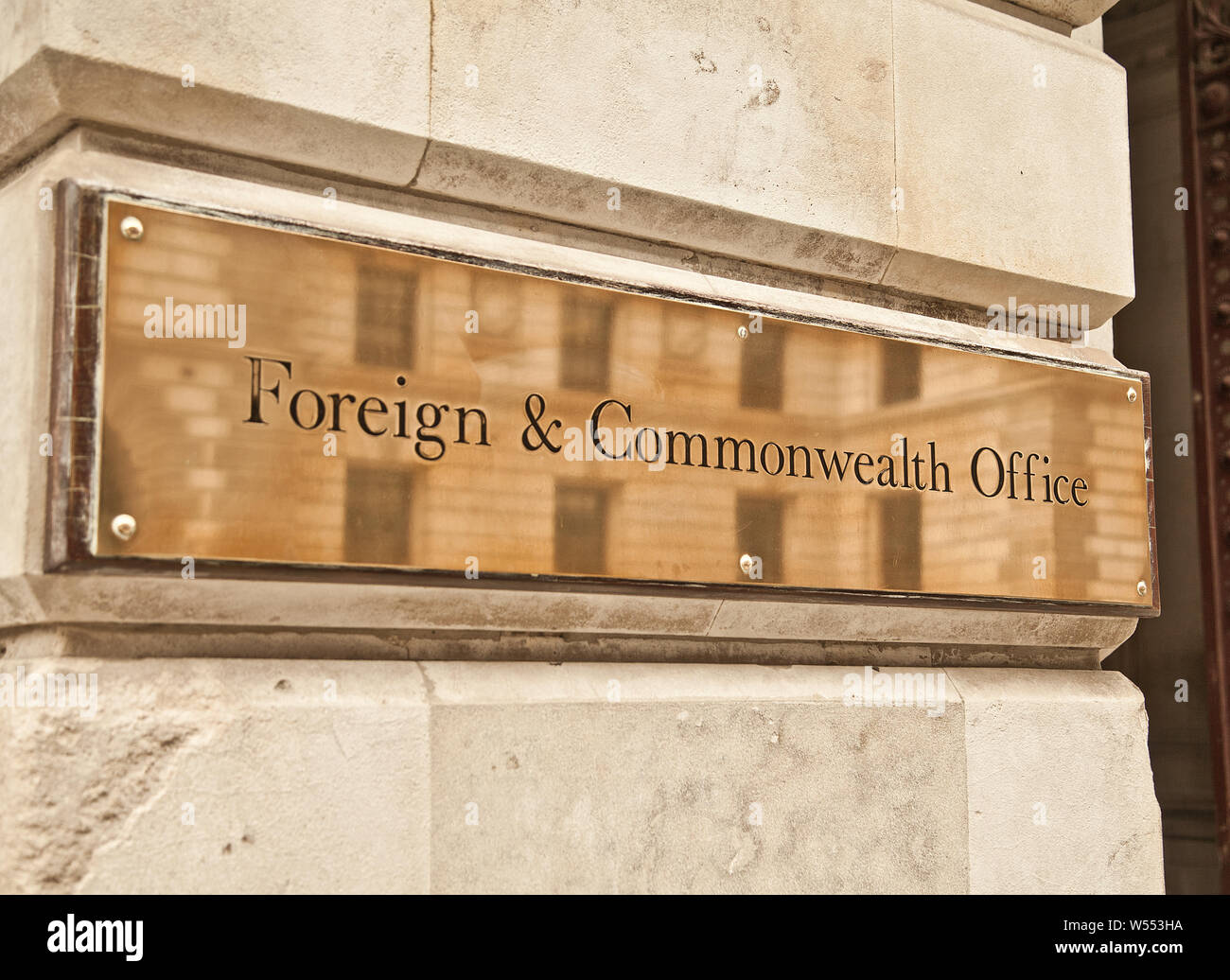
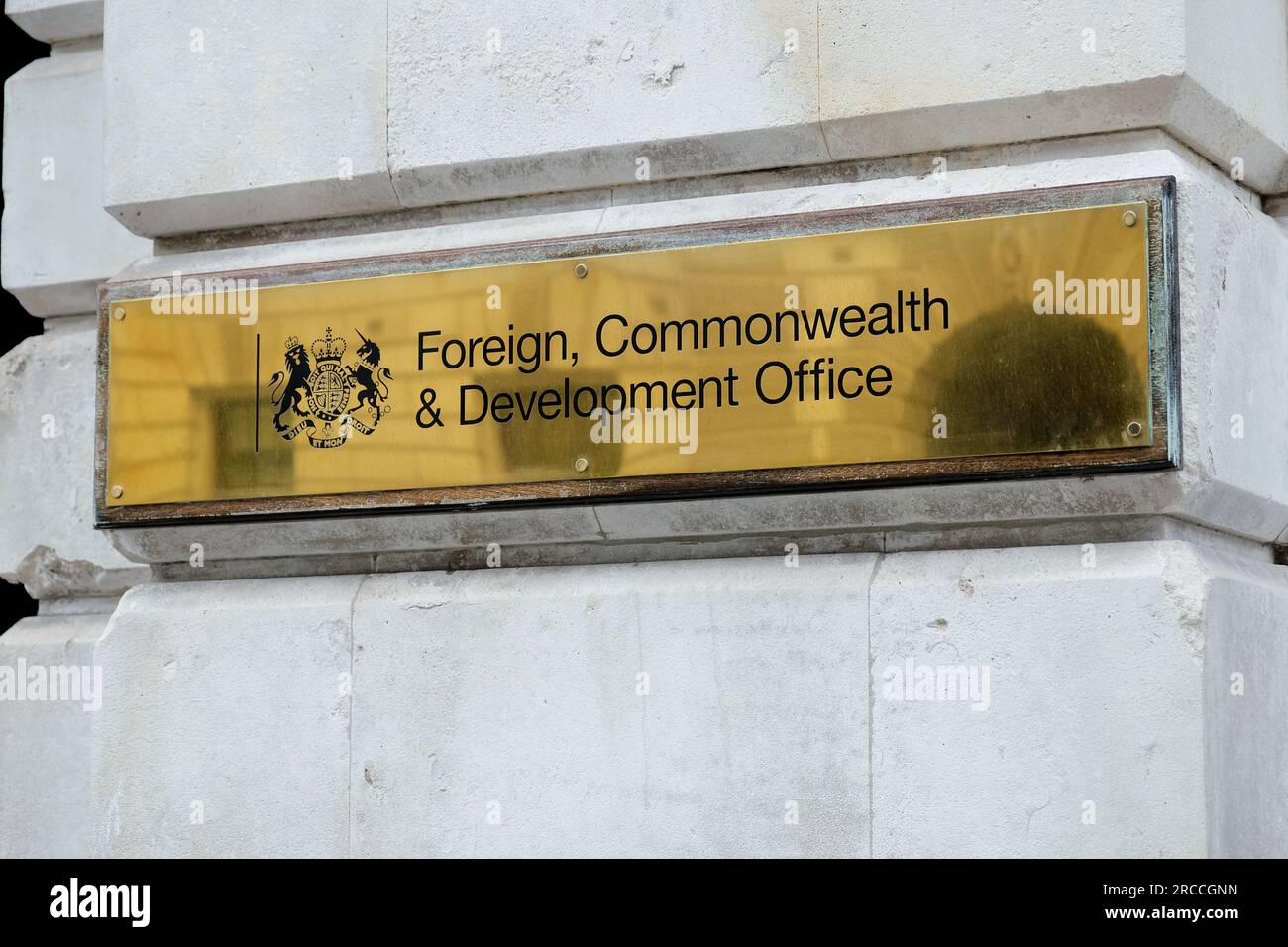
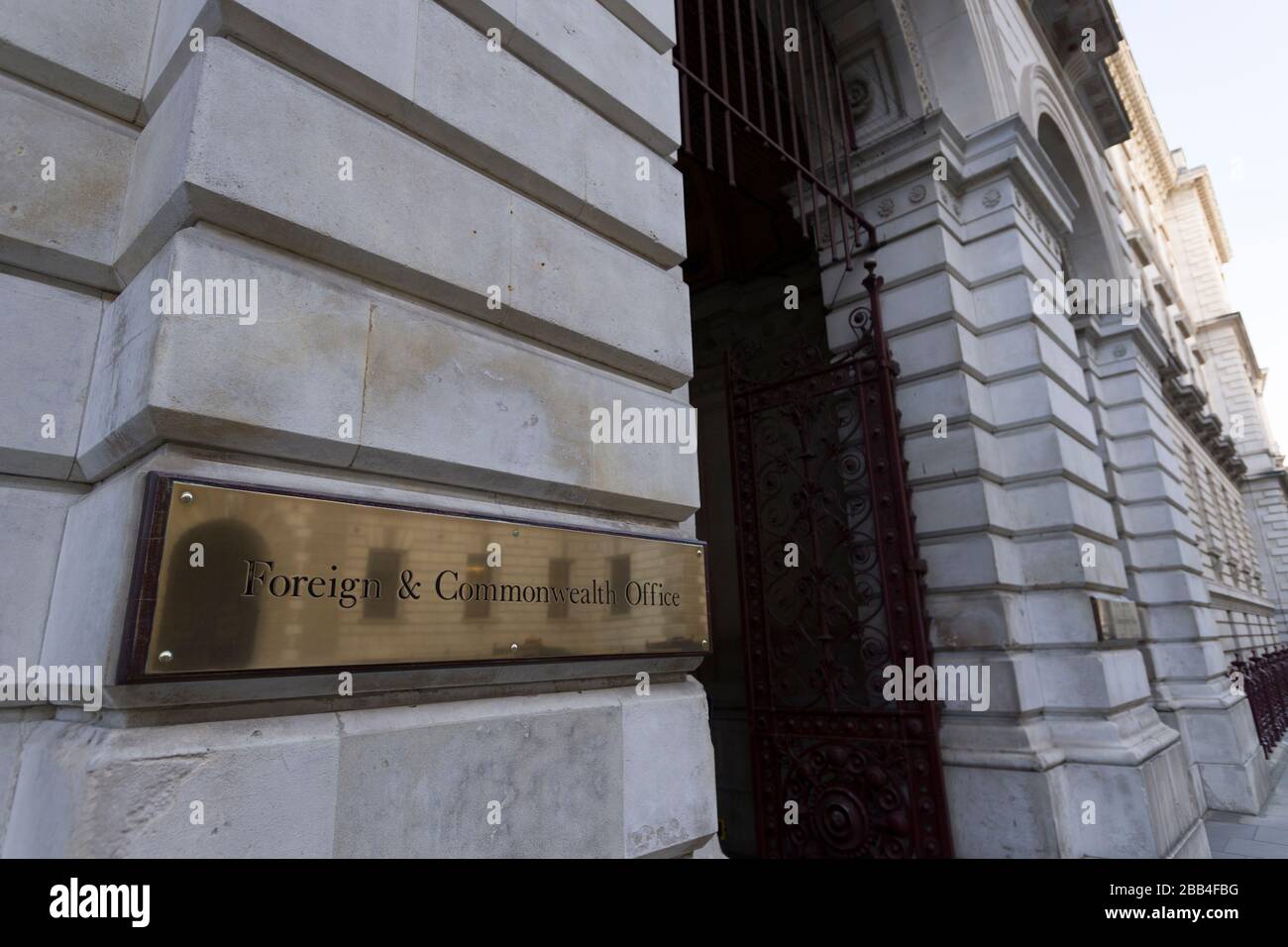
The "Foreign and Commonwealth link" refers to the long-standing diplomatic and administrative relationship between the United Kingdom’s Foreign, Commonwealth & Development Office (FCDO) and the network of diplomatic missions maintained globally, particularly within Commonwealth nations. This connection defines how consular assistance, legal documentation verification, and inter-governmental cooperation are facilitated for citizens and businesses operating across international borders.
Contents
The Evolution of the Foreign and Commonwealth Structure
The administrative backbone of the United Kingdom's international presence is the FCDO. This department was formed through the 2020 merger of the Foreign & Commonwealth Office (FCO) and the Department for International Development (DFID). Understanding this link requires recognizing that the FCDO operates not merely as a foreign policy office, but as an essential service provider for individuals requiring document legalization, emergency consular support, and trade facilitation.
The "Commonwealth" component of this link is unique in international relations. Unlike typical diplomatic ties between sovereign states, the Commonwealth is a voluntary association of 56 independent and equal countries. The "link" here refers to the shared diplomatic protocols and historical administrative frameworks that allow for a degree of integrated support. For instance, in certain remote locations where the United Kingdom may not have a fully staffed embassy, the Foreign and Commonwealth network often coordinates with other Commonwealth member states to provide basic emergency services or shared diplomatic representation.
Consular Services and the Role of the Diplomatic Mission
For the average citizen or expatriate, the most tangible aspect of the Foreign and Commonwealth link is the consular service. When you interact with a British embassy or high commission, you are engaging with the terminal end of this structural link.
Consular services provided through this framework include:
- Emergency Assistance: Support for British nationals during humanitarian crises, civil unrest, or natural disasters.
- Legalization of Documents: The process of authenticating documents—such as birth certificates, marriage licenses, or corporate filings—for international recognition. This is often referred to as "apostilling" or "legalizing" through the Legalisation Office, which is the operational arm of the FCDO.
- Notarial Services: While limited in many jurisdictions, certain British missions still provide specific affidavit or affirmation services for citizens who cannot access local legal practitioners.
Legalization and Document Verification Protocols
A primary function of the Foreign and Commonwealth link in a legal or commercial context is the validation of documentation. If you are conducting business, pursuing an education, or seeking residency in a foreign country, you will frequently be asked to provide "legalized" documents.
The procedure typically follows a hierarchical verification path:
- Originating Document: A document is issued by a local authority (e.g., a registrar of births or a court).
- Internal Verification: The document is often verified by a notary public or an official government department to ensure the signature and seal are authentic.
- FCDO Legalisation: The document is submitted to the Legalisation Office. They do not verify the content of the document; they verify the authenticity of the signature or seal applied by the issuing authority.
- Consular Legalisation: In some cases, the receiving country requires a final check by their own consulate or embassy to confirm the FCDO's authentication.
This entire pipeline is supported by the Foreign and Commonwealth link, ensuring that there is a verifiable chain of custody for legal instruments moving between jurisdictions.
Comparing Diplomatic vs. Consular Functions
It is essential to distinguish between the two primary functions that utilize the Foreign and Commonwealth link. Misunderstanding these differences often leads to delays in processing or unrealistic expectations regarding the services provided.
| Function | Primary Focus | Interaction Point |
|---|---|---|
| Diplomatic | State-to-state relations, trade policy, and security. | Embassy/High Commission |
| Consular | Protection of nationals and legal documentation. | Consular Section |
| Development | International aid and long-term humanitarian projects. | FCDO regional offices |
While these functions are housed under the same institutional umbrella (the FCDO), they operate under different international conventions. Diplomatic relations are governed by the Vienna Convention on Diplomatic Relations, while consular activities are guided by the Vienna Convention on Consular Relations.
Operational Limitations and Managing Expectations
One of the most common points of confusion regarding the Foreign and Commonwealth link is the limit of its reach. The FCDO operates under strict international law and cannot override the sovereignty of the country in which the embassy is located.
- Legal Representation: Consular officers cannot provide legal advice, represent a citizen in local court, or interfere in the judicial processes of another country.
- Financial Bailouts: The government will not pay legal fees, hotel bills, or travel expenses for citizens in distress.
- Document Priority: The Legalisation Office operates on a set queue. There is no "diplomatic bypass" for individuals based on social or financial standing.
If you are navigating a complex international issue, your first step should be to consult the official FCDO country-specific guidance. As of 2026, the FCDO website remains the primary repository for travel advice, security alerts, and the current fee schedule for document legalization services.
Troubleshooting Common Administrative Hurdles
When engaging with services linked to the Foreign and Commonwealth structure, users often encounter specific bottlenecks. Addressing these early can save significant time.
- Incomplete Documentation: The most frequent reason for rejection is an improperly signed or outdated original document. Always verify the current requirements for your specific document type on the government portal before submission.
- Jurisdictional Misunderstanding: Ensure you are contacting the correct mission. If you are a citizen of a Commonwealth country, you may sometimes be directed to your own country's mission, rather than a British one, for certain identity-related documentation.
- Payment Processing: Fee structures for consular services are revised periodically. Always confirm the current fee, payable in the local currency or via the specific digital platform designated for that region.
Frequently Asked Questions
Does the Foreign and Commonwealth link provide legal advice to businesses? No. While the FCDO facilitates trade and investment through organizations like the Department for Business and Trade, they do not provide legal advice. Businesses should retain local legal counsel for contract drafting and regulatory compliance.
Can I get a document legalized at any British consulate? Not necessarily. Most legalization must be handled through the central Legalisation Office in the United Kingdom. Some overseas missions have limited capacity to assist, but it is not a universal service. Check the official UK government website to confirm if your local mission accepts applications.
What is the difference between an embassy and a high commission? In the context of the Commonwealth, British missions are referred to as High Commissions, while missions in non-Commonwealth countries are called Embassies. Functionally, they provide largely identical consular services to the public.
How do I verify the status of my document application? If you have submitted a request for legalization, you should use the tracking reference number provided at the time of submission on the official GOV.UK portal. Avoid third-party "expediting" services that claim to have a special link to the FCDO, as these are often unauthorized.
Is the Foreign and Commonwealth link relevant for dual nationals? Yes, but it is complicated. If you are a dual national, your host country may view you solely as one of its own citizens, which may limit the level of consular assistance the British government can provide you while you are in that country.
Next Steps for Implementation
If your goal is to utilize the services provided through the Foreign and Commonwealth link, your first action must be to confirm the requirements for your specific case through the official GOV.UK portal. Whether you are seeking a certificate of no impediment for marriage, legalizing a commercial contract, or requiring emergency travel documentation, the portal provides the definitive list of documents, current fees, and processing times.
For commercial entities, ensure that your internal documentation—such as Certificates of Incorporation or Articles of Association—is up to date before initiating any international filing process. For individuals, maintain digital and physical copies of your essential documents, as the process of requesting new certified copies from overseas can be time-consuming. When in doubt, contact the consular section of the nearest mission directly via the contact details provided on their official government webpage.
Image Gallery