Pink Cherries Strain: Lineage, Terpene Profile, Effects, and Cultivation Guide
Pink Cherries is an Indica-dominant hybrid cannabis strain derived from crossing cherry-flavored cultivars, such as Cherry Pie or Cherry Noir, with pink-lineage genetics like Pink Kush or Pink Panties. Renowned for its sweet stone-frui...
Pink Cherries is an Indica-dominant hybrid cannabis strain derived from crossing cherry-flavored cultivars, such as Cherry Pie or Cherry Noir, with pink-lineage genetics like Pink Kush or Pink Panties. Renowned for its sweet stone-fruit aroma, gassy undertones, and potent THC levels ranging between 20% and 26%, Pink Cherries delivers a balanced blend of cerebral elevation and deep physical relaxation.
Contents
Genetic Ancestry and Lineage Breakdown
Understanding the genetic backbone of the Pink Cherries strain requires analyzing its two primary ancestral pillars: the fruit-forward Cherry family and the heavy-hitting Pink lineage. While specific breeder cuts can exhibit slight variation depending on the precise phenotype, the definitive genetic framework relies on an Indica-dominant expression, typically yielding a 70% Indica to 30% Sativa ratio.
The maternal lineage often traces back to cultivars rich in terpene complexes that produce tart, sugary, and dark cherry aromas. Cherry Pie (Granddaddy Purple x Durban Poison) contributes structural density, vibrant Anthocyanin pigmentation (purple and pink hues), and a rich background of beta-caryophyllene. When crossed with Pink Kush or Pink Panties (a descendant of Burmese Kush and Florida OG), the offspring inherits a distinct gas-and-floral pungency alongside an intense body-heavy potency profile.
The combination yields a resilient hybrid characterized by tight internodal spacing, thick resin coverage, and a unique olfactory signature that bridges dessert-strain sweetness with classic fuel notes. Dispensary lab assays confirm that this genetic synergy consistently produces elevated cannabinoid counts alongside a complex volatile organic compound (VOC) profile.
Cannabinoid and Terpene Chemistry
The pharmacological potency of Pink Cherries stems from its concentrated cannabinoid profile and a carefully balanced terpene spectrum. Modern state-certified laboratory analytics demonstrate that clean cultivations of Pink Cherries routinely test between 20% and 26% Total THC, with minor cannabinoids contributing significantly to the overall entourage effect.
- Total Cannabinoids: 22% - 29%
- Delta-9-THC: 20% - 26%
- CBG (Cannabigerol): 0.5% - 1.5%
- CBC (Cannabichromene): 0.2% - 0.5%
- CBD (Cannabidiol): < 0.2%
Primary Terpenes and Boiling Points
The unique aromatic identity and therapeutic direction of Pink Cherries are driven by three dominant terpenes, working synergistically with secondary aromatic compounds:
Beta-Caryophyllene Actively binds to peripheral CB2 receptors throughout the human immune system. It offers strong anti-inflammatory properties while imparting a warm, spicy, and woody undertone to the cured flowers. Boiling point: 266°F (130°C).
Limonene Provides bright citrus highlights that elevate the initial aroma. Limonene facilitates rapid blood-brain barrier permeability, encouraging fast-acting mood enhancement and stress mitigation. Boiling point: 349°F (176°C).
Myrcene Responsible for the strain’s sedative, muscle-relaxing physical effects. Myrcene contributes a deep, earthy, herbal base note and enhances cellular cell-membrane permeability to amplify cannabinoid uptake. Boiling point: 334°F (167°C).
Secondary terpenes include Linalool (lavender floral notes, anxiety reduction) and Humulene (earthy bitterness, appetite suppression), which round out the tart cherry and creamy gas aroma.
Sensory Profile: Aroma, Taste, and Visual Features
Pink Cherries is an exceptionally striking strain in the jar and under close inspection with a hand lens.
Visual Appearance
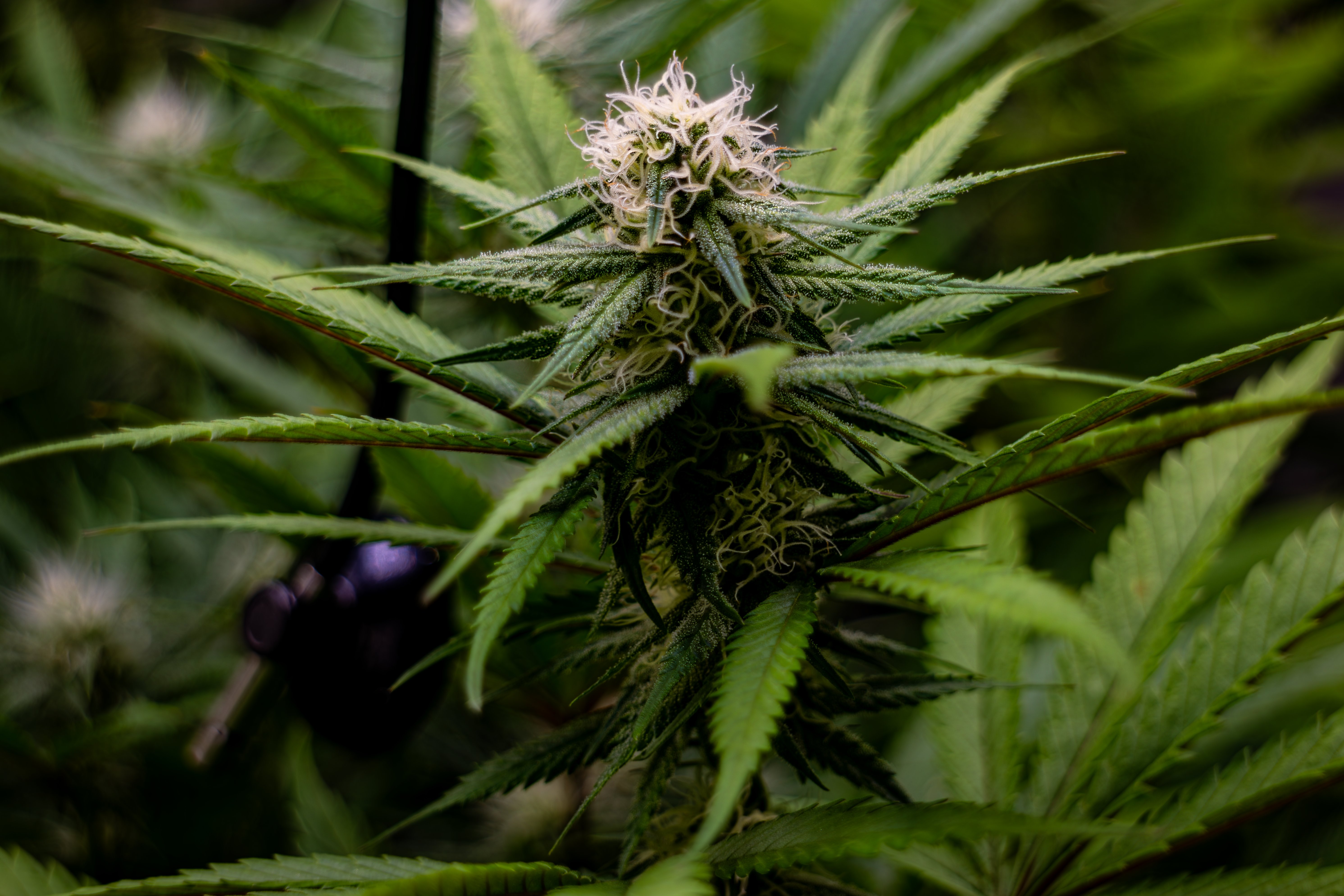
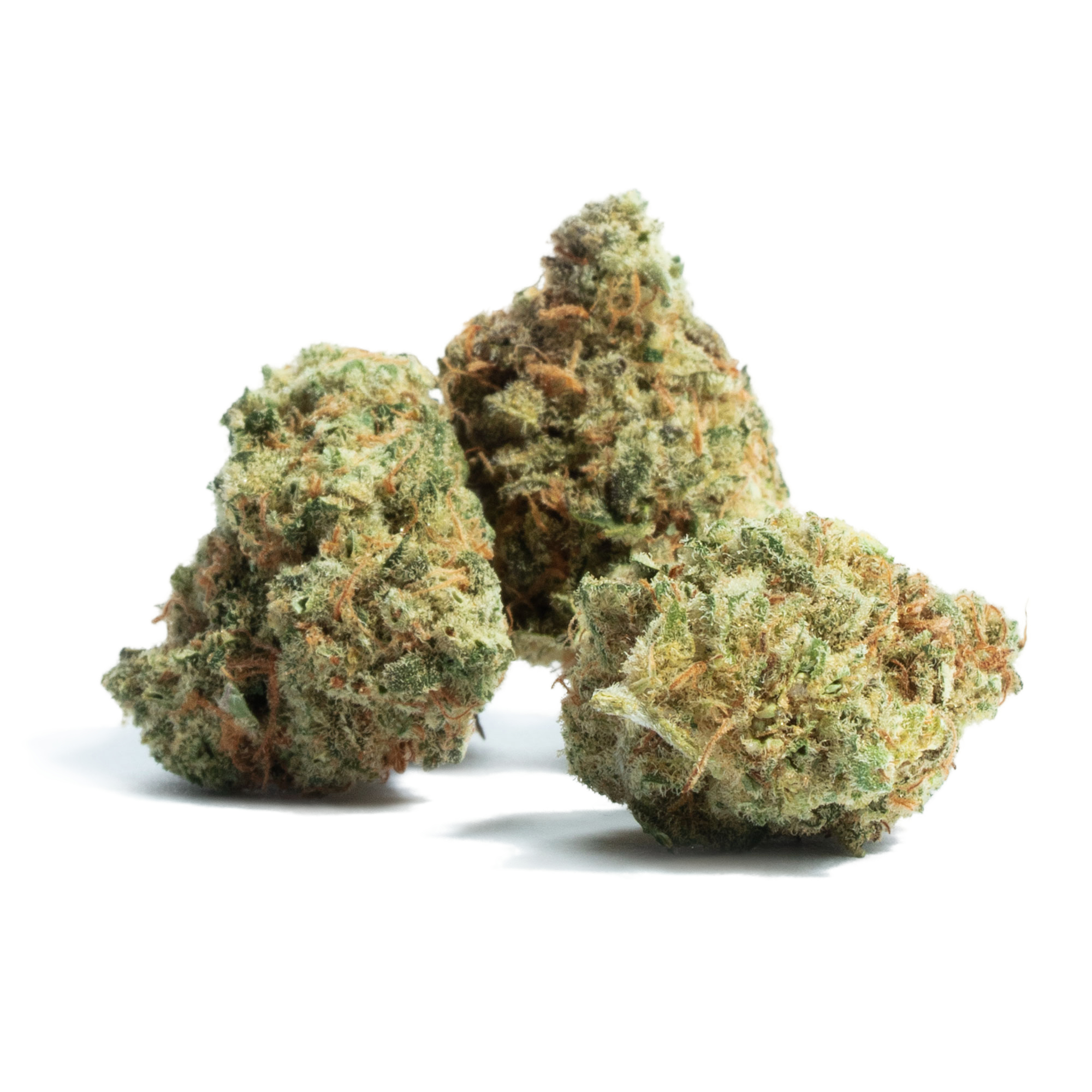
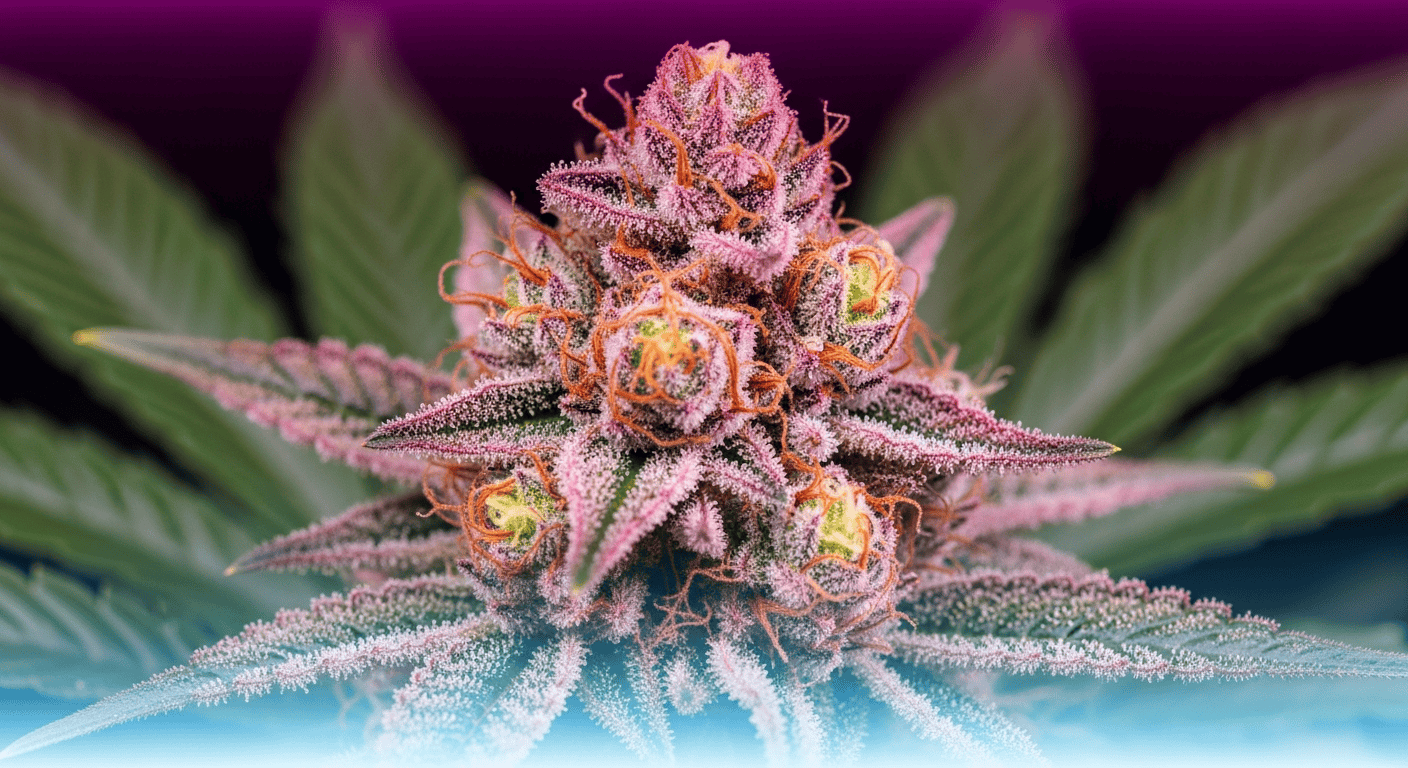
The buds mature into medium-to-large, pinecone-shaped clusters featuring dense, tightly packed calyx structures characteristic of classic Indica architecture. Under optimal late-stage flowering night temperatures (around 62°F to 65°F), the leaves and outer bracts express vivid magenta, lavender, and deep pink streaks caused by accumulated anthocyanins. A thick coat of bulbous, milky-white trichomes covers the surfaces, interspersed with dark fiery-orange pistils.
Flavor and Fragrance
- Aroma: Upon opening a jar, the room fills with an initial blast of sweet cherry preserves, ripe plums, and candied berries. As the flower breaks open, underlying notes of sour skunk, damp earth, and sharp diesel fuel emerge.
- Taste: On the intake, the palate experiences a soft, creamy stone-fruit sweetness reminiscent of cherry pastry. The exhale flips the profile toward a spicy, piney, and gassy finish that lingers pleasantly on the tongue without harshness.
Effects, Potency, and Therapeutic Applications
The onset of Pink Cherries is characterized by a swift cerebral rush that develops within minutes of inhalation. Users report an immediate lifting of mental tension, clarity, and mild euphoria. This head-focused elevation does not typically induce racing thoughts; instead, it settles the mind into a tranquil state.
As the session progresses into the second hour, the strain's Indica heritage takes precedence. A warm, soothing sensation spreads down the neck and across the shoulders, easing muscular tension and softening bodily aches. While high doses can induce heavy couch-lock, moderate consumption maintains a pleasant balance between mental warmth and physical comfort.
Common Therapeutic Uses
- Chronic Pain & Inflammation: High levels of Beta-Caryophyllene and THC help attenuate neuropathic pain, joint discomfort, and muscle spasms.
- Stress & Anxiety Management: The synergy between Limonene and Linalool aids in calming overactive nervous systems, rendering it effective for evening decompression.
- Insomnia: In larger doses during nighttime hours, the sedative properties of Myrcene help facilitate smoother transitions into restorative sleep cycles.
- Appetite Stimulation: Pink Cherries frequently induces mild-to-moderate hunger, offering support for individuals experiencing appetite loss due to medical treatments or gastrointestinal distress.
Comparative Analysis: Pink Cherries vs. Related Hybrids
To better understand where Pink Cherries fits within the current market landscape, it is helpful to compare its chemical traits and grow parameters against similar popular strains.
| Strain Name | Primary Lineage | Average THC Range | Dominant Terpenes | Typical Flowering Time | Primary Effect Profile |
|---|---|---|---|---|---|
| Pink Cherries | Cherry Pie x Pink Kush / Pink Panties | 20% - 26% | Caryophyllene, Limonene, Myrcene | 56 - 63 Days (8-9 Weeks) | Euphoric onset, deep muscle relaxation, calm head space |
| Cherry Pie | Granddaddy Purple x Durban Poison | 18% - 24% | Myrcene, Caryophyllene, Pinene | 56 - 63 Days (8-9 Weeks) | Giggly, creative elevation, mild physical relief |
| Pink Kush | OG Kush derivative | 20% - 28% | Myrcene, Caryophyllene, Linalool | 63 - 70 Days (9-10 Weeks) | Heavy body stone, intense couch-lock, sleep inducing |
| Cherry Noir | Cherry Lime Probe x Chemdawg Special Reserve | 21% - 25% | Terpinolene, Caryophyllene, Limonene | 60 - 65 Days (8-9 Weeks) | Uplifting, hazy head buzz, tart fruit aroma |
Complete Cultivation Guide for Indoor and Outdoor Growers
Cultivating Pink Cherries successfully requires intermediate horticultural knowledge. The plant responds exceptionally well to canopy management techniques and environmental manipulation to maximize yield and terpene preservation.
Environmental Parameters
To achieve optimal plant health and maximize trichome production, maintain the following environmental ranges throughout each growth phase:
| Growth Stage | Daytime Temp | Nighttime Temp | Relative Humidity (RH) | Vapor Pressure Deficit (VPD) | PPFD (Light Intensity) |
|---|---|---|---|---|---|
| Vegetative | 75°F - 82°F (24°C - 28°C) | 68°F - 72°F (20°C - 22°C) | 55% - 65% | 0.8 - 1.1 kPa | 400 - 600 µmol/m²/s |
| Early Flower | 74°F - 78°F (23°C - 26°C) | 65°F - 70°F (18°C - 21°C) | 45% - 55% | 1.1 - 1.3 kPa | 600 - 850 µmol/m²/s |
| Late Flower | 70°F - 75°F (21°C - 24°C) | 60°F - 65°F (15°C - 18°C) | 35% - 45% | 1.3 - 1.5 kPa | 850 - 1000 µmol/m²/s |
Structural Training and Canopy Management
Pink Cherries produces medium-height plants with sturdy lateral branches. Because the flowers develop into dense, heavy clusters, proper plant training early in the vegetative cycle is essential to prevent branch breakage and maximize light distribution.
- Topping: Top the main stem above the 4th or 5th node during week 3 of vegetative growth to promote a multi-topped, bushy structure rather than a single dominant cola.
- Low-Stress Training (LST) & SCROG: Utilize a Screen of Green (SCROG) netting setup. Weave lateral branches under the trellis during the early 2-week flowering stretch to create an even, horizontal canopy where every flower site receives uniform PAR light.
- Defoliation: Perform a targeted defoliation pass at Day 21 and Day 42 of flowering. Remove large lower fan leaves that block airflow through the lower canopy. This improves microclimate ventilation and drastically reduces the risk of Botrytis (bud rot) or powdery mildew inside dense bud structures.
Nutrient Requirements and Medium Selection
Pink Cherries thrives in high-quality organic living soil as well as hydroponic or coco coir setups. The strain is a moderate-to-heavy feeder, particularly demonstrating a high demand for Calcium (Ca) and Magnesium (Mg) during weeks 3 through 6 of bloom.
- Vegetative Phase: N-P-K ratio of approximately 3-1-2. Maintain soil pH between 6.2 – 6.8 (hydro/coco: 5.8 – 6.2).
- Flowering Phase: Shift to an N-P-K ratio of 1-3-4. Increase Phosphorus and Potassium levels to support dense calyx development and resin synthesis.
- Flushing Phase: Cease synthetic nutrient applications 7 to 10 days prior to harvest, using clean, pH-balanced water to encourage the plant to utilize stored carbohydrates, resulting in a cleaner-burning final product.
Harvesting, Drying, and Curing Protocol
Timing the harvest correctly preserves the ideal balance of cerebral and physical effects.
Trichome Maturity Target Harvest when approximately 70% to 80% of trichome heads display a cloudy/milky appearance, with 10% to 20% showing amber hue, and less than 10% remaining clear. Harvesting earlier (mostly clear/cloudy) yields a more energetic head high, while waiting for higher amber percentages increases sedative qualities.
Drying Conditions Hang whole plants or large branches upside down in a dedicated dark room controlled precisely at 60°F (15.5°C) and 60% Relative Humidity. Maintain slow, indirect air circulation for 10 to 14 days until stems snap cleanly rather than bend.
Curing Process Trim dried flowers and place them in airtight glass jars or food-grade storage containers, filling to 75% capacity. Store in a dark space at 62°F - 68°F. "Burp" the containers daily for 10-15 minutes during the first two weeks to release trapped moisture and gas, then reduce burping to once per week for an additional 2 to 4 weeks. Proper curing enhances the sweet cherry-gas flavor while smoothing out the smoke.
Frequently Asked Questions
Is Pink Cherries an Indica or Sativa strain?
Pink Cherries is an Indica-dominant hybrid cultivar, typically possessing a ratio of 70% Indica to 30% Sativa. It combines uplifting cerebral effects with strong physical relaxation.
What does the Pink Cherries strain taste like?
Pink Cherries features a sweet stone-fruit flavor profile reminiscent of ripe cherries and dark berries, balanced by underlying notes of earthy diesel fuel, pine, and subtle floral spice on the exhale.
How strong is the Pink Cherries strain?
Pink Cherries is considered a high-potency strain, with average total THC levels consistently testing between 20% and 26%. Inexperienced consumers should approach it with moderate dosing.
How long does Pink Cherries take to flower indoors?
When cultivated indoors under a standard 12/12 light schedule, Pink Cherries completes its flowering cycle in 8 to 9 weeks (56 to 63 days).
What are the main terpenes in Pink Cherries?
The primary terpenes present in Pink Cherries are Beta-Caryophyllene, Limonene, and Myrcene. Together, they create its signature sweet, gassy aroma and contribute to its physical and stress-relieving effects.
Image Gallery