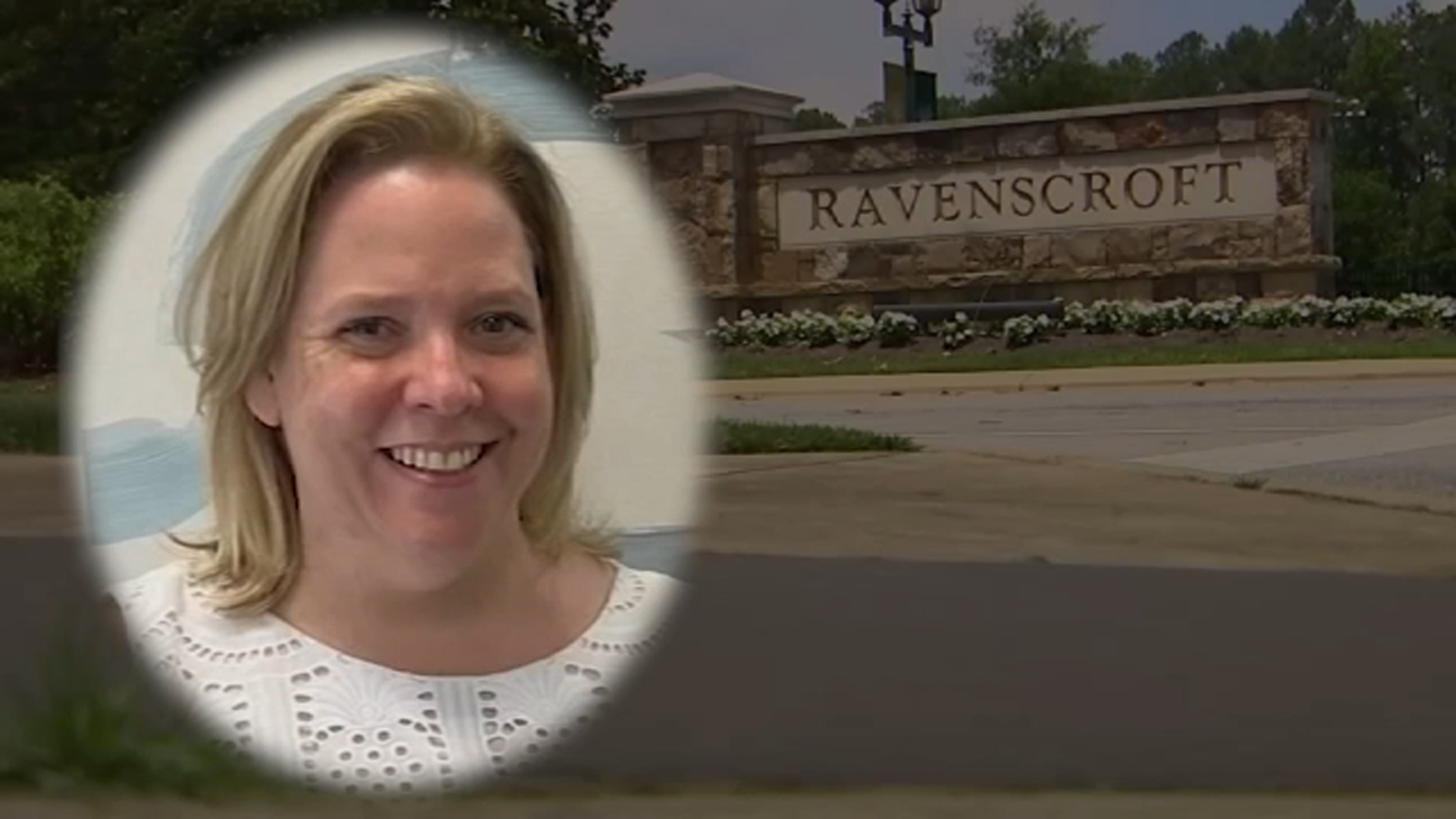
The Ravenscroft Home Invasion: Honoring the Legacy and Reviewing the Case of Bill "Skip" Long
In August 2014, Bill "Skip" Long, a veteran physical education teacher and coach at Ravenscroft School in Raleigh, North Carolina, was tragically killed during a violent home invasion. As of 2026, the legal proceedings against the perp...
In August 2014, Bill "Skip" Long, a veteran physical education teacher and coach at Ravenscroft School in Raleigh, North Carolina, was tragically killed during a violent home invasion. As of 2026, the legal proceedings against the perpetrators have long concluded, with the primary shooter serving life in prison without the possibility of parole, marking a somber chapter in the history of the Triangle’s educational community.
Contents
The Events of August 21, 2014
The tragedy unfolded in the early morning hours at the Long family home in North Raleigh. Bill Long, 62, was a staple of the Ravenscroft School community, having served there for decades as a teacher, coach, and mentor. On the night of the incident, multiple intruders entered the residence with the intent of committing a robbery. The confrontation quickly turned lethal when the intruders encountered Long.
According to investigative reports from the Raleigh Police Department, the suspects targeted the home, leading to a struggle that resulted in Long being shot. His wife, who was also present in the home, survived the harrowing ordeal but was left to deal with the immediate aftermath of the violence. The suspects fled the scene in the victim's vehicle, a 2013 Cadillac, which later became a critical piece of evidence in the manhunt that followed.
The news of the home invasion sent shockwaves through the North Raleigh neighborhood and the Ravenscroft campus. It was an uncharacteristic act of violence for the area, raising immediate concerns about residential security and the safety of educators within their own homes. For the school, the loss was not just that of an employee, but of a foundational figure who had influenced generations of students.
The Victim: Bill "Skip" Long’s Impact on Ravenscroft
To understand why this specific home invasion remains a point of deep significance in 2026, one must look at the career of Bill "Skip" Long. Long joined Ravenscroft in the 1970s and became synonymous with the school's athletic department. He wasn’t merely a physical education instructor; he was a character builder who emphasized sportsmanship, resilience, and personal integrity.
During his tenure, Long coached various sports, including football and basketball, and served as the Middle School Athletic Director. His approach to teaching went beyond the curriculum. He was known for knowing every student’s name and for his "tough but fair" mentorship style. When the news of his death broke, the outpouring of grief from alumni across the country highlighted his reach.
In the years following his passing, Ravenscroft established the Skip Long Award and various memorial funds to ensure his dedication to student-athlete development would continue. In 2026, the school continues to honor his memory through these scholarships, which are awarded to students who demonstrate the same leadership qualities Long championed throughout his life.
The Investigation and Forensic Breakthroughs
The Raleigh Police Department faced immense pressure to solve the case, given the victim's high profile and the brazen nature of the crime. The investigation pivoted on several key pieces of forensic evidence and digital footprints.
- Vehicle Recovery: The victim’s Cadillac was recovered shortly after the murder. Forensic teams processed the interior for DNA, fingerprints, and personal items left behind by the suspects.
- Surveillance Footage: Local businesses and residential security cameras provided a timeline of the suspects' movements before and after the home invasion.
- Witness Testimony: Information from associates of the suspects eventually led detectives to Marcus Raymond Smith and his accomplices.
The coordination between the Raleigh Police Department and state investigators was pivotal. By analyzing the ballistics and the entry points of the home, investigators were able to reconstruct the sequence of events, proving that the discharge of the firearm was a deliberate act during the commission of a felony, which under North Carolina law, qualifies for First-Degree Murder charges under the felony murder rule.
Legal Proceedings and Sentencing Outcomes
The pursuit of justice for Bill Long involved multiple defendants, each with varying degrees of culpability. The primary figure in the prosecution was Marcus Raymond Smith, who was identified as the individual who pulled the trigger.
The Trial of Marcus Raymond Smith
The trial was a high-profile event in the Wake County Superior Court. Prosecutors presented a compelling case that included DNA evidence found in the stolen vehicle and testimony from co-defendants who had reached plea agreements. In 2016, a jury found Smith guilty of first-degree murder, first-degree burglary, and common law robbery. Under North Carolina's structured sentencing guidelines, the conviction for first-degree murder carried a mandatory sentence of life imprisonment without the possibility of parole.
Co-Defendants and Plea Deals
Two other individuals, Montrell Lamar Davis and Brandon Jamil Sanders, were also charged in connection with the crime. Their legal paths differed from Smith’s:
- Montrell Davis: Pleaded guilty to second-degree murder and other charges. His cooperation was instrumental in securing the conviction against Smith. He received a significant prison sentence but avoided the mandatory life term associated with first-degree murder.
- Brandon Sanders: Faced charges related to the robbery and conspiracy. His involvement was deemed less direct in the actual killing, resulting in a sentence focused on the underlying felonies.
| Individual | Primary Charges | Legal Outcome | Status (as of 2026) |
|---|---|---|---|
| Marcus Raymond Smith | 1st Degree Murder, Burglary | Life without Parole | Incarcerated (NC Dept. of Adult Correction) |
| Montrell Lamar Davis | 2nd Degree Murder, Robbery | 20+ Years Sentence | Incarcerated |
| Brandon Jamil Sanders | Robbery, Conspiracy | Prison Sentence | Released/Parole (Case Dependent) |
North Carolina’s Felony Murder Rule
A critical technical aspect of this case was the application of the Felony Murder Rule. In North Carolina, if a killing occurs during the commission of a dangerous felony—such as burglary, robbery, or kidnapping—all participants in the underlying felony can be held liable for first-degree murder, regardless of who intended for the death to occur.
This legal doctrine is often a point of contention in criminal justice discussions, but in the case of the Ravenscroft teacher, it provided the framework for the prosecution to hold the group accountable. The entry into the Long residence constituted a "breaking and entering" with intent to commit a felony (burglary), which automatically elevated the resulting death to a capital offense or a life-sentence offense.
The Legacy of Safety and Community Awareness
The death of Skip Long prompted a significant shift in how the Raleigh community viewed residential safety. In the decade following the 2014 incident, there was a measurable increase in the adoption of smart home security systems and neighborhood watch programs in North Raleigh.
For the Ravenscroft School, the tragedy necessitated a review of crisis management and support systems for staff and students. The school implemented more robust counseling services and established protocols for honoring the loss of community members while maintaining an environment conducive to learning. In 2026, these systems are a standard part of the school's operational framework, ensuring that the emotional well-being of the "Raven" family is prioritized.
Frequently Asked Questions
Who was the teacher killed in the Ravenscroft home invasion?
Bill "Skip" Long was the victim. He was a long-time physical education teacher, coach, and athletic director at Ravenscroft School in Raleigh. He was highly respected for his decades of service to the school and his influence on thousands of students and athletes.
What happened to the suspects in the Skip Long case?
Marcus Raymond Smith was convicted of first-degree murder and sentenced to life in prison without parole. Montrell Lamar Davis pleaded guilty to second-degree murder and received a lengthy prison sentence. Other accomplices were charged according to their roles in the robbery and conspiracy.
Where did the home invasion take place?
The incident occurred at the Long family home in a North Raleigh neighborhood. The area was generally considered safe, which contributed to the community's shock and the subsequent increase in local security measures.
How does Ravenscroft School honor Skip Long today?
As of 2026, the school maintains several memorials, including the Skip Long Award, which is given to students who exhibit exceptional character and leadership. There are also scholarship funds named in his honor that support student-athletes.
What is the current status of Marcus Raymond Smith?
Marcus Raymond Smith is currently serving a life sentence without the possibility of parole in the North Carolina Department of Adult Correction system. Under his 2016 sentencing, he is not eligible for release.
Final Summary and Next Actions
The loss of Bill "Skip" Long remains a poignant reminder of the impact a single educator can have on a community and the devastating ripples caused by violent crime. While the legal system has provided accountability through the life sentencing of the primary perpetrator, the true resolution for the Ravenscroft community has been found in the preservation of Long’s values.
For those looking to honor his legacy or learn more about community safety:
- Support Educational Funds: Consider contributing to the Ravenscroft School's memorial scholarships that support character-driven athletic programs.
- Review Home Security: The case underscores the importance of residential security. Homeowners are encouraged to utilize modern surveillance and alarm technologies to deter potential intruders.
- Community Engagement: Engage with local neighborhood watch programs to foster a collective environment of vigilance and support.
Image Gallery