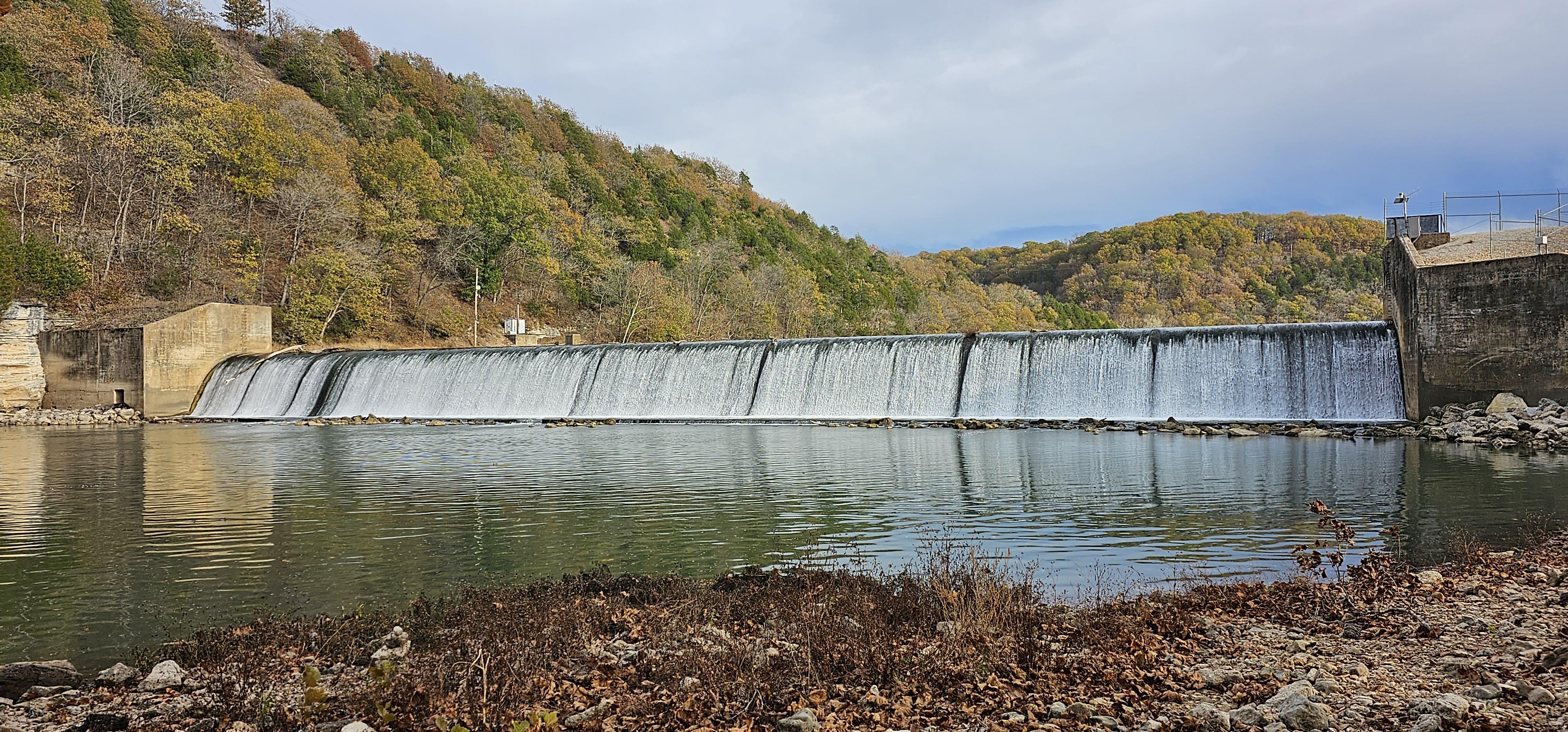
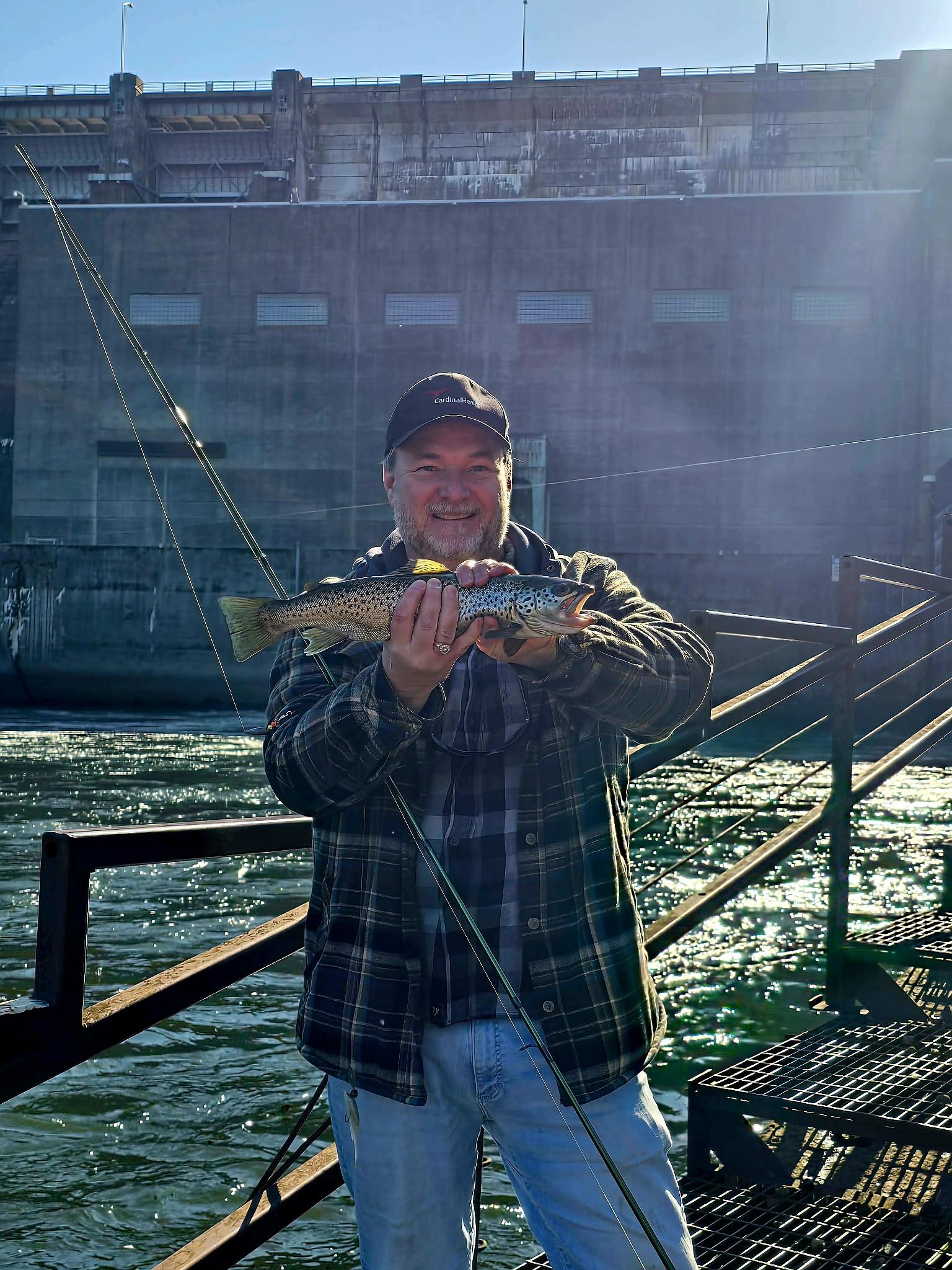
Center Hill Dam Generation Schedule and Water Release Operations 2026
The Center Hill Dam daily generation schedule is managed by the U.S. Army Corps of Engineers (USACE) Nashville District to facilitate hydroelectric power production and flood control, with specific release times determined by real-time...
The Center Hill Dam daily generation schedule is managed by the U.S. Army Corps of Engineers (USACE) Nashville District to facilitate hydroelectric power production and flood control, with specific release times determined by real-time power demand and river stage requirements. For the most accurate, live 2026 data, stakeholders must consult the official Nashville District Water Management portal, as generation schedules are subject to immediate adjustment based on grid stability and emergency weather events.
Contents
Understanding the Role of USACE Water Management
The Center Hill Dam, situated on the Caney Fork River in DeKalb County, Tennessee, serves as a critical infrastructure asset within the Cumberland River Basin. As of 2026, the primary directive for the dam remains the balanced management of the reservoir levels for flood risk reduction, hydroelectric power generation, and recreational water access.
Water release schedules are not static. Unlike a simple calendar of events, these schedules are fluid, derived from a complex interplay of variables including the current elevation of the lake, the forecasted precipitation across the watershed, and the operational status of the three Francis-type turbines located within the powerhouse. When you look for the "schedule," you are essentially looking at the anticipated load-balancing requirements of the Tennessee Valley Authority (TVA) and the USACE’s regional water management plan.
Factors Influencing Daily Generation and Release
Multiple operational constraints dictate when the floodgates open or when the turbines engage for power generation. It is vital for recreational users, such as trout fishermen and kayakers, to recognize that these factors can shift in minutes.
- Grid Demand: The TVA coordinates with the Corps to prioritize power generation during peak demand hours, which typically occur in the morning and early evening during extreme temperature periods in 2026.
- Flood Control Capacity: During high-rain events, the reservoir must be drawn down to create "flood storage" capacity, which may result in extended generation or sluice gate releases, regardless of the time of day.
- Maintenance Windows: Periodic maintenance on the generators or the penstocks can result in total cessation of flow, which significantly impacts the ecosystem and navigation downstream.
- Environmental Flow Requirements: To support the tailwater trout fishery, the Corps maintains minimum flow requirements to ensure dissolved oxygen levels remain adequate for aquatic life.
Navigating the Official Water Management Data
To access real-time information in 2026, you should rely on official government channels. The Nashville District maintains a specific web interface that provides the current lake elevation and the past 24-hour discharge data.
| Data Metric | Agency Source | Reliability |
|---|---|---|
| Reservoir Elevation | USACE Nashville District | High (Real-time) |
| Discharge (CFS) | USACE/USGS Gauging Stations | High (Real-time) |
| Generation Forecast | TVA/USACE Coordination | Moderate (Subject to Change) |
| Flood Advisories | National Weather Service | Critical (Emergency Only) |
When interpreting this data, "CFS" refers to Cubic Feet per Second. A flow rate below 500 CFS is generally considered low, while flows exceeding 4,000 CFS signify heavy generation or spillway operations, which carry significant safety hazards for those on the Caney Fork River.
Safety Protocols for Downstream River Users
The Caney Fork River downstream from Center Hill Dam is a high-traffic area for recreational boating and fishing. In 2026, the USACE enforces strict safety guidelines regarding sudden water level fluctuations.
Water Safety Warning Sudden, unannounced increases in water levels are a reality of dam operations. Always observe the signage posted at public access points. If you see the water beginning to rise rapidly or note a change in the sound of the dam, vacate the river immediately. Do not anchor boats in the main channel during scheduled generation periods, as the increase in velocity can swamp smaller vessels or cause dangerous dragging.
How to Retrieve Real-Time Generation Data
Follow these steps to obtain the most current operational status for Center Hill Dam:
- Navigate to the official USACE Nashville District Water Management website.
- Locate the "Reservoir Projects" menu and select "Center Hill."
- Check the "Current Project Data" table for the most recent hourly discharge readings.
- If planning a trip, review the "Daily Flow Forecast" which provides an outlook for the next 24 to 48 hours.
- Cross-reference this with the local National Weather Service (NWS) precipitation forecast for the Cumberland River Basin to anticipate potential water release spikes.
Common Questions Regarding Dam Operations
Does the USACE publish a fixed weekly schedule for generation? No, a fixed weekly schedule does not exist. Because generation is driven by real-time electricity demand and weather-related flood control needs, the "schedule" is updated dynamically rather than on a set weekly calendar.
What is the safest way to fish the Caney Fork near the dam? The safest approach is to wear a personal flotation device (PFD) at all times and monitor the USACE real-time gauging station data on your mobile device. If generation begins, be prepared to move to high ground immediately.
Are the generation patterns different during the summer months? Yes. In the summer of 2026, the Corps prioritizes keeping the lake at a "recreation pool" level, which typically means less aggressive drawdown compared to the spring months, unless significant rainfall necessitates emergency flood control.
Who do I contact in case of an emergency at the dam? If you observe a life-threatening situation, contact local law enforcement or the DeKalb County Emergency Management Agency immediately. Do not attempt to contact the powerhouse directly, as the staff is focused on critical infrastructure operations.
How accurate are the online discharge forecasts? While the projections are based on complex meteorological and energy-demand models, they are categorized as "forecasts" for a reason. Always treat any online projection as a baseline, but remain vigilant for real-world changes in water flow that may deviate from the forecast.
Strategizing Your Activities Around Operational Realities
For those residing in or visiting the Smithville, Tennessee area, understanding the rhythm of Center Hill Dam is essential. By monitoring the official USACE data streams in 2026, you ensure that your recreational or commercial activities on the Caney Fork River are conducted with the highest regard for safety and compliance with federal water management standards. Always prioritize the official USACE alerts over third-party mobile applications, as only the official data reflects the most current regulatory and grid-balancing decisions.
Image Gallery