What a Bankruptcy Lawyer in Minneapolis Does: A Complete Guide to Navigating Debt Relief
A bankruptcy lawyer in Minneapolis provides legal counsel to individuals and businesses facing insolvency. They guide clients through the U.S. Bankruptcy Court for the District of Minnesota, helping determine eligibility for Chapter 7...
A bankruptcy lawyer in Minneapolis provides legal counsel to individuals and businesses facing insolvency. They guide clients through the U.S. Bankruptcy Court for the District of Minnesota, helping determine eligibility for Chapter 7 or Chapter 13, filing necessary documentation, and representing debtors during mandatory creditor meetings to ensure a successful debt discharge.
Contents
Navigating the complexities of federal bankruptcy law while adhering to specific Minnesota state statutes requires more than just administrative filing. For residents of Minneapolis and the surrounding Twin Cities area, a bankruptcy attorney acts as a shield against creditor harassment, a strategist for asset preservation, and a procedural expert in a highly specialized court system. As of 2026, the legal landscape for debt relief continues to rely heavily on the intersection of the U.S. Bankruptcy Code and Minnesota’s unique exemption laws, making professional legal guidance essential for those seeking a financial fresh start.
The Core Responsibilities of a Minneapolis Bankruptcy Attorney
The primary role of a bankruptcy lawyer is to evaluate a client’s financial situation to determine if bankruptcy is the most viable path and, if so, which "chapter" offers the best protection. In the Minneapolis legal market, this involves a deep dive into the debtor’s income, expenses, assets, and liabilities.
Comprehensive Financial Analysis and Strategy
A lawyer begins by performing a holistic review of all financial obligations. They distinguish between dischargeable debts, such as credit card balances and medical bills, and non-dischargeable debts, such as certain taxes, child support, and student loans. By analyzing these categories, the attorney can project the eventual outcome of a filing, ensuring the client does not enter a legal process that fails to solve their core financial issues.
The "Means Test" Calculation
Under the Bankruptcy Abuse Prevention and Consumer Protection Act, debtors must pass a "means test" to qualify for Chapter 7 bankruptcy. A Minneapolis lawyer calculates the client's current monthly income and compares it to the median income for a household of the same size in Minnesota. If the income exceeds the median, the lawyer performs complex calculations involving allowed expenses to determine if the debtor has enough "disposable income" to fund a Chapter 13 repayment plan instead. Accuracy here is vital; an incorrect means test can lead to a case being dismissed or converted against the debtor's wishes.
Navigating the U.S. Bankruptcy Court for the District of Minnesota
Bankruptcy is a federal process, but it is administered locally. For those in Minneapolis, cases are heard at the U.S. Bankruptcy Court for the District of Minnesota, often at the Diana E. Murphy U.S. Courthouse.
Local Rules and Procedural Compliance
Every jurisdiction has "Local Rules" that supplement the Federal Rules of Bankruptcy Procedure. A Minneapolis bankruptcy lawyer ensures that every filing meets the specific formatting, deadline, and evidentiary requirements of the Minnesota district. This includes the electronic filing of petitions, schedules, and statements of financial affairs through the Case Management/Electronic Case Files (CM/ECF) system.
Interaction with the Bankruptcy Trustee
In every case, the court appoints a Trustee to oversee the proceedings. In a Chapter 7 case, the Trustee’s job is to look for non-exempt assets to sell for the benefit of creditors. In Chapter 13, the Trustee collects payments and distributes them to creditors. A lawyer acts as the primary point of contact for the Trustee, responding to requests for tax returns, bank statements, and pay stubs, and defending the client's valuation of their property.
Choosing Between Chapter 7 and Chapter 13 in Minnesota
One of the most critical services a lawyer provides is helping a client choose the correct type of bankruptcy. This decision often hinges on the client's goals, such as keeping a home or simply wiping out unsecured debt.
Chapter 7: The Fresh Start
Often called "liquidation" bankruptcy, Chapter 7 is designed to discharge most unsecured debts quickly, usually within four to six months. A Minneapolis lawyer’s role in Chapter 7 is largely focused on asset protection. They use legal exemptions to ensure the client keeps their home, car, and personal belongings. Because Minnesota allows debtors to choose between state exemptions and federal exemptions, the lawyer must perform a comparative analysis to see which set of laws offers the best protection for the client's specific assets.
Chapter 13: The Reorganization Plan
Chapter 13 is a "wage earner’s plan" where the debtor pays back a portion of their debt over three to five years. This is often used by Minneapolis residents who are behind on mortgage payments and want to avoid foreclosure. The lawyer’s primary task is to draft a feasible repayment plan that meets the court’s "best interests of creditors" test while remaining affordable for the client. The lawyer must then defend this plan during a confirmation hearing where the Trustee or creditors might object to the terms.
Strategic Asset Protection and Exemptions
In bankruptcy, "exemptions" are the laws that allow you to keep property. Minnesota is known for having a relatively generous homestead exemption, but the rules are strict regarding how long you must have lived in the state to use them.
Minnesota State Exemptions vs. Federal Exemptions
As of 2026, Minnesota remains an "opt-in" state, meaning residents can choose between the Minnesota State Exemptions (Chapter 550) or the Federal Bankruptcy Exemptions.
- Homestead: Minnesota’s homestead exemption can protect a significant amount of equity in a primary residence—far more than the federal limit in many cases.
- Personal Property: This includes vehicles, clothing, household appliances, and tools of the trade.
- Retirement Accounts: Most 401(k)s and IRAs are protected under federal law, but a lawyer ensures these are properly listed to prevent Trustee seizure.
A lawyer’s expertise prevents "asset forfeiture." If a debtor files without understanding exemptions, the Trustee can legally take and sell any property not properly exempted to pay off creditors.
The Procedural Timeline and Attorney Involvement
The bankruptcy process follows a strict timeline where a single missed deadline can result in the loss of legal protections.
- Pre-Filing Credit Counseling: The lawyer directs the client to an approved agency for a required briefing.
- The Petition Filing: The lawyer files the 50-70 page petition. This triggers the Automatic Stay, which immediately legally prohibits creditors from calling, suing, or garnishing the debtor.
- The 341 Meeting of Creditors: About 30-40 days after filing, the debtor must attend a meeting led by the Trustee. The lawyer prepares the client for the questions and attends the meeting to interject if any creditor or the Trustee oversteps.
- Debtor Education Course: The lawyer ensures the second required financial course is completed and the certificate is filed.
- Discharge: The lawyer receives the final decree from the court, signifying that the debt is legally extinguished.
Comparison of Bankruptcy Options in Minneapolis (2026)
| Feature | Chapter 7 Bankruptcy | Chapter 13 Bankruptcy |
|---|---|---|
| Primary Goal | Eliminate unsecured debt quickly | Catch up on secured debt (mortgages) |
| Typical Duration | 4 to 6 months | 3 to 5 years |
| Eligibility | Must pass the Means Test | Must have regular income/under debt limits |
| Home Foreclosure | Temporary stay; must be current to keep | Can stop foreclosure and pay arrears over time |
| Asset Risk | Non-exempt assets can be sold | Debtors usually keep all assets |
| Attorney Fees | Usually paid upfront | Often partially bundled into the payment plan |
Why Professional Representation Matters in the Twin Cities
While "pro se" (self-represented) filing is allowed, the success rates are statistically lower, particularly in Chapter 13 cases. A Minneapolis bankruptcy lawyer provides several intangible but vital benefits:
- Stopping Creditor Harassment: Once a lawyer is retained, the Fair Debt Collection Practices Act (FDCPA) generally requires creditors to communicate only with the attorney, providing immediate peace of mind even before the case is filed.
- Valuation Expertise: Determining the "fair market value" of a home in the Minneapolis-St. Paul metro area is complex. Lawyers work with appraisers to ensure valuations are defensible to the court.
- Litigation Defense: If a creditor files an "adversary proceeding" (a lawsuit within the bankruptcy) to challenge the discharge of a specific debt, the lawyer provides the necessary courtroom defense.
- Tax Implications: Bankruptcy can have significant tax consequences. A lawyer coordinates with tax professionals to ensure the debtor isn't surprised by IRS issues post-discharge.
Frequently Asked Questions
What is the average cost of a bankruptcy lawyer in Minneapolis?
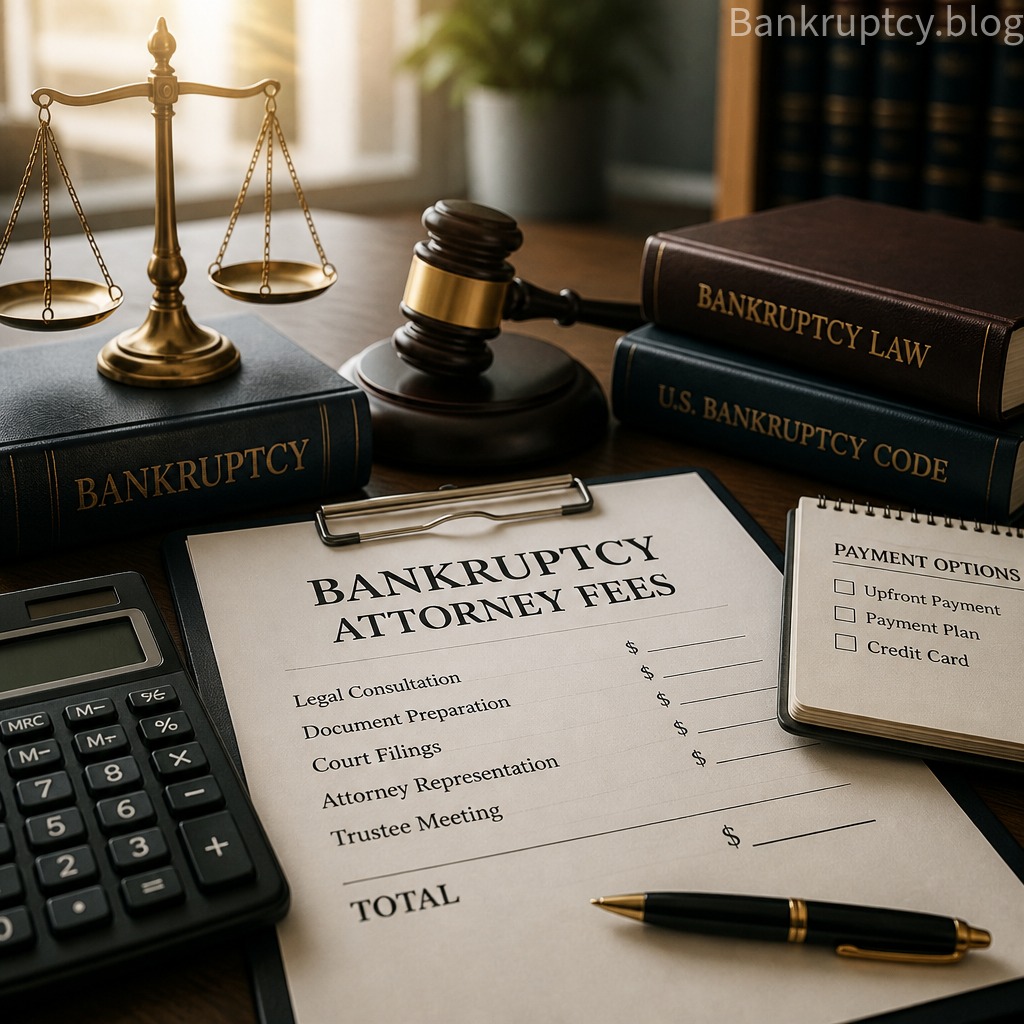
In 2026, attorney fees for a Chapter 7 case in the Minneapolis area typically range from $1,500 to $2,500, depending on the complexity. Chapter 13 fees are often higher, ranging from $3,500 to $5,000, but the court often sets "presumptive fees" that are considered reasonable, and a portion can be paid through the monthly reorganization plan.
Can a Minneapolis bankruptcy lawyer help with student loans?
While student loans are notoriously difficult to discharge, recent shifts in Department of Justice and Department of Education guidelines have made it more feasible. A lawyer can evaluate if a debtor meets the "undue hardship" standard or can assist in filing an adversary proceeding to seek a partial or full discharge of these loans.
Will I lose my car if I file for bankruptcy in Minnesota?
In most cases, no. Under Minnesota's exemption laws, a significant amount of equity in a vehicle is protected. If the car is financed, you can usually keep it as long as you continue to make your payments and sign a "reaffirmation agreement," which your lawyer will review to ensure the terms are in your best interest.
How does filing for bankruptcy affect my credit score in the long term?
Initially, a bankruptcy filing will cause a credit score to drop. However, for many Minneapolis residents, their credit is already damaged by late payments and high debt-to-income ratios. By eliminating debt, bankruptcy allows the score to begin recovering. Many people see a significant improvement within 12 to 24 months of their discharge if they manage new credit responsibly.
Can I file for bankruptcy without my spouse?
Yes. In Minnesota, an individual can file for bankruptcy without their spouse. However, the household income will still be factored into the means test. A lawyer will evaluate the "community property" aspects and joint debts to determine if a joint filing or an individual filing is more advantageous for the family unit.
Practical Recommendation
If you are facing overwhelming debt, the first step is to schedule a consultation with a qualified bankruptcy attorney who focuses exclusively or primarily on insolvency law in the District of Minnesota. Most local firms offer a free initial evaluation. Before the meeting, gather your most recent tax returns, six months of pay stubs, and a list of all creditors. This allows the attorney to provide an accurate assessment of your eligibility and the potential protection of your assets. Delaying a filing while creditors are actively garnishing wages can lead to the permanent loss of funds that could have been protected through a timely bankruptcy petition.
Image Gallery