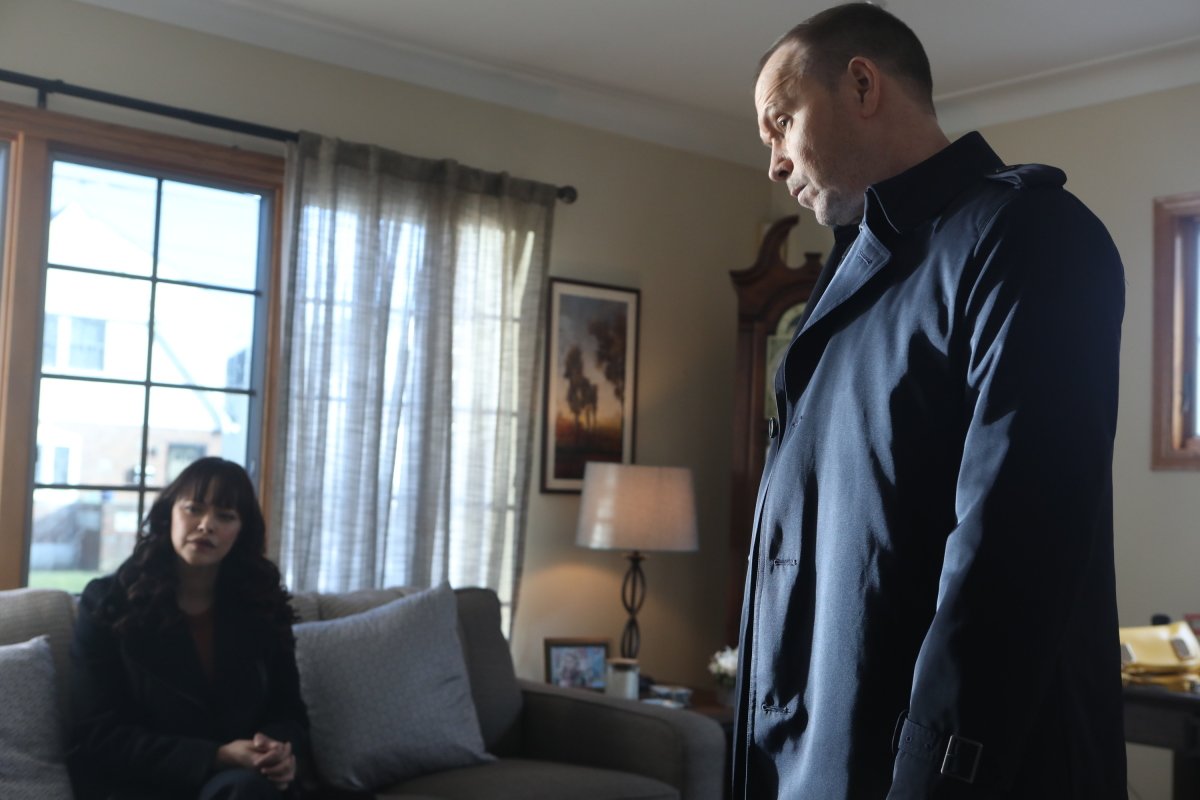
Understanding the Blue Bloods NYPD Setting: A Realistic Analysis
The Blue Bloods NYPD setting acts as a procedural drama lens, blending accurate institutional hierarchies—such as the roles of the Police Commissioner and the Detective Bureau—with dramatized internal politics. It captures the distinct...
The Blue Bloods NYPD setting acts as a procedural drama lens, blending accurate institutional hierarchies—such as the roles of the Police Commissioner and the Detective Bureau—with dramatized internal politics. It captures the distinct culture of the New York City Police Department by emphasizing the interplay between high-level administrative decision-making and the street-level realities of policing in the five boroughs.
Contents
The Institutional Hierarchy of the NYPD
At the heart of the Blue Bloods universe is the office of the Police Commissioner (PC). In the series, Frank Reagan serves as the PC, a civilian-appointed role that holds ultimate authority over the department. Unlike many television procedurals that focus solely on precinct captains or detectives, this series highlights the bureaucratic and political pressures unique to the NYPD.
The NYPD is the largest municipal police force in the United States, and the show accurately portrays it as an agency divided into specific bureaus. The primary organizational structure includes the Patrol Services Bureau, which manages the vast majority of uniformed officers, and the Detective Bureau, where many of the main characters—specifically Danny Reagan—operate. By focusing on the PC’s office, the show provides a rare "top-down" perspective, illustrating how the department must answer to the Mayor’s office, city council mandates, and the public eye, all while maintaining internal discipline.
Geography and Jurisdiction in the Series
While Blue Bloods is filmed and set within New York City, it often utilizes "fictionalized" precinct locations to maintain creative freedom. In the real NYPD, precincts are numbered and strategically placed throughout the city. The series frequently references neighborhoods such as Brooklyn, Staten Island, and Manhattan to establish context, but it intentionally blurs the lines of specific precinct jurisdictions to avoid the constraints of real-world crime statistics and neighborhood boundaries.
For the viewer attempting to understand the setting, it is important to distinguish between the show's "TV geography" and reality:
- The Precinct System: Real precincts serve specific geographic zones. When characters like Danny Reagan or Maria Baez investigate crimes, they often move across precinct boundaries—an action that requires coordination with local commanders.
- The Detective Bureau: Detectives often work out of a specific precinct but report to central commands. The show captures the territorial nature of these units while dramatizing the ease with which leads are pursued across the five boroughs.
- The Reagan Residence: The iconic Sunday dinner setting takes place in Bay Ridge, Brooklyn. This choice of location serves as a grounded anchor for the family, emphasizing their connection to a traditional, working-class neighborhood that contrasts with the administrative polish of One Police Plaza.
Comparative Analysis: Reality vs. Television Depiction
The following table outlines how Blue Bloods bridges the gap between organizational reality and television requirements.
| Feature | Institutional Reality (NYPD) | Blue Bloods Portrayal |
|---|---|---|
| Commissioner Role | Political appointment, strictly administrative | High level of operational and investigative oversight |
| Detective Workflow | Bureaucratic reporting and task force collaboration | Highly autonomous, case-focused investigations |
| Public Interaction | Governed by rigid patrol protocols | Highly individualized, ethics-driven confrontations |
| Legal Oversight | District Attorney handles trial phase | Frequent interference/collaboration with the D.A. |
The "Blue Bloods" Culture: Ethical Policing
A defining element of the series is the recurring theme of "the job" as a legacy. The Reagans are depicted as a multi-generational law enforcement family, which reflects a genuine, albeit idealized, aspect of the NYPD: the culture of "legacy hires." The show uses this dynamic to explore the pressures of institutional loyalty versus individual integrity.
In the reality of the NYPD as of 2026, the department emphasizes community-oriented policing and data-driven initiatives. The show reflects this through its focus on the PC's public appearances and the constant media pressure Frank Reagan faces. By situating the drama within the context of contemporary NYC, the writers illustrate how the PC must balance the "Blue Wall of Silence"—a frequent, if controversial, topic in the show—with the modern requirement for radical transparency and accountability.
Requirements for Authentic NYPD Procedure
To understand the setting, one must recognize that the show operates under specific procedural tropes. While it accurately depicts the use of the NYPD’s distinctive shield designs, uniforms, and the iconic One Police Plaza building, it simplifies the investigative process to fit a 42-minute narrative.
For example, the real-world process of obtaining a search warrant or filing a criminal complaint involves extensive paperwork and hours of interaction with the District Attorney's office. Blue Bloods condenses these steps into "investigative conversations." Furthermore, the show frequently depicts officers engaging in undercover work and specialized tasks that, in real life, would require different command structures or specialized units (like the Organized Crime Control Bureau) rather than the general detective squads often seen on screen.
Common Misconceptions Regarding the Setting
- Direct Command: The Police Commissioner does not personally oversee every major crime or investigation. In the real NYPD, the Chief of Detectives handles the tactical operation of the Detective Bureau. Frank Reagan’s personal involvement is a narrative device to keep the protagonist central to the plot.
- The Sunday Dinner: While the show posits that the family uses this time to influence policy, real-world law enforcement professionals are bound by strict ethics laws and regulations that would prevent family members in different branches of justice (such as a D.A. and a Police Commissioner) from discussing specific, ongoing criminal investigations.
- The D.A.'s Influence: The relationship between Erin Reagan (the Assistant District Attorney) and the police department is frequently blurred. In reality, the separation between the prosecutor's office and the police department is legally distinct to maintain the integrity of evidence and ensure due process.
Expert Guidance for Analyzing the Setting
If you are analyzing the show for historical or procedural accuracy, approach the content by separating the institutional infrastructure from the case-of-the-week plots. The infrastructure—the hierarchy, the physical locations, the terminology of the various units—is generally reflective of the NYPD. However, the decision-making process, the speed of investigations, and the personal involvement of high-ranking officials are creative liberties intended to humanize the institution.
The primary challenge in understanding the setting is acknowledging that the writers prioritize the "Reagan" perspective. This means the show favors a traditionalist, often conservative view of law enforcement that may not align with the modern progressive reforms often debated in 2026 regarding police conduct, body-worn camera requirements, and the role of the NYPD in city budget allocations.
Frequently Asked Questions
Is the Police Commissioner in Blue Bloods an elected official? No. Like the actual NYPD Commissioner, the character Frank Reagan is an appointee of the Mayor of New York City. He is not elected by the public, which makes his position politically precarious and subject to the Mayor’s approval.
Why are the detectives in the show always working across the city? While detectives are generally assigned to specific precincts, the nature of crime in a metropolis like New York requires city-wide cooperation. The show highlights this to emphasize the scope of the NYPD's authority, though in reality, jurisdictional cooperation is much more procedural and less spontaneous.
Does the NYPD actually use the "Reagan" family dinner model for policy? This is purely fictional. While high-ranking officials consult with families and advisors, the legal and ethical standards of the NYPD prohibit active investigations from being discussed in a family setting, particularly with members of the District Attorney’s office.
What is the significance of the "Blue Bloods" title? The title refers to two things: the literal "blue" of the police uniform and the metaphorical "blue blood" of a family that has served the department for generations. It underscores the theme that the Reagans view policing as a noble calling, inherited by birthright and duty.
How does the setting reflect modern NYC? The series incorporates elements of modern New York, including its diverse population and the constant tension between public safety and civil liberties. By maintaining a constant, evolving backdrop of the city’s streets, the show attempts to ground its characters in the genuine, bustling reality of the five boroughs.
Final Recommendation
To gain a deeper understanding of the Blue Bloods NYPD setting, focus your attention on the administrative scenes at One Police Plaza. These moments, while dramatized, offer the most insight into how the actual NYPD functions as an organization. When watching the investigative scenes, compare the actions taken by Danny Reagan against standard public resources like the NYPD’s official community outreach guidelines to see where the series diverges from modern policing protocols.
Image Gallery