Navigating Vaccine Injury: Understanding Definitions, Reporting, and Compensation Systems
A vaccine injury refers to an adverse physical or neurological reaction caused directly by an immunization, ranging from temporary localized shoulder inflammation to rare systemic conditions. While most adverse events are mild and tran...
A vaccine injury refers to an adverse physical or neurological reaction caused directly by an immunization, ranging from temporary localized shoulder inflammation to rare systemic conditions. While most adverse events are mild and transient, established legal and medical frameworks exist to evaluate, diagnose, and compensate individuals who experience severe, documented harm.
Contents
Defining Vaccine Injury in Modern Medicine
To understand what constitutes a vaccine injury, medical professionals and regulatory bodies distinguish between normal post-immunization responses and true pathological damage. When a person receives an injection, the immune system naturally responds to antigens. This process frequently triggers mild, expected side effects such as low-grade fever, fatigue, muscle aches, and soreness or swelling at the injection site. These symptoms typically resolve independently within a few days and indicate that the body is building protection against the target pathogen.
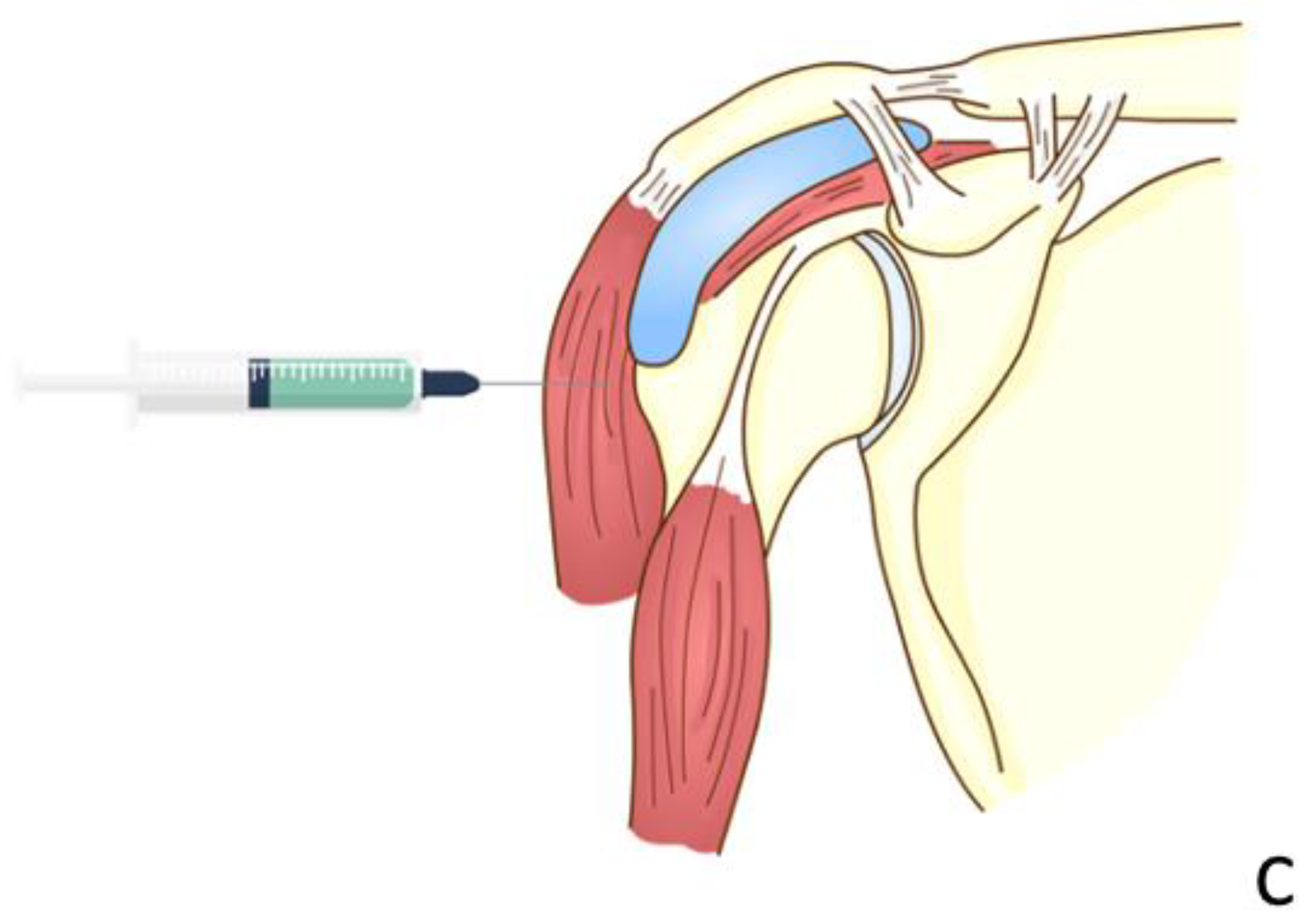
In contrast, a vaccine injury involves an uncommon, severe, or prolonged medical condition that occurs temporally and causally following administration. Medical literature categorizes these events into distinct clinical entities. Some reactions are allergic, such as anaphylaxis—a rapid-onset, severe allergic reaction requiring immediate epinephrine intervention. Other complications relate to the administration technique itself, such as Shoulder Injury Related to Vaccine Administration (SIRVA), which occurs when a vaccine is inadvertently injected too high or too deep into the bursa or joint space rather than the deltoid muscle.
Distinguishing a coincidental medical event from a true vaccine-induced pathology requires rigorous epidemiological studies, clinical trials, and post-market surveillance. Regulatory bodies like the U.S. Food and Drug Administration (FDA) and the Centers for Disease Control and Prevention (CDC) monitor safety signals through systems like the Vaccine Adverse Event Reporting System (VAERS). VAERS acts as an early-warning mechanism rather than a database of proven injuries, meaning any member of the public or healthcare provider can submit a report. Researchers then analyze these reports to determine whether a statistical anomaly exists that warrants deeper investigation.
Recognized Types of Vaccine Injuries and Clinical Classifications
Medical science and legal frameworks recognize specific conditions associated with certain immunizations. While millions of doses are administered safely each year, continuous monitoring has identified distinct categories of adverse outcomes.
Shoulder Injury Related to Vaccine Administration (SIRVA)
SIRVA is among the most frequently reported claims in modern compensation systems. It occurs when anatomical structures within the shoulder—such as the subdeltoid bursa, rotator cuff tendons, or nerves—experience trauma from an incorrect needle placement. Symptoms include persistent, intense shoulder pain, limited range of motion, and weakness that begins within 48 hours of the injection and fails to improve with standard over-the-counter anti-inflammatory medications.
Guillain-Barré Syndrome (GBS)
Guillain-Barré Syndrome is a rare neurological disorder in which the body's immune system damages peripheral nerve cells, causing muscle weakness and sometimes paralysis. While GBS can be triggered by common bacterial or viral infections (such as Campylobacter jejuni or influenza), epidemiological data have also linked it to specific formulations, historically including certain influenza and meningococcal vaccines. Most individuals fully recover from GBS, though severe cases require intensive hospital care.
Anaphylaxis and Acute Allergic Reactions
Anaphylaxis is an immediate, severe hypersensitivity reaction characterized by difficulty breathing, widespread hives, swelling of the throat or tongue, and a sudden drop in blood pressure. Because this reaction typically manifests within minutes of receiving an injection, vaccination sites are legally and medically required to stock epinephrine and monitor patients for a standard 15-minute observation period.
| Injury Category | Typical Onset Window | Primary Symptoms | Common Diagnostic Methods |
|---|---|---|---|
| SIRVA | 0 to 48 hours | Persistent shoulder pain, reduced range of motion | Physical examination, MRI, ultrasound |
| Anaphylaxis | Minutes to hours | Hives, wheezing, throat swelling, hypotension | Clinical observation, vital signs monitoring |
| Guillain-Barré Syndrome | 1 to 4 weeks | Progressive symmetrical weakness, loss of reflexes | Electromyography (EMG), lumbar puncture |
| Acute Disseminated Encephalomyelitis (ADEM) | Days to weeks | Encephalopathy, confusion, neurological deficits | MRI of the brain and spinal cord, cerebrospinal fluid analysis |
The Mechanics of Safety Surveillance and Causality Assessment
Establishing a definitive causal link between a vaccine and a specific injury requires rigorous scientific methodology. Correlation does not automatically equal causation. For example, because millions of doses are administered across diverse populations, random health events—such as cardiovascular incidents, autoimmune flare-ups, or sudden neurological diagnoses—will occasionally occur shortly after an individual receives an injection purely by coincidence.
To separate true vaccine-induced risks from background disease rates, public health agencies rely on robust surveillance networks. The Vaccine Safety Datalink (VSD) and the Clinical Immunization Safety Assessment (CISA) network collaborate with academic medical centers to conduct controlled epidemiological studies. These networks compare the incidence rate of specific health outcomes in vaccinated populations against unvaccinated control groups.
When safety signals are confirmed, regulatory bodies update product labeling, issue clinical guidance, or, in rare instances, alter recommendations for specific vaccine formulations. This transparent, data-driven feedback loop ensures that medical providers remain informed of emerging risks while maintaining high standards of public immunization coverage.
Legal and Compensation Frameworks for Vaccine-Related Harm
Because public health immunization programs benefit society as a whole, specialized legislative frameworks have been established in various jurisdictions to handle rare adverse events. In the United States, for instance, Congress established the National Vaccine Injury Compensation Program (VICP) under the National Childhood Vaccine Injury Act of 1986.
The VICP serves as a federal no-fault alternative to the traditional tort litigation system. Instead of suing a pharmaceutical manufacturer or a healthcare provider in civil court, an injured petitioner files a claim against the U.S. Department of Health and Human Services (HHS) in the U.S. Court of Federal Claims. Special masters hear these cases, evaluating medical records, expert witness testimony, and adherence to the official Vaccine Injury Table—a list of specific conditions and associated timeframes presumed to be vaccine-related.
- Patient Experiences Adverse Event
- Consultation with Physician & Medical Documentation
- Filing Petitions in Compensation Program (e.g., VICP)
- Medical Review by Special Masters & Experts
- Claim Compensated
- Claim Dismissed / Alternative Review
Key Elements of Filing a Compensation Claim
- Statute of Limitations: Strict deadlines apply. In the VICP, petitions must generally be filed within three years of the first symptom onset, or within two years of a death resulting from a vaccine-related injury.
- Severity Threshold: The residual effects of the injury must have lasted for more than six months, resulted in inpatient hospitalization and surgical intervention, or caused death.
- Legal Representation: Claimants often retain specialized legal counsel experienced in vaccine litigation. The program frequently covers reasonable attorney fees and costs regardless of whether the petition is ultimately successful, provided the claim is filed in good faith and has a reasonable basis.
Clinical Diagnosis and Medical Management
When a patient presents with symptoms that may stem from a vaccine-related event, the primary clinical objective is accurate diagnosis and supportive care. Misdiagnosing a vaccine injury or attributing unrelated symptoms to an immunization can delay appropriate specialized treatment.
Physicians begin with a comprehensive clinical history, focusing strictly on the timeline between injection and the onset of symptoms. Blood tests, imaging studies (such as magnetic resonance imaging for neurological or musculoskeletal complaints), and electromyography help rule out alternative etiologies.
Once diagnosed, management focuses on rehabilitation and symptom mitigation. For instance, physical therapy and corticosteroid injections are primary interventions for confirmed cases of SIRVA, while intravenous immunoglobulin (IVIG) or plasmapheresis may be utilized for acute neurological manifestations like Guillain-Barré Syndrome. Furthermore, treating physicians are ethically and legally encouraged to submit an independent report to VAERS to contribute to ongoing public health surveillance.
Frequently Asked Questions
What is the difference between a common side effect and a vaccine injury?
Common side effects are mild, predictable reactions—such as low-grade fever, arm soreness, and fatigue—that resolve within a few days without medical intervention. A vaccine injury involves an uncommon, severe, or long-lasting medical condition, such as permanent nerve damage, severe allergic anaphylaxis, or chronic shoulder joint pathology requiring medical treatment.
How can I report a suspected vaccine injury?
Anyone can submit a report to the Vaccine Adverse Event Reporting System (VAERS), managed jointly by the CDC and the FDA. Patients can work with their healthcare provider to complete the online reporting form or submit details independently to ensure public health authorities capture the safety signal.
Do I need a lawyer to file a claim with the Vaccine Injury Compensation Program?
While petitioners are not legally required to hire an attorney, navigating the complex evidentiary standards of the U.S. Court of Federal Claims is challenging. Most claimants retain specialized legal representation. The program's cost structure is designed so that reasonable legal fees do not come out of the petitioner's awarded compensation.
Are all vaccines covered under federal compensation programs?
No. Compensation programs maintain specific lists of covered immunizations recommended for routine administration to children or adults. Each jurisdiction or program outlines specific eligibility criteria, and individuals should verify that the specific vaccine in question falls within the governing agency's recognized table of injuries.
Can vaccine injuries develop weeks or months after the injection?
Most true immune-mediated or localized administration injuries manifest within hours to several weeks following the injection. Symptoms that appear many months later are rarely causally linked to an immunization, as biological mechanisms typically trigger adverse immune or inflammatory responses shortly after antigen exposure.
Next Actions and Professional Guidance
Individuals who suspect they or a family member have suffered a vaccine injury should prioritize comprehensive medical documentation. Schedule an appointment with a qualified physician to diagnose the symptoms, establish a clear timeline, and initiate appropriate medical treatment. If pursuing financial compensation through an administrative program like the VICP, consult a specialized legal professional promptly to ensure all statutory deadlines and filing requirements are met within the applicable timeframe.
Image Gallery