Understanding VVCM in Smart Home Power: Optimization and Efficiency
VVCM, or Variable Voltage Control Module technology, is a sophisticated power management component designed to dynamically regulate and stabilize voltage levels within a smart home ecosystem. By adjusting electrical output in real-time...
VVCM, or Variable Voltage Control Module technology, is a sophisticated power management component designed to dynamically regulate and stabilize voltage levels within a smart home ecosystem. By adjusting electrical output in real-time based on load demand and source stability, VVCM ensures that sensitive appliances operate at peak efficiency while protecting them from the wear and tear caused by voltage fluctuations.
Contents
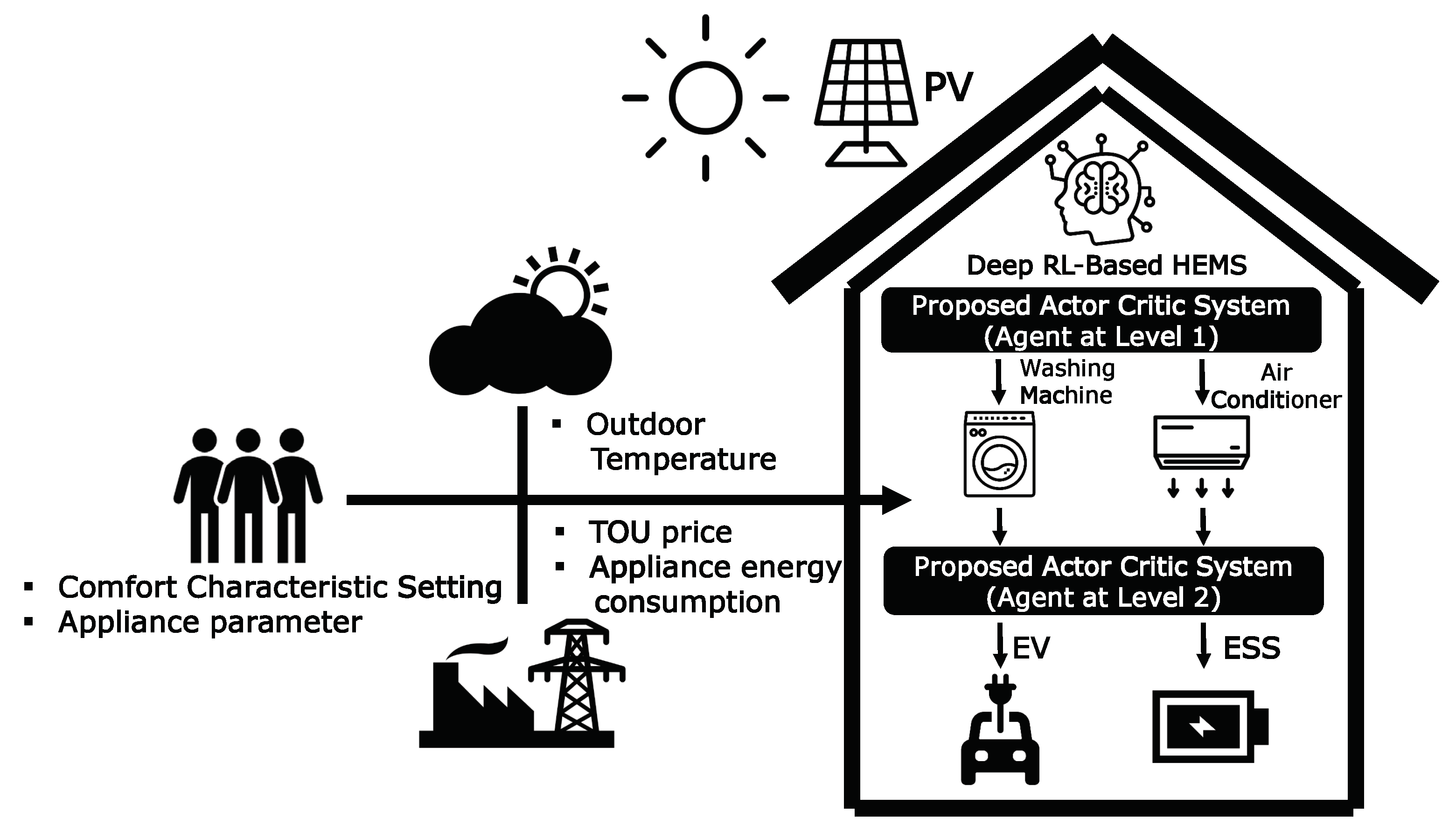
In the landscape of 2026, the transition from "passive" electrical grids to "active" smart home environments has necessitated a more granular approach to power distribution. As modern homes increasingly integrate a complex mix of grid power, solar photovoltaic (PV) arrays, and battery energy storage systems (BESS), the need for a stabilizing force has never been greater. VVCM serves as this critical intermediary, acting as the "brain" that fine-tunes the electricity flowing through your walls.
The Evolution of Power Management in Smart Homes
Historically, residential electrical systems were designed for a one-way flow of electricity at a relatively static voltage. Traditional transformers at the street level would step down high-voltage utility power to a standard 120V or 240V for home use. However, this system was inherently "dumb." If the grid experienced a momentary dip or if a high-draw appliance like an HVAC compressor kicked in, the voltage across the entire home could sag, leading to flickering lights and potential damage to microprocessors in computers and smart devices.
By 2026, the standard for high-end residential construction has shifted toward Variable Voltage Control. The VVCM is the hardware manifestation of this shift. Unlike traditional voltage regulators that merely "clamp" excess voltage or provide a bridge during a total outage, a VVCM-enabled system proactively modifies the sine wave and amplitude of the current. This ensures that even if the incoming solar power is fluctuating due to cloud cover, or the grid is experiencing "brownout" conditions, the internal home environment remains perfectly stable.
How VVCM Functions Within the Smart Panel
At its core, a Variable Voltage Control Module utilizes high-speed power electronics—often leveraging Silicon Carbide (SiC) or Gallium Nitride (GaN) semiconductors—to perform rapid-fire switching. These materials allow the module to handle high voltages with minimal heat loss, a significant upgrade over the silicon-based components used in the early 2020s.
The process follows a sophisticated logic loop:
- Sensing: The VVCM continuously monitors the incoming voltage from all sources (Grid, Solar, Battery, or EV-to-Home).
- Analysis: The onboard processor compares the current state to the optimal requirements of the active loads (appliances) in the home.
- Correction: Using Pulse Width Modulation (PWM), the module adjusts the output voltage. If the voltage is too high, it efficiently steps it down; if it is too low, it utilizes stored energy from capacitors or batteries to "boost" the line.
- Distribution: The corrected power is sent to specific circuits, often prioritizing "mission-critical" loads like medical equipment or home servers.
This level of control is essential for the longevity of modern appliances. Many 2026-era smart refrigerators and washing machines use brushless DC (BLDC) motors which are highly efficient but extremely sensitive to "dirty" power. A VVCM filters this electrical noise, ensuring these expensive investments reach their intended 15-to-20-year lifespans.
Key Benefits of VVCM Implementation
Implementing VVCM technology offers three primary advantages: efficiency, protection, and grid independence.
1. Enhanced Energy Efficiency
When appliances receive voltage that is even 5% higher than their rated requirement, they often dissipate the excess energy as heat. This is not just a safety concern; it is a waste of money. VVCM keeps the voltage at the "sweet spot" for each circuit. According to data from the U.S. Department of Energy, precise voltage regulation can reduce overall residential energy consumption by 3% to 5% annually without changing user behavior.
2. Protection of Sensitive Electronics
We live in an era of "everything is a computer." From your toaster to your smart blinds, every device contains a logic board. These components are susceptible to "micro-surges"—voltage spikes that are too small to trip a traditional surge protector but large enough to degrade silicon pathways over time. A VVCM acts as a continuous buffer, providing a "clean" electrical environment that prevents the slow death of home electronics.
3. Optimized Renewable Integration
Solar panels produce Direct Current (DC), which must be converted to Alternating Current (AC). During this conversion, and during the handoff between solar and battery power, voltage ripples are common. VVCM modules are often integrated directly into Smart Electrical Panels or hybrid inverters to smooth these transitions. This makes the switch from grid-tied to off-grid mode (during a power failure) virtually imperceptible to the home's occupants.
Comparing VVCM to Traditional Power Solutions
To understand the value proposition of VVCM in 2026, it is helpful to see how it stacks up against older technologies.
| Feature | Traditional Surge Protector | Uninterruptible Power Supply (UPS) | VVCM Technology |
|---|---|---|---|
| Primary Goal | Stop catastrophic spikes | Provide temporary backup power | Active, continuous voltage optimization |
| Response Time | Nanoseconds (at threshold) | Milliseconds | Real-time / Continuous |
| Efficiency Impact | None | Low (battery maintenance draw) | High (reduces appliance heat waste) |
| Hardware Scope | Single outlet or panel-wide | Individual device or rack | Whole-home / Circuit-specific |
| Integration | Passive | Standalone | Integrated into Smart Energy Management (EMS) |
Installation and Technical Requirements
Integrating VVCM into a home is not a "plug-and-play" task for a DIY enthusiast. It requires a professional installation by a certified electrician familiar with modern Energy Management Systems (EMS).
System Compatibility
Most VVCM units are designed to fit within or alongside smart panels like those produced by Schneider Electric, Span, or Tesla. In 2026, these panels are the standard for new net-zero homes. If you are retrofitting an older home (built before 2015), you may need to upgrade your main service panel to accommodate the communication bus required for the module to "talk" to your smart appliances.
Cost Considerations
As of 2026, the cost for a whole-home VVCM integration typically ranges from $1,200 to $2,800, depending on the number of circuits being managed and the total amperage of the home. While this is a significant upfront investment, the ROI is measured in two ways:
- Direct Savings: Lower monthly utility bills due to reduced heat waste.
- Indirect Savings: Avoided costs of replacing a $4,000 smart HVAC system or a $2,500 refrigerator that would have otherwise succumbed to voltage stress.
Common Challenges and Troubleshooting
While highly reliable, VVCM systems are not without potential issues. The most common problem is harmonic distortion, which can occur if the module's switching frequency interferes with older, non-shielded electronics (like legacy intercom systems or high-end analog audio equipment).
- Heat Dissipation: Although SiC/GaN components are efficient, the modules still generate heat during heavy regulation. Ensuring the electrical cabinet has proper ventilation is critical.
- Firmware Updates: Since the VVCM is a "smart" component, it requires periodic firmware updates to remain compatible with new grid protocols or appliance communication standards (like Matter 2.0).
- Diagnostic Alerts: Most systems will send a notification to your smartphone if they detect persistent "dirty" power coming from the utility. This is often a sign of a failing transformer on the utility's side, which you can then report before a total failure occurs.
The Future: VVCM and Vehicle-to-Home (V2H)
Looking ahead through the remainder of 2026, the role of VVCM is expanding into the automotive sector. As more homeowners use their Electric Vehicles (EVs) as massive home batteries, the VVCM becomes the essential "gatekeeper." EV batteries operate at very high DC voltages (often 400V or 800V). Stepping this down to usable 120V/240V AC for a home requires the precise, variable control that only VVCM technology provides. This ensures that using your truck to power your house during a storm doesn't fry your home's delicate sensors.
Frequently Asked Questions
Does VVCM replace my surge protector?
No. While VVCM provides excellent regulation against minor fluctuations and "brownout" conditions, a dedicated Whole-Home Surge Protective Device (SPD) is still necessary to guard against catastrophic events like lightning strikes. Think of the VVCM as a precision tuner and the SPD as a heavy-duty security gate.
Will VVCM lower my electricity bill?
Yes, but the amount varies. Most users see a reduction of 3% to 7% in their energy usage. The primary savings come from motors and compressors running cooler and more efficiently, as they aren't fighting against over-voltage or under-voltage conditions.
Can I install VVCM in an older house?
Yes, but it usually requires a panel upgrade. Older "dumb" panels do not have the logic rails or the physical space to accommodate the sensors and switching modules that make up a VVCM system. A professional assessment by an electrician specializing in "Smart Home Power" is recommended.
Is VVCM the same as a Power Factor Corrector?
They are related but different. Power Factor Correction (PFC) focuses on the phase alignment of voltage and current to improve efficiency on the utility side. VVCM is broader; it manages the actual voltage level (amplitude) and stability to protect the consumer side (your appliances).
Does this technology work with off-grid solar systems?
VVCM is arguably most valuable in off-grid systems. Solar and wind energy are inherently variable. A VVCM ensures that this variability never reaches your appliances, providing a "utility-grade" or even "laboratory-grade" power environment regardless of weather conditions.
Practical Recommendation
If you are building a new home or upgrading your electrical system in 2026, prioritize a Smart Panel with integrated VVCM capabilities. The initial cost is often offset within five to seven years through energy savings and extended appliance life. For those with significant investments in home automation and high-end electronics, VVCM is no longer an optional luxury; it is a foundational requirement for a stable, modern home. Start by consulting with an IEEE-certified electrical engineer or a specialized smart-home contractor to audit your current power quality.
Image Gallery