Mastering Short Hair with Choppy Layers: The Definitive 2026 Style and Maintenance Guide
Rocking short hair with choppy layers offers a dynamic, textured aesthetic that instantly adds volume, movement, and an edgy edge to your overall look. Whether you are transitioning from a sleek bob or opting for a bold pixie cut, mast...
Rocking short hair with choppy layers offers a dynamic, textured aesthetic that instantly adds volume, movement, and an edgy edge to your overall look. Whether you are transitioning from a sleek bob or opting for a bold pixie cut, mastering this textured style requires understanding your hair type, proper cutting techniques, and daily maintenance routines to keep your layers sharp and defined.
Contents
Understanding the Anatomy of Choppy Layers in Short Hair
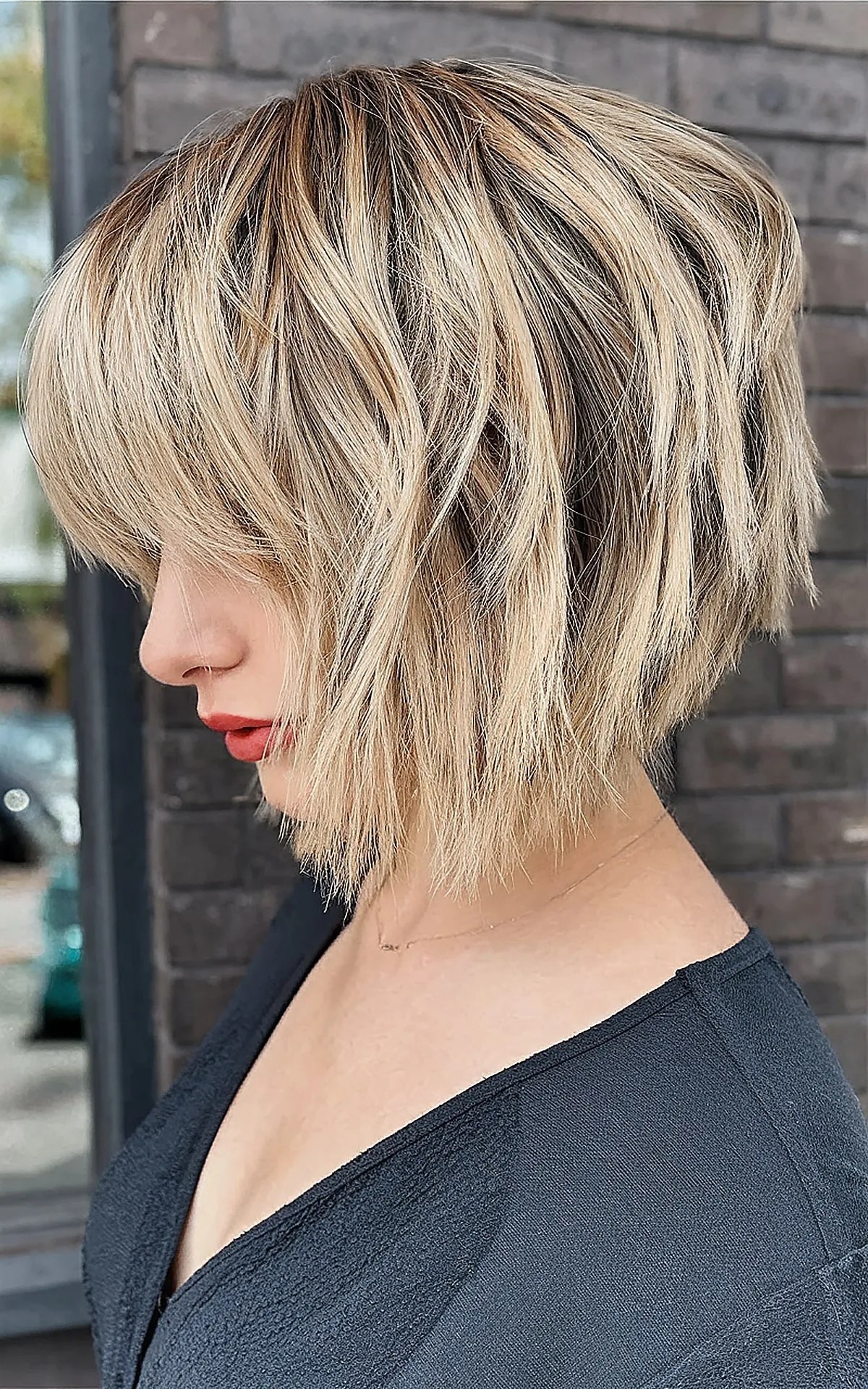
Achieving a successful choppy short haircut requires precision cutting and texturizing techniques. Unlike blended layers that create a smooth, graduated transition, choppy layers are intentionally disconnected and piece-y. Stylists typically use specialized shears, razors, or point-cutting methods to remove weight from the ends, creating jagged, textured edges that catch the light and create natural dimension.
When evaluating this style for your face shape and hair texture, consider the following structural elements:
- Weight Distribution: Removing bulk from the crown and sides prevents the mushroom effect often associated with short hair.
- Point Cutting: The technique of cutting into the hair ends at an angle, which softens the lines and creates the signature jagged texture of choppy layers.
- Razor Cutting: Often utilized on straight or wavy hair to add natural fraying and lightweight movement to the ends.
Tailoring Choppy Layers to Your Face Shape and Hair Texture
Every hair type reacts differently to texturizing and layering. Adapting a short, choppy cut to your specific physical features ensures that the style enhances your natural bone structure rather than fighting against it.
Fine Hair
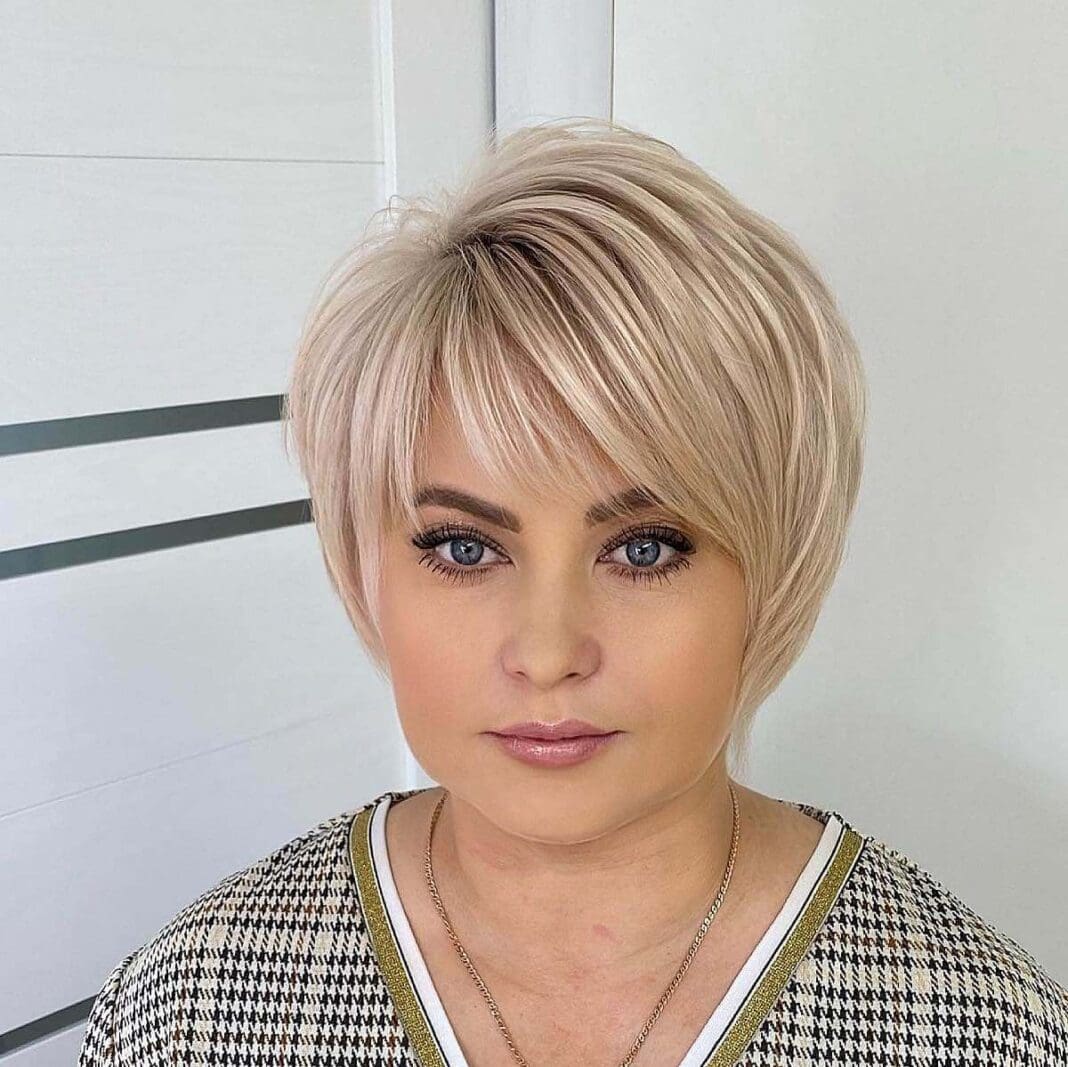
Fine hair benefits immensely from choppy layers because the removal of weight at the ends creates the illusion of thickness and volume. Shorter cuts like a textured crop or a shattered micro-bob give fine strands an instant lift at the root.
Thick Hair
Thick hair can easily become overly bulky in a short cut. Choppy layers act as an internal thinning system, de-bulking dense manes and allowing the hair to lay flat and move freely without expanding outward.
Wavy and Curly Hair
While traditionally associated with straight hair, choppy layers on wavy textures produce a modern, undone, effortless look. The layers prevent waves from clumping into a uniform shape, distributing volume evenly across the head.
Comparing Short Layered Styles
| Style Name | Best Hair Type | Maintenance Level | Key Styling Product |
|---|---|---|---|
| Textured Pixie | Fine to Medium | High (Trims every 4 weeks) | Matte Clay |
| Shattered Bob (Choppy Lob) | Straight to Wavy | Moderate (Trims every 6-8 weeks) | Sea Salt Spray |
| Shaggy Crop | Thick or Wavy | Low to Moderate | Texturizing Paste |
| Undercut with Choppy Top | Thick or Coarse | High | Strong-Hold Pomade |
Step-by-Step Styling Routine for Short Choppy Hair
Styling short hair with choppy layers is all about accentuating the individual pieces and building flexible hold. Follow this structured process to style your cut for maximum texture and longevity:
- Prep Damp Hair: Apply a lightweight volumizing mousse or root-lifting spray to towel-dried hair, focusing on the crown and roots to establish a strong foundation.
- Rough Blow-Drying: Use a blow dryer on a medium-heat, high-airflow setting, using your fingers to tousle the hair in various directions. Avoid using a round brush, as you want to encourage natural texture rather than smoothness.
- Define with Heat (Optional): For stubborn pieces or to polish specific face-framing layers, use a small-barrel flat iron or curling wand. Twist random sections in alternating directions to enhance the shattered, piece-y effect.
- Apply Texturizing Product: Warm a dime-sized amount of matte paste, clay, or styling wax between your palms. Work the product through the mid-lengths and ends, pinching individual sections to define the choppy layers.
- Set the Style: Finish with a flexible-hold hairspray to lock the texture in place without sacrificing natural movement.
Essential Maintenance and Upkeep Strategies
Maintaining short hair with choppy layers requires a commitment to regular salon visits and targeted at-home care. Because choppy cuts rely heavily on precise geometry and tapered ends, minor growth can quickly alter the shape.
Salon Visit Frequency
Plan for a maintenance trim every 4 to 6 weeks. If you wear an ultra-short pixie with choppy top layers, you may need neckline clean-ups and edge detailing every 3 weeks to keep the cut looking intentional rather than overgrown.
At-Home Hair Care
- Clarifying Washes: Because styling short hair often involves daily product application (waxes, clays, sprays), use a clarifying shampoo once a week to remove buildup that can weigh down fine layers.
- Moisture Balance: While styling products provide texture, they can dry out the ends. Incorporate a weekly lightweight hydrating mask to keep the tips healthy and prevent split ends from fraying the choppy aesthetic.
Pros and Cons of Going Short with Choppy Layers
| Advantages | Disadvantages |
|---|---|
| Adds instant volume and dynamic movement | Requires frequent salon maintenance for shape retention |
| Versatile styling options (messy, sleek, or spiked) | Can be difficult to tie back or secure during grow-out phases |
| Excellent for de-bulking thick hair types | Styling product dependency to maintain definition |
| Low drying and daily styling time | High potential for awkward phases if poorly cut |
Expert Styling Tip: When applying wax or clay to short choppy layers, always start at the back of the head and work your way forward. This prevents product overload on the delicate framing pieces around your face and ensures even distribution across the crown.
Frequently Asked Questions
How do I style short choppy layers without making my hair look greasy?
Start with a very small amount of styling product, roughly the size of a pea, and emulsify it completely between your palms before touching your hair. Avoid applying heavy oils, pomades, or heavy waxes directly to the roots, focusing instead strictly on the mid-lengths and tips to maintain clean volume.
Can choppy layers work on round face shapes?
Yes, choppy layers can be exceptionally flattering on round faces when cut with height at the crown and longer, asymmetrical pieces framing the cheeks. This geometry elongates the face and adds vertical lines that balance out softer jawlines and full cheeks.
How often do I need to get my choppy layers trimmed?
To maintain the sharp, defined texture of choppy layers, plan on visiting your stylist every 4 to 6 weeks. Waiting longer than 8 weeks will cause the ends to soften and blend together, losing the distinctive shattered look of the cut.
Will choppy layers make my thin hair look even thinner?
Quite the opposite, when executed correctly by a skilled stylist, choppy layers remove the dead weight at the ends of fine hair, allowing the cuticle to spring up and create natural volume and body. The piece-y texture also breaks up the scalp line, making hair appear denser.
What is the best product to enhance piece-y texture in short hair?
Matte styling clays and lightweight texturizing pastes are the industry standard for short choppy cuts because they provide strong, pliable hold with zero shine. Avoid wet-look gels or heavy pomades, which clump the layers together and make the hair look stringy.
Consult Your Stylist for a Personalized Cut
Bringing your vision of short hair with choppy layers to life starts with an in-depth consultation with a professional stylist who understands texture cutting. Share reference photos that match your exact hair density and face shape, and discuss your daily styling habits to determine the ideal length and product regimen for your lifestyle.
Image Gallery