Bobby Goldsboro Net Worth 2026: Analyzing the Financial Legacy of a Pop and Country Icon
As of 2026, Bobby Goldsboro’s net worth is estimated to be between $8 million and $10 million. This valuation is sustained by a lifetime of multi-platinum recording sales, high-yield music publishing rights, and a successful secondary...
As of 2026, Bobby Goldsboro’s net worth is estimated to be between $8 million and $10 million. This valuation is sustained by a lifetime of multi-platinum recording sales, high-yield music publishing rights, and a successful secondary career in television production and animation. His 1968 hit "Honey" remains one of the most profitable "evergreen" tracks in the history of the country-pop genre.
Contents
The Financial Architecture of Bobby Goldsboro’s Career
The longevity of Bobby Goldsboro’s wealth is not merely a result of his time as a teen idol or a country star; it is the product of savvy intellectual property management and diversification. Unlike many artists of the 1960s who lost control of their master recordings or publishing, Goldsboro maintained a significant stake in his creative output.
His career transitioned through three distinct financial phases: the performance era (1962–1975), the television production era (1973–1995), and the intellectual property and art era (1995–present). Each phase contributed to a diversified portfolio that shields his estate from the volatility of the modern music industry.
The Golden Era: Record Sales and Chart Dominance
The primary foundation of Goldsboro's wealth was laid during his tenure with United Artists Records. During the 1960s and early 1970s, he achieved a level of commercial success that few solo artists could match.
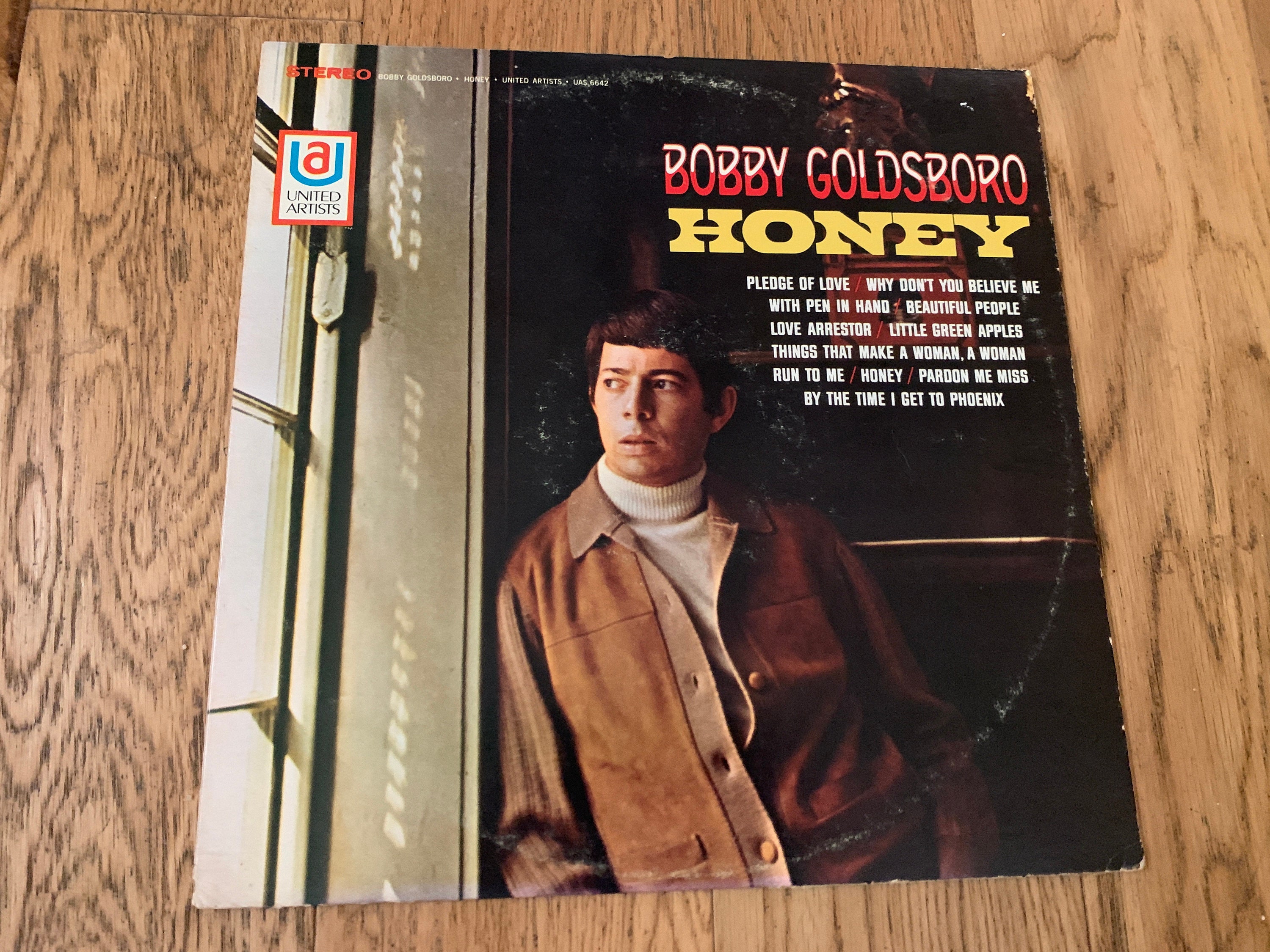
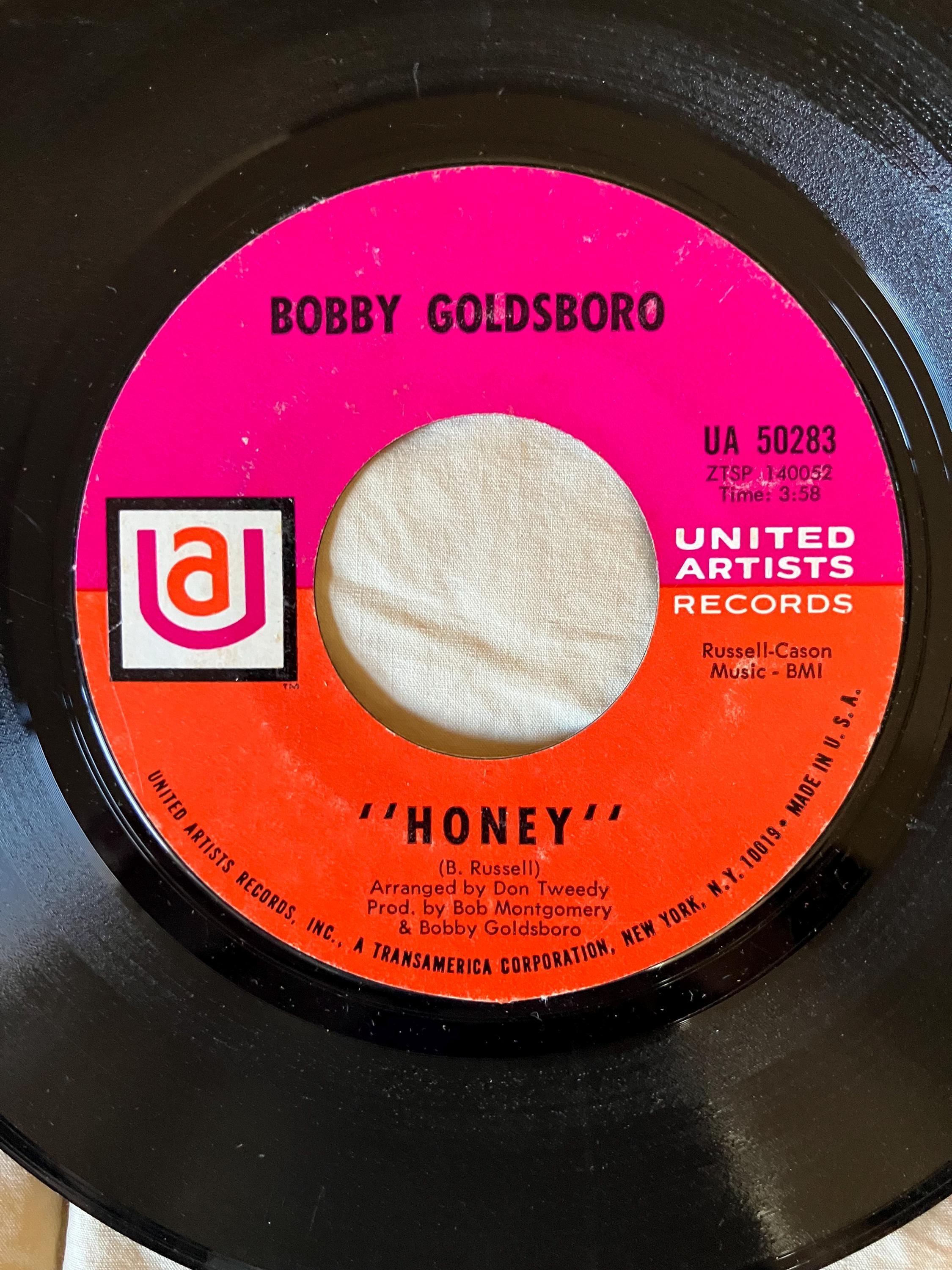
- "Honey" (1968): This single was a global phenomenon, spending five weeks at number one on the Billboard Hot 100 and topping charts in the UK and Australia. It was the largest-selling record worldwide in 1968. The mechanical royalties from this single alone, adjusted for inflation and sustained through digital streaming and physical "Best Of" compilations, represent a multi-million dollar asset.
- Chart Consistency: Between 1962 and 1980, Goldsboro placed 28 singles on the Billboard Hot 100 and even more on the Country charts. Hits like "Watching Scotty Grow," "Little Green Apples," and "Autumn of My Life" ensured a steady stream of performance royalties.
- Touring Revenue: During his peak, Goldsboro was a headlining act in Las Vegas and on international circuits. The revenue from live performances during the 1970s allowed for significant reinvestment into private business ventures.
Music Publishing: The Engine of Long-Term Wealth
In the music industry, performers earn a fraction of what songwriters and publishers earn. Bobby Goldsboro understood this early in his career. His involvement in music publishing, specifically through his company House of Gold Music, was a masterclass in entertainment business strategy.
House of Gold Music became one of the most successful independent publishing houses in Nashville. By owning the copyrights to not only his own songs but also songs recorded by other artists, Goldsboro captured a much larger share of the "royalty pie." When House of Gold Music was eventually sold to Warner Chappell Music in the 1980s, the sale price was substantial, providing the capital necessary for his transition into television.
Technical Insight: Publishing vs. Performance Rights
To understand Goldsboro's net worth in 2026, one must distinguish between "Performance Royalties" and "Mechanical Royalties." Performance royalties are paid to the songwriter and publisher when a song is played on the radio, in public venues, or on streaming services. Mechanical royalties are paid for every physical or digital "copy" of a song sold. Because Goldsboro often served as both the performer and the songwriter (or publisher), he effectively doubled his income stream per unit sold compared to a non-writing performer.
Television Production and Digital Assets
Goldsboro’s wealth is also heavily tied to his success as a television personality and producer. This segment of his career provided a buffer during the years when his radio presence began to decline.
The Bobby Goldsboro Show
Running from 1973 to 1976, this syndicated variety show was one of the highest-rated programs of its kind. The show featured a mix of music and comedy, hosting legends like Johnny Cash and Anne Murray. Syndication rights and international distribution of these episodes contributed significantly to his mid-career earnings.
Children’s Programming and Animation
In the 1990s, Goldsboro pivoted to children's entertainment, creating The Swamp Critters of Lost Lagoon. Unlike standard performance roles, Goldsboro owned the characters, the scripts, and the music for these productions.
- Creation and Ownership: He wrote all the music and performed the voices for many of the characters. This meant he retained 100% of the creative control and a massive majority of the backend profits.
- Educational Distribution: The series and its associated albums were marketed to educational outlets and niche television markets, providing a stable, non-cyclical income stream.
Comparative Financial Metrics of 1960s Icons
To contextualize Bobby Goldsboro’s $8M–$10M net worth in 2026, it is helpful to compare his financial trajectory with other artists of the same era.
| Artist | Estimated Net Worth (2026) | Primary Wealth Driver | Asset Control |
|---|---|---|---|
| Bobby Goldsboro | $8M - $10M | Publishing & TV Production | High (Owned House of Gold) |
| B.J. Thomas (Estate) | $5M - $7M | Performance Royalties | Moderate |
| Glen Campbell (Estate) | $40M - $50M | Media Empire & Catalog | High |
| Don McLean | $10M - $15M | "American Pie" Royalties | High |
The table illustrates that while Goldsboro may not reach the heights of a Glen Campbell—who had a much larger film and media presence—he sits comfortably above many of his peers due to his diversification into television and publishing ownership.
Real Estate and Private Investments
While Bobby Goldsboro has lived a relatively private life in Florida, his real estate holdings contribute to his overall net worth. For decades, he has maintained a residence in the Florida Panhandle. Florida real estate, particularly in coastal areas, has seen exponential growth over the last decade leading into 2026.
Beyond real estate, Goldsboro transitioned into the world of fine art. His paintings have been featured in galleries and purchased by collectors. While the art market is subjective, the sale of original canvases and high-quality prints adds a supplementary layer to his annual income, independent of the music industry’s fluctuations.
The 2026 Outlook: Royalties in the Streaming Age
In 2026, the valuation of legacy music catalogs is higher than ever. With the proliferation of "Oldies" and "Classic Country" playlists on platforms like Spotify, Amazon Music, and Apple Music, Goldsboro's hits continue to generate passive income.
- Streaming Volume: "Honey" consistently garners millions of streams annually. In the 2026 economy, where streaming rates have undergone minor adjustments for inflation, these numbers translate to a steady five-to-six-figure annual royalty check.
- Sync Licensing: Goldsboro’s music is frequently licensed for film, television, and commercials. A "sync" placement in a major motion picture or a viral streaming series can net an artist anywhere from $20,000 to $150,000 in a single transaction. Given the nostalgic trend in 2020s media, his catalog remains highly "sync-able."
Factors Influencing Valuation Accuracy
Estimating the net worth of a private individual involves analyzing public disclosures, historical earnings, and industry standards. Several factors could fluctuate the 2026 estimate:
- Catalog Sale Potential: If Goldsboro or his estate were to sell his entire remaining music catalog to a private equity firm (a common trend in 2024–2026), his immediate liquid net worth could spike significantly, potentially exceeding the $15 million mark depending on the multiple applied to his annual royalties.
- Inflationary Impact: The $8M–$10M range accounts for the purchasing power of the dollar in 2026, acknowledging that while asset values rise, the cost of maintaining a legacy estate also increases.
- Charitable Contributions: Goldsboro has been involved in various philanthropic efforts over the years, which may offset the total accumulated wealth in favor of social impact.
Frequently Asked Questions
What is Bobby Goldsboro’s most profitable song?
"Honey" is by far his most profitable asset. As the top-selling song of 1968, it generated massive initial revenue and has continued to earn through radio airplay, covers by other artists, and digital streaming for nearly sixty years.
Does Bobby Goldsboro still earn money from his TV show?
Yes, though the revenue from The Bobby Goldsboro Show is now largely derived from digital distribution, archival licensing, and occasional international syndication rather than traditional network broadcasts.
How did the sale of House of Gold Music affect his net worth?
The sale was a pivotal financial moment. It converted his theoretical future royalties into immediate capital, which was then reinvested into his own production company, Bobby Goldsboro Entertainment. This move essentially "de-risked" his portfolio.
Is Bobby Goldsboro still active in the music business in 2026?
While he is semi-retired from touring and recording new albums, he remains active as a businessman overseeing his intellectual property and his art career. His focus in 2026 is primarily on his paintings and the management of his legacy catalog.
Why is his net worth lower than some other 1960s stars?
His net worth is reflective of a controlled, steady career. He did not pursue the massive stadium tours or global film franchises that stars like Elvis Presley or Dolly Parton did. However, his "ownership-first" approach has ensured he remains wealthier than many contemporary "one-hit wonders" or artists who did not own their publishing.
Expert Analysis: The Sustainability of Legacy Wealth
The financial status of Bobby Goldsboro in 2026 serves as a case study for artists in the "ownership era." By diversifying into television and maintaining a tight grip on his publishing rights through House of Gold, Goldsboro bypassed the common pitfalls of the 20th-century music industry. His $8M–$10M net worth is not just a reflection of past fame, but a result of meticulous asset management and the enduring appeal of the "Nashville Sound" in a globalized digital market. For investors and fans alike, his financial legacy is as stable as the melodies that made him a household name.
Image Gallery