How to Sell Intellectual Property Rights
Selling intellectual property rights involves transferring ownership of patents, trademarks, copyrights, or trade secrets to a buyer in exchange for financial compensation, typically through a structured asset purchase agreement or ass...
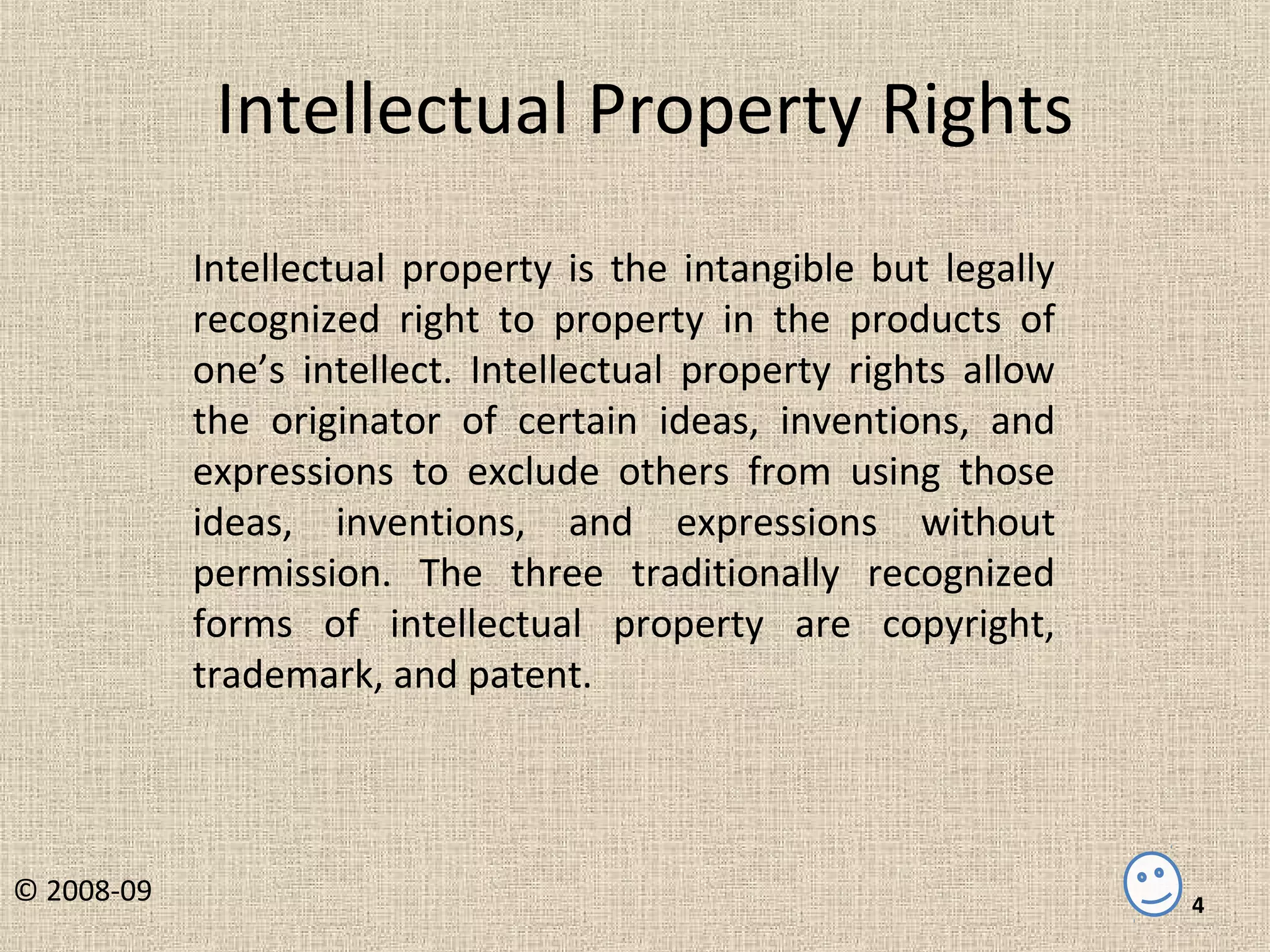
Selling intellectual property rights involves transferring ownership of patents, trademarks, copyrights, or trade secrets to a buyer in exchange for financial compensation, typically through a structured asset purchase agreement or assignment contract.
Contents
Navigating the market for intangible assets requires a methodical approach that balances legal protection, valuation accuracy, and strategic negotiation. Unlike physical commodities, intellectual property (IP) derives its value from legal exclusivity and the revenue potential generated by that exclusivity. Whether you are an independent inventor looking to monetize a patented technology, a software developer licensing proprietary code, or an established enterprise divesting a legacy brand portfolio, the process demands rigorous preparation. Understanding how to execute this transaction safely ensures that you maximize your financial return while mitigating the risk of post-sale liability or infringement disputes.
Understanding the Types of Intellectual Property Rights Available for Sale
Before initiating a sale, you must clearly define the precise legal asset category you own. Intellectual property is broadly divided into four primary legal frameworks, each governed by distinct statutory rules, registration procedures, and transfer mechanisms.
| IP Category | Primary Protectable Subject | Typical Transfer Mechanism |
|---|---|---|
| Patents | Inventions, utility processes, designs | Written assignment filed with USPTO |
| Trademarks | Brand names, logos, slogans, symbols | Assignment recorded with trademark office |
| Copyrights | Original works of authorship, software | Written copyright assignment agreement |
| Trade Secrets | Confidential business info, formulas | Confidentiality and assignment covenants |
Patents and Utility Grants
A patent grants the owner the legal right to exclude others from making, using, selling, or importing an invention for a limited period, typically 20 years from the filing date. When selling a patent, you are transferring the statutory grant issued by the patent office (such as the United States Patent and Trademark Office). Buyers thoroughly evaluate patent scope, claim breadth, remaining term length, and potential prior art that could invalidate the claims.
Trademarks and Brand Assets
Trademarks protect commercial identifiers, including words, phrases, symbols, or designs that distinguish the goods or services of one party from those of another. Selling a trademark generally requires transferring the underlying goodwill of the business associated with the mark. A naked assignment—transferring the trademark without the business goodwill—can invalidate the trademark under federal and common law principles.
Copyrights and Creative Works
Copyright law protects original works of authorship fixed in any tangible medium of expression, including literary works, musical compositions, architectural blueprints, and computer software. Copyright transfers must be executed in writing and signed by the copyright owner or their duly authorized agent. In many jurisdictions, such as the United States, recording the transfer with the U.S. Copyright Office is critical to protect against subsequent bona fide purchasers.
Trade Secrets and Confidential Know-How
Trade secrets encompass formulas, practices, designs, instruments, or compilations of information that provide a business economic advantage because they are not generally known. Because trade secrets lose their status once publicly disclosed, selling them requires strict contractual safeguards, comprehensive non-disclosure agreements (NDAs), and secure escrow procedures during the due diligence phase.
Preparing Your Intellectual Property for Market
Proper preparation directly influences the valuation and marketability of your IP assets. Buyers will scrutinize every aspect of your portfolio to identify legal vulnerabilities, encumbrances, or gaps in chain of title.
Conducting an Internal Audit and Due Diligence Review
Start by compiling a comprehensive inventory of all assets you intend to sell. Verify that all registration maintenance fees, renewal dates, and annuity payments are fully up to date. If a patent maintenance fee lapses, the patent may enter the public domain, rendering it valueless. Review employment agreements, independent contractor contracts, and founder agreements to confirm that all past and present contributors have legally assigned their intellectual property rights to your entity. A broken chain of title is one of the most common reasons prospective buyers walk away from a deal.
Assessing Legal Strength and Enforceability
Evaluate whether your IP has ever been challenged, opposed, or litigated. For patents, examine the prosecution history (file wrapper) to understand how narrowly or broadly the examiner construed the claims. For trademarks, perform comprehensive clearance searches to ensure no senior users hold conflicting common-law rights that could restrict the buyer's commercial expansion. Engaging a licensed patent attorney or intellectual property specialist to conduct an independent freedom-to-operate and validity assessment provides institutional buyers with the confidence they require.
Determining Valuation Methodologies for Intangible Assets
Valuing intellectual property is inherently complex because intangible assets do not have a transparent, liquid spot market. Financial analysts and valuation experts generally rely on three primary methodologies to establish fair market value:
- The Cost Approach: Calculates the historical or replacement cost of recreating the IP from scratch, adjusted for economic obsolescence and depreciation. This method is rarely used in isolation because past development costs rarely correlate with future commercial earnings.
- The Market Approach: Compares the subject IP to historical transactions involving similar intellectual property assets within the same industry sector. Finding exact comparables can be challenging due to the unique nature of proprietary technologies and brand portfolios.
- The Income Approach (Discounted Cash Flow): Projects the future net economic cash flows that the IP is expected to generate over its remaining useful life, discounted back to present value using a risk-adjusted rate. This is the preferred method for revenue-generating patents, software platforms, and established brand portfolios.
Marketing Strategies and Finding Qualified Buyers
Once your IP is audited and valued, you must decide whether to market the assets independently, engage a specialized intellectual property brokerage, or leverage intellectual property exchanges and auction platforms.
Direct Outreach and Strategic Buyers
Often, the most logical buyers for intellectual property are existing competitors, industry suppliers, or strategic partners who can immediately integrate the technology or brand into their existing distribution networks. Direct outreach requires a targeted executive summary that highlights the market problem your IP solves, the strength of the legal protection, and quantifiable commercial metrics without disclosing proprietary technical secrets prematurely.
Utilizing IP Brokers and Marketplaces
For complex portfolios or sellers lacking internal business development resources, retaining an IP broker, investment banker, or technology transfer office can streamline the process. Specialized brokers maintain proprietary databases of active corporate acquirers, venture capital firms, and private equity funds seeking strategic IP acquisitions. Digital exchanges also facilitate listings, though sellers must exercise caution regarding confidentiality and upfront listing fees.
Structuring the Transaction and Negotiation
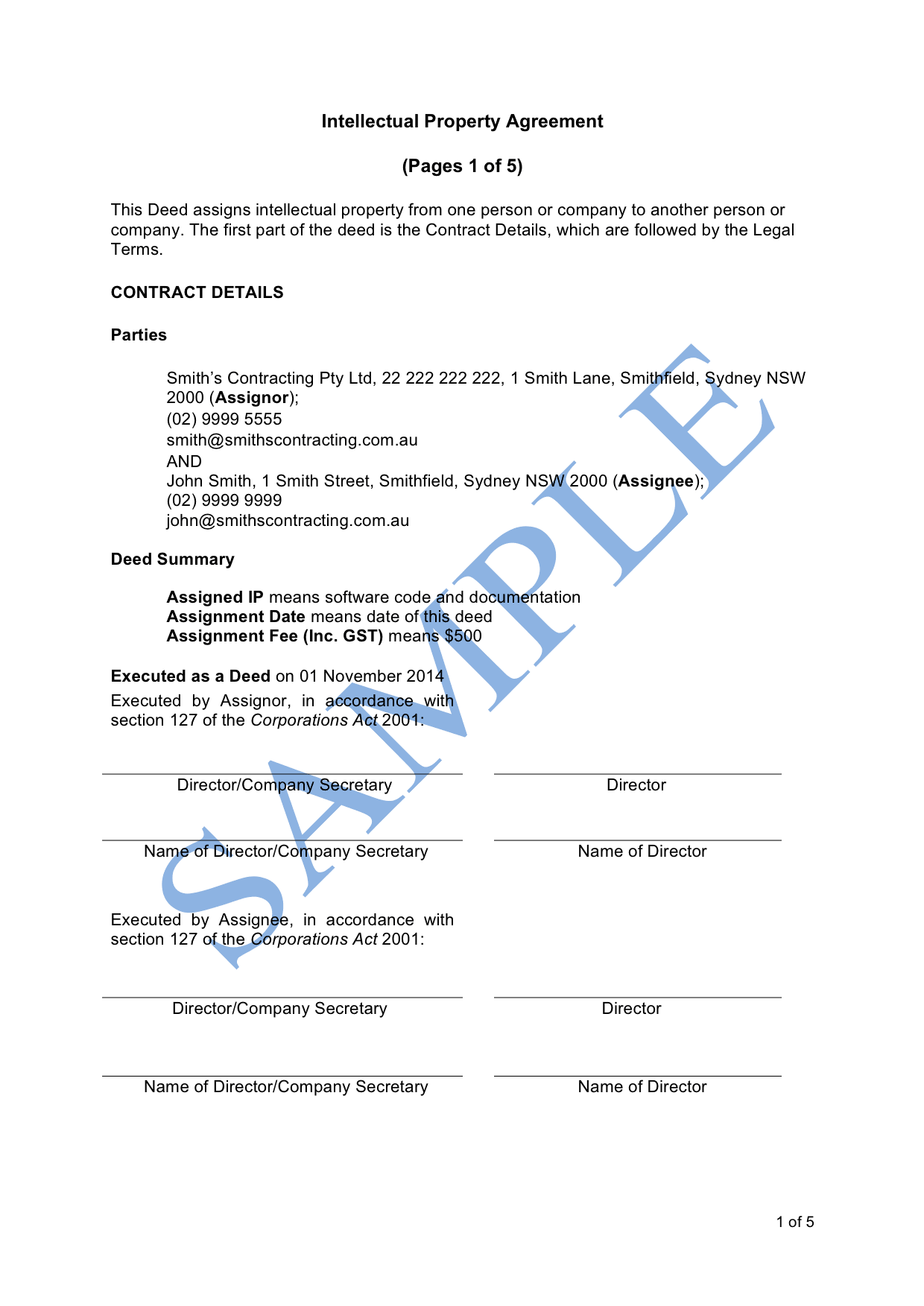
Negotiating the sale of intellectual property requires drafting sophisticated legal instruments that protect both parties' interests. The primary transaction documents include the Term Sheet, the Non-Disclosure Agreement (NDA), and the definitive Asset Purchase Agreement (APA).
Key Contractual Clauses in an IP Asset Purchase Agreement
- Scope of Grant and Territorial Rights: Clearly define whether the assignment is global or restricted to specific geographic territories and commercial fields of use.
- Representations and Warranties: The seller must warrant that they are the sole and exclusive owner of the IP, that the assets are free of liens or encumbrances, and that the IP does not infringe upon third-party rights.
- Indemnification Provisions: Establish clear financial remedies and procedures if a third party subsequently challenges the validity of the transferred patent or trademark.
- Post-Closing Cooperation: Outline the seller’s obligation to assist the buyer with executing formal assignment recordings, filing documents with government registries, and assisting with technical knowledge transfer.
Alternative Structures: Exclusive Licensing vs. Outright Sale
An outright assignment permanently transfers all ownership rights. However, many owners choose exclusive or non-exclusive licensing agreements instead. Licensing allows you to retain underlying ownership while granting a third party the right to commercialize the IP in exchange for upfront license fees, ongoing royalties, or milestone payments. This structure can be advantageous if you wish to maintain control over the asset or participate in its long-term financial upside.
Executing the Closing and Regulatory Recordation
The transaction reaches its culmination at the closing table, where definitive agreements are executed, funds are transferred, and formal legal steps are taken to perfect the buyer’s title against third-party claims.
Government Recordation Requirements
Executing a contract between buyer and seller is legally binding inter partes (between the parties), but recording the transfer with the appropriate government agency is essential to protect the buyer against subsequent good-faith purchasers for value.
| Intellectual Property Registry | Statutory Recording Agency |
|---|---|
| United States Patents | USPTO Assignment Recordation Branch |
| United States Trademarks | USPTO Trademark Assignment Division |
| United States Copyrights | U.S. Copyright Office Recordation Section |
In the United States, for example, failing to record a patent assignment within three months of the execution date (or prior to a subsequent purchase) can render the transfer void against a subsequent purchaser who had no notice of the prior assignment, pursuant to 35 U.S.C. § 261. Similar statutory provisions govern trademarks and copyrights.
Tax Implications and Financial Reporting
The proceeds from the sale of intellectual property are subject to complex federal, state, and international tax laws. Depending on how the IP was developed, held, and utilized in your business, transaction gains may be characterized as ordinary income or capital gains. Business entities must also allocate the purchase price across different asset classes pursuant to tax regulations (such as IRS Section 1060 in the United States). Consult a qualified certified public accountant or tax attorney specializing in intellectual property transactions prior to executing the purchase agreement to structure the sale tax-efficiently.
Frequently Asked Questions
Can I sell a patent if it is still pending approval as a patent application?
Yes, you can sell a pending patent application (often referred to as an assignment of rights in a patent application). The buyer acquires all rights to the pending claims and steps into your shoes for patent prosecution before the patent office. Ensure that the assignment is properly executed and recorded with the relevant patent office immediately.
What is the difference between assigning IP and licensing IP?
Assigning intellectual property involves an outright sale that permanently transfers ownership, title, and control of the asset to the buyer. Licensing, by contrast, is a contractual permission to use the IP under specified terms and conditions while the original creator or company retains ultimate ownership of the asset.
Do I need a lawyer to sell my intellectual property rights?
While it is legally possible to draft and execute an IP sale agreement without counsel, it is highly discouraged. Intellectual property law involves intricate statutory frameworks, precise chain-of-title requirements, and specialized indemnification clauses. Retaining a qualified intellectual property attorney minimizes the risk of drafting errors that could void the sale or expose you to future liability.
How long does the intellectual property sales process take?
The timeline varies widely based on the complexity of the portfolio, the valuation process, and the responsiveness of potential buyers. A straightforward transaction for a single trademark or patent may close within 60 to 90 days, whereas multi-jurisdictional patent portfolio sales or corporate M&A integrations often require six months to a year of due diligence and negotiation.
What happens to existing license agreements when I sell my IP?
When you sell (assign) intellectual property rights, the buyer generally takes the assets subject to any existing, unexpired, non-exclusive licenses granted to third parties, provided the buyer had notice of those licenses. It is critical to disclose all active license agreements during the due diligence phase so they can be properly accounted for in the purchase agreement.
Image Gallery