How Much ATP Does Fermentation Make?
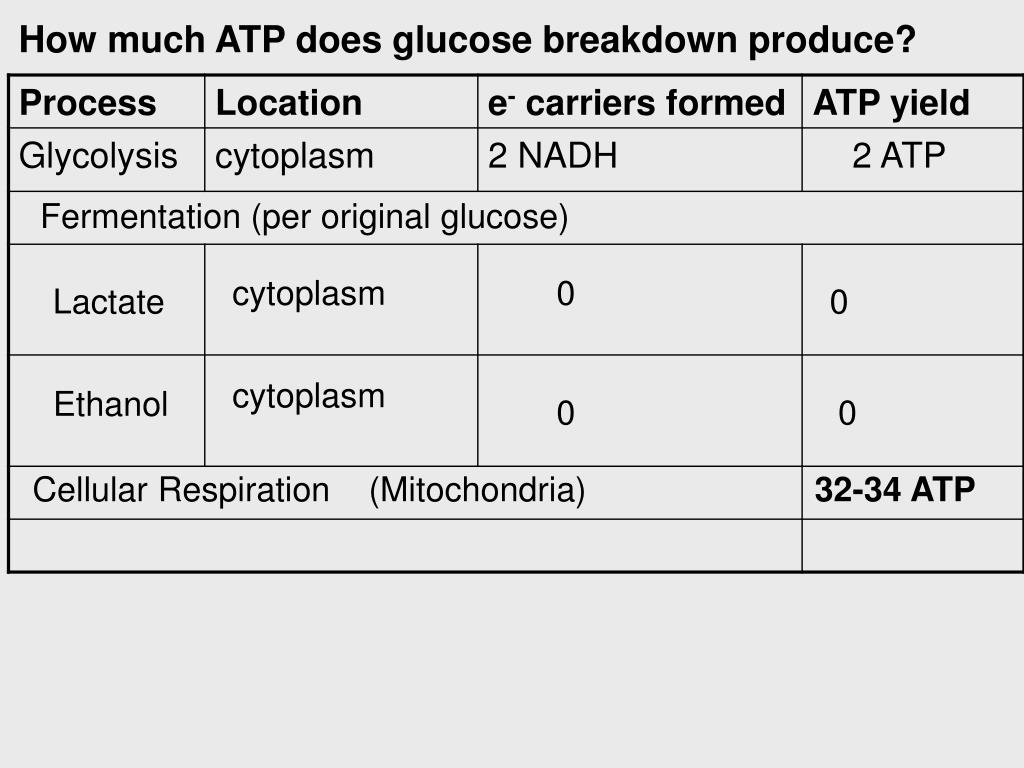
Fermentation yields a net total of 2 molecules of adenosine triphosphate (ATP) per molecule of glucose through the process of substrate-level phosphorylation during glycolysis. While this energy yield is significantly lower than the 30...
Fermentation yields a net total of 2 molecules of adenosine triphosphate (ATP) per molecule of glucose through the process of substrate-level phosphorylation during glycolysis. While this energy yield is significantly lower than the 30 to 32 ATP molecules produced by aerobic cellular respiration, fermentation provides an essential metabolic bypass that allows cells to regenerate the nicotinamide adenine dinucleotide (NAD+) required to keep glycolysis running in the absence of oxygen.
Contents
The Fundamentals of Cellular Energy Production
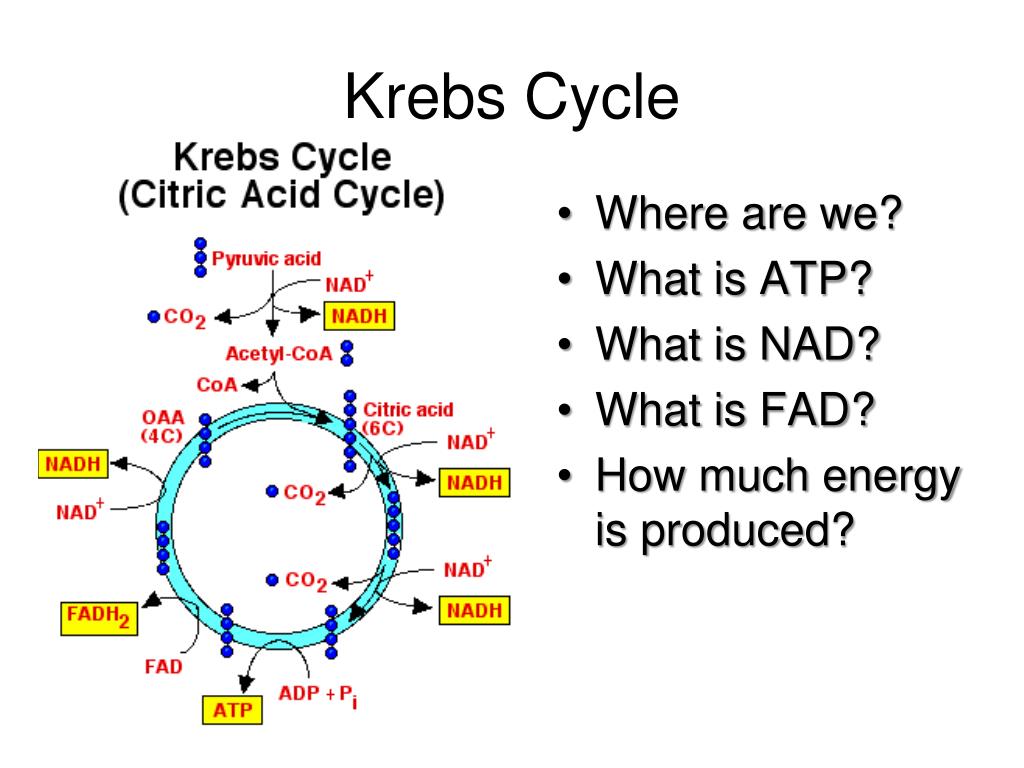
To understand why fermentation produces such a modest amount of energy, it is necessary to examine how cells break down organic molecules like glucose. Glucose contains a vast amount of potential chemical energy stored within its carbon-hydrogen bonds. In an ideal environment with an abundant supply of oxygen, cells will route glucose through glycolysis, the Krebs cycle (citric acid cycle), and oxidative phosphorylation via the electron transport chain. This multi-step aerobic pathway completely oxidizes glucose into carbon dioxide and water, capturing a maximum yield of usable energy.
However, environmental conditions are not always optimal. When muscle cells undergo intense exertion, or when microorganisms like yeast and certain bacteria find themselves in anaerobic (oxygen-deprived) environments, oxygen cannot act as the final electron acceptor in the electron transport chain. Without oxygen, oxidative phosphorylation grinds to a halt. The cell must then switch from aerobic respiration to an alternative pathway to survive. This metabolic pivot is where fermentation begins, trading massive energy efficiency for immediate metabolic continuity.
Glycolysis: The Foundation of All Fermentation Pathways
Regardless of whether a cell is practicing aerobic respiration or anaerobic fermentation, the process always starts with the exact same first step: glycolysis. Occurring in the cytoplasm of the cell, glycolysis does not require oxygen to function.
During glycolysis, a single six-carbon glucose molecule is broken down through a sequence of ten enzyme-catalyzed reactions into two three-carbon molecules of pyruvate. This breakdown involves two distinct phases:
- The Energy-Investment Phase: The cell invests 2 molecules of ATP to phosphorylate the glucose molecule, destabilizing it so it can be split evenly into two glyceraldehyde 3-phosphate (G3P) molecules.
- The Energy-Payoff Phase: As those two G3P molecules are further converted into pyruvate, they undergo oxidation. This reaction releases energy, which is used to directly synthesize 4 molecules of ATP via substrate-level phosphorylation and reduce 2 molecules of NAD+ into NADH.
Because the cell spent 2 ATP in the investment phase and gained 4 ATP in the payoff phase, the net ATP yield of glycolysis is exactly 2 molecules of ATP for every single molecule of glucose processed.
- [ Glucose (6C) ]
- (Invest 2 ATP)
- [ Unstable Intermediates ]
- (Split into two 3C molecules)
- [ Payoff Phase: Substrate-Level Phosphorylation ]
- Generates 4 ATP (Net Gain: 2 ATP)
- Reduces 2 NAD+ to 2 NADH
- [ 2 Pyruvate Molecules (3C) ]
The Crucial Problem of NAD+ Depletion
If glycolysis generates 2 net ATP, why can't a cell simply run glycolysis over and over again without stopping? The limiting factor is not the availability of glucose or ADP, but rather a finite cellular pool of a coenzyme called NAD+.
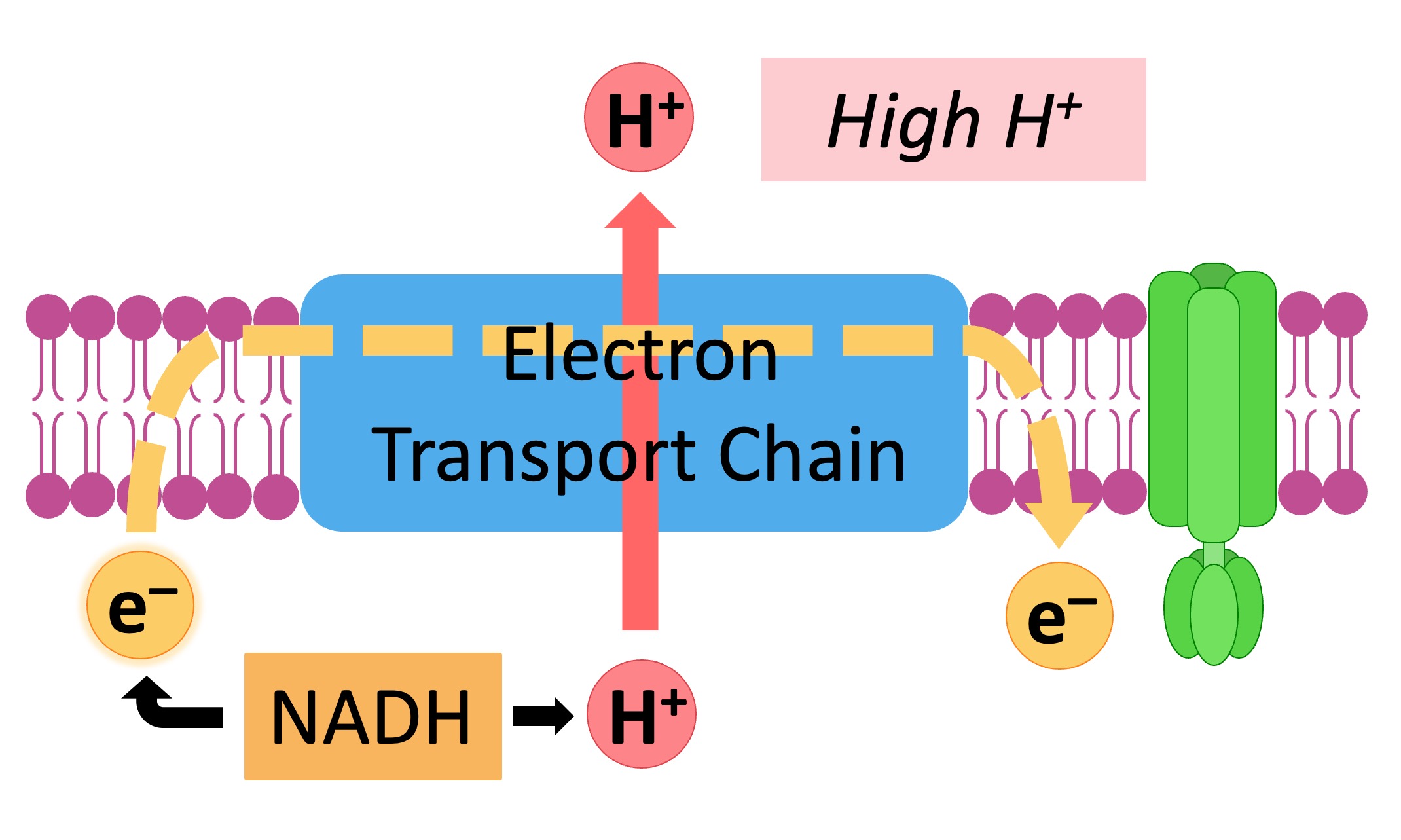
During the energy-payoff phase of glycolysis, NAD+ must accept electrons and hydrogen ions from intermediates to become NADH. This is an oxidation-reduction (redox) reaction. In aerobic respiration, NADH promptly delivers its electrons to the electron transport chain in the mitochondria, converting back into NAD+ in the process.
Under anaerobic conditions, the electron transport chain is non-functional. If NADH cannot unload its electrons, the cell's supply of free NAD+ is rapidly exhausted. Once all available NAD+ is converted into NADH, glycolysis stops completely, and the cell dies of energy starvation.
This is the primary function of fermentation. Fermentation does not exist to make ATP; it exists to oxidize NADH back into NAD+ by dumping electrons onto an organic molecule, thereby clearing the bottleneck and allowing glycolysis—and its vital net output of 2 ATP—to continue.
Comparing the Two Primary Types of Fermentation
Depending on the organism and the enzymatic machinery available, cells process pyruvate and regenerate NAD+ through different fermentation pathways. The two most common forms are lactic acid fermentation and alcoholic fermentation.
| Fermentation Type | Primary Organisms / Tissues | Final Waste Product | Net ATP Yield (Per Glucose) | NAD+ Regeneration Mechanism |
|---|---|---|---|---|
| Lactic Acid Fermentation | Human muscle cells, Lactobacillus bacteria | Lactic Acid (Lactate) | 2 ATP | Pyruvate accepts electrons from NADH directly |
| Alcoholic Fermentation | Yeasts (Saccharomyces cerevisiae), some plant tissues | Ethanol and Carbon Dioxide ($CO_2$) | 2 ATP | Pyruvate converts to acetaldehyde, which accepts electrons from NADH |
Lactic Acid Fermentation
Lactic acid fermentation is utilized by human skeletal muscle cells during strenuous exercise when oxygen delivery cannot keep up with high energy demands. It is also utilized extensively by commercial bacteria to produce yogurt, sour cream, and kimchi.
In this pathway, the two pyruvate molecules resulting from glycolysis are directly reduced by NADH. The enzyme lactate dehydrogenase transfers electrons and hydrogen ions from NADH to pyruvate, converting pyruvate into lactate (lactic acid) and regenerating NAD+. No carbon dioxide is released during this process. The net yield remains strictly 2 ATP per glucose molecule.
Alcoholic Fermentation
Alcoholic fermentation is carried out by yeasts and certain plant tissues. This two-step process is the cornerstone of baking, brewing, and winemaking industries.
- Decarboxylation: Pyruvate is stripped of a carboxyl group, releasing a molecule of carbon dioxide ($CO_2$) and leaving behind a two-carbon intermediate called acetaldehyde.
- Reduction: Acetaldehyde then acts as the final electron acceptor, taking electrons from NADH to produce ethanol and regenerate NAD+.
Just like lactic acid fermentation, the net ATP yield of alcoholic fermentation is 2 molecules of ATP per glucose molecule, captured entirely during the initial glycolytic phase.
Energy Efficiency: Fermentation vs. Aerobic Respiration
The energetic discrepancy between fermentation and aerobic respiration is profound. While fermentation yields a meager 2 ATP, aerobic respiration extracts roughly 30 to 32 ATP from the same glucose molecule.
To put this in perspective, let us look at the thermodynamic efficiency of both processes. Complete combustion of glucose releases about 2,870 kilojoules of energy per mole. Capturing 2 ATP stores approximately 61 kilojoules of energy, representing an efficiency rating of roughly 2.1% for fermentation. Conversely, capturing 32 ATP yields nearly 976 kilojoules of usable energy, boosting the efficiency of aerobic respiration closer to 34%.
| Metabolic Pathway | Oxygen Requirement | Final Electron Acceptor | ATP Yield per Glucose | Efficiency Level |
|---|---|---|---|---|
| Glycolysis Only (Fermentation) | Anaerobic | Organic molecules (Pyruvate, Acetaldehyde) | 2 ATP | Very Low (~2%) |
| Aerobic Cellular Respiration | Aerobic | Molecular Oxygen ($O_2$) | 30–32 ATP | High (~34%) |
Because fermentation is so inefficient, organisms that rely on it must consume significantly greater quantities of glucose to maintain basic cellular functions. For example, yeast cells fermenting sugar in a brewing vat must process roughly 15 to 16 times more glucose than cells utilizing aerobic respiration to generate the same amount of cellular energy.
Frequently Asked Questions
Does the fermentation process itself produce any ATP?
No. Fermentation reactions (whether lactic acid or alcoholic) produce zero ATP. The only ATP generated during fermentation comes from the initial upstream process of glycolysis, which yields a net total of 2 ATP per glucose molecule. The sole purpose of the fermentation steps following glycolysis is to regenerate NAD+ so glycolysis can continue.
Why do human muscles use fermentation if it only makes 2 ATP?
When you sprint or lift heavy weights, your cardiovascular system cannot deliver oxygen to your muscle fibers fast enough to sustain aerobic respiration. To keep muscles contracting, cells switch to lactic acid fermentation. While 2 ATP is very inefficient, it is generated instantly in the cytoplasm and provides a rapid, short-term energy stopgap when oxygen is depleted.
Is anaerobic respiration the same thing as fermentation?
No. They are distinct metabolic processes. Anaerobic respiration (used by certain bacteria and archaea) utilizes an electron transport chain with an inorganic molecule other than oxygen—such as sulfate or nitrate—as the final electron acceptor, yielding more ATP than fermentation. Fermentation does not use an electron transport chain at all; it relies solely on substrate-level phosphorylation during glycolysis.
Can multicellular organisms survive indefinitely on fermentation alone?
Generally, no. For complex multicellular organisms like humans, the low energy yield of 2 ATP per glucose molecule is entirely insufficient to support the metabolic demands of whole-organism survival over long periods. Lactic acid buildup also lowers cellular pH, leading to localized muscle fatigue and cramping. Fermentation serves as a temporary emergency backup rather than a primary long-term lifestyle.
What happens to the waste products of fermentation?
The waste products—such as lactic acid in muscles or ethanol and carbon dioxide in yeast—must be removed or processed. In humans, lactic acid is transported via the bloodstream to the liver, where it is converted back into pyruvate or glucose via the Cori cycle. In baking, the carbon dioxide produced by yeast creates bubbles that make bread dough rise, while the ethanol bakes off in the oven.
Practical Next Steps for Further Study
To deepen your understanding of cellular bioenergetics, examine the precise enzymatic steps of glycolysis and study how metabolic poisons can disrupt mitochondrial electron transport. Reviewing how feedback loops, such as phosphofructokinase regulation, control the rate of glycolysis will also clarify how cells balance their energy budgets under fluctuating oxygen conditions.
Image Gallery