Why the Pin Up Girl in Film Still Matters
The pin up girl remains a vital cinematic archetype because she functions as a visual shorthand for aspiration, liberation, and the tension between public performance and private desire. By analyzing her transition from mid-century pro...
The pin up girl remains a vital cinematic archetype because she functions as a visual shorthand for aspiration, liberation, and the tension between public performance and private desire. By analyzing her transition from mid-century propaganda to contemporary reclamation, it becomes clear that her presence in film transcends mere aesthetics, serving as an enduring mirror for evolving cultural attitudes toward gender and agency.
Contents
The Evolution of the Pin Up Archetype
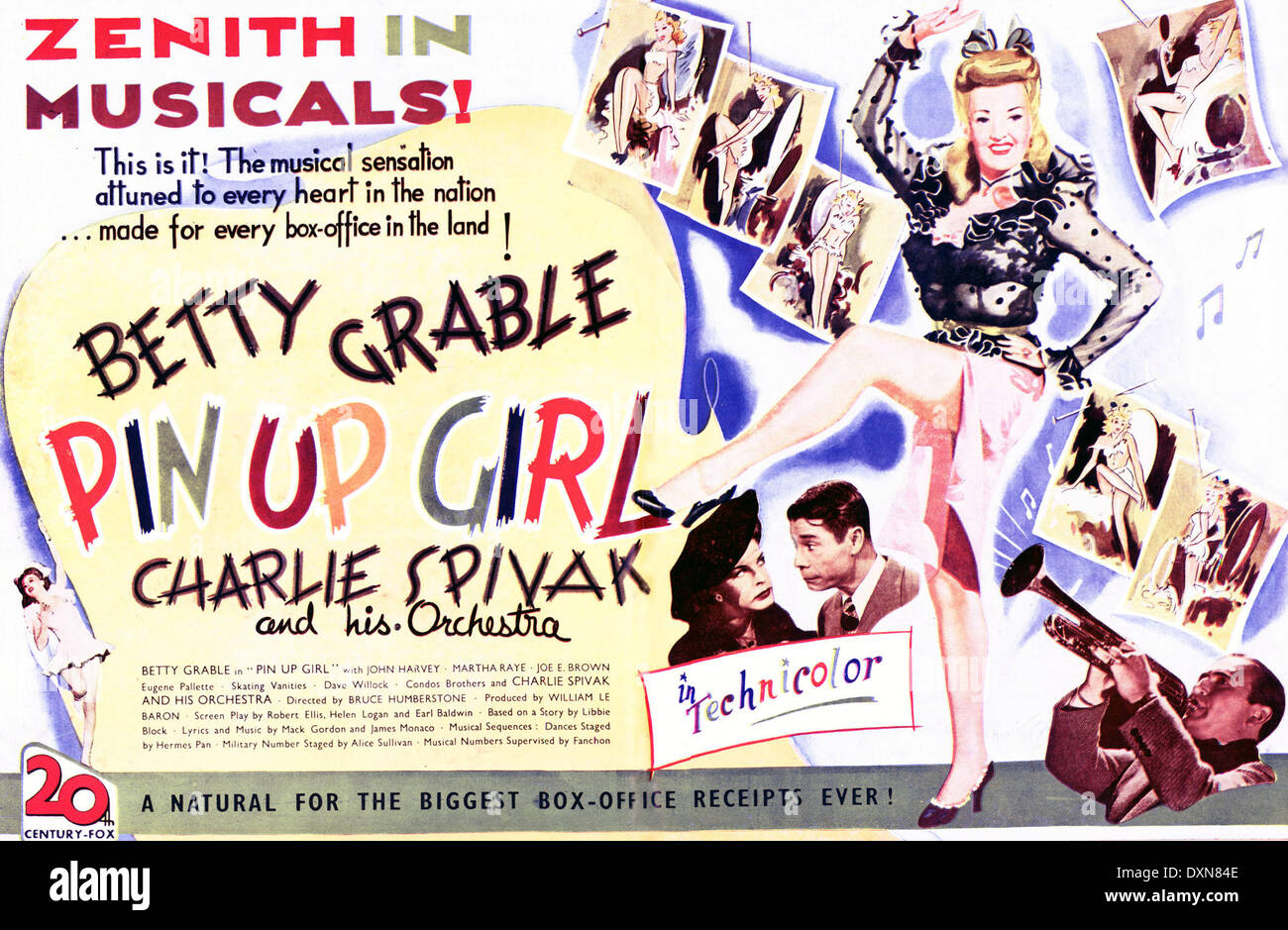
The pin up girl originated as a mass-produced phenomenon, popularized by illustrators like Alberto Vargas and George Petty during the 1930s and 1940s. These images—often disseminated through calendars, magazines, and military-issued posters—were designed to represent an idealized, approachable femininity. In the golden age of Hollywood, this aesthetic was institutionalized. Studio-contracted stars like Betty Grable and Rita Hayworth were not merely actresses; they were curated products whose "pin up" status was leveraged to secure box office loyalty.
The significance of the pin up girl in film history lies in the deliberate construction of the "gaze." Initially, these images were captured to serve the demographic of the American soldier, creating a fantasy of the "girl back home." However, as these images migrated to the silver screen, the characters they embodied often gained dimensions beyond their visual appeal. The pin up became a shorthand for a specific kind of confidence—a character who was aware of her impact on the environment around her. By the 1950s, the pin up transitioned from a wartime morale-booster to a central figure in musical comedies and noir films, where her beauty often masked a shrewd intelligence or a strategic mastery of her surroundings.
Agency and the Performance of Beauty
Critics often conflate the pin up with passive objectification, but in film, the most enduring examples of the archetype demonstrate significant agency. The pin up girl often occupies a space of control; she understands that her appearance is a tool that can be used to manipulate, charm, or deflect. In classic films, this is often characterized by the "femme fatale" trajectory, where the character’s physical allure is the primary weapon in a high-stakes narrative.
In 2026, we view these performances through a lens of recontextualization. We no longer see the pin up girl simply as a decorative element. Instead, modern film theory examines how performers like Marilyn Monroe or Dorothy Dandridge navigated the constraints of the studio system to imbue their characters with depth. The pin up in film still matters because she allows contemporary audiences to grapple with the history of the female body in media—specifically, how women have historically utilized performance to navigate patriarchal structures within the industry.
Comparative Influence of the Pin Up Archetype
| Era | Primary Function | Cinematic Archetype | Cultural Driver |
|---|---|---|---|
| 1940s | Morale & Nostalgia | The Girl Next Door | WWII Deployment |
| 1950s | Aspiration & Glamour | The Technicolor Star | Post-war Consumerism |
| 1970s-90s | Subversion & Camp | The Ironized Icon | Feminist Critique |
| 2026+ | Reclamation & Identity | The Autodidact Performer | Digital Archive Culture |
Visual Language and Aesthetic Legacy
The visual language of the pin up—bold red lips, sculpted hair, and high-contrast lighting—has left an indelible mark on cinematic cinematography. Even as filming technology has advanced from 35mm film stock to high-resolution digital sensors in 2026, the specific lighting techniques used to photograph the classic pin up remain a staple of aesthetic composition. This style is frequently employed by modern directors who wish to evoke a sense of timelessness or to create a deliberate contrast between a character's internal complexity and her polished exterior.
Furthermore, the influence persists in the genre of "Neo-Noir" and period-piece dramas. Filmmakers utilize these visual tropes to establish a shorthand for the cultural context of the mid-20th century. By recreating the specific visual cadence of the pin up—its color palette, its focus on silhouette, and its deliberate framing—directors are able to signal to the audience the societal norms their characters are navigating. This is not merely an aesthetic choice; it is a narrative strategy that anchors the story within a recognizable, historical reality.
The Pin Up as a Cultural Commodity
The pin up girl remains a potent subject of study because of how she reflects the commodification of the female image. Historically, the "pin up" was a product sold to consumers to build brand loyalty for a film, a star, or a war effort. Today, the debate over who "owns" the image of the pin up is a core component of media literacy. As independent filmmakers and creators on digital platforms continue to reinterpret the aesthetic, they challenge the traditional studio-led narratives.
When analyzing why this archetype matters, we must consider the tension between the visual image and the human story beneath it. The pin up girl serves as a reminder that for decades, female success in Hollywood was often predicated on the ability to balance talent with an accessible, curated image. By looking at how these women managed that balance, contemporary audiences can better understand the current landscape of celebrity and social media branding, where the "curated self" is a common, if highly debated, aspect of modern identity.
Frequently Asked Questions
What constitutes a "pin up" image in a film context?
A pin up in film is a character or performance focused on an idealized aesthetic, usually characterized by specific poses, elaborate hair and makeup, and lighting that emphasizes physical features. It is defined by the intention to capture a "still" quality even within a moving medium.
Is the pin up archetype purely exploitative?
Historically, the archetype was created to serve a specific audience, which often involved objectification. However, many actresses utilized the role as a foundation to build powerful, memorable characters. It is rarely "purely" one thing; it is a complex intersection of industry demand and artistic performance.
Why do modern films continue to reference this style?
Modern films use the pin up aesthetic as a shorthand for specific historical periods or to play with themes of performance. By using these recognizable tropes, filmmakers can comment on the nature of fame, beauty standards, and the evolution of gender roles in cinema.
Can an actor still be a "pin up" in the modern era?
The term has evolved. While the original mid-century context is tied to a specific historical moment, the concept of the "sex symbol" or "fashion icon" as an archetype remains relevant. The difference today is that actors often have more agency over their image, moving beyond being a "product" of a studio.
How does the pin up influence modern fashion in film?
The visual markers of the pin up—such as tailored silhouettes and specific color theory—continue to influence costume design. Costume designers often draw from this archive to establish a character's relationship with glamour and power, utilizing these vintage cues to communicate status or personal history.
Recommendations for Further Study
To better understand the endurance of this archetype, focus on the distinction between the "image" and the "performer." Watch films like Gilda (1946) or Gentlemen Prefer Blondes (1953) not just for the spectacle, but for the moments where the characters deviate from the "pin up" ideal. By isolating these instances of subversion, you will gain a deeper appreciation for how the archetype acts as a Trojan horse for human complexity within the rigid framework of commercial cinema.
Image Gallery