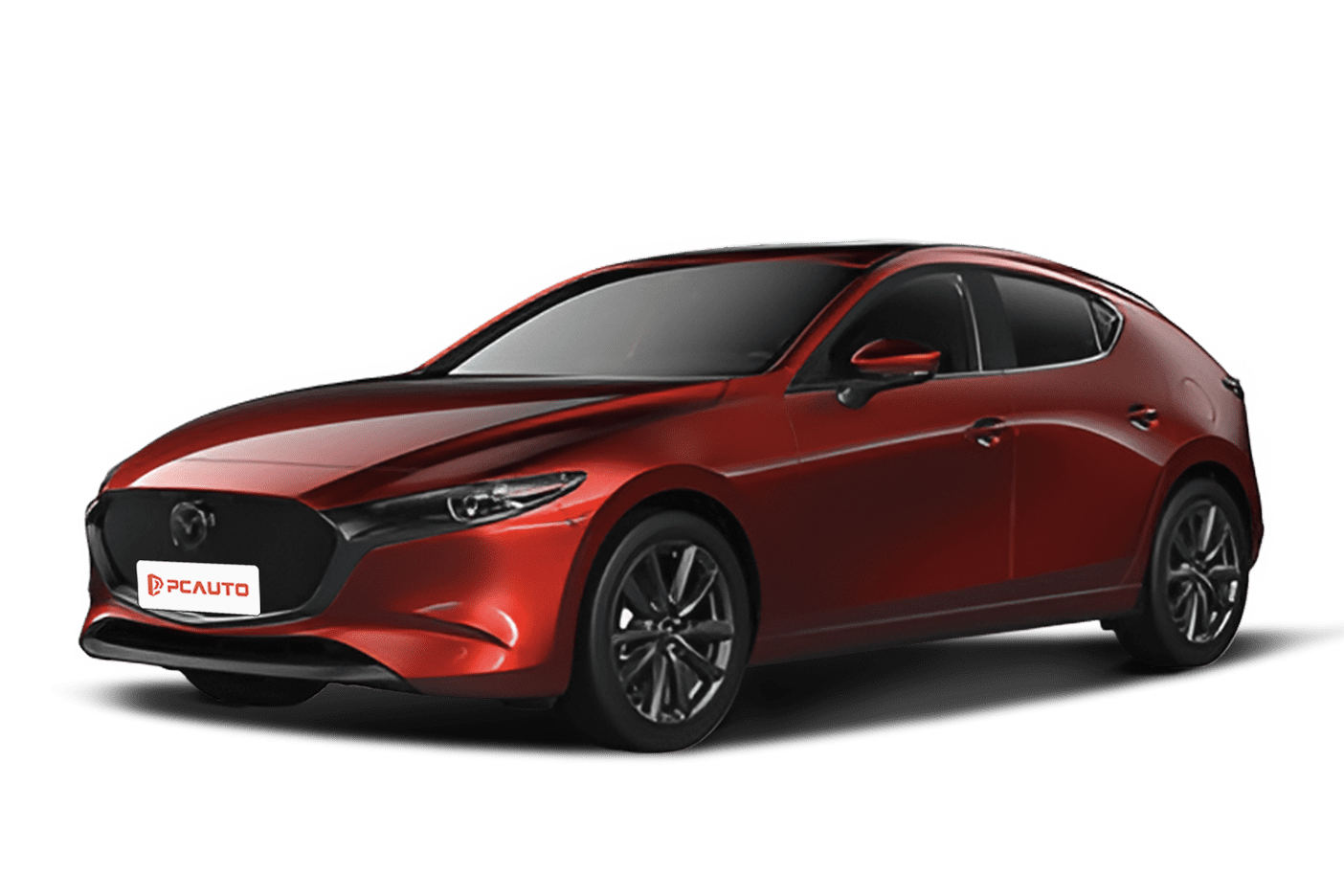
Securing the Best Price on a Mazda: Complete Buyer's Guide
To get the best price on a Mazda, request competitive Out-of-the-Door (OTD) quotes from multiple dealerships, target vehicle purchases during end-of-month or model-year clearance periods, and stack manufacturer incentives like loyalty...
To get the best price on a Mazda, request competitive Out-of-the-Door (OTD) quotes from multiple dealerships, target vehicle purchases during end-of-month or model-year clearance periods, and stack manufacturer incentives like loyalty rebates or promotional APR rates. Negotiating below MSRP toward dealer invoice price ensures you maximize savings before finalizing financing terms.
Contents
Understanding Mazda Pricing Mechanics: MSRP, Invoice, and Dealer Margins
Navigating vehicle pricing requires understanding how manufacturers and dealerships establish retail costs. When shopping for a Mazda, the sticker price—known as the Manufacturer's Suggested Retail Price (MSRP)—serves only as a baseline starting point. Dealerships purchase inventory from Mazda at the factory invoice price, which is significantly lower than the sticker price.
The difference between the invoice price and the MSRP represents the raw gross margin available on a vehicle. However, the factory invoice is rarely the absolute bottom cost for the dealership. Automotive manufacturers utilize a system known as dealer holdback, typically ranging between 1% and 3% of the vehicle’s MSRP or base invoice price. Mazda reimburses this holdback amount to the dealership after the sale, providing dealers with additional profit margin even if a vehicle sells at or slightly below invoice cost.
To secure the lowest absolute price, buyers must shift negotiations away from monthly payment figures or retail sticker prices and focus entirely on the Out-of-the-Door (OTD) price. The OTD price represents the final total cost required to take ownership, including:
- Base Vehicle Sale Price: The agreed negotiated selling price of the car before taxes and fees.
- Destination and Delivery Charges: Non-negotiable freight charges set by Mazda to ship the vehicle from assembly plants to dealerships.
- Dealer Documentation (Doc) Fees: Administrative fees charged by the dealership to process paperwork. These fees vary wildly by state, ranging from regulated caps of $85 to uncapped fees exceeding $1,000.
- State and Local Sales Taxes: Mandatory taxes assessed based on the vehicle buyer's registration location.
- Title and Registration Fees: Government costs required to register the vehicle and transfer title ownership.
By establishing transparency across these line items, buyers prevent dealerships from offsetting a discount on the vehicle price with inflated administrative fees or mandatory accessory add-ons.
2026 Mazda Lineup: MSRP Benchmarks and Target Discount Rates
Pricing dynamics vary across Mazda's portfolio depending on supply levels, consumer demand, and segment competition. High-demand crossovers like the CX-50 and three-row CX-90 exhibit different pricing flexibility than long-standing sedans or niche sports cars.
The following matrix outlines standard baseline pricing ranges and target negotiation goals across primary Mazda models in the 2026 market year.
| Model | Body Style | Estimated Starting MSRP Range | Estimated Dealer Invoice Margin | Target Negotiated Discount (Off MSRP) |
|---|---|---|---|---|
| Mazda3 | Sedan / Hatchback | $24,500 – $36,500 | 3.0% – 4.5% | 3% to 6% below MSRP |
| Mazda CX-30 | Subcompact Crossover | $25,500 – $37,000 | 3.5% – 5.0% | 4% to 7% below MSRP |
| Mazda CX-5 | Compact Crossover | $29,500 – $41,500 | 4.0% – 5.5% | 5% to 8% below MSRP |
| Mazda CX-50 | Rugged Compact SUV | $31,000 – $44,000 | 3.5% – 5.0% | 3% to 6% below MSRP |
| Mazda CX-70 | Midsize 2-Row Crossover | $41,000 – $56,000 | 4.0% – 6.0% | 4% to 7% below MSRP |
| Mazda CX-90 | Three-Row Midsize Crossover | $40,000 – $58,000 | 4.5% – 6.5% | 5% to 9% below MSRP |
| Mazda MX-5 Miata | Convertible Sports Car | $29,000 – $39,000 | 2.5% – 4.0% | 1% to 4% below MSRP |
Note: Pricing and invoice margins fluctuate based on regional distribution, optional packages, trim selection (e.g., Select Sport, Preferred, Carbon Edition, Premium Plus, or Turbo), and powertrains such as Mild Hybrid (MHEV) or Plug-In Hybrid (PHEV).
Understanding trim-level pricing structure is essential. Base trims (such as Select Sport or Preferred) carry smaller absolute dollar margins between invoice and MSRP, while higher-tier trims (such as Turbo Premium Plus) offer larger dollar spreads, creating greater negotiation latitude for informed buyers.
Leveraging Mazda Factory Incentives, APR Rates, and Rebates
Direct price discounts from dealership margins represent only one component of achieving the best overall purchase cost. Mazda routinely offers national and regional factory incentive programs that lower the effective net price or financing expense.
Promotional Financing Rates
Mazda Financial Services (serviced through Toyota Motor Credit Corporation) regularly advertises reduced Annual Percentage Rates (APR) on select new inventory. Securing a low APR—such as 0% to 2.9% financing—can save buyers thousands of dollars over a standard 48-month or 60-month loan term, effectively reducing total vehicle cost far more than a modest upfront price reduction with standard market interest rates.
Customer Rebates and Factory Cash
Factory-to-dealer cash incentives or customer cash rebates provide direct price reductions funded directly by Mazda rather than the selling dealer. Common structural incentives include:
- Mazda Loyalty Incentive: A dedicated cash credit (typically $500 to $1,500) available to current Mazda owners trading in or adding a new Mazda vehicle to their household.
- Military Appreciation Cash: A targeted incentive for active duty personnel, veterans, and immediate family members.
- College Graduate Rebates: Financial incentives directed toward recent university graduates financing through Mazda Financial Services.
Timing Sales Events for Maximum Savings
Incentive programs rotate monthly, but major manufacturer promotional events align with specific calendar periods. Buyers position themselves for maximum savings by timing their purchases during:
- End-of-Month & End-of-Quarter Deadlines: Dealership management teams push aggressive pricing during the final 3 to 5 days of any calendar month or quarter to reach factory sales quotas, which trigger substantial backend volume bonuses.
- Model-Year Clearance (Late Summer to Autumn): As incoming model-year inventory arrives, dealerships discount outgoing model-year stock to reduce floor-plan carrying costs.
- Holiday Promotional Periods: Memorial Day, Labor Day, Black Friday, and the year-end "Mazda Drive Inspired" sales event consistently feature elevated cash-back incentives and subsidized APR rates.
Step-by-Step Strategy to Negotiate the Best Price
Executing a structured, systematic strategy eliminates pressure and guarantees you pay the lowest true market price.
- Phase 1: Market Research & Benchmark
- Phase 2: Request Multiple Internet Quotes
- Phase 3: Compare & Negotiate OTD Pricing
- Phase 4: Review F&I Office & Contract Terms
Step 1: Establish Your Target Baseline
Before contacting a dealership, determine the fair market value of the specific Mazda model and trim you desire. Consult third-party vehicle valuation platforms to evaluate local sale averages, invoice pricing, and active incentives. Establish a target price equal to or slightly below invoice minus any applicable manufacturer rebates.
Step 2: Solicit Remote Out-of-the-Door Quotes
Avoid negotiating in person on a dealership showroom floor where high-pressure sales environments exist. Instead, submit direct inquiries to the Internet Sales Departments of 3 to 5 authorized Mazda dealerships within a 50-to-100-mile radius. Specify the exact vehicle trim, color preference, and option packages.
Request a fully itemized Out-of-the-Door (OTD) quote in writing, explicitly asking for:
- Vehicle selling price before rebates
- Itemized list of applied incentives
- Destination charge
- Dealer documentation fee
- State/local taxes and registration fees
Step 3: Leverage Competitive Quotes
Once you receive written OTD quotes, identify the lowest initial offer. Forward that quote (with personal identification details obscured if preferred) to competing dealerships, asking if they can beat the total price. Reputable dealerships seeking volume will frequently lower their selling price to capture the deal, creating a transparent bidding process that eliminates dealer markup.
Step 4: Audit the Final Purchase Agreement
Before signing contracts or making a deposit, scrutinize the line-by-line breakdown on the buyer’s order. Confirm that the negotiated vehicle price has not been altered and ensure no unrequested dealer add-ons—such as fabric protection, paint sealant, window tinting, nitrogen tire fills, or dealer-installed security tracking devices—have been added to the invoice. Demand the immediate removal of any mandatory add-on fees that were not included in your original remote OTD agreement.
Evaluating New, Mazda Certified Pre-Owned (CPO), and Lease Options
Deciding between buying new, purchasing a Certified Pre-Owned (CPO) vehicle, or entering a lease agreement dramatically affects long-term ownership costs.
- Determining Purchase Path
- Buy New
- Best APR
- Full Factory Warranty
- Maximum Cost
- Buy CPO
- Avoids Initial Depreciation
- Extended Powertrain
- Lease New
- Lower Monthly Payment
- Must Manage Mileage Caps
- Buy New
Buying New
Purchasing a brand-new vehicle provides access to the newest technology, full factory warranty protection (3-year/36,000-mile bumper-to-bumper and 5-year/60,000-mile powertrain), and Mazda's lowest promotional APR rates. However, new vehicles experience their steepened depreciation curve within the first two years.
Mazda Certified Pre-Owned (CPO)
For cost-conscious buyers, Mazda’s CPO program offers a compelling financial middle ground. To qualify, vehicles must pass a rigorous 160-point inspection, have a clean vehicle history report, and be under 6 years old with fewer than 80,000 miles. Key financial advantages include:
- Extended Warranty Coverage: CPO vehicles include a 7-year/100,000-mile limited powertrain warranty (calculated from original in-service date) plus a 12-month/12,000-mile limited vehicle warranty starting upon CPO purchase.
- Zero Deductible: Covered repairs under warranty require zero out-of-pocket expense at authorized Mazda dealers.
- Avoided Initial Depreciation: The vehicle’s previous owner absorbs the largest initial depreciation drop, allowing CPO buyers to purchase higher trim levels at subcompact prices.
Leasing Dynamics
Leasing a Mazda yields lower monthly payments compared to conventional purchase financing because you pay only for the vehicle’s projected depreciation over a fixed period (typically 24 to 36 months), plus money factor (interest) charges.
To secure the best Mazda lease deal:
- Negotiate the vehicle's capitalized cost (selling price) downward just as aggressively as if you were buying it.
- Verify the residual value percentage set by Mazda Financial Services. Higher residuals mean lower monthly payments.
- Watch out for mileage limits (standard leases cap mileage at 10,000 or 12,000 miles per year) and ensure acquisition and disposition fees are fully understood upfront.
Financial Pitfalls and Dealer Fee Scenarios to Avoid
Achieving the best price requires remaining vigilant during the final stages of the transaction, specifically in the Finance and Insurance (F&I) office.
Payment-Focused Negotiation Tactics
Sales Representatives frequently ask, "What monthly payment are you looking to achieve?" Shifting focus to monthly payments allows dealers to stretch loan terms (e.g., from 60 months to 72 or 84 months) or incorporate high-interest rates while keeping the payment near your target. Always negotiate the total vehicle purchase price and contract loan duration independently.
Dealer Add-On Packages and Market Adjustments
During periods of tight inventory, some dealers apply Dealer Markup or Market Adjustment lines above MSRP. Avoid paying dealer markups. Seek dealers willing to sell at MSRP or below, even if it requires traveling outside your immediate municipal area. Similarly, refuse pre-installed dealer accessory packages—such as floor mats, wheel locks, or paint protection films—charged at inflated retail costs unless you specifically requested them.
Extended Warranties and GAP Insurance Inflation
The F&I manager will present additional products before contract execution, including extended service contracts, Guaranteed Asset Protection (GAP) insurance, tire/wheel protection, and prepaid maintenance plans.
- Extended Warranties: If desired, pricing on official Mazda Protection Products is negotiable. You are not required to purchase warranty products on the day of vehicle acquisition; they can be added later prior to the expiration of the original factory warranty.
- GAP Insurance: While essential for buyers financing with low down payments, GAP insurance purchased through a car dealership is often priced significantly higher than identical coverage added as a rider to your standard auto insurance policy.
Frequently Asked Questions
What is the dealer holdback on a new Mazda?
Mazda dealer holdback typically equals 1% to 2% of the base vehicle MSRP or invoice price. This manufacturer rebate is paid directly to the dealership after a vehicle is sold, allowing dealers to maintain profitability even when selling a vehicle at invoice price.
Can I negotiate a lower price on a leased Mazda?
Yes. The capitalized cost (cap cost) of a leased Mazda is fully negotiable. Reducing the capitalized cost directly lowers the base monthly lease payment. Always negotiate the vehicle selling price before discussing lease terms or payment schedules.
Is the Mazda Certified Pre-Owned program worth the extra cost?
For many buyers, the Mazda CPO program provides strong value. It provides a 7-year/100,000-mile powertrain warranty and a 12-month/12,000-mile limited warranty backed by manufacturer inspection standards, offering peace of mind while avoiding the initial depreciation hit of a new car.
When is the absolute best time of year to buy a Mazda?
The best timeframe to purchase a Mazda is during late Q3 through late Q4 (September through December). During this period, dealerships align year-end volume targets with manufacturer clearance incentives on outgoing model-year inventory.
Should I secure pre-approved financing before visiting a Mazda dealer?
Yes. Obtaining pre-approved auto loan financing from a credit union or bank before negotiating gives you a firm baseline interest rate. This forces the dealership’s F&I department to match or beat your pre-approved rate through Mazda Financial Services if they wish to handle your financing.
How do dealer documentation fees impact the best price on a Mazda?
Dealer documentation fees directly increase your total Out-of-the-Door cost. Because some states do not cap doc fees, dealers can charge upwards of $800 to $1,000. If a dealer refuses to reduce a high doc fee, insist on discounting the vehicle's selling price by a corresponding amount to offset the excess administrative charge.
Recommended Next Steps
To get the best price on your Mazda, take direct control of the buying process:
- Select your target Mazda model, trim level, and acceptable color options.
- Obtain pre-approval for an auto loan through your local credit union or bank to establish an interest rate benchmark.
- Submit written internet quote requests to at least 3 regional Mazda dealerships, explicitly requesting itemized Out-of-the-Door (OTD) pricing.
- Compare OTD quotes line-by-line, eliminate unneeded dealer add-on accessories, and leverage competing offers against one another until you secure the lowest bottom-line figure.
Image Gallery