How to Compare Comprehensive Auto Insurance Companies
To compare comprehensive auto insurance companies effectively, you must evaluate three core pillars: financial strength ratings, third-party claims satisfaction scores, and specific policy exclusions. Instead of focusing solely on the...
To compare comprehensive auto insurance companies effectively, you must evaluate three core pillars: financial strength ratings, third-party claims satisfaction scores, and specific policy exclusions. Instead of focusing solely on the monthly premium, prioritize the insurer’s ability to pay claims during catastrophic events and the quality of their digital claims interface. In 2026, comparing the integration of telematics and AI-driven damage assessment is also essential for obtaining the most accurate and competitive pricing.
Contents
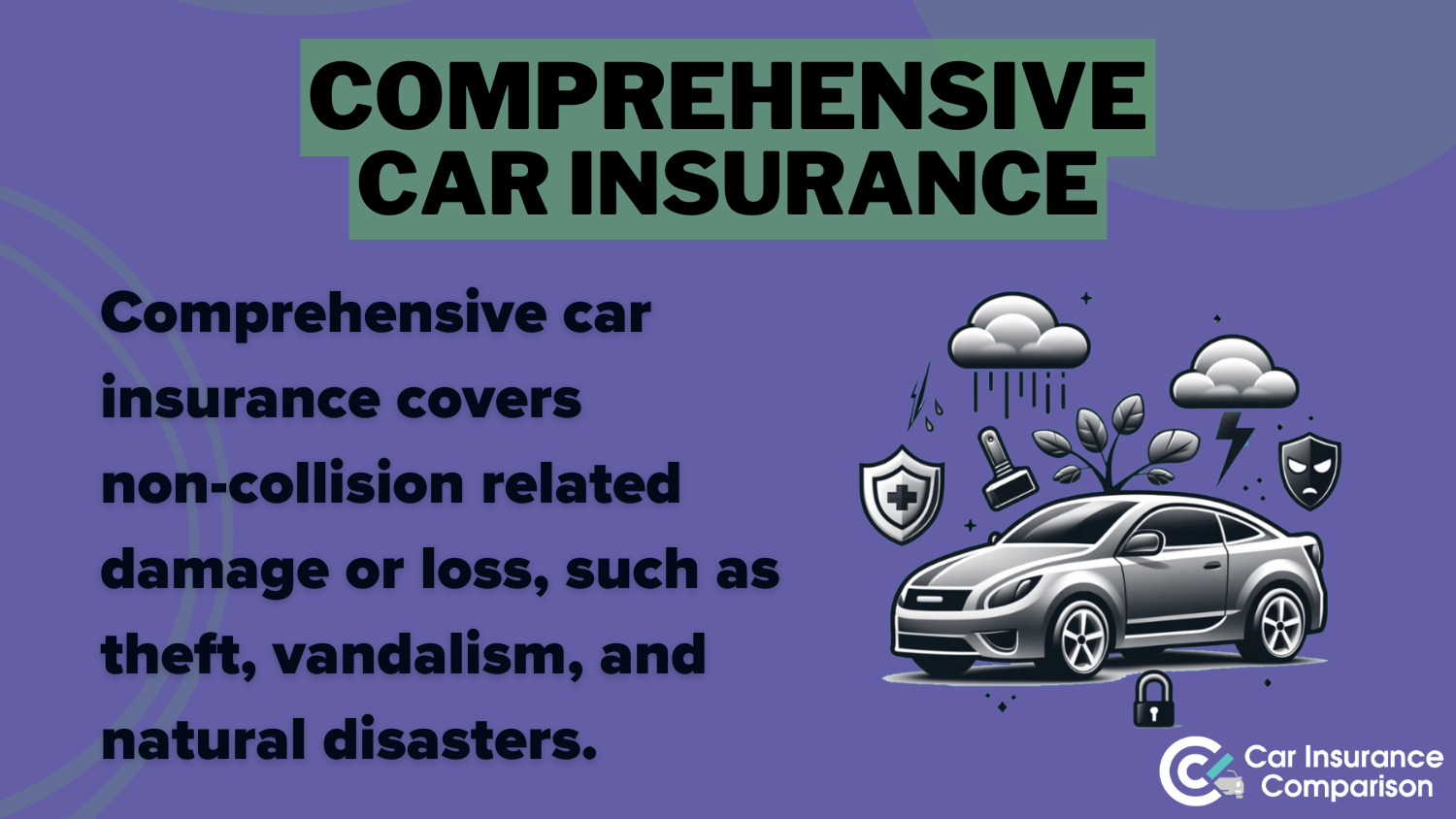
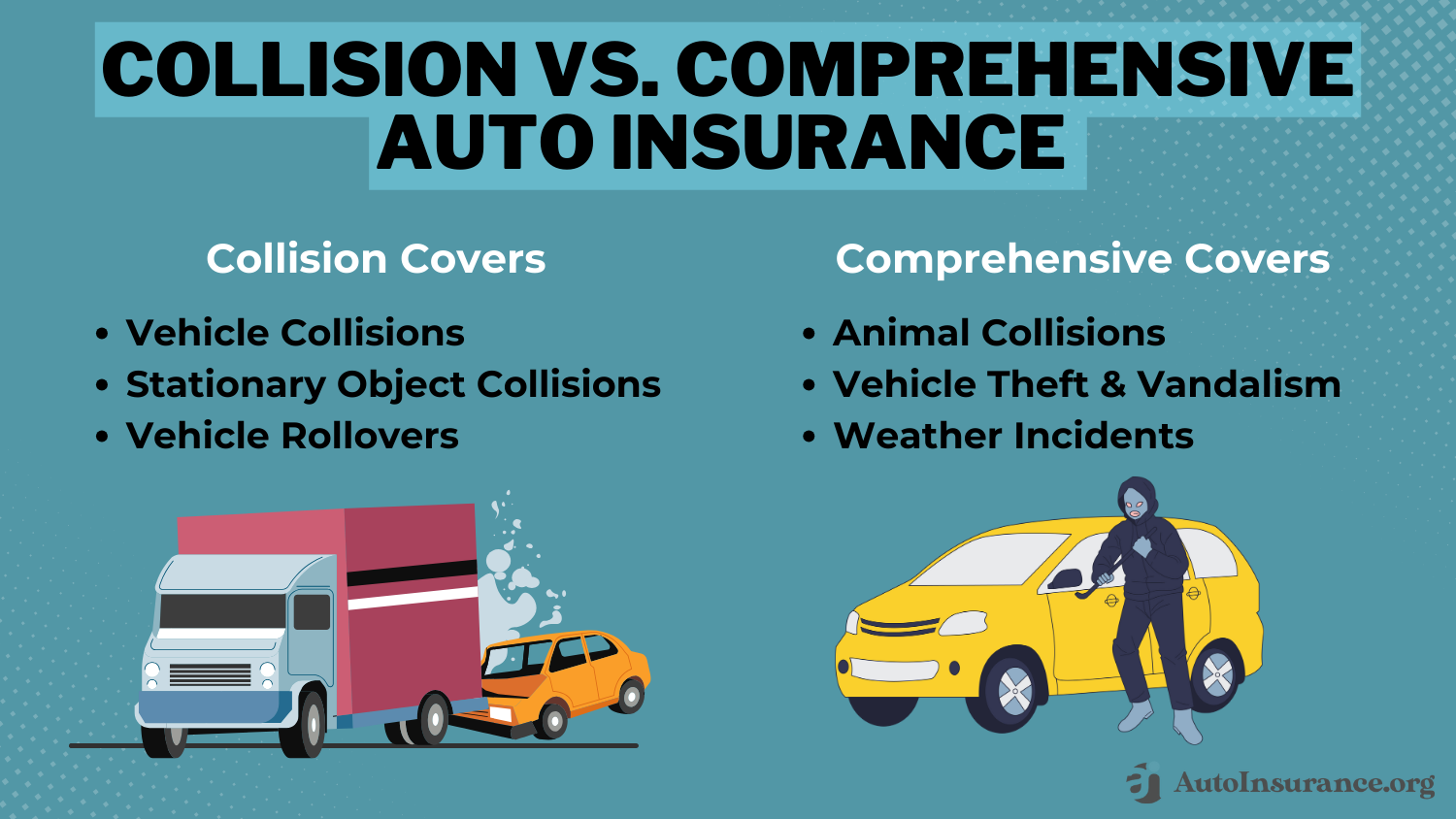
Comprehensive insurance is frequently misunderstood as "full coverage," but it specifically protects against non-collision events such as theft, vandalism, fire, and environmental damage. As vehicle technology becomes more sophisticated and repair costs rise, the methodology for choosing a provider must be rigorous. This guide outlines the technical steps and qualitative benchmarks necessary to differentiate between providers in the current insurance landscape.
Understanding the Scope of Comprehensive Coverage
Before comparing companies, it is vital to define what comprehensive coverage entails in 2026. This segment of your policy covers "acts of God" and various risks that do not involve a collision with another vehicle. Standard events covered include falling objects (like tree limbs), hail, floods, animal strikes (such as hitting a deer), and civil unrest.
When comparing companies, look at how they define these events. Some insurers offer "all-perils" definitions, while others may have specific restrictions regarding flood zones or high-theft areas. Understanding these nuances prevents surprises when a claim is filed. Furthermore, comprehensive coverage is typically required by lienholders if you are financing or leasing your vehicle, making the comparison process a financial necessity rather than an option.
Evaluating Financial Stability and Credit Worthiness
The most critical factor in comparing insurance companies is their long-term solvency. A low premium is irrelevant if the company lacks the liquidity to pay out during a period of high claim volume, such as a regional natural disaster. In 2026, economic volatility makes these ratings more significant than ever.
You should rely on independent rating agencies rather than the insurance company's marketing materials.
- AM Best: Look for ratings of "A-" (Excellent) or higher. AM Best focuses specifically on the insurance industry’s ability to meet its ongoing policy and contract obligations.
- S&P Global Ratings: Provides a broad view of the company’s financial health and credit risk.
- Moody’s Investors Service: Offers insights into the financial strength and risk management practices of the insurer.
A company with a rating below an "A" category may offer lower rates to attract customers, but they represent a higher risk for the policyholder. When comparing, document the current rating of each prospect to ensure you are only considering top-tier institutions.
Analyzing Claims Satisfaction and Customer Service
A policy is only as good as the claims experience it provides. When your vehicle is damaged by a non-collision event, you need a streamlined, transparent process to get back on the road.
The NAIC Complaint Index
The National Association of Insurance Commissioners (NAIC) maintains a Consumer Insurance Search Tool that provides a "Complaint Index" for every licensed insurer. A score of 1.0 represents the national average. If a company has a score of 2.0, it receives twice as many complaints as expected for its size. When comparing providers, aim for companies with a complaint index significantly below 1.0.
J.D. Power Studies
J.D. Power conducts annual U.S. Auto Claims Satisfaction Studies that rank companies based on settlement speed, service interaction, and the quality of the repair process. These studies provide a quantitative look at the qualitative experience of actual policyholders. High rankings in these studies often correlate with a smoother digital experience and better communication during the "loss-to-payment" cycle.
Comparing Technology and Telematics Integration
By 2026, the use of telematics—technology that monitors driving behavior via smartphone apps or plug-in devices—has become a standard tool for personalizing comprehensive premiums. However, not all telematics programs are created equal.
When comparing companies, evaluate the following:
- Data Privacy: Review the company’s policy on how they use and sell your driving data. Some insurers use data solely for discounting, while others may use it to adjust rates upward if aggressive driving is detected.
- App Functionality: Does the app allow for "Photo Claims"? In 2026, top-tier companies use AI to analyze photos of damage instantly, often providing a repair estimate within minutes.
- Discount Transparency: Some companies offer a "participation discount" just for signing up for telematics, while others require a six-month monitoring period before any savings are applied.
Deductibles and Actual Cash Value (ACV) Calculations
The cost of comprehensive insurance is heavily influenced by your choice of deductible. This is the amount you pay out-of-pocket before the insurance covers the rest. When comparing companies, request quotes for the same deductible levels (e.g., $500 vs. $1,000) to ensure a fair price comparison.
Crucially, you must compare how companies calculate the Actual Cash Value (ACV) of your vehicle. Comprehensive claims for theft or total loss (like a fire) are paid based on the ACV.
- Market Value vs. Book Value: Some insurers use proprietary software to determine value, while others rely on third-party data like Kelley Blue Book or J.D. Power (formerly NADA).
- Gap Insurance Options: If your vehicle is new, check if the insurer offers Gap coverage. This pays the difference between the ACV and what you still owe on your loan, which is vital if your car depreciates faster than you pay down the principal.
Key Feature Comparison Table
| Feature | Provider A (National Leader) | Provider B (Regional Specialist) | Provider C (Digital/Insurtech) |
|---|---|---|---|
| AM Best Rating | A++ (Superior) | A (Excellent) | A- (Excellent) |
| NAIC Complaint Index | 0.85 (Below Average) | 1.10 (Slightly Above) | 1.45 (High) |
| Glass Coverage | Optional Full Glass Rider | Standard with Deductible | No-Deductible Repair Only |
| OEM Parts Option | Yes, for additional premium | No, uses aftermarket/Recycled | Yes, through "Elite" tiers |
| Telematics Discount | Up to 30% based on safety | Flat 10% for participation | Dynamic daily pricing |
| AI Claims Speed | 24-48 Hour Settlement | 3-5 Business Days | Near-Instant (Under 4 hours) |
Examining Specific Exclusions and Limitations
The "fine print" is where many comprehensive policies diverge. You cannot assume that all "Comprehensive" policies cover the same risks. When comparing, specifically look for:
- Custom Equipment Coverage: If you have added high-end audio systems, custom rims, or specialized paint, many standard comprehensive policies limit coverage for these items to $1,000 unless an endorsement is added.
- Rodent Damage: While most comprehensive policies cover animal strikes, damage caused by rodents chewing through wiring is sometimes excluded or limited.
- Glass Replacement: Some companies offer a "Full Glass" endorsement that allows for windshield replacement without a deductible. In 2026, with the high cost of recalibrating ADAS (Advanced Driver Assistance Systems) cameras after a windshield swap, this feature is highly valuable.
- Off-Road Use: If you have a truck or SUV, verify if comprehensive coverage applies if the damage occurs on unpaved roads or during recreational off-roading.
Common Mistakes to Avoid During Comparison
One of the most frequent errors is comparing policies with different coverage limits. Ensure that the Property Damage Liability and Uninsured Motorist limits are identical across all quotes so that you can see the true cost difference of the comprehensive portion.
Another mistake is ignoring the "Loyalty" vs. "New Customer" pricing. Many insurers in 2026 use price optimization algorithms that may increase rates for long-term customers who are unlikely to switch. It is often beneficial to compare your current comprehensive provider against competitors every 12 to 24 months to ensure your "loyalty" isn't resulting in a "price walking" penalty.
Frequently Asked Questions
Does comprehensive insurance cover engine failure? No, comprehensive insurance does not cover mechanical breakdowns or wear and tear. It only covers engine damage if it is the direct result of a covered "peril," such as a fire, flood, or a rodent chewing through vital components. For general mechanical issues, you would need a mechanical breakdown insurance (MBI) policy or an extended warranty.
Is there a difference between comprehensive and "other than collision" coverage? Technically, they are the same. Many insurance companies have transitioned to using the term "Other Than Collision" (OTC) in their formal policy documents because it more accurately describes the coverage. When comparing quotes, if you see OTC, it is the comprehensive portion of the policy.
How does a high deductible affect my comprehensive claim? A higher deductible lowers your annual premium because you are assuming more of the financial risk. However, because comprehensive claims (like chipped windshields or minor vandalism) are often relatively low in cost, a high deductible (such as $1,000) might mean the insurance company pays nothing for common smaller incidents.
Should I keep comprehensive insurance on an older car in 2026? A common rule of thumb is the "10% Rule." If the annual cost of comprehensive and collision coverage exceeds 10% of the vehicle’s actual cash value, it may be time to drop it. However, in 2026, even older cars have expensive components like catalytic converters that are frequent targets for theft, making comprehensive coverage worth maintaining for many owners.
Does comprehensive insurance cover theft of personal items inside the car? No. Comprehensive insurance covers the car itself and its built-in components. If your laptop or luggage is stolen from your vehicle, those items are typically covered by your homeowners or renters insurance policy, not your auto insurance.
Final Recommendation
To secure the best comprehensive auto insurance, start by filtering companies based on an AM Best rating of A or higher. Once you have a shortlist of stable providers, compare their NAIC Complaint Index scores to ensure they treat policyholders fairly. Finally, request a detailed breakdown of their glass coverage and OEM parts policies, as these are the most frequent points of friction in 2026 claims. Always prioritize a company that offers a robust mobile app with AI claims processing if you value speed and efficiency in the event of a loss.
Image Gallery