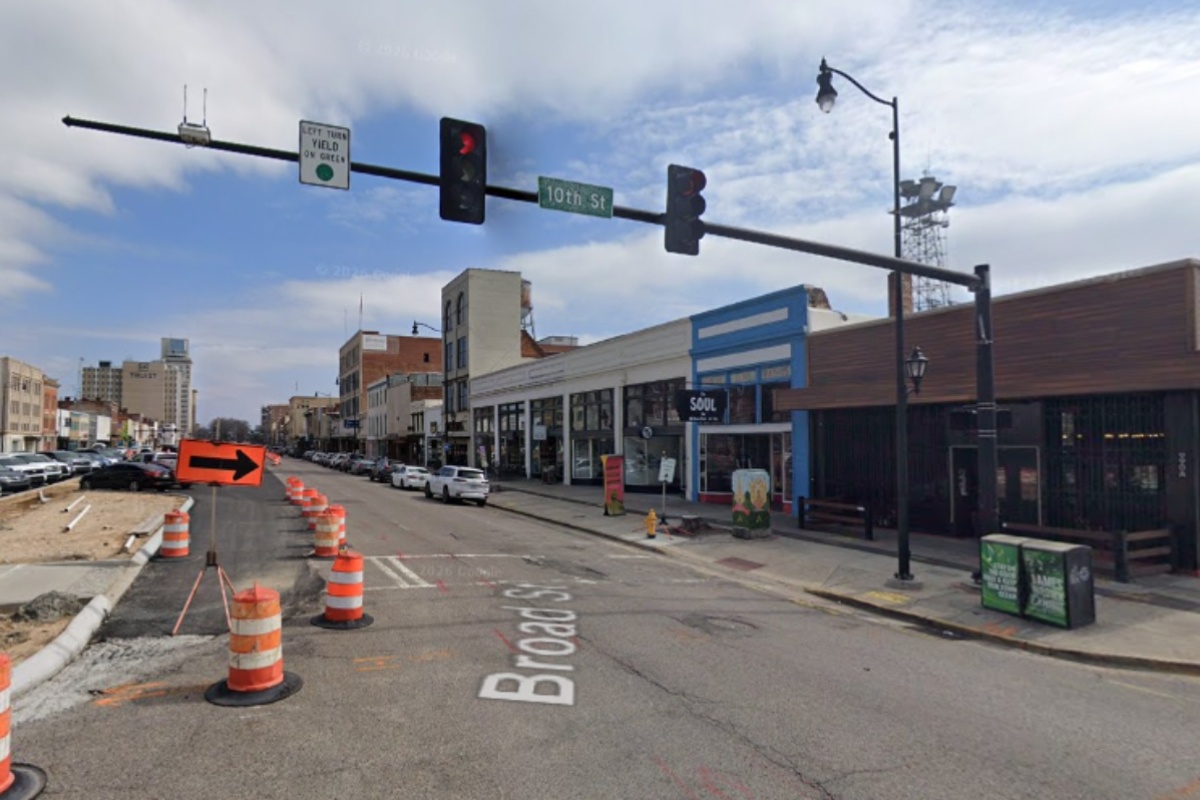
Understanding Augusta Crime Statistics and Public Safety Resources for 2026
Augusta, Georgia, maintains a complex public safety landscape that requires residents and visitors to utilize official data sources for informed decision-making. As of 2026, crime reporting in the region is managed through the Richmond...
Augusta, Georgia, maintains a complex public safety landscape that requires residents and visitors to utilize official data sources for informed decision-making. As of 2026, crime reporting in the region is managed through the Richmond County Sheriff’s Office, which provides centralized data streams to ensure transparency regarding local incidents, seasonal trends, and proactive neighborhood policing initiatives designed to mitigate property and violent offenses.
Contents
Navigating Official Crime Data Sources in Richmond County
For those seeking accurate information regarding local safety, relying on official channels is a priority. Third-party aggregators often provide outdated or extrapolated data that may not reflect the current operational year of 2026. The most reliable method to assess safety within specific precincts is to utilize the data portals provided by local law enforcement and municipal government branches.
- Richmond County Sheriff’s Office (RCSO): The primary authority for incident logs, arrest records, and official community bulletins. Their 2026 public records request portal allows for filtered searches based on offense type and date ranges.
- Uniform Crime Reporting (UCR) Program: The FBI’s centralized database, which collects data from local agencies to provide standardized metrics. Users can search by city to see how Augusta’s reporting aligns with national benchmarks.
- Community Crime Maps: Many municipal departments utilize integrated mapping software. These tools visualize incidents by location, enabling residents to monitor trends in specific neighborhoods or commercial zones.
When interpreting this data, it is important to distinguish between "reported incidents" and "convictions." An increase in logged reports does not always equate to an increase in crime rates, as it can often reflect improved community reporting practices or higher levels of police activity in specific zones.
Analysis of Crime Trends and Public Safety Infrastructure
Effective public safety in Augusta relies on a multi-pronged approach that balances reactive enforcement with preventative community engagement. In 2026, the local approach emphasizes technology-driven policing, such as high-definition surveillance integration and rapid-response tactical units deployed to high-traffic commercial corridors.
Key Factors Influencing Regional Safety
Predictive Policing Initiatives Law enforcement agencies in the region now utilize advanced analytical software to identify potential hotspots before incidents occur. By analyzing historical data, they allocate resources during high-risk hours to deter opportunistic property crime.
Neighborhood Watch Integration Community cooperation remains a cornerstone of safety. The RCSO facilitates programs that empower neighborhood associations to communicate directly with precinct liaisons, ensuring that local concerns receive timely attention from patrol officers.
Comparative Overview of Public Safety Metrics
The following table highlights the primary categories of public safety data typically analyzed by residents and local stakeholders in 2026. Understanding these distinctions helps clarify how safety is measured across different metropolitan sectors.
| Metric Category | Data Focus | Utility for Residents |
|---|---|---|
| Violent Crime | Homicide, assault, robbery | Used to determine overall regional stability |
| Property Crime | Burglary, larceny, motor vehicle theft | Essential for insurance underwriting and security planning |
| Clearance Rates | Percentage of cases resolved by arrest | Indicates police efficacy and investigative capacity |
| Incident Density | Geographic concentration of reports | Helps in selecting areas for residential or business investment |
Practical Steps for Personal and Property Security
Taking proactive measures is the most effective way to improve individual safety outcomes. Regardless of statistical trends, adhering to standardized security protocols reduces the likelihood of becoming a victim of opportunistic crime.
- Conduct a Home Security Audit: Evaluate your property for weak points. This includes checking the efficacy of deadbolts, exterior lighting, and the presence of visible security cameras.
- Participate in Local Programs: Enroll in the Richmond County "Business Watch" or "Neighborhood Watch" programs to receive real-time updates regarding safety alerts in your specific vicinity.
- Digital Vigilance: Utilize encrypted communication channels when reporting non-emergency incidents and avoid sharing real-time travel or location data on public social media platforms.
- Secure High-Value Assets: Ensure that all vehicles are locked and free of visible valuables, as vehicle-related larceny continues to be a top reported incident type in urban areas.
Addressing Frequent Concerns Regarding Local Safety
Residents and newcomers often have specific questions regarding safety and law enforcement efficacy. Addressing these points clearly is vital for maintaining community confidence.
How do I report a non-emergency concern to the police? You should contact the Richmond County Sheriff’s Office non-emergency line or utilize their official website’s online reporting portal. This keeps emergency lines open for urgent situations.
Are crime rates in Augusta trending higher in 2026? Crime trends are dynamic and vary by district. To see the most recent data, visit the official Richmond County Sheriff’s Office data portal, which provides monthly updates rather than relying on annual averages that may not capture current shifts.
What is the role of local surveillance in crime prevention? Surveillance acts as both a deterrent and an investigative tool. In 2026, the integration of private security footage with public safety networks has allowed for significantly faster identification of suspects in retail and residential settings.
Is there a specific area I should avoid? Safety is not uniform across any city. It is recommended to review the latest crime density maps provided by the city, as these tools offer the most objective view of where specific activity has been concentrated in the most recent 30-day window.
How does the police department prioritize resource allocation? Resources are allocated based on a combination of call volume, public safety priorities, and data-driven analysis of incident frequency. High-traffic areas and regions with higher historical report volumes receive priority scheduling for patrol presence.
Recommendations for Continued Community Safety
To stay informed and safe throughout 2026, prioritize official communications from the Richmond County Sheriff’s Office. Avoid relying on neighborhood rumors or unverified social media posts, which can often misrepresent the scope and nature of local events. If you witness suspicious activity, provide detailed, objective accounts to authorities rather than engaging directly. Consistent reporting ensures that the data reflects the reality on the ground, allowing for more effective resource management by local officials.
Image Gallery