Why You Hear Animal Scratching in Attic at Night: Identifying and Addressing Pests
Hearing scratching, skittering, or thumping sounds in your attic at night is a common indicator that wildlife has gained unauthorized access to your home. Most nocturnal animals, such as raccoons, mice, rats, and opossums, seek out att...
Hearing scratching, skittering, or thumping sounds in your attic at night is a common indicator that wildlife has gained unauthorized access to your home. Most nocturnal animals, such as raccoons, mice, rats, and opossums, seek out attic spaces because they provide shelter, warmth, and protection from predators, often utilizing vents, gaps, or damaged soffits to enter your property.
Contents
Common Nocturnal Attic Intruders
Understanding the source of the noise is the first step toward resolution. Different animals exhibit distinct patterns of movement and sound, which can often help you identify the culprit.
- Mice and Rats: These rodents are typically responsible for light, scurrying, or scratching sounds. Because they are nocturnal, you are most likely to hear them during quiet hours. You may also hear gnawing sounds, as rodents must chew to keep their incisor teeth at a manageable length.
- Raccoons: These are heavy-bodied animals. Their presence is usually signaled by loud thumping, rolling, or heavy dragging sounds. Because they are large, you may hear them move across the ceiling joists with significant force. Raccoons are most active at dusk and dawn but can be heard throughout the night.
- Opossums: While slow-moving, opossums can be surprisingly noisy. Their movement sounds more like a heavy, deliberate shuffle. Unlike mice, they do not usually gnaw on structural elements, but their weight can cause sounds similar to small pets walking across the ceiling.
- Bats: Bat activity is characterized by faint rustling or high-pitched chirping. You are most likely to hear them at dusk as they leave to hunt and at dawn when they return to roost.
Why Wildlife Seeks Your Attic
Attics serve as an ideal habitat for many species. In 2026, residential areas continue to expand into natural habitats, increasing the frequency of human-wildlife encounters. The primary drivers for animals entering an attic include:
- Thermal Regulation: Animals seek stable temperatures. During cold winter months, the attic traps heat from the house, creating a cozy environment. Conversely, during extreme heat, the attic offers protection from the direct sun.
- Reproductive Safety: Many female animals look for dark, secure, and quiet locations to build nests and raise their young. If you hear scratching in the spring, it is highly possible that a mother animal has established a den.
- Resource Proximity: If your home has improperly stored food, pet food left outside, or easy access to garbage, it acts as a beacon for opportunistic foragers.
Risks Associated with Attic Pests
Ignoring animal activity in your attic can lead to significant structural and health-related complications.
- Structural Damage: Rodents and raccoons can cause extensive damage. Mice and rats frequently chew through electrical wiring, which presents a significant fire hazard. Larger animals can crush insulation, damage air ducts, and destroy drywall.
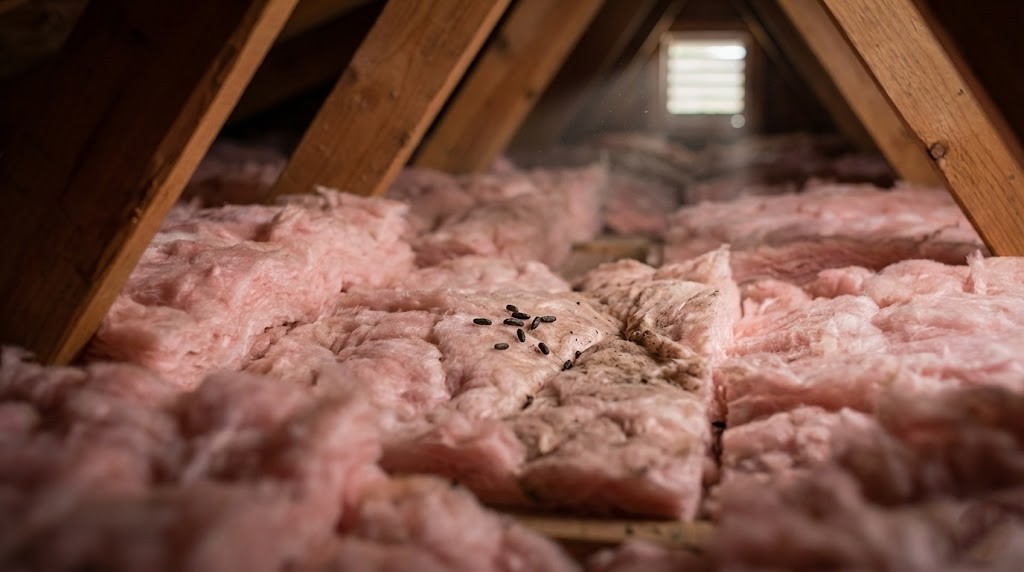
- Contamination: Animals carry parasites, including fleas, ticks, and mites. Furthermore, the buildup of urine and feces (guano) creates a hazardous environment. Fecal matter can harbor pathogens such as Hantavirus, Salmonella, and Leptospirosis, which can become airborne through HVAC systems.
- Noise Pollution and Stress: Chronic noise, particularly during sleeping hours, can significantly disrupt the quality of life for household residents.
Comparison of Common Attic Pests
| Pest | Sound Profile | Typical Activity Time | Primary Risk |
|---|---|---|---|
| Mice | Light scurrying, gnawing | Nocturnal | Wire damage, disease |
| Rats | Heavy scratching, thumping | Nocturnal | Structural damage, fire |
| Raccoons | Loud thumping, rolling | Dusk/Dawn/Night | Insulation damage, disease |
| Opossums | Slow, shuffling, heavy | Nocturnal | Parasites, odor |
| Bats | Faint rustling, chirping | Dusk/Dawn | Guano buildup (histoplasmosis) |
Remediation and Exclusion Steps
Once you have identified the presence of an animal, it is essential to follow a systematic approach to removal and exclusion.
- Professional Inspection: Given the potential for diseases and the complexity of local wildlife laws, hiring a licensed wildlife control professional is often the most effective route. They can identify the entry point and assess whether there is a litter of young present.
- Seal Entry Points: After ensuring the animals are gone, all potential entry points must be sealed. This involves using durable materials such as steel mesh, flashing, or heavy-duty hardware cloth. Relying on simple foam or plastic covers is insufficient, as many animals can easily chew through these materials.
- Sanitation: Professional cleaning is often necessary to remove pheromones and waste. Simply removing the animal does not always stop the problem, as the scent left behind may attract other animals to the same location.
- Habitat Modification: Trim tree branches that touch your roof, as these act as bridges for animals. Secure your garbage bins with locking lids and ensure no pet food is left outside overnight.
Legal and Safety Considerations
It is critical to note that many animals are protected by state and local regulations. Before attempting any form of trapping or exclusion, consult with your local fish and wildlife department. In many jurisdictions, it is illegal to relocate certain species or to disturb active nesting sites. Attempting to trap animals yourself can lead to injury, as cornered wildlife can be aggressive and may carry rabies or other transmissible diseases.
Frequently Asked Questions
How can I tell if the animals have babies in the attic? If you hear vocalizations that sound like whimpering, chirping, or constant high-pitched noise, this often indicates young animals. If you suspect a nest, it is vital to contact a professional. If you exclude the mother while the young are still inside, the young will die in the attic, leading to severe odor issues and potential secondary pest infestations.
Should I use ultrasonic pest repellents? Most scientific studies have shown that ultrasonic devices have minimal, if any, long-term effect on wildlife in an attic. Animals often become accustomed to the noise or simply move to a different part of the structure. Physical exclusion remains the only proven method for keeping wildlife out.
Is it safe to go into the attic to check for signs of animals? It is not recommended. Beyond the risk of direct encounter with an animal, the attic may contain hazardous levels of animal waste. If you must enter, wear personal protective equipment (PPE), including a P100 respirator, eye protection, and disposable coveralls, to minimize the risk of inhaling fungal spores or pathogens.
Does homeowners insurance cover animal damage? Insurance coverage varies significantly by policy. While some policies cover sudden structural damage, many classify animal damage as a maintenance issue and exclude it. Contact your insurance provider to review your specific policy language regarding vermin or wildlife infestations.
How long does an exclusion process usually take? The duration depends on the species and the size of the infestation. A simple one-way door installation may resolve the issue in a few days, whereas a larger infestation requiring trapping, sanitation, and structural repairs can take several weeks to complete.
Next Steps for Homeowners
If you are currently hearing sounds in your attic, begin by conducting a visual inspection from the ground. Look for damaged soffits, loose shingles, or gaps near the roofline. Documenting the timing and nature of the sounds can help a professional wildlife technician narrow down the species quickly. Your primary goal should be to safely facilitate the exit of the animal and permanently secure the structure to prevent future entry.
Image Gallery