The Global Hand Cream Market Explained: Trends, Ingredients, and 2026 Industry Forecasts
The hand cream market in 2026 is a multi-billion dollar sector of the global beauty industry, driven by a convergence of dermatological health, anti-aging demands, and sustainable manufacturing. Valued for its shift from basic hydratio...
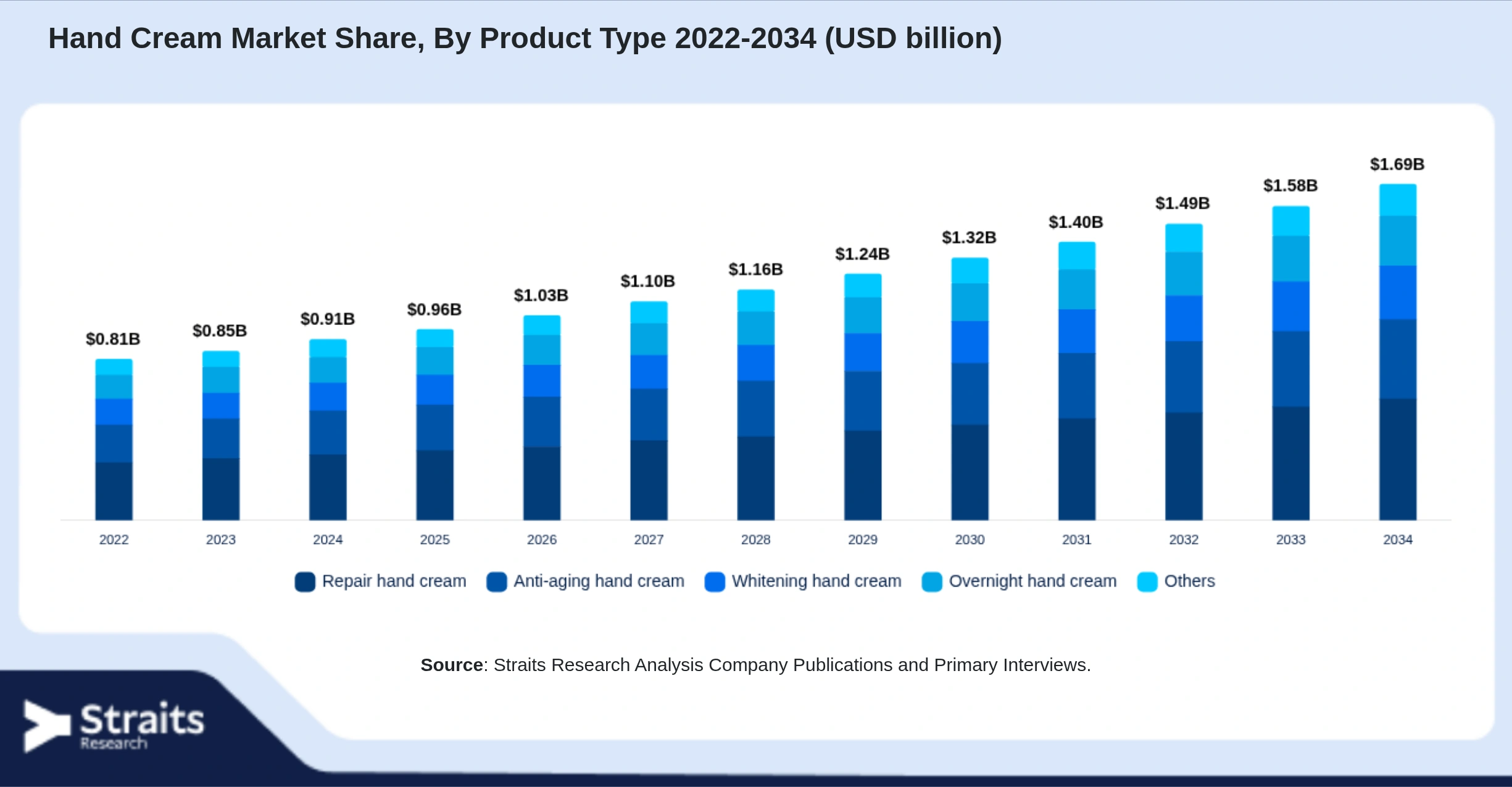
The hand cream market in 2026 is a multi-billion dollar sector of the global beauty industry, driven by a convergence of dermatological health, anti-aging demands, and sustainable manufacturing. Valued for its shift from basic hydration to "skinification"—incorporating high-performance facial ingredients into body care—the market now prioritizes barrier repair, SPF protection, and eco-friendly packaging to meet the needs of an increasingly informed consumer base.
Contents
The Evolution of Hand Care: From Necessity to Ritual
For decades, the hand cream market was a utilitarian segment of the broader personal care industry. Products were often generic, focused solely on relieving dryness caused by manual labor or harsh weather. However, by 2026, the market has undergone a fundamental transformation. This shift is largely attributed to the "skinification" of body care, where consumers apply the same rigor to their hand-care routines as they do to their facial regimens.
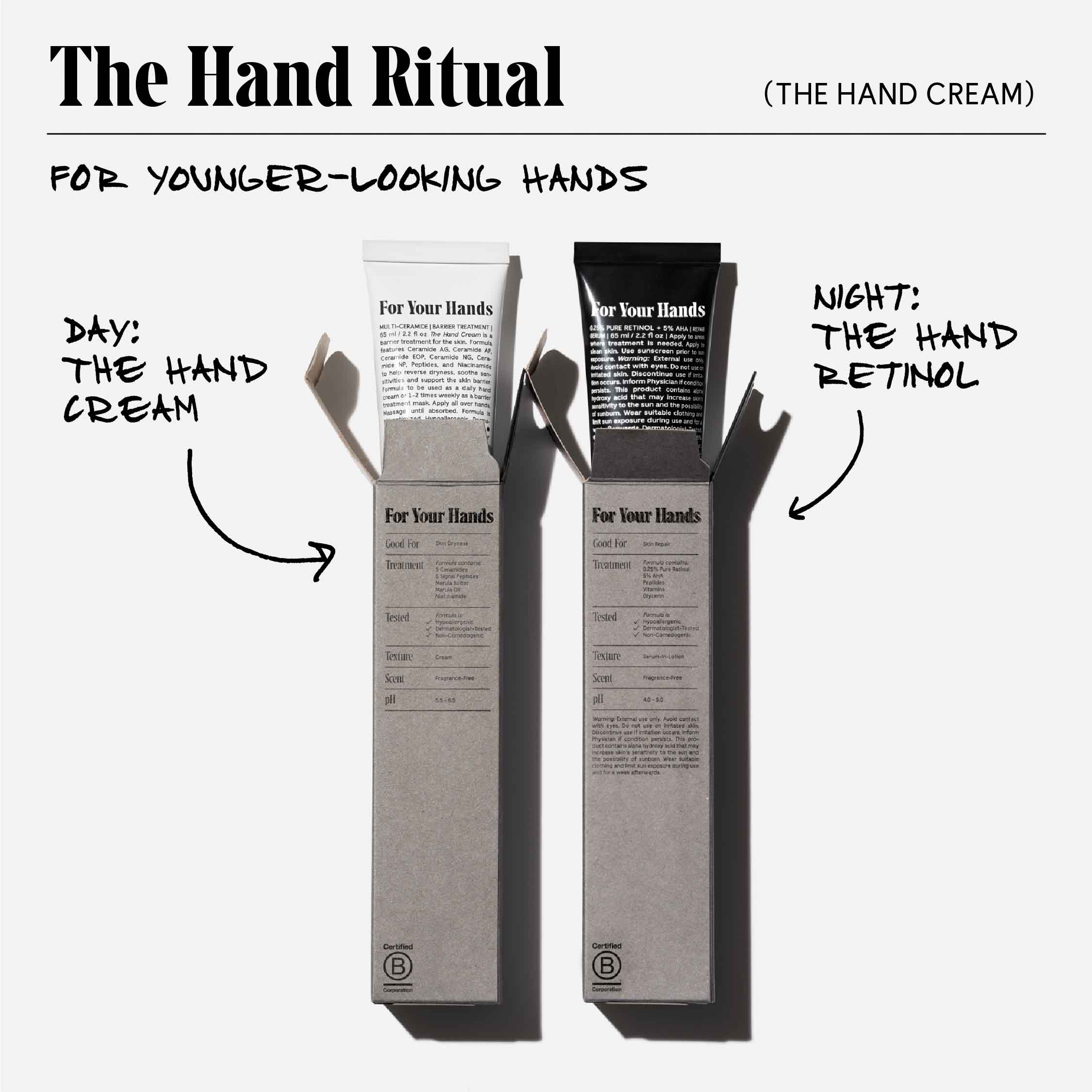
The modern market is no longer a monolithic entity; it is a highly fragmented landscape categorized by clinical efficacy, luxury positioning, and lifestyle branding. The primary driver of this evolution has been the global aging population. As the hands are often the first area to show signs of photo-aging—such as age spots, collagen loss, and thinning skin—there has been a massive influx of "treatment-oriented" products. These creams do more than moisturize; they aim to reverse structural damage and protect the skin from environmental stressors.
Furthermore, the post-pandemic era solidified hand hygiene as a permanent cultural fixture. While the acute crisis has passed, the habit of frequent hand washing and sanitizing remains, leading to a sustained demand for "barrier-restoring" creams that counteract the drying effects of alcohol-based cleansers.
Market Segmentation: Masstige, Clinical, and Luxury
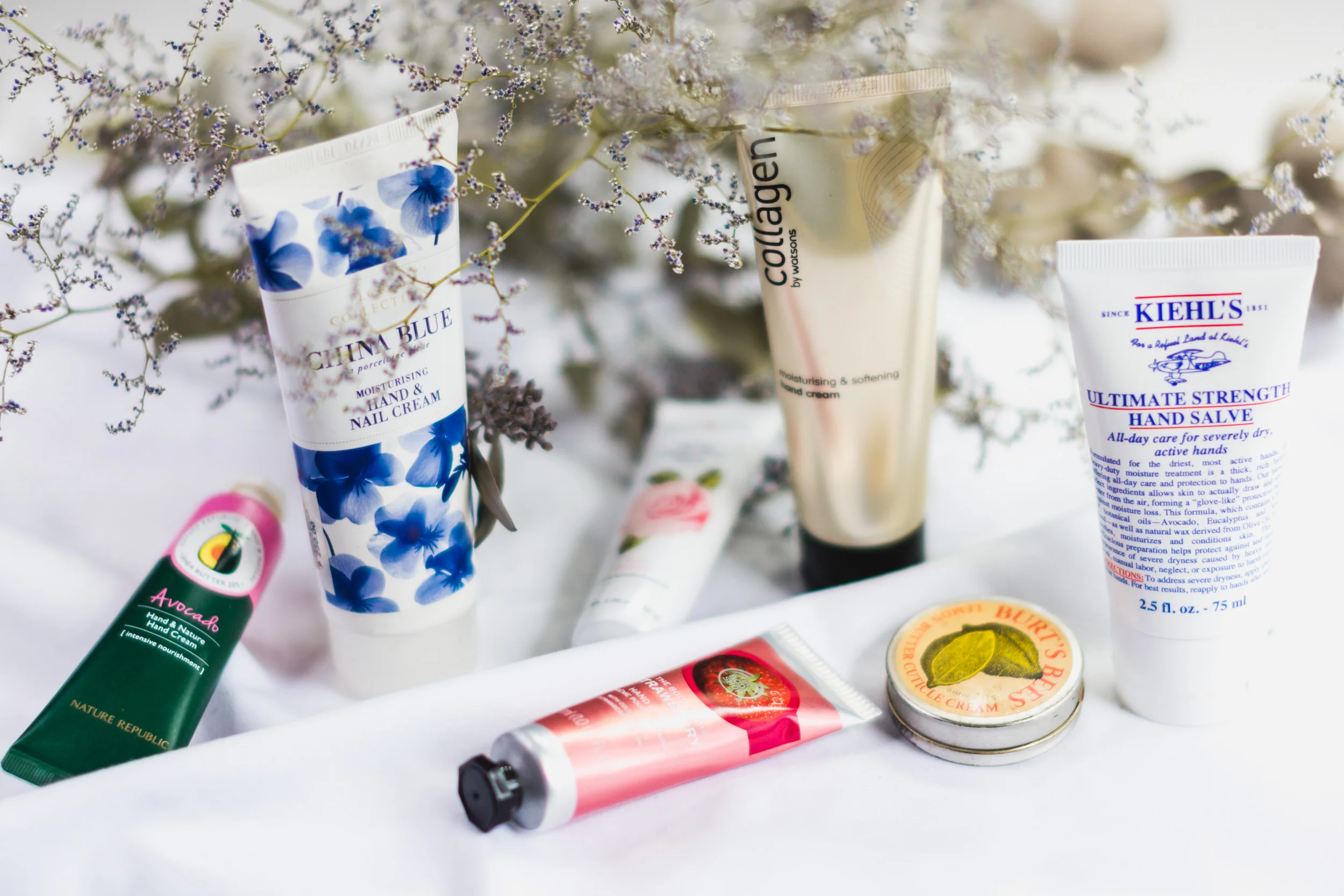
Understanding the hand cream market requires a look at how products are tiered. This stratification determines everything from ingredient concentration to packaging design and retail placement.
1. The Clinical and Therapeutic Segment
This segment is dominated by "dermaceutical" brands. In 2026, these products are often fragrance-free, hypoallergenic, and formulated with medical-grade ingredients like urea, ceramides, and petrolatum. The target audience includes individuals with chronic conditions such as eczema, psoriasis, or contact dermatitis. Marketing here focuses on "barrier repair" and "long-lasting protection," often backed by clinical trials and dermatological endorsements.
2. The "Masstige" Sector
A portmanteau of "mass" and "prestige," masstige brands offer high-end ingredients—such as niacinamide, retinol, and hyaluronic acid—at an accessible price point (typically $15–$30). This is currently the fastest-growing sector of the market. Consumers in this category are "skintellectuals" who read ingredient labels and seek specific results, such as brightening or fine-line reduction, without paying luxury department store prices.
3. The Luxury and Heritage Segment
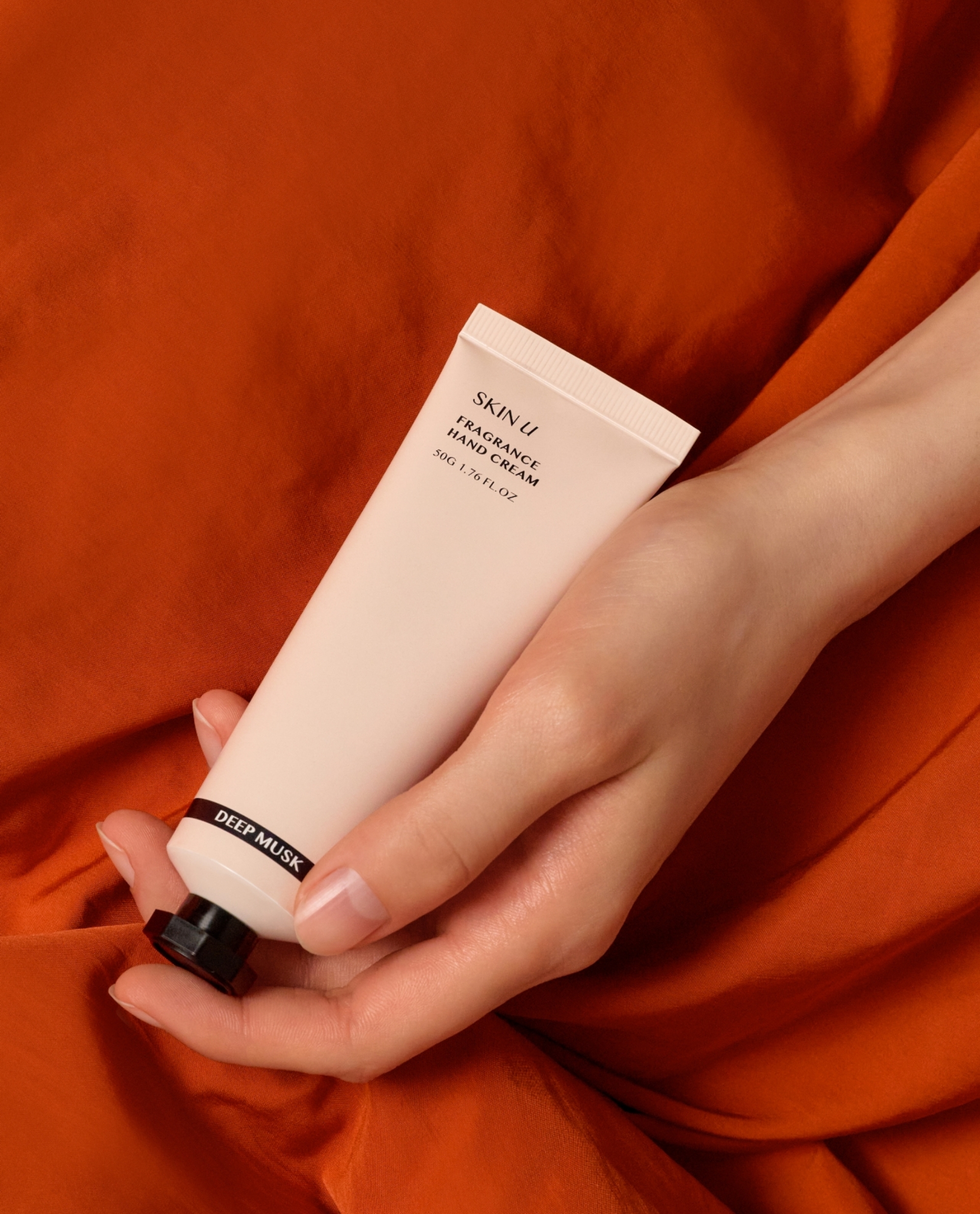
This segment prioritizes the "sensory experience." High-end brands focus on signature fragrances, aesthetic packaging (often heavy glass or artisanal metal tubes), and rare botanical extracts. In 2026, luxury hand creams are marketed as "hand treatments" or "hand serums," positioning the application process as a moment of mindfulness or self-care. Here, the brand story and prestige are as important as the formula itself.
Core Ingredient Science: The Triple Threat of Formulation
The efficacy of a modern hand cream is determined by its balance of three specific types of ingredients. As of 2026, formulation technology has advanced to allow these components to coexist in non-greasy, fast-absorbing vehicles.
- Humectants: These are water-binding molecules like glycerin, hyaluronic acid, and honey. They draw moisture from the environment or deeper layers of the dermis into the stratum corneum (the top layer of skin).
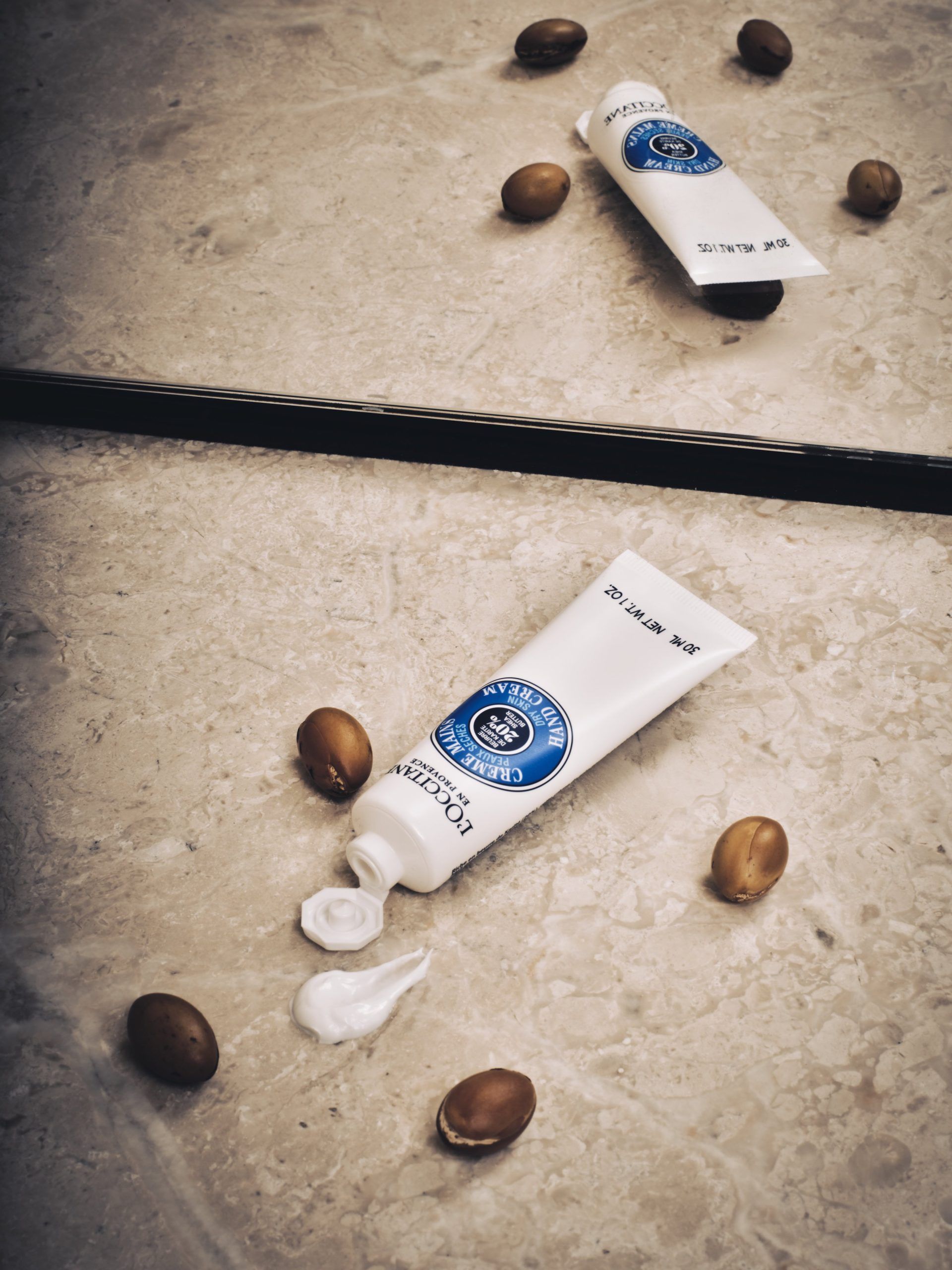
- Emollients: Ingredients like squalane, shea butter, and fatty acids fill the gaps between skin cells. They smooth the skin’s surface and improve texture, providing that immediate "soft" feeling.
- Occlusives: These create a physical barrier on the skin to prevent transepidermal water loss (TEWL). Traditional occlusives like petrolatum remain the gold standard, but 2026 formulations often use plant-based waxes and specialized silicones to provide protection without a heavy, sticky residue.
Beyond these basics, the 2026 market has seen a surge in SPF integration. With the understanding that 80% of skin aging is caused by UV exposure, daily-use hand creams with SPF 30 or higher have become a standard requirement for daytime formulations, moving away from being a "specialty" feature.
Sustainability and the 2026 Regulatory Landscape
Environmental impact is no longer an optional consideration for hand cream manufacturers. In 2026, the market is heavily influenced by "circular beauty" principles. This includes:
- Biodegradable Formulations: Regulators in several regions have tightened restrictions on microplastics and certain synthetic polymers commonly used as thickeners in creams.
- Post-Consumer Recycled (PCR) Packaging: Most major brands have transitioned to aluminum tubes (which are infinitely recyclable) or PCR plastics. The "monomaterial" trend—where the tube, cap, and seal are made from the same material—has simplified the recycling process for consumers.
- Refillable Systems: Premium brands are increasingly offering "pod-based" refills or bulk-refill stations in retail locations to reduce the carbon footprint associated with shipping heavy glass or plastic containers.
Hand Cream Performance Comparison Table
The following table compares the typical profiles of the three dominant product types in the 2026 market to help consumers and retailers differentiate between functional goals.
| Feature | Daily Maintenance Cream | Intensive Repair Balm | Anti-Aging Hand Treatment |
|---|---|---|---|
| Primary Goal | Hydration & Comfort | Barrier Restoration | Texture & Tone Correction |
| Key Ingredients | Glycerin, Light Oils | Ceramides, Urea, Petrolatum | Retinol, Vitamin C, SPF |
| Texture | Lightweight, Fast-Absorbing | Rich, Heavy, Occlusive | Serum-like or Velvety |
| Absorption Time | < 1 Minute | 5–10 Minutes | 2–3 Minutes |
| Usage Occasion | Post-hand washing | Overnight or extreme cold | Morning (preventative) |
| Packaging Trend | Plastic/Aluminum Tube | Large Jars or Tins | Airless Pumps |
Consumer Demographics: The "Skintellectual" and Gender-Neutral Shifts
The target audience for hand creams has broadened significantly. Historically marketed primarily to women, the 2026 market reflects a major shift toward gender-neutral branding. Modern consumers prioritize functionality and scent profiles like sandalwood, bergamot, or "unscented" over traditional floral notes.
Furthermore, the "Generation Alpha" and "Gen Z" cohorts have entered the market earlier than previous generations. Their focus is on prevention. Rather than waiting for dry skin to occur, these consumers view hand cream as a daily defensive tool against environmental pollution and digital-device-related blue light exposure (though the evidence for blue light damage on hands is still being debated by dermatologists, it remains a potent marketing tool).
The Role of Technology and Personalization
In 2026, technology has permeated the hand care space through AI-driven skin analysis. Several "smart" retail kiosks now allow consumers to scan their hands to measure hydration levels and pigmentation depth. These scans result in personalized ingredient recommendations.
Additionally, manufacturing has seen the rise of "waterless" hand creams. By removing the water content and delivering the product as a solid concentrate or a rich anhydrous balm, brands reduce shipping weight and eliminate the need for certain preservatives, appealing to the "clean beauty" demographic that remains influential in 2026.
Frequently Asked Questions
Does hand cream actually repair the skin barrier?
Yes, but it depends on the ingredients. To truly "repair" the barrier, a cream must contain physiological lipids—specifically ceramides, cholesterol, and fatty acids. These ingredients mimic the natural structure of the skin's moisture barrier, helping to "glue" skin cells back together and prevent moisture from escaping. Simple humectants like glycerin only provide temporary hydration without structural repair.
What is the difference between hand cream and body lotion?
Hand creams are formulated differently because the skin on the back of the hands is much thinner than the skin on the legs or torso, yet the palms are significantly thicker and lack sebaceous (oil) glands. Consequently, hand creams are usually more concentrated, containing a higher percentage of occlusives and emollients to withstand frequent washing, whereas body lotions are thinner and designed for larger surface areas.
Are "anti-aging" hand creams effective for sunspots?
Anti-aging hand creams can be effective if they contain active ingredients like alpha-hydroxy acids (AHAs), vitamin C, or retinoids. These ingredients promote cell turnover and inhibit melanin production. However, the most critical "anti-aging" step is the inclusion of SPF. Without sun protection, any corrective benefits from these active ingredients will be neutralized by further UV damage.
Why is "clean beauty" still a major factor in 2026?
The "clean beauty" movement has evolved from a list of "free-from" ingredients to a focus on transparency and safety. In 2026, consumers demand to know the origin of their ingredients (traceability) and the environmental impact of the sourcing process. While the term "clean" is not always strictly regulated, it serves as a shorthand for products that avoid controversial preservatives like certain parabens and phthalates.
How often should I apply hand cream for maximum benefit?
For maintenance, experts recommend applying hand cream after every time you wash your hands. Water and soap strip away the skin's natural oils; applying cream while the skin is slightly damp helps lock in moisture. For therapeutic needs, a heavy application before sleep—sometimes referred to as "hand slugging"—provides an extended period for the ingredients to penetrate without being wiped or washed off.
Practical Recommendation for 2026
When navigating the 2026 hand cream market, consumers should prioritize multi-functional products. Instead of buying a separate moisturizer and sun protector, look for high-performance formulas that combine SPF 30 with barrier-repairing ceramides. For those in professional environments requiring frequent washing, look for "film-forming" creams that utilize modern, breathable silicones to provide a protective "second skin" that lasts through multiple rinses. Always check for the presence of humectants, emollients, and occlusives to ensure the product provides more than just a fleeting sensation of softness.
Image Gallery