Finding an Ace Loan Near You: A Practical Guide to Local Lending Options
Securing a loan through a local lender, often colloquially referred to as an "Ace loan," typically involves identifying neighborhood-based financial institutions that offer short-term or installment lending services. Finding these prov...
Securing a loan through a local lender, often colloquially referred to as an "Ace loan," typically involves identifying neighborhood-based financial institutions that offer short-term or installment lending services. Finding these providers requires balancing the convenience of a physical location with an assessment of the lender's regulatory compliance, interest rate transparency, and the specific eligibility requirements dictated by your local jurisdiction.
Contents
Understanding the Local Lending Landscape
When searching for "Ace" lending options, users are often looking for immediate or accessible credit solutions. It is essential to distinguish between national brand-name entities—such as those operating under the ACE Cash Express trade name—and the generic practice of searching for high-accessibility lenders in your immediate vicinity.
Large-scale providers like ACE Cash Express are regulated at the state level. Because lending laws, interest rate caps, and permitted product types vary significantly between states (and sometimes municipalities), the availability of specific loan products—such as payday loans, title loans, or installment loans—is not uniform. A provider offering a specific product in one state may be legally prohibited from doing so in another. Consequently, "finding a loan near you" is fundamentally a task of verifying which services are legally authorized to operate in your specific zip code.
Prerequisites for Loan Application
Before visiting a physical location or initiating an application, you must prepare the necessary documentation. Regardless of the lender, the verification process is designed to confirm your identity, residency, and ability to repay. Most local lenders will require the following:
- Valid Government-Issued Identification: This includes a driver’s license, state ID, or passport. The identification must be current and clearly legible.
- Proof of Income: Lenders must verify your capacity to repay the debt. This typically requires your most recent pay stubs, bank statements spanning the last 30 to 90 days, or formal tax documentation if you are self-employed.
- Active Checking Account: Most providers require a functional, open bank account. This is used to disburse funds and often to set up electronic repayment schedules.
- Residency Verification: A utility bill, lease agreement, or mortgage statement that matches the address on your identification is standard.
- Active Contact Information: A verifiable telephone number and a valid email address are necessary for account management and legal disclosures.
Assessing the Cost and Terms of Local Loans
Local lending options often prioritize speed and accessibility over low interest rates. Borrowers should approach these financial instruments as short-term liquidity solutions rather than long-term debt management strategies. The cost of borrowing is typically expressed through the Annual Percentage Rate (APR).
In many local lending models, the APR for short-term products can reach triple digits. It is imperative to review the Truth in Lending Act (TILA) disclosures provided by the lender. These documents are legally required to state the finance charge and the APR clearly. Never sign an agreement without identifying the exact dollar amount of the fees associated with the principal loan amount.
Comparison of Common Lending Categories
| Loan Type | Typical Speed | Primary Requirement | Common Use Case |
|---|---|---|---|
| Payday Loan | Immediate | Proof of Employment | Bridging a temporary income gap |
| Installment Loan | 1–2 Business Days | Credit/Income History | Managing larger, planned expenses |
| Title Loan | Same Day | Vehicle Equity | Urgent cash needs using a vehicle as collateral |
| Cash Advance | Immediate | Debit/Checking Account | Emergency small-sum requirements |
Verifying a Lender’s Credibility
The financial services sector is strictly regulated to protect consumers. Before engaging with any lender near you, verify their legal standing.
- State Regulatory Agency: Every U.S. state has a financial regulation department (often titled the Department of Financial Institutions or the Office of the Commissioner of Banking). Visit their official website to search for the lender by name. If a lender cannot be found in the state’s registry, do not proceed.
- Licensing Status: A legitimate local storefront must display its business license and state-issued lending license in a visible area or provide proof upon request.
- Transparency of Fees: Avoid any entity that is vague about the total cost of the loan or that discourages you from reading the fine print of the loan agreement.
Common Risks and Considerations
Borrowing money carries inherent risks, particularly when utilizing high-cost, short-term credit. The most common pitfall is the "debt cycle," where a borrower takes out a new loan to cover the principal and interest of an existing one. This can lead to significant long-term financial strain.
Additionally, consider the impact on your credit score. While some installment loans are reported to credit bureaus, many small-dollar, short-term loans are not. If your goal is to build credit, a payday or cash advance loan may offer no benefit despite the high cost. Always inquire if the lender reports payment history to major credit bureaus.
Troubleshooting Your Application
If your application is denied, the lender is legally obligated under the Equal Credit Opportunity Act to provide you with an "adverse action notice." This notice explains the specific reason for the denial, such as insufficient income, an unstable employment history, or an existing record of defaults.
If you believe a denial was made in error:
- Request a copy of your credit report from the major bureaus to ensure there are no inaccuracies affecting your eligibility.
- Review your provided documentation to ensure it matches the lender’s specific requirements.
- Seek alternatives, such as credit unions or non-profit community lenders, which may offer more favorable terms for individuals facing financial hardship.
Frequently Asked Questions
How can I find a legitimate lender in my area? Use official state government websites to search for licensed lenders. Avoid third-party "loan matching" sites that collect your data and sell it to multiple lenders, as these may lead to unwanted marketing solicitations.
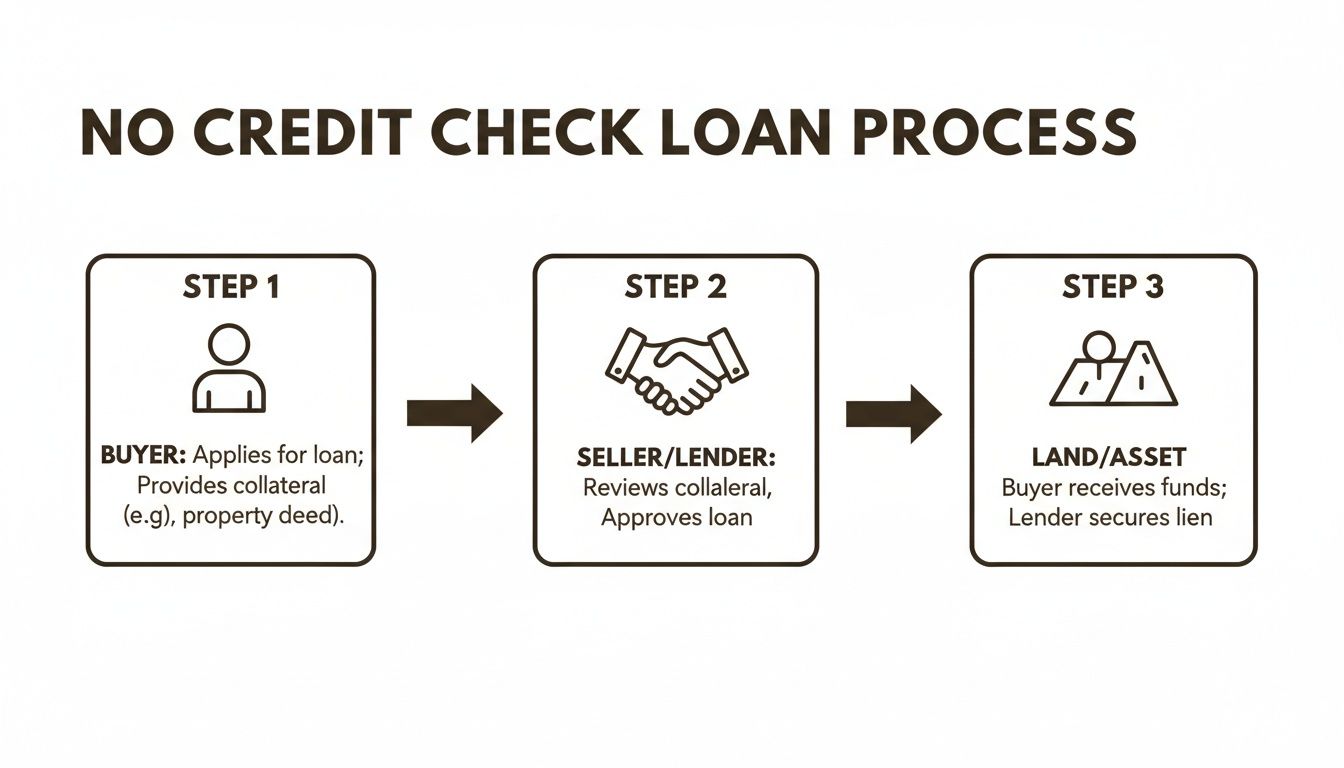
Do all local lenders require a credit check? Not all. Many short-term lenders prioritize income verification over traditional credit scores. However, be aware that the absence of a credit check is often reflected in significantly higher fees and interest rates.
What happens if I cannot pay back the loan on time? Contact the lender immediately. Many states have laws regarding extensions, rollovers, or repayment plans. Ignoring the debt can lead to aggressive collection efforts, additional fees, and potential legal action depending on the terms of your contract.
Are local store loans safer than online loans? Physical locations offer the benefit of face-to-face service and local accountability. However, both must comply with the same state lending laws. The safety of a loan depends on the lender's adherence to state regulations, not the physical nature of the office.
Can I get a loan if I have no credit history? Yes, some local lenders focus on "cash-flow" underwriting, which looks at your income and expenses rather than your credit history. However, these loans remain high-cost and should be approached with caution.
Next Steps for Financial Stability
If you find yourself in need of an "Ace loan" or a similar short-term credit product, treat it as a temporary measure. Once you have addressed your immediate financial emergency, prioritize creating a contingency fund. This fund acts as a personal buffer, reducing the need for high-cost credit in the future. If you are experiencing persistent financial difficulty, consider consulting a non-profit credit counselor, who can provide guidance on debt management and budgeting without the pressure of a sales-driven environment.
Image Gallery