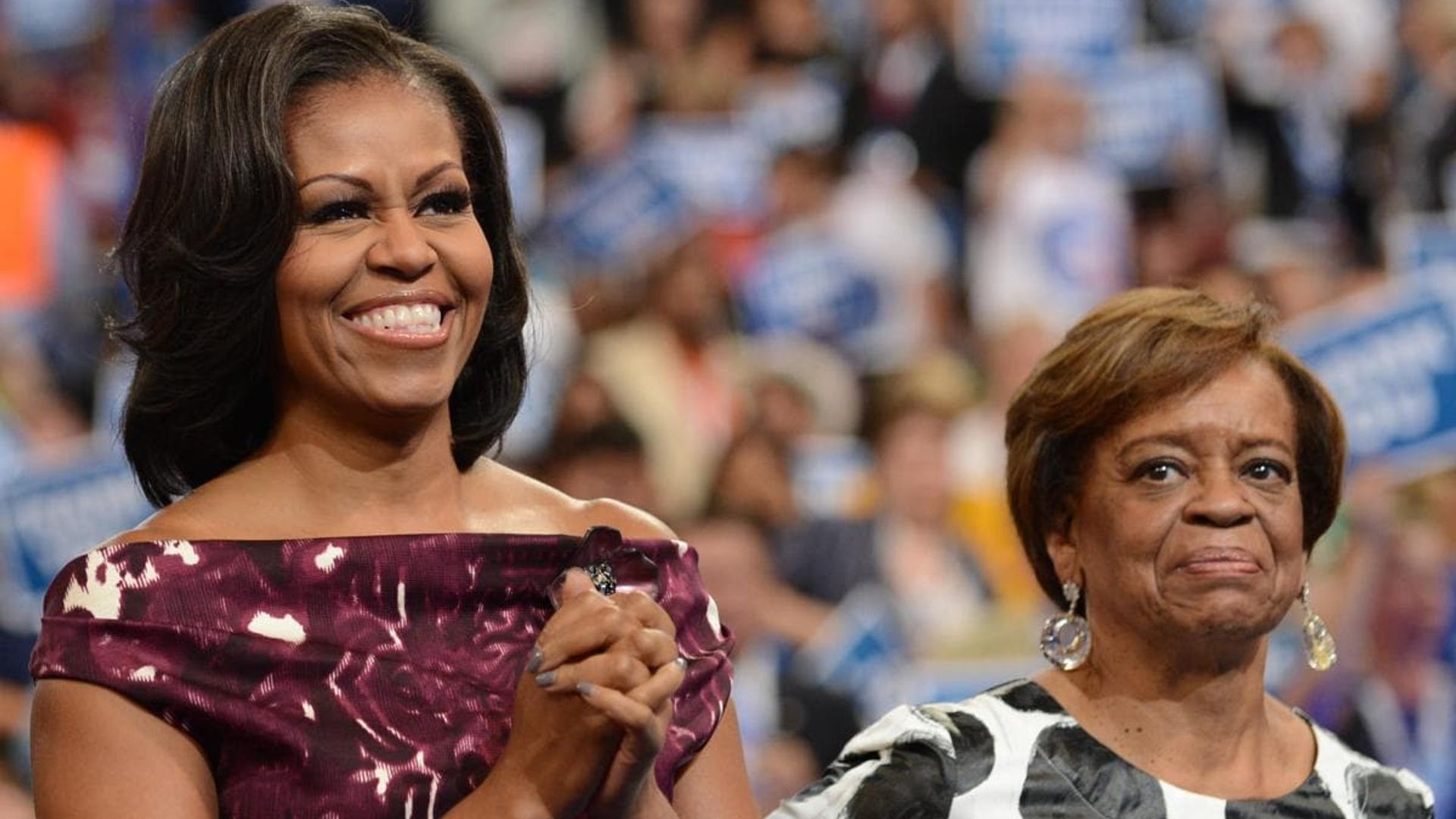
Understanding the Life and Legacy of Marian Robinson: How Michelle Obama’s Mother Passed Away
Marian Robinson, the mother of former First Lady Michelle Obama, passed away on May 31, 2024, at the age of 86. Her death was announced by the Obama and Robinson families in a joint statement, which described her as a pillar of stabili...
Marian Robinson, the mother of former First Lady Michelle Obama, passed away on May 31, 2024, at the age of 86. Her death was announced by the Obama and Robinson families in a joint statement, which described her as a pillar of stability and unconditional love. While her passing was widely reported as a natural conclusion to a long and impactful life, many who followed the Obama family’s journey have sought to understand the context of her final days and the profound legacy she left behind as a mother, grandmother, and steady presence in the White House.
Contents
The Life and Quiet Dignity of Marian Robinson
Born Marian Lois Shields in 1937 in Chicago, Illinois, she lived a life characterized by resilience and devotion to her family. Before becoming a national figure during her son-in-law Barack Obama’s presidency, she worked as a school secretary and later as a bank executive assistant. She raised her two children, Craig and Michelle, in a modest South Side Chicago bungalow, instilling in them the values of hard work, independence, and the importance of education.
When Barack Obama was elected to the presidency in 2008, Marian Robinson made the pivotal decision to move into the White House. This move was not for the prestige or the glamour of Washington, D.C.; rather, it was a practical and deeply maternal choice. She recognized that her granddaughter, Malia and Sasha, were at an impressionable age and that the transition into the public eye would be tumultuous. By moving into the White House, she provided a sense of normalcy and groundedness that would have been difficult to achieve otherwise. She famously maintained a low profile, preferring to keep to herself while ensuring that the children had a "normal" upbringing despite the extraordinary circumstances.
Addressing the Circumstances of Her Passing
The passing of Marian Robinson was a quiet event relative to her stature as the grandmother of the former First President of the United States. Following the announcement on May 31, 2024, the family did not share specific medical details regarding the immediate cause of death, maintaining the privacy that Marian Robinson had valued throughout her life. In the public statements released by the Obama family, the focus remained squarely on her character, her influence, and the void her absence leaves in the family structure.
In cases where a public figure or a close family member of a public figure passes away, the lack of a detailed "cause of death" disclosure is common and reflects the family's desire to process their grief away from the intense media scrutiny that typically follows the Obama family. The information provided by the family confirms that her death occurred in 2024 and that the family was present, marking the end of a long life that spanned several decades of American social and political transformation.
The Role of Maternal Support in Public Life
The impact of Marian Robinson cannot be overstated. She represented a bridge between generations. For many observers, her presence in the White House was a testament to the importance of the extended family unit. Unlike many of her predecessors, she did not seek to influence policy or participate in the political theater. Instead, her contribution was strictly domestic and supportive.
This distinction is crucial for understanding her legacy. She taught her children—and by extension, the nation—that success does not require abandoning one's roots. Her transition from a working-class neighborhood in Chicago to the living quarters of the Executive Mansion did not change her identity. She remained "Grandma" throughout the eight years of the Obama presidency, a role she cherished far more than any title she might have been offered in the political sphere.
Comparative Perspective: Family Support in the White House
The inclusion of extended family members in the White House has varied throughout American history. The following table highlights the unique role Marian Robinson played compared to other maternal figures or relatives who have lived in the White House.
| Feature | Marian Robinson (2009–2017) | Historical Context (General) |
|---|---|---|
| Role Definition | Primarily caretaker/grandmother | Varies (often formal or diplomatic) |
| Public Profile | Low-key; minimal media interaction | Often high-profile; policy-focused |
| Primary Goal | Maintaining normalcy for children | Supporting political/social agendas |
| Living Situation | Permanent resident; family unit | Often guest or temporary residence |
As shown, the specific nature of Robinson’s stay was centered on the stability of the next generation. While some first families rely on professional nannies or staff for the bulk of childcare, the Obama family leaned heavily on the familial bond, which proved to be a stabilizing force during the intense pressure of the presidency.
The Legacy Left Behind
Following her death, the tributes poured in from across the political spectrum, underscoring the universal respect she commanded. The legacy she leaves behind is one of quiet strength. She did not seek the spotlight, yet she was an essential part of the most high-profile family in the United States. Her death in 2024 marked the end of an era for the Obamas, as she was the last of the older generation who had directly participated in the day-to-day life of the White House during that administration.
For those reflecting on how she passed, it is helpful to look past the technical details of a medical nature and instead focus on the life that led to that moment. She was a woman who saw her children succeed in ways she could never have imagined, yet she remained the same person who had helped raise them in a small Chicago home. That consistency of character is perhaps her most significant contribution to the American narrative.
Frequently Asked Questions (FAQ)
1. Where did Marian Robinson pass away? The family did not release specific details regarding the exact location of her passing, maintaining their privacy during a period of mourning.
2. Was Marian Robinson a political figure? No, she was not a political figure. She consistently avoided the political limelight, prioritizing her role as a mother and grandmother above all else.
3. Did the White House staff ever interact with Marian Robinson? Yes, but she was noted for her unassuming nature. She famously maintained a very private life, often walking the halls of the White House as a resident rather than a political appointee or consultant.
4. How did her children, Michelle and Craig, describe her? They described her as their "rock" and a source of unconditional love and stability. In their tributes, they highlighted her unwavering support and her ability to remain grounded regardless of the external circumstances of their lives.
5. What can we learn from her transition into the White House? Her move demonstrated the importance of intergenerational support systems. By stepping in to help raise her grandchildren, she allowed the President and First Lady to fulfill their duties while ensuring the children remained grounded.
Concluding Reflections
The passing of Marian Robinson serves as a reminder of the quiet, often unseen labor that goes into the success of those in the public eye. While the focus remains on the historical achievements of the Obama presidency, the human element—the grandmother who made sure the children did their homework and stayed humble—is equally significant. As of 2026, her influence is still felt within the family, and her story remains a testament to the enduring power of family support, regardless of how high one rises in public office.
Those seeking to honor her memory often look to her example of humility and service to one's own family. It was her dedication to these private values that allowed her to navigate a life of unprecedented public scrutiny with such grace and, ultimately, a lasting sense of peace.
Image Gallery