Trader Joe’s Inside Out Gnocchi Overview: A Culinary Deep Dive
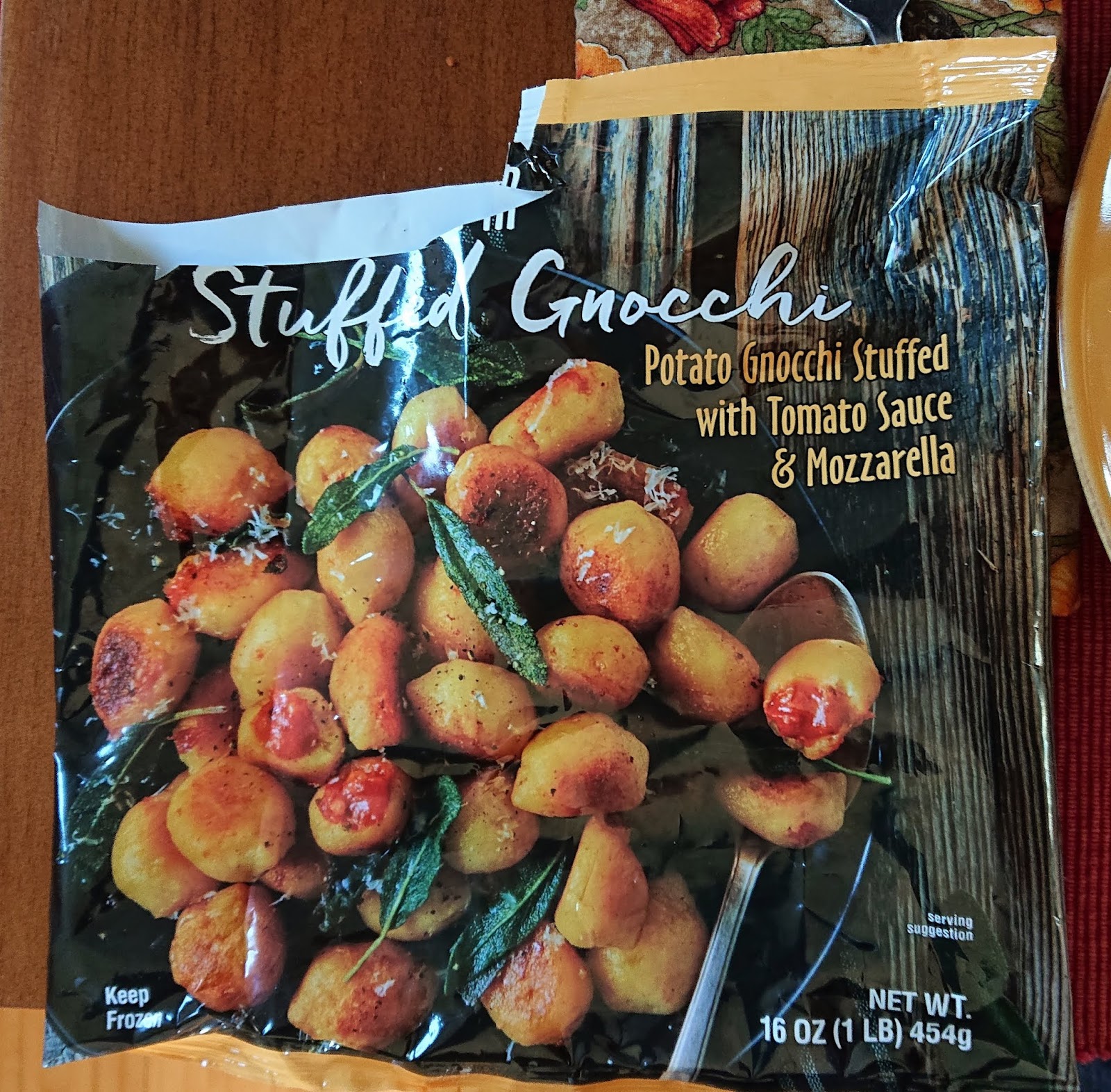
Trader Joe’s Inside Out Gnocchi is a unique frozen food offering that flips the traditional pasta-centric concept of potato gnocchi by encasing a ricotta and parmesan filling within a thin, potato-based exterior. Designed for those see...
Trader Joe’s Inside Out Gnocchi is a unique frozen food offering that flips the traditional pasta-centric concept of potato gnocchi by encasing a ricotta and parmesan filling within a thin, potato-based exterior. Designed for those seeking a sophisticated yet accessible meal, this product functions as a cross between a traditional gnocchi dumpling and a filled ravioli, offering a nuanced texture and flavor profile that distinguishes it from the retailer's standard cauliflower or potato gnocchi options.
Contents
Understanding the Inside Out Gnocchi Concept
The "Inside Out" moniker refers to a clever inversion of standard stuffed pasta preparation. In traditional Italian cuisine, a raviolo or gnudo might consist of a ricotta filling surrounded by pasta dough. Trader Joe’s Inside Out Gnocchi reverses this structural expectation. By placing the creamy cheese components inside the potato-based dough, the product creates a bite that provides a crisp exterior texture from the potato starch—when prepared correctly—while delivering a soft, molten cheese center.
This product is categorized within the freezer aisle as a convenience meal, yet it requires a degree of culinary awareness to ensure the exterior reaches an ideal, slightly browned texture while the interior warms through. It stands as a distinct entity compared to the "Cauliflower Gnocchi," which focuses on vegetable-forward nutrition and a dense, chewy mouthfeel. The Inside Out variety is arguably more indulgent, prioritizing a rich, savory flavor profile over low-calorie composition.
Ingredients and Nutritional Profile
Understanding what constitutes this product is essential for consumers with specific dietary requirements or those monitoring macronutrient intake. The primary components generally include:
- Potato Base: The structural integrity of the "shell" relies on potato flour or dehydrated potato, providing the classic gnocchi chew.
- Cheese Blend: The interior is composed of a mixture of ricotta and parmesan, which creates the creamy, salty, and slightly tangy flavor characteristic of this dish.
- Stabilizers and Seasonings: These include small amounts of wheat flour, salt, and sometimes vegetable oil or natural flavorings to maintain consistency during the freezing process.
From a nutritional standpoint, the product is calorie-dense due to the cheese content. It is important to note that it contains gluten via the flour components in the dough, making it unsuitable for individuals with celiac disease or severe gluten sensitivities. As of 2026, nutrition labels on these bags should be reviewed individually, as supply chain adjustments or manufacturing shifts can occasionally alter ingredient ratios.
Preparation Methods for Optimal Texture
The most common point of frustration for users preparing frozen gnocchi is the resulting texture; if boiled too long, the dumplings become gummy and lose their structural integrity. For the Trader Joe’s Inside Out Gnocchi, pan-searing is the recommended approach to maximize quality.
The Pan-Sear Method (Recommended)
- Direct from Frozen: Do not thaw the product. Placing frozen dumplings into a hot skillet ensures the exterior crisps before the center liquefies too much.
- Heat Management: Use a non-stick skillet over medium-high heat with a small amount of butter or olive oil.
- Browning: Arrange the gnocchi in a single layer. Resist the urge to move them for the first 3–4 minutes. This allows the potato crust to caramelize.
- Covering: Adding a tablespoon of water and covering the pan for the final minute of cooking can help ensure the interior reaches an appropriate temperature without burning the outside.
The Boiled Method
While boiling is possible, it is generally discouraged for this specific product. The structure is delicate; plunging the dumplings into boiling water can cause the potato skin to disintegrate, resulting in the ricotta filling leaking into the water. If you must boil, ensure the water is at a gentle simmer rather than a rolling boil, and remove them the moment they float to the surface.
Comparative Overview: How It Measures Up
When assessing the utility of this item in a weekly meal plan, it is helpful to compare it against other common starch-based dinner solutions.
| Product Type | Primary Texture | Primary Flavor | Best Prep Method |
|---|---|---|---|
| Inside Out Gnocchi | Crisp skin, creamy core | Rich, Savory (Cheese) | Pan-Sear |
| Cauliflower Gnocchi | Dense, chewy | Neutral, Vegetable | Air Fry or Sear |
| Traditional Potato Gnocchi | Soft, pillowy | Mild, Starchy | Boil |
| Stuffed Ravioli | Tender pasta casing | Herb/Cheese-forward | Boil |
As evidenced in the table above, the Inside Out variety occupies a middle ground that provides more flavor complexity than plain potato gnocchi but lacks the vegetable-forward profile of the cauliflower alternative.
Practical Usage and Serving Suggestions
To elevate the Trader Joe’s Inside Out Gnocchi into a complete meal, consider the following pairings:
- Sauce Pairings: Due to the richness of the ricotta interior, avoid heavy, cream-based alfredo sauces. Instead, opt for a light brown butter and sage sauce, a bright lemon-zest vinaigrette, or a simple, thin tomato-basil coulis.
- Protein Additions: Because the dish is starch-and-dairy heavy, adding a lean protein balances the meal. Sautéed shrimp or grilled chicken strips integrate well without overwhelming the delicate flavor of the cheese center.
- Vegetable Incorporation: To add freshness, toss the gnocchi with blanched asparagus, peas, or sautéed spinach. These additions introduce necessary fiber and a crisp contrast to the soft filling.
Troubleshooting Common Issues
The Gnocchi is mushy: This is almost always caused by adding too much liquid or failing to heat the pan sufficiently. Ensure your oil is shimmering before the product hits the pan, and never crowd the skillet. Overcrowding drops the pan temperature, causing the product to steam in its own moisture rather than crisping.
The Filling is cold: If the exterior is browned but the inside remains cold, you have moved too quickly. Lower the heat slightly and add a lid to the pan during the final stages of cooking. This traps ambient steam, which effectively conducts heat into the center of the dumpling without relying solely on direct pan contact.
Product availability: As with many Trader Joe’s specialty items, inventory can fluctuate based on regional distribution. If your local store is out of stock, do not substitute with standard gnocchi, as the cooking times and structural properties are entirely different.
Frequently Asked Questions
Does Trader Joe’s Inside Out Gnocchi contain gluten? Yes, the product contains wheat flour in the potato-based exterior. It is not suitable for those following a gluten-free diet. Always check the current packaging as ingredients are subject to change.
Can I cook this in an air fryer? Yes, air frying is an excellent way to achieve a crisp texture. Set your air fryer to 375°F (190°C) and cook for approximately 8–10 minutes, shaking the basket halfway through to ensure even browning.
Is this product vegetarian? Most versions of this product are vegetarian, but always verify the rennet source listed on the label if you follow a strict lacto-vegetarian or ovo-lacto diet, as some parmesan-style cheeses use animal-derived rennet.
Why does my gnocchi leak when I boil it? The "inside out" structure is delicate. When placed in water, the potato exterior absorbs moisture and expands, which can cause the casing to burst if the temperature is too high. This is why pan-searing is strongly preferred over boiling.
Are there any vegan versions of this product? As of 2026, the standard Inside Out Gnocchi contains dairy (ricotta and parmesan). There is currently no widely distributed vegan version of this specific stuffed product at Trader Joe’s.
What is the best way to store leftovers? While best eaten immediately, leftovers can be stored in an airtight container for up to two days. Reheat them in a skillet rather than a microwave to avoid turning the crispy exterior into a soggy, rubbery consistency.
Final Recommendation for Culinary Success
To get the most out of Trader Joe’s Inside Out Gnocchi, treat it as a premium ingredient that requires careful heat management. By prioritizing the pan-sear method and pairing the dish with acid-forward components like fresh herbs, lemon, or light vegetables, you can create a restaurant-quality meal in under 15 minutes. Avoid the temptation to treat this like standard pantry-staple pasta; its value lies in the contrast between the crisp potato shell and the creamy, savory center.
Image Gallery