Mastering Wavy Stacked Bob Haircuts: The 2026 Comprehensive Styling, Cutting, and Maintenance Guide
Wavy stacked bob haircuts combine a steeply angled, layered wedge at the nape with natural or styled waves through the crown, creating a volumizing silhouette that balances structural elevation and soft movement. This dynamic cut relie...
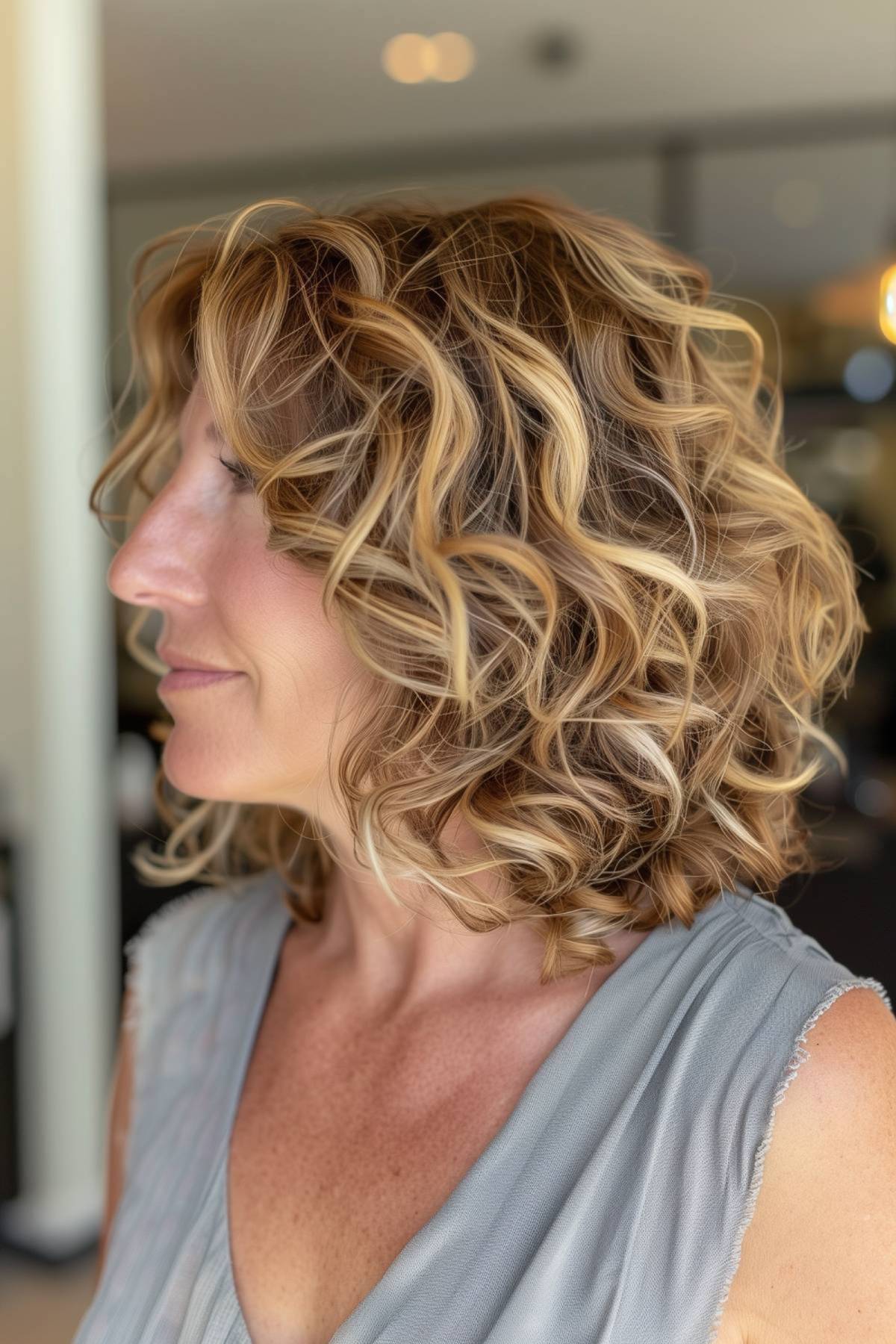
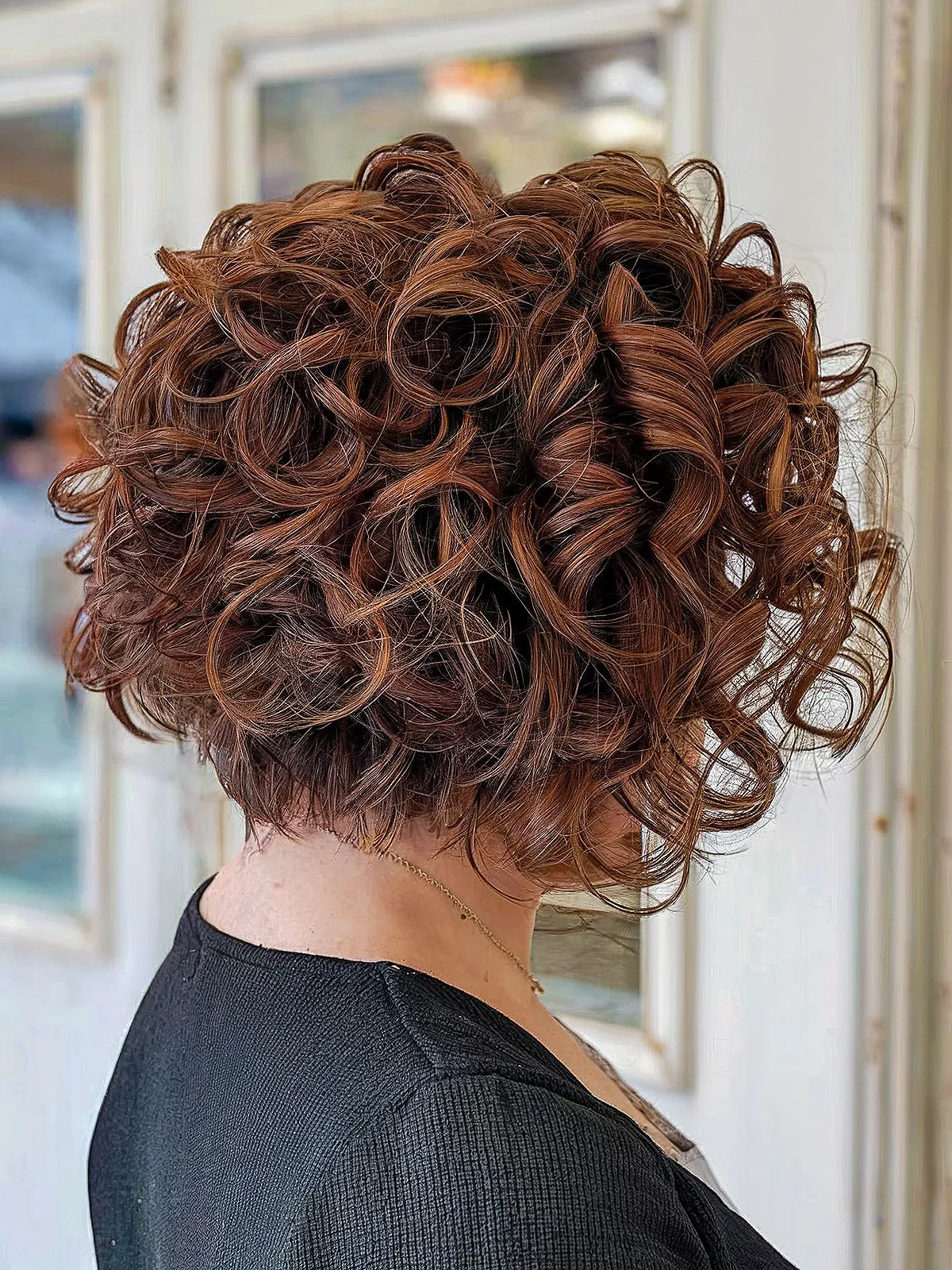
Wavy stacked bob haircuts combine a steeply angled, layered wedge at the nape with natural or styled waves through the crown, creating a volumizing silhouette that balances structural elevation and soft movement. This dynamic cut relies on precise graduation cutting techniques to eliminate bulk at the occipital bone while introducing internal texture to support natural wave patterns.
Contents
Anatomy of a Stacked Bob with Waves
Understanding the structural mechanics of a stacked bob is essential before introducing texture. The cut relies on graduation, a cutting technique where hair is elevated above 90 degrees to build weight and volume in the lower crown while tapering sharply toward the nape of the neck.
- The Graduation Line: This is the visible angle running from the shorter stacked layers at the back down toward the longer perimeter framing the face.
- The Weight Line: Situated directly over the occipital bone, this section holds the bulk of the volume, preventing the cut from looking flat or overly severe.
- The Crown Layers: Shorter layers cut into the top section to relieve weight, allowing natural waves to spring upward and outward rather than collapsing downward.
- The Perimeter: The baseline length resting around the jawline or chin, which can be blunt, point-cut, or razor-faded for a softer finish.
When waves are introduced into this precise architectural frame, the hard lines of a traditional inverted bob soften. The stacked back gives the style an automatic lift, while the wavy mid-lengths and ends introduce a relaxed, modern aesthetic that works across various hair textures from 2A to 2C wave types.
Technical Cutting and Texturizing Methods
Creating a professional wavy stacked bob requires specific shears, clipping patterns, and texturizing steps to ensure the finished look maintains its shape without appearing bulky or uneven.
| Cutting Technique | Primary Purpose | Ideal Hair Density |
|---|---|---|
| Precision Graduation (45° to 60°) | Builds the stacked volume in the occipital zone and nape. | Fine to Thick |
| Slide Cutting | Blends the short back section smoothly into the longer front angles. | Medium to Thick |
| Point Cutting | Softens perimeter lines and eliminates bluntness for natural wave flow. | All Densities |
| Internal Chunking | Reduces heavy weight pockets in dense hair to let waves form freely. | Thick to Coarse |
Stylists begin by sectioning the hair into a horseshoe parting at the crown, isolating the nape area. The nape is cut close to the skin with a steep incline, building upward to form the stack. Once the structural framework is established, the side sections are brought forward and cut to match the desired angle, usually hitting right at the jawline or slightly below. Texturizing shears or razor-cutting techniques are then applied internally to ensure the waves do not stack up into an unwanted pyramid shape.
Tailoring the Cut to Face Shapes
While the stacked bob is notoriously versatile, adapting the angles and length to complement specific facial structures ensures a flattering result.
Round and Oval Faces
For round faces, a longer stacked bob with an aggressive forward angle (where the front pieces graze the collarbones or lower jaw) helps elongate the face. Keeping the volume higher up on the crown rather than at the sides prevents the head from looking wide. Oval faces can pull off virtually any variation, though a chin-length stacked bob with tousled waves highlights balanced proportions exceptionally well.
Square and Heart-Shaped Faces
Square jawlines benefit from softness around the corners. Stylists should incorporate face-framing pieces that curve inward toward the chin to diffuse strong angles. For heart-shaped faces, keeping some fullness around the narrow chin area while avoiding excessive volume at the crown creates a harmonious visual balance.
Step-by-Step Styling Routine for Wavy Stacked Bobs
Achieving that effortless, piecey wave finish on a structured haircut requires the right combination of prep products, drying techniques, and finishing tools.
- Prep and Prime: Apply a lightweight volumizing mousse to damp roots at the crown to support the stacked area, followed by a curl-enhancing cream or sea salt spray through the mid-lengths and ends to encourage wave memory.
- Rough Blow-Dry: Use a blow dryer with a nozzle attachment on medium heat, lifting the hair at the roots with your fingers in the back to maximize the stacked volume. Dry hair to about 80 percent before styling.
- Define the Waves: Take 1-inch sections throughout the crown and sides. Wrap them around a 1-inch curling wand, leaving the ends straight for a modern, undone finish. Alternating the direction of the curl away from and toward the face creates natural separation.
- Break Up the Texture: Once the hair cools completely, run a small amount of styling paste or matte pomade through the stacked back to emphasize the layers, and gently shake out the waves with your fingers.
- Lock the Style: Mist with a flexible-hold hairspray that provides humidity resistance without making the hair stiff or crunchy.
Maintenance, Upkeep, and Salon Schedules
Because the nape is closely cropped and graduation lines rely on absolute geometric precision, wavy stacked bobs require regular maintenance to look their best.
- Nape Clean-Ups: The short hair at the neckline tends to grow out and lose its clean edge within 3 to 4 weeks. Many salons offer complimentary neck clean-ups between full cuts.
- Full Shape Resets: To maintain the steep angle and prevent the heavy weight line from dropping too low, schedule a structural trim every 6 to 8 weeks.
- Moisture Balance: Wavy hair is naturally drier than straight hair, and the shorter layers near the crown can become prone to frizz. Incorporate a weekly deep-conditioning mask and a lightweight smoothing serum to keep the ends polished.
Pros and Cons of Wavy Stacked Bobs
| Advantages (Pros) | Disadvantages (Cons) |
|---|---|
| Provides built-in volume and lift for fine or flat hair types. | Requires frequent salon visits (every 6–8 weeks) to maintain the shape. |
| Offers a striking silhouette that frames the face dynamically. | Can be difficult to pull back into a secure ponytail due to short nape layers. |
| Blends edgy geometric structure with soft, feminine movement. | Prone to triangle or pyramid hair if not properly texturized by the stylist. |
| Highly customizable for different hair densities and textures. | Daily styling is often required to keep the waves looking intentional rather than messy. |
Frequently Asked Questions
How do I stop my wavy stacked bob from looking like a triangle?
To prevent a triangle shape, your stylist must remove weight from the interior using point cutting, slithering, or thinning shears near the weight line. At home, using a lightweight styling cream instead of heavy oils will keep the lower sections from expanding outward.
Can fine hair pull off a wavy stacked bob?
Yes, fine hair is an ideal candidate for this cut because the graduation naturally builds the illusion of density and thickness at the back. Using a root-lifting spray during blow-drying will maximize this volumizing effect.
How often do I need to cut a stacked bob?
You should visit the salon every 6 to 8 weeks to maintain the precise angle of the stack and clean up the neckline. Waiting longer causes the weight line to drop, which compromises the signature lifted silhouette.
Can I air-dry a wavy stacked bob?
You can air-dry this cut if your natural hair texture falls into a well-defined wave pattern (2A to 2C). Apply a curl cream to damp hair, scrunch the mid-lengths, and allow it to dry undisturbed, though using a diffuser on low speed will give the stacked crown significantly more lift.
Will a stacked bob work with thick, coarse hair?
It can work exceptionally well, provided the stylist aggressively removes bulk and thins out the internal weight. Without proper texturization, thick wavy hair can become overly bulky and difficult to manage in a stacked configuration.
Professional Styling Recommendations
To keep your wavy stacked bob looking salon-fresh between appointments, invest in a quality texture spray and a boar bristle brush to polish the crown layers. Always consult with your stylist to determine the exact angle and length that best complements your natural wave pattern and daily styling routine.
Image Gallery