The 2026 Honda Civic Type R: Mastering 315 HP and 310 LB-FT of Precision
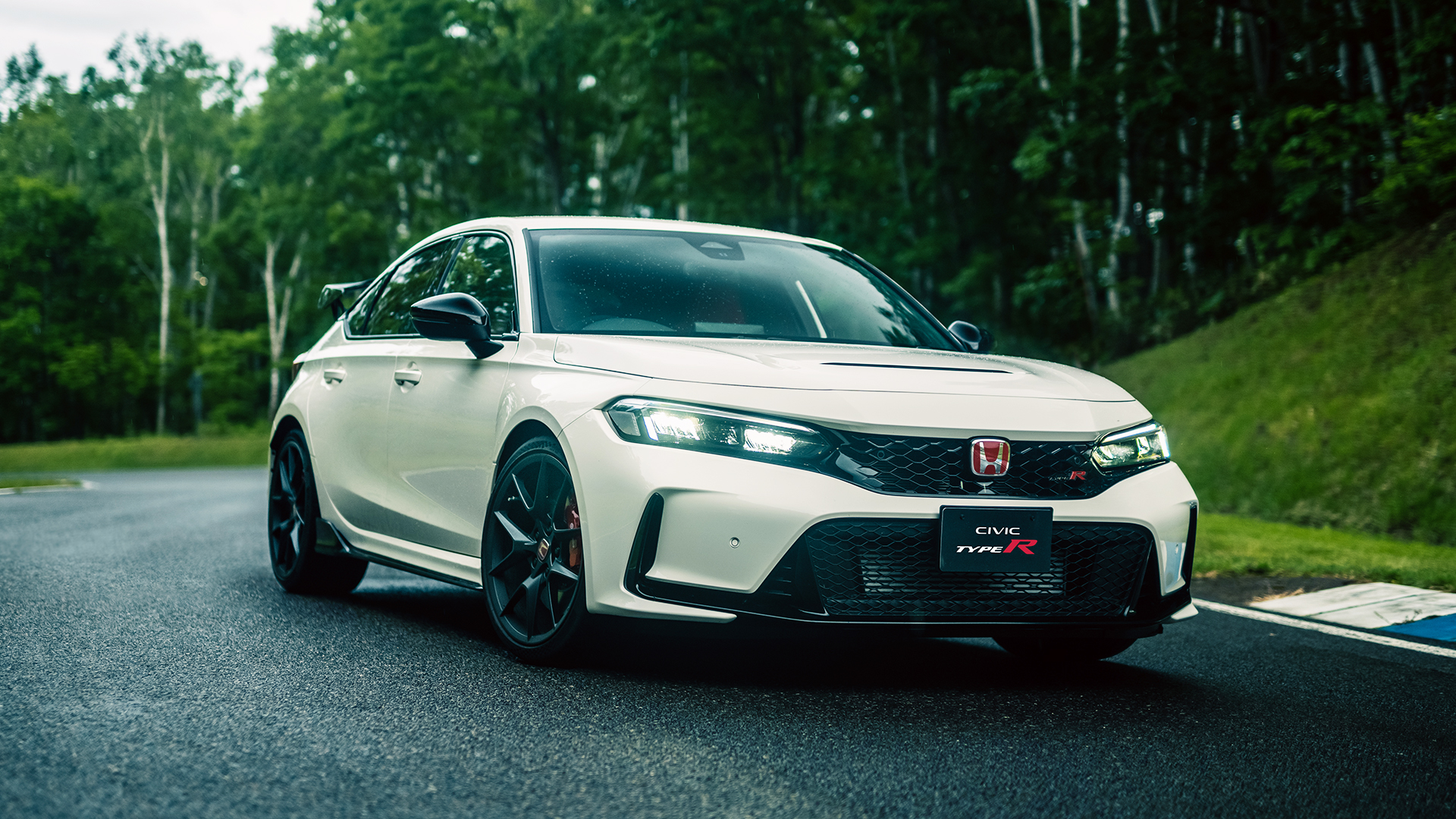
The 2026 Honda Civic Type R continues to define the high-performance hatchback segment, delivering a potent 315 horsepower and 310 lb-ft of torque from its precision-engineered 2.0-liter turbocharged engine. This output, paired with a...
The 2026 Honda Civic Type R continues to define the high-performance hatchback segment, delivering a potent 315 horsepower and 310 lb-ft of torque from its precision-engineered 2.0-liter turbocharged engine. This output, paired with a sophisticated front-wheel-drive chassis and a world-class manual transmission, ensures the Type R remains the benchmark for driver engagement and track-ready capability in the current automotive landscape.
Contents
The Heart of the Beast: The K20C1 Turbocharged Engine
At the core of the 2026 Honda Civic Type R is the latest evolution of the K20C1 engine. This 2.0-liter, inline four-cylinder power plant utilizes a mono-scroll turbocharger and Honda’s legendary VTEC (Variable Valve Timing and Lift Electronic Control) system to achieve its specific output of 157.5 horsepower per liter. While the raw figures of 315 hp at 6,500 rpm and 310 lb-ft of torque at 2,600–4,000 rpm are impressive, the engineering required to maintain this performance under rigorous track conditions is what sets the Type R apart.
The turbocharger features a compact housing and a revised turbine blade shape, which reduces inertia and allows the engine to build boost pressure more rapidly. This optimization directly addresses "turbo lag," providing a more linear power delivery that feels more like a larger displacement naturally aspirated engine. To manage the heat generated by sustained high-boost operation, the 2026 model employs a large-capacity intercooler and a high-efficiency radiator, supported by the signature functional hood vent that extracts hot air from the engine bay.
The 310 lb-ft of torque is available early in the rev range, providing the car with exceptional "punch" when exiting corners. This torque curve is meticulously managed by the engine control unit (ECU) to ensure that the power does not overwhelm the front tires, a common pitfall for high-torque front-wheel-drive vehicles. By smoothing out the torque delivery, Honda engineers have maximized traction without sacrificing the visceral acceleration enthusiasts crave.
Translating Torque to Tarmac: The 6-Speed Manual Transmission
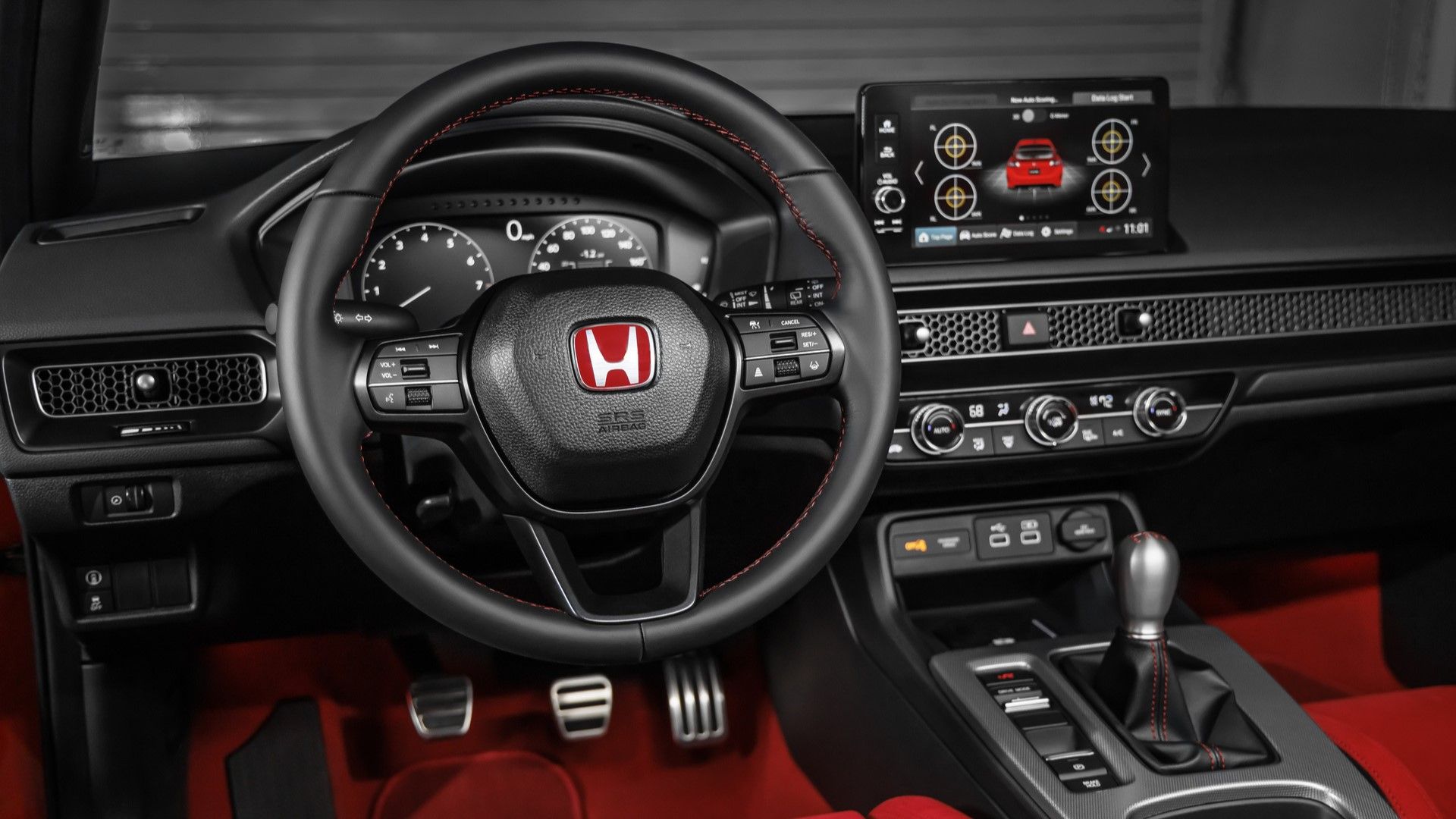
A defining characteristic of the 2026 Civic Type R is its commitment to the manual transmission. While many competitors have moved toward dual-clutch automatics, Honda continues to refine its six-speed manual gearbox, widely regarded as one of the best in the industry. The transmission features a lightened flywheel to improve engine response and a high-rigidity shift lever for precise, tactile gear changes.
To assist the driver in harnessing the 315 hp, the 2026 model includes an advanced rev-matching system. This technology automatically blips the throttle during downshifts, synchronizing engine and transmission speeds for perfectly smooth transitions. This is particularly beneficial on the track, where it allows the driver to focus entirely on braking points and cornering lines rather than complex heel-and-toe footwork.
The power is sent to the front wheels through a helical limited-slip differential (LSD). The LSD is critical for managing the 310 lb-ft of torque, as it prevents the inside wheel from spinning during hard acceleration out of a turn. By shifting torque to the wheel with the most grip, the system minimizes understeer and allows the driver to apply power earlier and more aggressively than in a standard front-drive car.
Suspension and Aerodynamics: The Science of Stability
Maintaining 315 hp on a front-wheel-drive platform requires more than just a good differential; it requires a complete rethink of front suspension geometry. The 2026 Civic Type R utilizes a Dual-Axis Strut front suspension system. This design separates the steering and suspension functions, significantly reducing torque steer—the tendency of a high-power front-drive car to pull to one side under hard acceleration.
The 2026 model also benefits from an adaptive damper system that adjusts in real-time based on sensor inputs for G-loads, steering angle, and wheel speed. Drivers can choose between various drive modes:
- Comfort: Softens the dampers for daily commuting and highway cruising.
- Sport: The default setting, providing a balance of body control and compliance.
- Individual: Allows the driver to customize engine response, steering weight, and suspension firmness.
- +R: The most aggressive setting, optimizing the engine mapping for maximum power and stiffening the dampers for flat cornering on a circuit.
Aerodynamics play an equally vital role in the 2026 Type R’s performance. The massive rear wing is not merely for aesthetics; it is designed to create significant downforce at high speeds, pinning the rear of the car to the road and providing stability during high-speed braking. The underbody is almost entirely flat to speed up airflow, further enhancing the "suction" effect that holds the car to the tarmac.
Technical Specifications at a Glance
The following table outlines the critical performance data for the 2026 Honda Civic Type R, highlighting the balance between its mechanical specifications and real-world performance.
| Specification | Detail |
|---|---|
| Engine Type | 2.0-Liter Turbocharged Inline-4 (K20C1) |
| Peak Horsepower | 315 hp @ 6,500 rpm |
| Peak Torque | 310 lb-ft @ 2,600–4,000 rpm |
| Transmission | 6-Speed Manual with Rev-Match |
| Drivetrain | Front-Wheel Drive with Helical LSD |
| Braking System | Brembo 4-Piston Aluminum Front Calipers |
| Standard Tires | Michelin Pilot Sport 4S (265/30 R19) |
| 0-60 MPH | Approximately 4.9 Seconds |
| Top Speed | 170 MPH (Track Limited) |
Interior Tech: Honda LogR 2.0
Inside the 2026 Civic Type R, the focus remains on the driver. The signature red bucket seats are designed to offer extreme lateral support during high-G cornering while remaining comfortable enough for long-distance drives. However, the most significant piece of technology for the performance-minded owner is the Honda LogR 2.0 data logger.
This integrated system requires no external hardware and provides a wealth of information through the 9-inch touchscreen or a dedicated smartphone app. It monitors internal mechanical temperatures, G-forces, and lap times. In 2026, the system has been updated to include a "Performance Monitor" that provides a scoring system for driver inputs, helping owners improve their technique by analyzing braking, steering, and acceleration smoothness. This level of data integration turns the vehicle into a coaching tool, bridging the gap between a standard road car and a dedicated race machine.
Maintenance and Ownership in 2026
Owning a vehicle that delivers 315 hp from a small-displacement engine requires a commitment to proper maintenance. For the 2026 model year, Honda continues to use its Maintenance Minder system, which calculates oil life based on driving conditions. For Type R owners who frequently visit the track, more frequent fluid changes are recommended.
One specific consideration for 2026 is the tire wear. The standard Michelin Pilot Sport 4S tires are engineered for maximum grip, but their soft compound means they will likely require replacement more often than those on a standard Civic. Additionally, the Brembo braking system uses high-friction pads that offer incredible stopping power but generate more brake dust and wear faster than standard components. Prospective buyers should account for these higher operating costs when considering the Type R as a daily driver.
Comparison: The 2026 Hot Hatch Landscape
While the Civic Type R remains a front-wheel-drive purist’s choice, it faces stiff competition in 2026 from both all-wheel-drive (AWD) and other FWD rivals.
- Volkswagen Golf R: Offers 315 hp and AWD. It is more clinical and "grown-up" but often lacks the raw steering feedback and shift quality of the Honda.
- Toyota GR Corolla: A three-cylinder AWD powerhouse. It is smaller and more "rally-bred," but the Civic Type R offers more interior space and a higher level of refinement for daily use.
- Hyundai Elantra N: The primary FWD competitor. While it delivers slightly less power, it is often praised for its value-to-performance ratio, though it lacks the legendary "Type R" heritage and resale value.
Frequently Asked Questions
Does the 2026 Honda Civic Type R come in an automatic?
No. To preserve the purity of the driving experience and the mechanical connection between the driver and the car, the 2026 Civic Type R is exclusively available with a six-speed manual transmission. This remains a core part of the Type R's identity.
How does the 310 lb-ft of torque affect front-wheel-drive handling?
Typically, high torque in a front-wheel-drive car causes torque steer and significant understeer. However, Honda mitigates this in the 2026 Type R using a Dual-Axis Strut front suspension and a helical limited-slip differential, which work together to maintain steering precision and maximize traction during cornering.
Is the 2026 Civic Type R suitable for daily driving?
Yes. Despite its 315 hp and track focus, the Type R is based on the standard Civic hatchback. This means it offers a spacious second row, a large cargo area, and modern creature comforts like Apple CarPlay, Android Auto, and a premium Bose audio system. The "Comfort" drive mode significantly softens the ride for daily use.
What is the recommended fuel for the 2026 model?
To achieve the advertised 315 hp and 310 lb-ft of torque, premium unleaded fuel (91 octane or higher) is required. While the car can run on lower octane fuel in an emergency, the ECU will retard ignition timing to prevent engine knock, resulting in a noticeable decrease in power and efficiency.
What are the main differences between the 2026 and previous FL5 models?
By 2026, the Civic Type R has received minor refinements to the Honda LogR software, updated interior trim materials, and optimizations to the cooling system based on feedback from early FL5 owners. The core mechanical specifications of 315 hp and 310 lb-ft remain consistent, as they represent the peak of this engine's reliable output.
Practical Recommendation
If you are looking for a vehicle that can serve as a refined daily commuter during the week and a dominant force at a local track day on the weekend, the 2026 Honda Civic Type R remains the premier choice. Its 315 hp and 310 lb-ft of torque are delivered with a level of surgical precision that few other manufacturers can match. For potential buyers, it is recommended to prioritize a test drive that includes varied road surfaces to appreciate the versatility of the adaptive dampers. Furthermore, ensure you have access to a reputable service center familiar with high-performance Honda engines to maintain the vehicle’s longevity.
Image Gallery