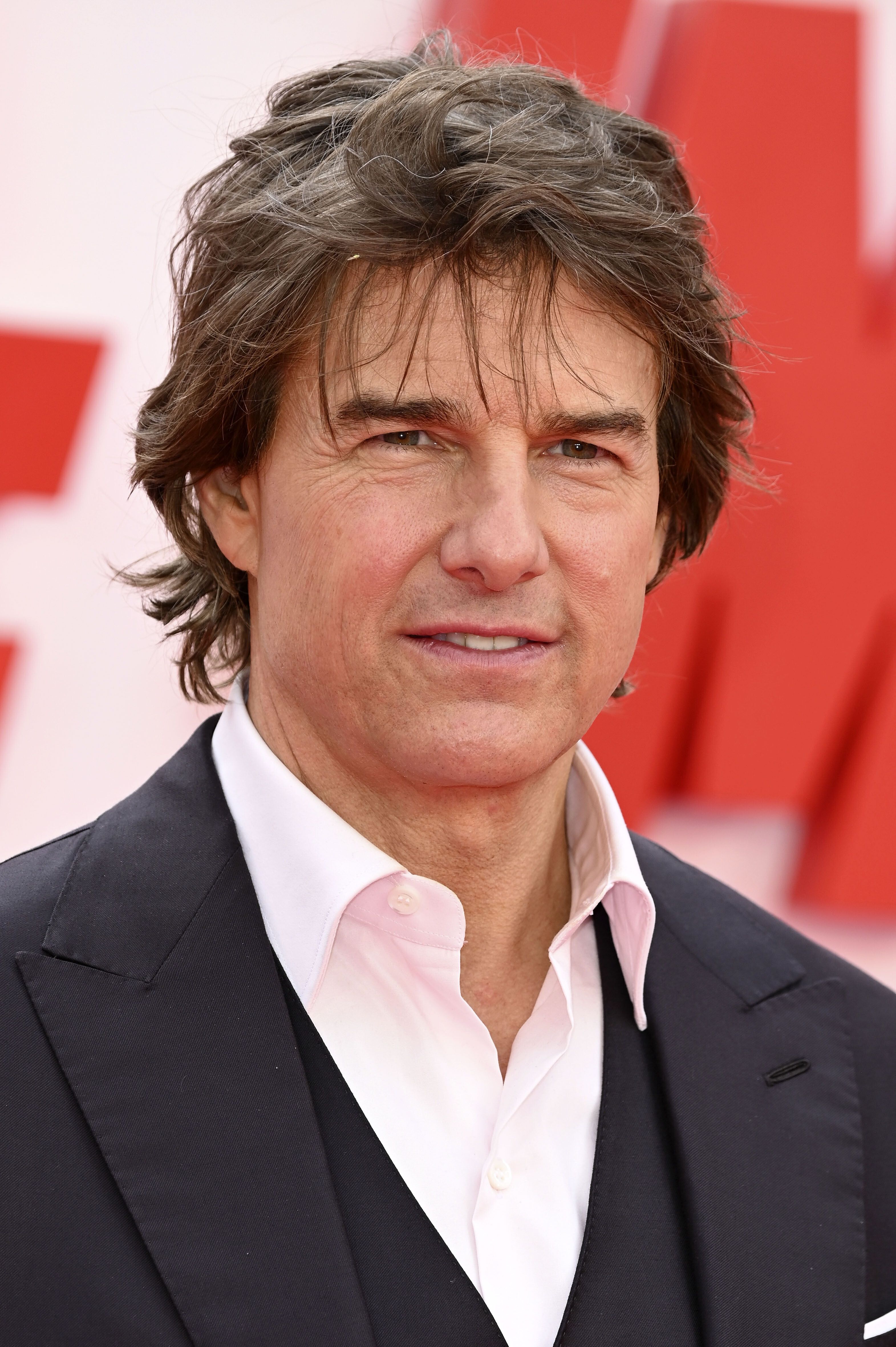
How Much Tom Cruise Made From the Mission: Impossible Franchise
Tom Cruise has earned an estimated $300 million to $500 million from the Mission: Impossible franchise throughout his career. His unique "first-dollar gross" participation deals allow him to collect a percentage of the box office reven...
Tom Cruise has earned an estimated $300 million to $500 million from the Mission: Impossible franchise throughout his career. His unique "first-dollar gross" participation deals allow him to collect a percentage of the box office revenue before the studio recovers its costs, making him one of the highest-paid actors in history.
Contents
The Business Architecture of a Tom Cruise Deal
To understand how much Tom Cruise made from the "Mission," one must look beyond the standard Hollywood salary. Cruise does not merely act in these films; he serves as a primary producer through his production company. This dual role allows him to negotiate terms that are virtually non-existent for other A-list stars in the modern era.
The cornerstone of Cruise's financial success is the first-dollar gross arrangement. In a typical Hollywood contract, an actor might receive "net points," which are a percentage of the profits remaining after the studio has deducted production costs, marketing expenses, and distribution fees. Due to "Hollywood accounting," many films technically never show a "profit" on paper, rendering net points worthless.
Cruise, however, negotiates for a percentage of the gross box office receipts starting from the very first ticket sold. This means that regardless of whether the film eventually turns a profit for Paramount Pictures, Cruise is paid a significant portion of every dollar that enters the theater. Typically, his share is estimated to be between 10% and 20% of the gross rentals (the portion of the box office that returns to the studio).
The Evolution of the Producer-Actor Role
When the first Mission: Impossible was released in 1996, Cruise was already a global superstar. However, by taking on the role of producer alongside Paula Wagner, he shifted the financial risk and reward. By deferring a large portion of his traditional upfront salary in exchange for ownership and gross participation, he effectively bet on himself. This strategy paid off spectacularly, as the franchise became a multi-billion dollar juggernaut.
Movie-by-Movie Earnings Breakdown
The earnings for each installment vary based on the specific contract negotiated at the time and the film’s eventual box office performance. While exact figures are often guarded by non-disclosure agreements, industry analysts and trade publications like Variety and The Hollywood Reporter have provided consistent estimates over the decades.
Mission: Impossible (1996) and Mission: Impossible 2 (2000)
For the first film, Cruise reportedly earned roughly $70 million. This was a staggering figure in the mid-90s, achieved because he waived his standard salary for a massive piece of the backend. When Mission: Impossible 2 became the highest-grossing film of 2000, his earnings climbed even higher, estimated at $75 million. At this point, Cruise was essentially the highest-paid person in the entertainment industry on a per-project basis.
Mission: Impossible III (2006)
The third installment had a more turbulent production and a slightly softer box office performance. Despite this, Cruise’s deal remained robust. He reportedly took home another $75 million, even though the film was seen as a relative underperformer compared to its predecessor. This specific deal led to a public falling out with Sumner Redstone, the then-chairman of Viacom (Paramount’s parent company), who briefly cut ties with Cruise, citing his off-screen behavior and the high cost of his participation deals.
Mission: Impossible – Ghost Protocol (2011) to Fallout (2018)
After a brief hiatus and a renegotiation of his relationship with Paramount, Cruise returned for Ghost Protocol. For this film, his upfront salary was lower (estimated around $12 million), but his backend remained lucrative, totaling roughly $70 million once global box office targets were met.
For Rogue Nation and Fallout, Cruise's upfront salaries increased to the $25 million to $28 million range. When factoring in his producer fees and his percentage of the nearly $800 million global gross of Fallout, his total compensation for each of these films likely exceeded $50 million.
Dead Reckoning Part One (2023) and Part Two (2025)
In the lead-up to the most recent installments, Cruise’s strategy shifted slightly. For Dead Reckoning Part One, it was reported that he took a lower upfront salary—approximately $12 million to $14 million—in exchange for a larger percentage of the "first-dollar gross." This move was designed to keep production budgets manageable during the COVID-19 pandemic while ensuring he would reap the rewards if the film succeeded. With the eighth film (released in 2025) completing the Dead Reckoning narrative arc, Cruise is positioned to earn a significant final payout as the franchise reaches its current era's conclusion in 2026.
| Movie Title | Release Year | Estimated Upfront Salary | Estimated Total Earnings (incl. Backend) |
|---|---|---|---|
| Mission: Impossible | 1996 | $12,000,000 | $70,000,000 |
| Mission: Impossible 2 | 2000 | $20,000,000 | $75,000,000 |
| Mission: Impossible III | 2006 | $20,000,000 | $75,000,000 |
| M:I – Ghost Protocol | 2011 | $12,000,000 | $70,000,000 |
| M:I – Rogue Nation | 2015 | $25,000,000 | $50,000,000+ |
| M:I – Fallout | 2018 | $28,000,000 | $60,000,000+ |
| M:I – Dead Reckoning | 2023 | $14,000,000 | $40,000,000 - $60,000,000 |
| M:I – Final Reckoning | 2025 | $15,000,000 | Pending Final Tallies |
The "Cruise Premium" and Production Control
One of the reasons Cruise makes significantly more than his peers is his hands-on involvement in every aspect of production. He is known for performing his own stunts, which reduces the need for expensive CGI and stunt doubles, but more importantly, it creates a unique marketing "hook" that drives global box office sales.
As a producer, Cruise also has a say in the distribution and exhibition windows. In an era where many stars moved to streaming services like Netflix or Apple TV+ for massive one-time payouts (often between $30 million and $50 million), Cruise has remained a staunch advocate for the theatrical experience. His deal for Top Gun: Maverick and the recent Mission films specifically protected the theatrical window, ensuring his gross participation wasn't diluted by a premature streaming release.
Impact of Streaming and Home Media
While box office is the primary driver, Cruise also earns from "ancillary" markets. This includes licensing deals for television, physical media sales (4K Ultra HD and Blu-ray), and digital rentals. Even decades later, the original Mission: Impossible films continue to generate revenue through streaming licensing agreements on platforms like Paramount+. Cruise’s production deal ensures he receives a "trailing" percentage of these ongoing revenues.
Comparing Cruise’s Earnings to Other Top Stars
To put Cruise’s $300 million+ Mission haul in perspective, we can compare it to other landmark deals:
- Robert Downey Jr. (Marvel Cinematic Universe): Downey Jr. negotiated a similar backend deal for the later Avengers films, reportedly earning roughly $75 million for Endgame. However, he did not have the same level of producer control across the entire 20-year span that Cruise has maintained.
- Keanu Reeves (The Matrix): Reeves earned an estimated $150 million from the Matrix sequels through a combination of salary and backend points.
- Will Smith: Smith famously received $100 million for Men in Black 3 due to a heavy backend deal, but these "mega-payouts" are usually one-off events rather than a consistent earnings model across eight films.
Cruise’s consistency is what sets him apart. He has managed to maintain a "first-dollar gross" status for thirty years, a feat that is virtually impossible for newer stars in the current studio-controlled ecosystem.
Frequently Asked Questions
Does Tom Cruise get paid more for doing his own stunts?
While there isn't a specific "stunt bonus" in his contract, performing his own stunts increases his total earnings indirectly. It acts as the primary marketing tool for the Mission films, leading to higher box office returns. Since Cruise earns a percentage of the gross revenue, the more successful the film is due to his stunts, the more money he makes.
How much of Tom Cruise's net worth comes from Mission: Impossible?
It is estimated that the Mission: Impossible franchise accounts for roughly 40% to 50% of Tom Cruise’s total career earnings. While he has had other massive hits like Top Gun: Maverick (which earned him over $100 million alone), the Mission series has provided a steady, massive income stream for three decades.
Why did Tom Cruise take a smaller salary for the recent Mission films?
Cruise often accepts a lower "upfront" salary (e.g., $12–15 million instead of $25 million) to keep the initial production budget lower. In exchange, he negotiates a higher percentage of the box office gross. This "bet" allows him to earn far more in the long run if the film is a hit, rather than taking a guaranteed but smaller flat fee.
Does Cruise own the rights to the Mission: Impossible movies?
Cruise does not own the underlying intellectual property (IP)—that is owned by Paramount Pictures and based on the original television series created by Bruce Geller. However, through Cruise/Wagner Productions, he owns a significant stake in the films themselves and has extensive control over the production process.
Has he made more from Top Gun than from Mission: Impossible?
On a per-movie basis, Top Gun: Maverick is likely Cruise's single biggest payday, with estimates exceeding $100 million. However, the cumulative total of the eight Mission: Impossible films far outweighs the earnings from the two Top Gun films.
Summary of Financial Impact
Tom Cruise’s earnings from the Mission: Impossible franchise represent a masterclass in Hollywood negotiation. By moving from a "work-for-hire" actor to a "first-dollar gross" producer, he ensured that he became a partner with the studio rather than an employee. As of 2026, his total haul from the series remains the benchmark for how a movie star can leverage their personal brand into a half-billion-dollar enterprise.
For those tracking the financial health of the film industry, Cruise's deals serve as the final remnant of the "Golden Age" of movie stars, where an individual's name was enough to guarantee a film's success and command a significant portion of its global earnings.
Image Gallery