Minecraft How to Get Leaves: Complete Guide for Gathering and Harvesting Foliage
Getting leaves in Minecraft requires using a tool enchanted with Silk Touch, such as shears or an axe, because breaking them bare-handed or with standard tools normally causes them to vanish without dropping item blocks. Whether you ar...
Getting leaves in Minecraft requires using a tool enchanted with Silk Touch, such as shears or an axe, because breaking them bare-handed or with standard tools normally causes them to vanish without dropping item blocks. Whether you are building custom trees, designing elaborate hedge mazes, or landscaping a mega-base, securing persistent foliage blocks is an essential survival and building skill.
Contents
Understanding Minecraft Foliage Mechanics and Tool Requirements
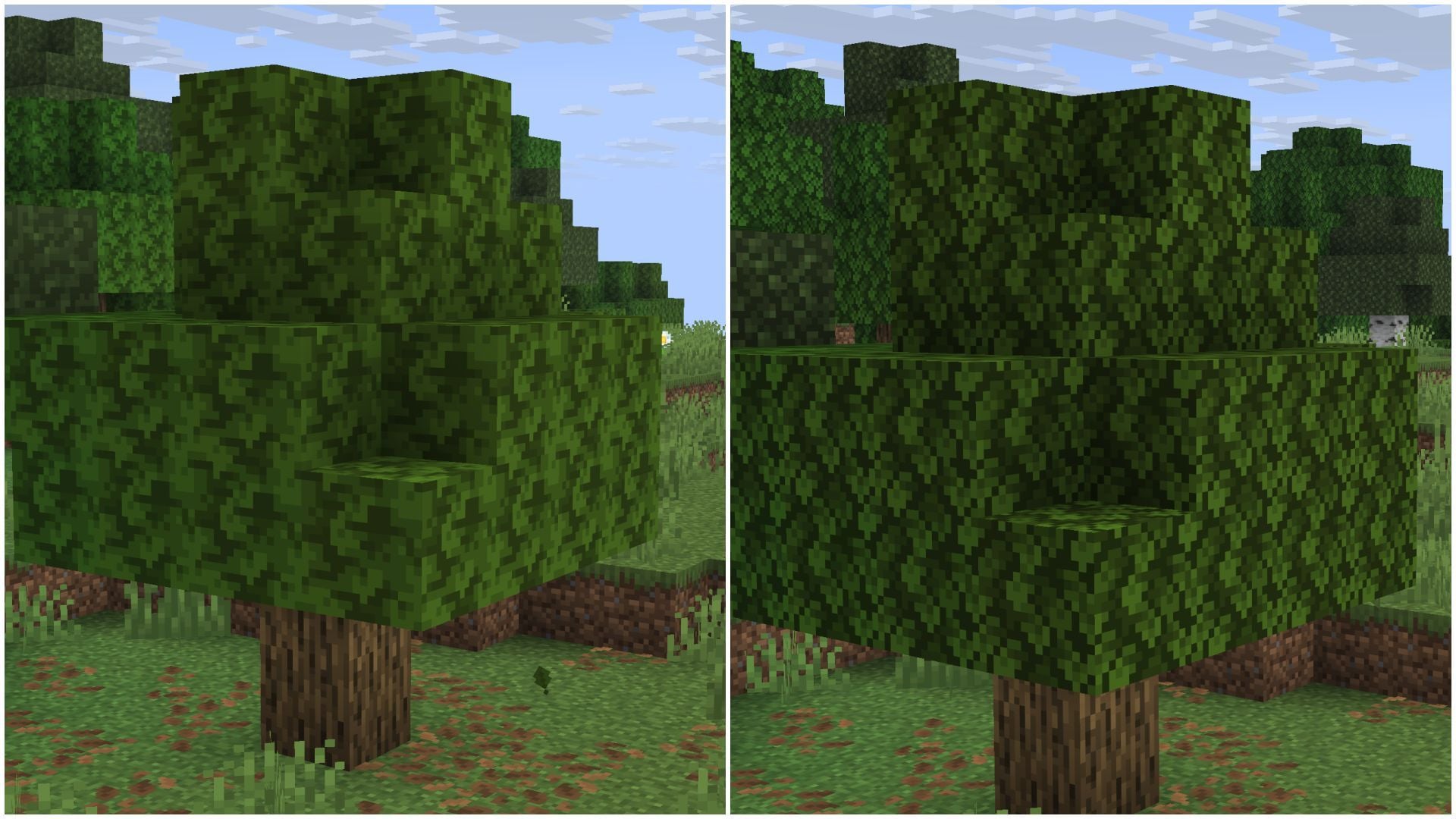
Foliage blocks behave differently than most standard terrain elements in Minecraft. By default, punching or mining a block of foliage without the proper equipment results in the block simply breaking and disappearing, yielding nothing. On rare occasions, unequipped breaks might drop a sapling or an apple, but the block itself is destroyed.
To successfully harvest and retain foliage blocks for placement elsewhere, players must rely on specific tools equipped with specialized enchantments. Understanding the exact mechanical interactions between tools and different flora varieties prevents resource waste and ensures an efficient harvesting workflow.
The Role of Shears in Foliage Collection
Shears represent the most straightforward, universally accessible method for collecting foliage across all game editions. Crafting a pair of shears requires only two iron ingots placed diagonally in a crafting grid.
- Durability Management: Every block of foliage broken with shears consumes one point of durability. A standard iron pair offers 238 uses, making it practical for moderate landscaping projects.
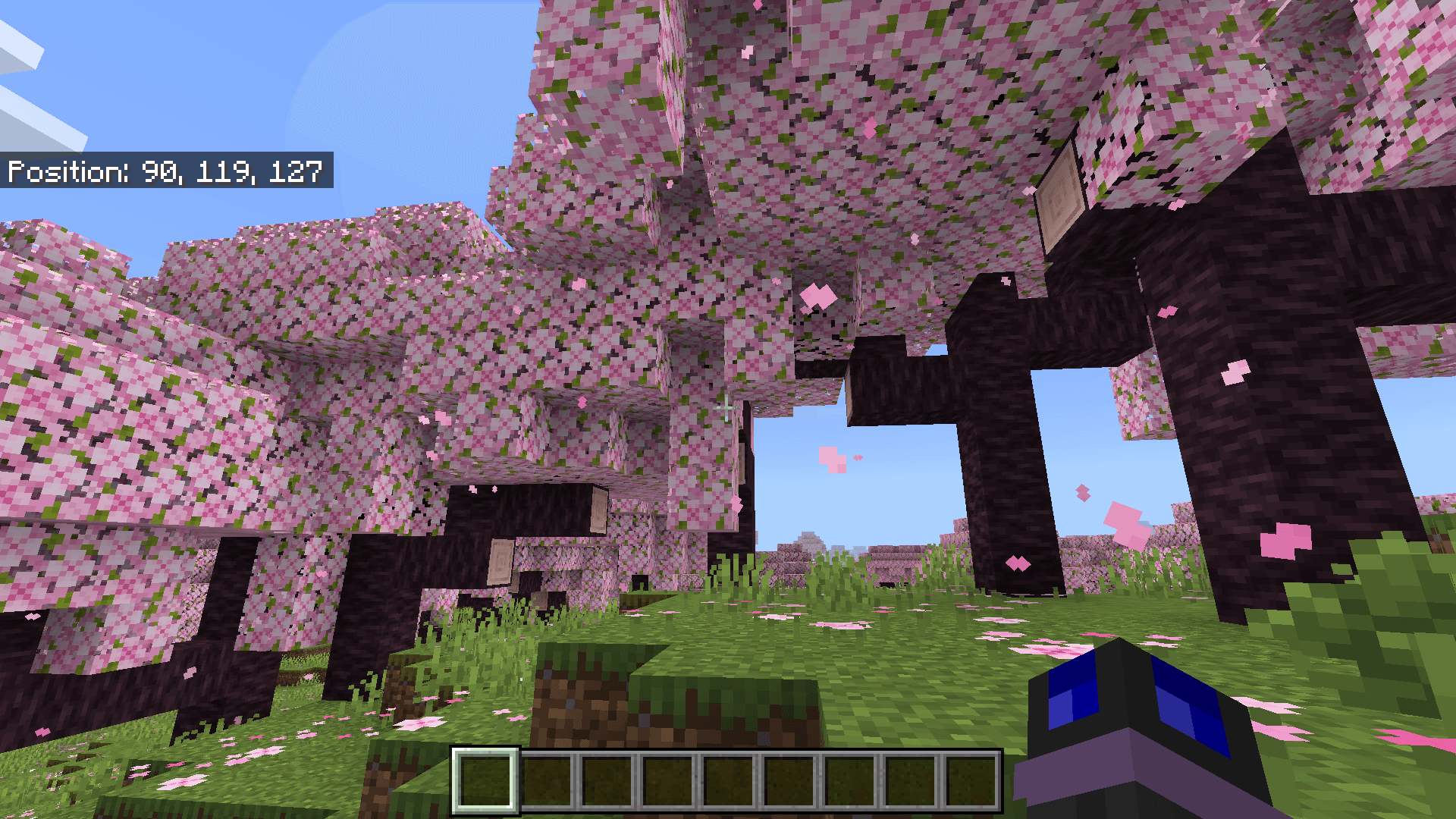
- Universal Compatibility: Shears work identically on all standard tree types, including Oak, Birch, Spruce, Jungle, Acacia, Dark Oak, Mangrove, and Cherry.
- Foliage Types: They also harvest Azalea leaves, Flowering Azalea leaves, and the unique Mangrove roots, though leaves remain the primary target.
Utilizing the Silk Touch Enchantment
An alternative method for harvesting foliage involves using any compatible tool—most commonly an axe or even a pickaxe—enchanted with Silk Touch.
- Enchantment Acquisition: Silk Touch can be obtained through an Enchanting Table at level 30, looted from chest structures, or traded with high-level Librarians.
- Tool Versatility: Applying Silk Touch to a diamond or netherite axe allows players to clear large areas of wood and leaves simultaneously without carrying separate tool sets.
- Stacking Mechanics: Silk-touched foliage stacks cleanly in inventories up to 64 items, exactly like standard blocks.
Step-by-Step Guide to Harvesting Foliage Efficiently
Gathering large quantities of foliage requires a systematic approach to prevent inventory clutter and tool breakage. Implementing an organized harvesting routine maximizes yield and saves valuable time in both Survival and Creative modes.
- Prepare Your Equipment: Craft at least two iron shears or secure an axe with the Silk Touch enchantment. If playing in Survival mode, bring extra iron ingots or an Anvil with Mending books to repair tools on site.
- Locate a Dense Forest Biome: Dark Oak forests, Jungle biomes, and Mangrove swamps offer the highest density of foliage per chunk, minimizing travel time between harvesting zones.
- Clear Surrounding Obstacles: Remove vines, tall grass, and low-hanging branches that might obstruct movement or accidental tool swings.
- Begin Systematic Harvesting: Start from the top of the canopy and work downward. Breaking supporting wood blocks first causes adjacent un-decayed foliage to vanish faster, but using shears directly on the blocks preserves every single piece.
- Manage Inventory Space: Foliage items take up significant inventory space quickly because they do not stack with saplings or wood logs of different variants. Establish temporary storage chests nearby.
Comparing Foliage Harvesting Methods
Different harvesting tools offer distinct advantages depending on player progression, resource availability, and specific project requirements. Reviewing these options helps determine the optimal approach for your current gameplay stage.
| Harvesting Method | Resource Cost | Durability / Efficiency | Special Benefits | Potential Drawbacks |
|---|---|---|---|---|
| Iron Shears | 2 Iron Ingots | 238 Uses / High Speed | Low entry cost, accessible early game | Breaks relatively quickly under heavy use |
| Silk Touch Axe | High (Enchantment setup) | Dependent on tool tier (up to 1,561 for Diamond) | Collects wood and leaves with a single tool | Requires advanced enchantment infrastructure |
| Unenchanted Axe | Varies by material | Standard tool durability | Fast destruction of wood blocks | Destroys foliage blocks completely without drops |
| Creative Mode / Commands | None (Cheat enabled) | Infinite | Instant access via inventory menu or /give |
Disables achievements in survival worlds |
Special Foliage Types and Unique Mechanics
Beyond standard deciduous and evergreen trees, modern updates introduce specialized botanical blocks that behave according to unique environmental rules. Knowing how these variations function prevents unexpected block decay and aids in advanced architectural design.
Azalea and Flowering Azalea Bushes
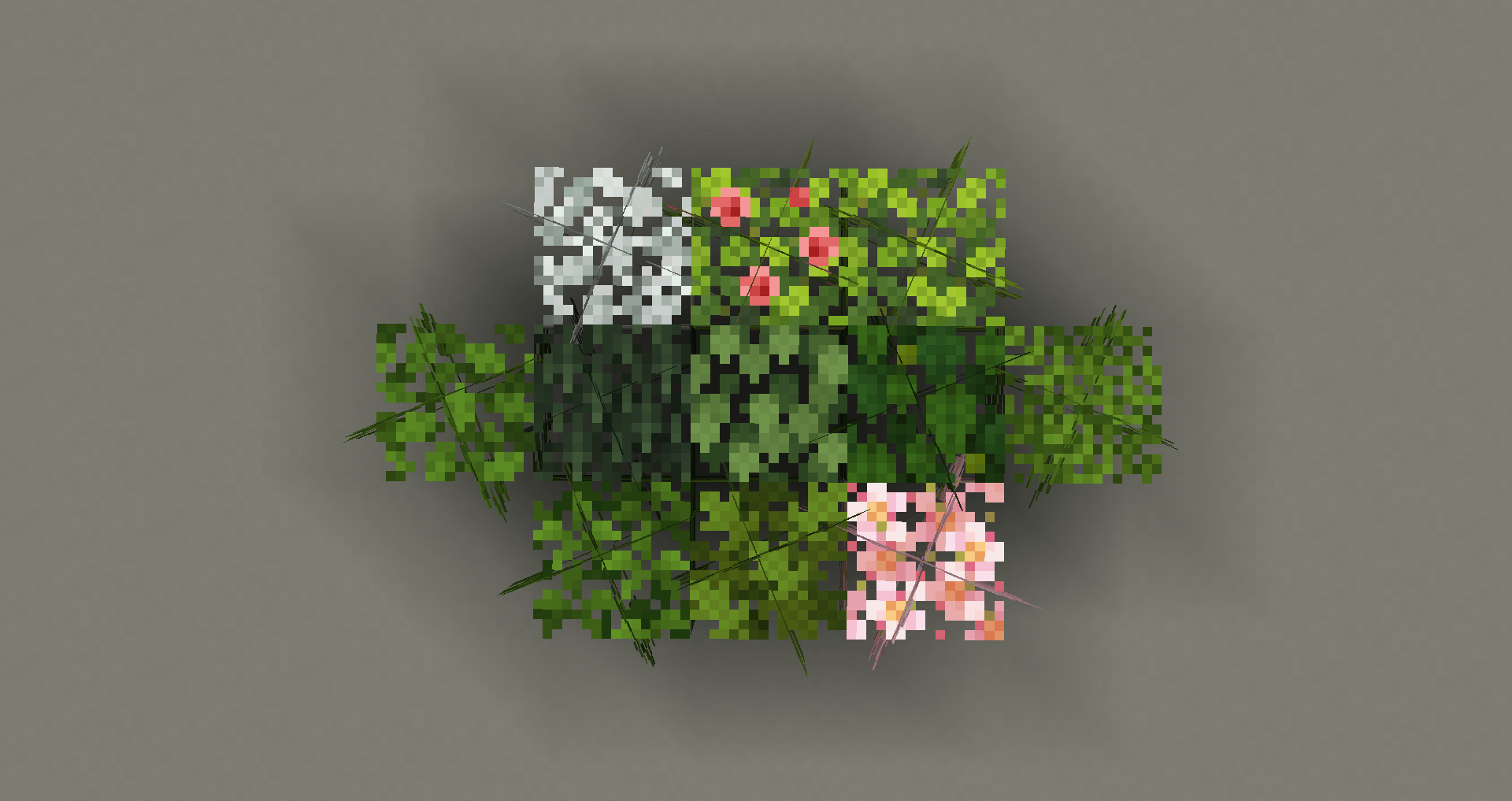
Azalea foliage blocks spawn naturally above Lush Caves biomes. They feature vibrant green textures dotted with colorful flower accents.
- Growth Conversion: Planting an oak sapling directly adjacent to moss blocks and applying bone meal can transform the oak tree into an Azalea tree, providing a renewable source of azalea foliage without exploring deep cave systems.
- Shear Requirements: Just like standard leaves, azalea variations require shears or Silk Touch to drop as collectible blocks; otherwise, breaking them yields nothing.
Mangrove Roots and Muddy Mangrove Integration
Mangrove swamps introduce complex root systems that mimic foliage properties in certain structural behaviors while acting as solid wood blocks in others.
- Waterlogging: Unlike standard tree leaves, Mangrove roots can be waterlogged, opening up creative underwater building opportunities for aquatic bases and custom riverbanks.
Troubleshooting Common Foliage Harvesting Issues
Players frequently encounter specific roadblocks when attempting to gather and place foliage blocks. Addressing these technical hurdles ensures smooth building operations.
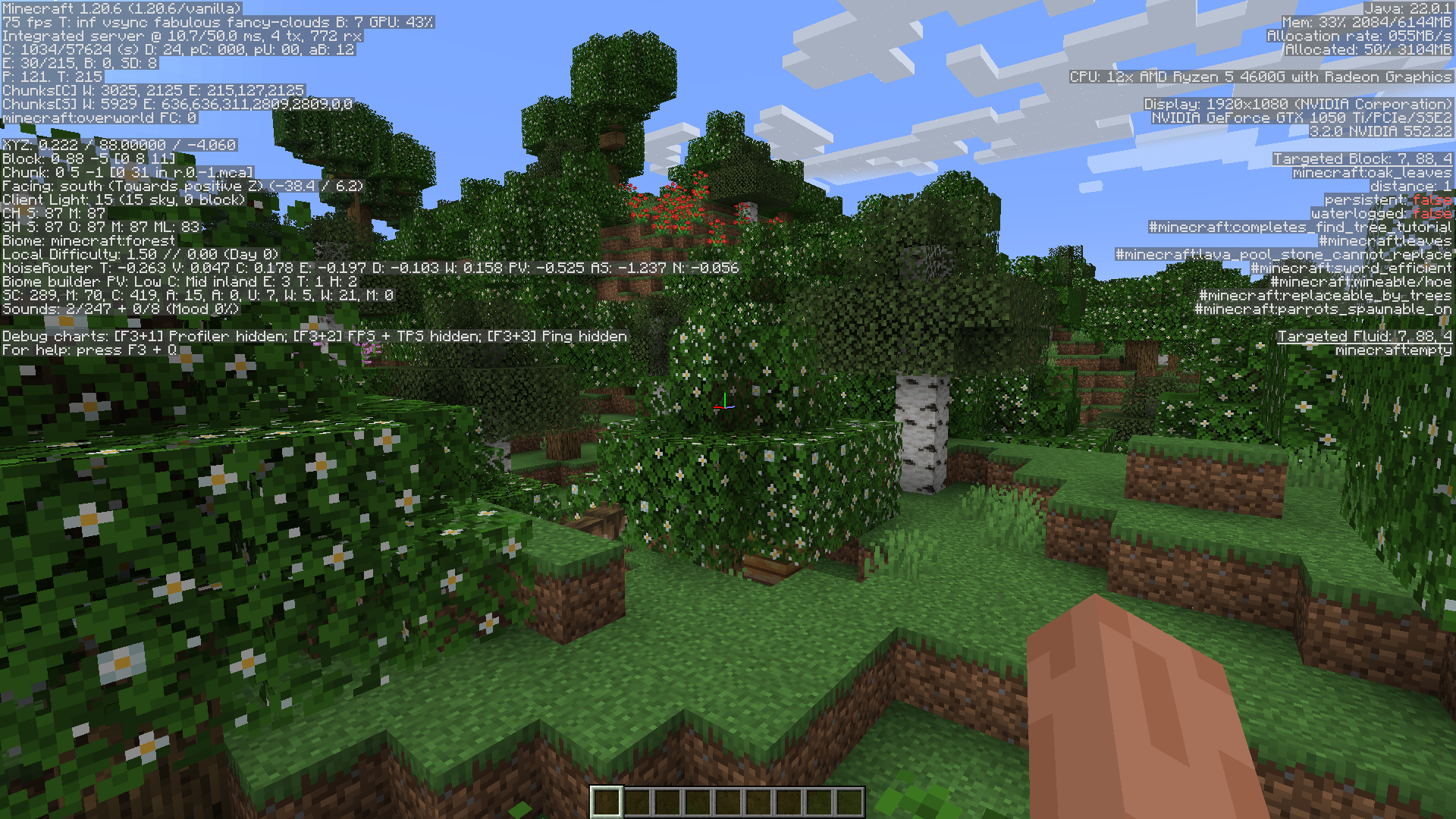
- Foliage Disappearing Instantly: This occurs when breaking leaves without shears or Silk Touch. Always verify your active hotbar item before mining.
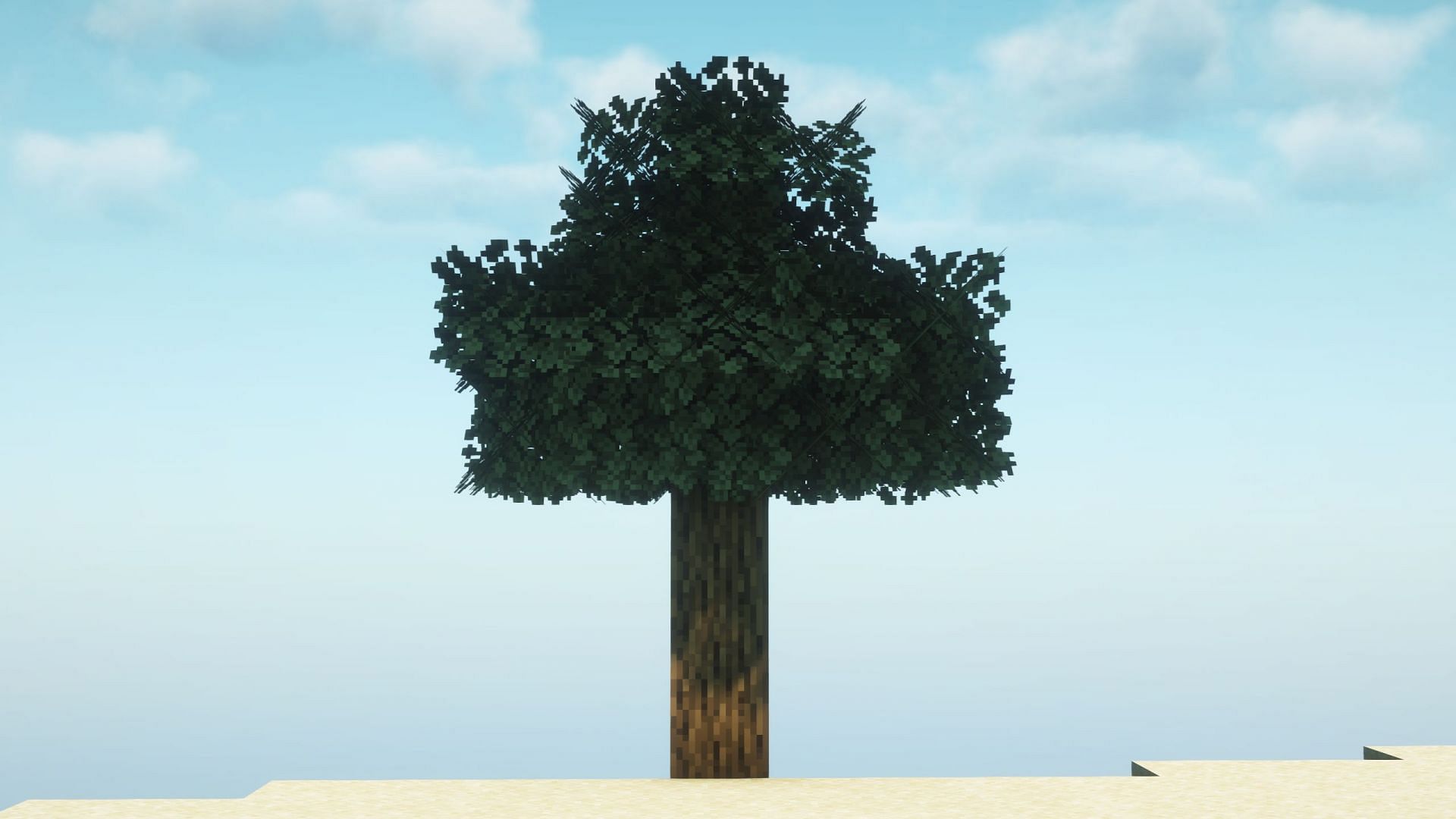
- Unwanted Decay: Leaves placed more than four blocks away from a connected wood log block will automatically decay and vanish over time. To prevent this, either build near natural logs or place invisible structural support beams within your custom foliage designs.
- Graphics Settings and Transparency: Standard Minecraft graphics settings sometimes render foliage with opaque backgrounds rather than transparent outlines. Toggle "Graphics: Fancy" in your video settings menu to fix visual rendering bugs on leaves.
Frequently Asked Questions
Can you get leaves in Minecraft without shears?
Yes, you can obtain leaves by mining them with any tool enchanted with Silk Touch. Breaking leaves without shears or Silk Touch results in the block being destroyed entirely without dropping an item.
Do leaves decay if placed manually by a player?
Manually placed leaves do not decay naturally, provided they are not connected to natural tree structures that have lost their supporting logs. Player-placed foliage is completely stable by default.
What is the fastest way to clear large amounts of leaves?
Using a diamond or netherite hoe enchanted with Efficiency V and Unbreaking III breaks leaves almost instantly, though you must still use shears or Silk Touch if you wish to collect the blocks.
Do leaves catch fire from nearby lava or lightning?
Yes, leaves are highly flammable blocks. They catch fire easily from lightning strikes, nearby lava sources, or flint and steel, and fire spreads rapidly through dense canopies.
Can you put leaves in a composter?
Yes, leaves have a 30% chance to increase the compost level by one in a composter, making them a viable byproduct for recycling during massive landscaping clear-outs.
Image Gallery