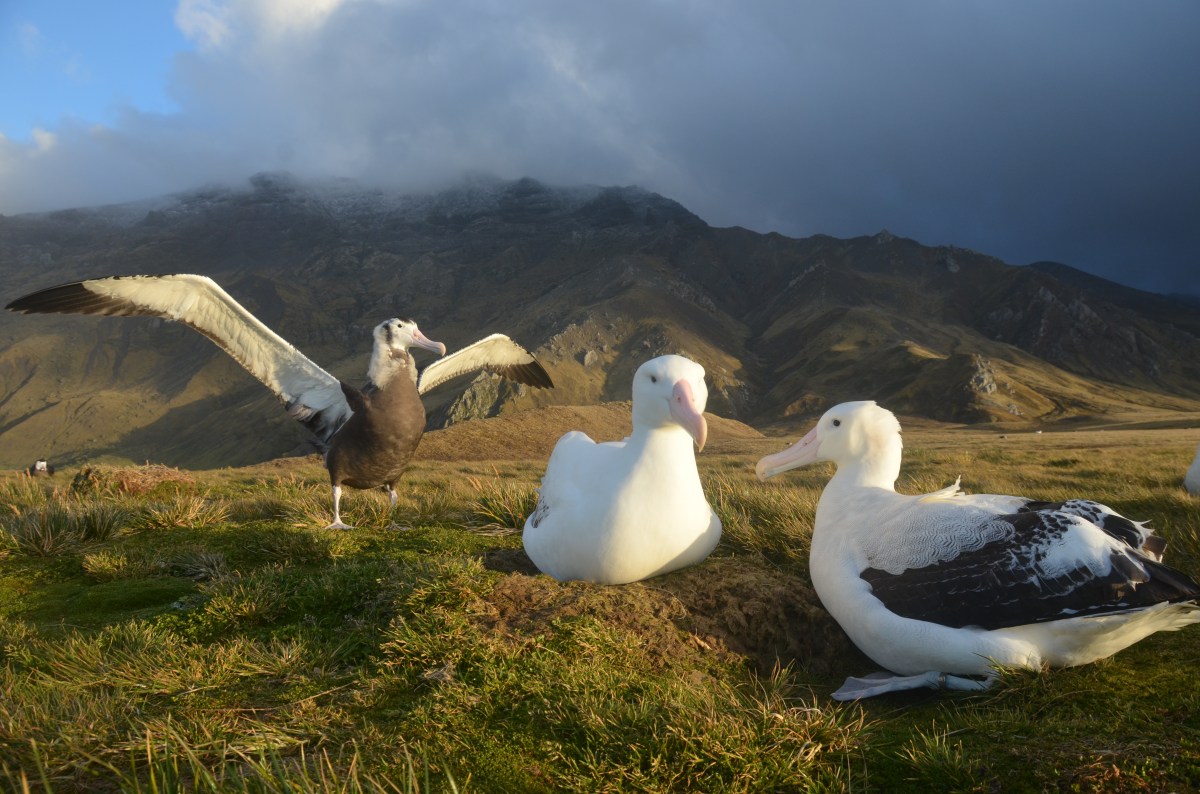
Unveiling the Wandering Albatross Height and Physical Dimensions
The wandering albatross (Diomedea exulans) is renowned not for its height in a traditional standing posture, but rather for its colossal wingspan, which can reach up to 3.5 meters (11.5 feet). While standing, an adult wandering albatro...
The wandering albatross (Diomedea exulans) is renowned not for its height in a traditional standing posture, but rather for its colossal wingspan, which can reach up to 3.5 meters (11.5 feet). While standing, an adult wandering albatross typically reaches a height of approximately 1.1 to 1.3 meters (3.6 to 4.3 feet), making it one of the largest flying birds in the world.
Contents
When researchers, bird enthusiasts, and marine conservationists discuss the physical dimensions of the wandering albatross, they often look past standard vertical height measurements. Because these magnificent pelagic seabirds spend the vast majority of their lives gliding over the Southern Ocean, their wingspan and body mass are far more indicative of their biological adaptations than their standing stature. However, understanding the exact height of the wandering albatross provides crucial context for how these creatures interact with their terrestrial breeding grounds and marine habitats.
Defining Bird Height and Stature in Pelagic Species
Measuring the height of a seabird presents unique challenges compared to measuring land mammals or raptors. For the wandering albatross, height is typically recorded as the vertical distance from the ground to the crown of the head while the bird is standing upright in a natural posture.
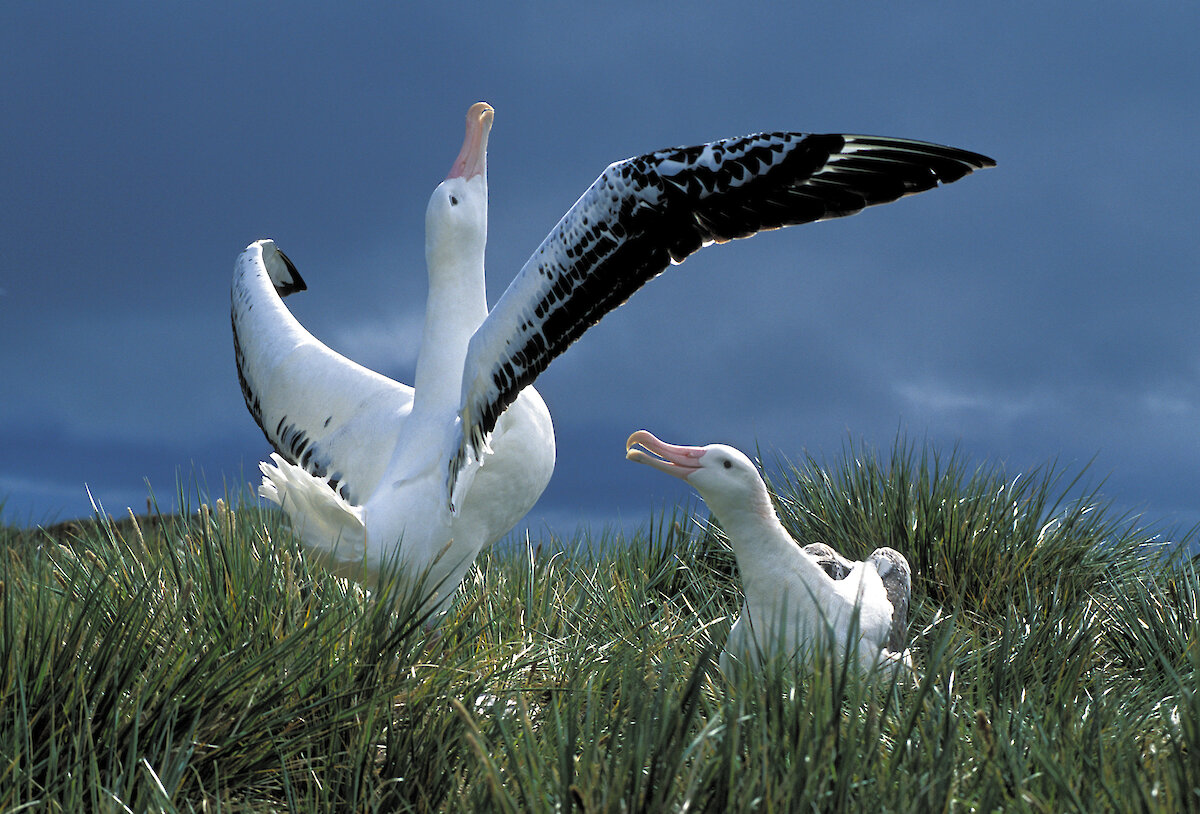
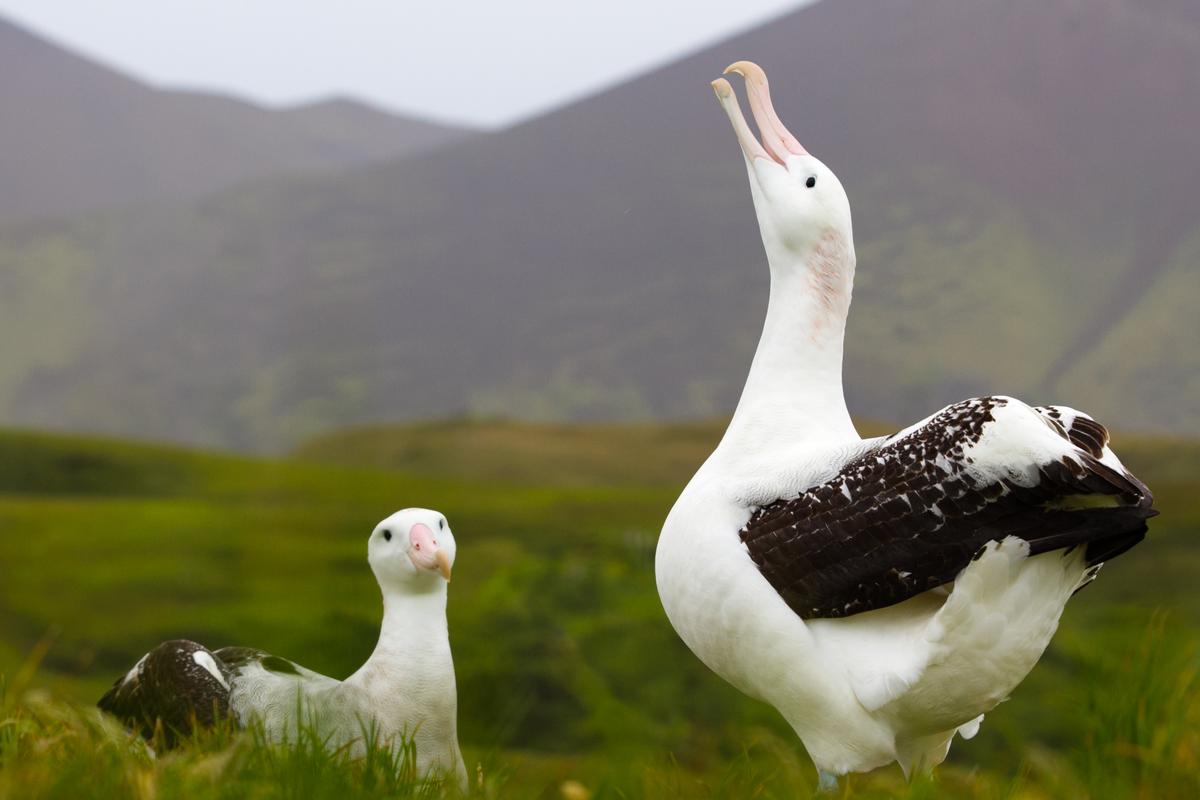
An adult wandering albatross stands roughly 1.1 to 1.3 meters (3.6 to 4.3 feet) tall. This impressive vertical reach is supported by long, robust legs and large, webbed feet designed for walking on rocky or tussock-covered sub-Antarctic islands during the breeding season. Despite their height, their bodies are relatively slender when compared to their massive wing surface area.
Sexual Dimorphism in Size and Stature
Within the species Diomedea exulans, physical dimensions vary significantly between males and females. Male wandering albatrosses are consistently larger, heavier, and slightly taller than females. While a large male may touch the upper limit of 1.3 meters in height, females generally average closer to the 1.1-meter mark. This size disparity extends to their weight and wingspan, giving researchers a reliable visual cue for identifying sexes during field observations on nesting colonies.
The Ultimate Metric: Wingspan Versus Height
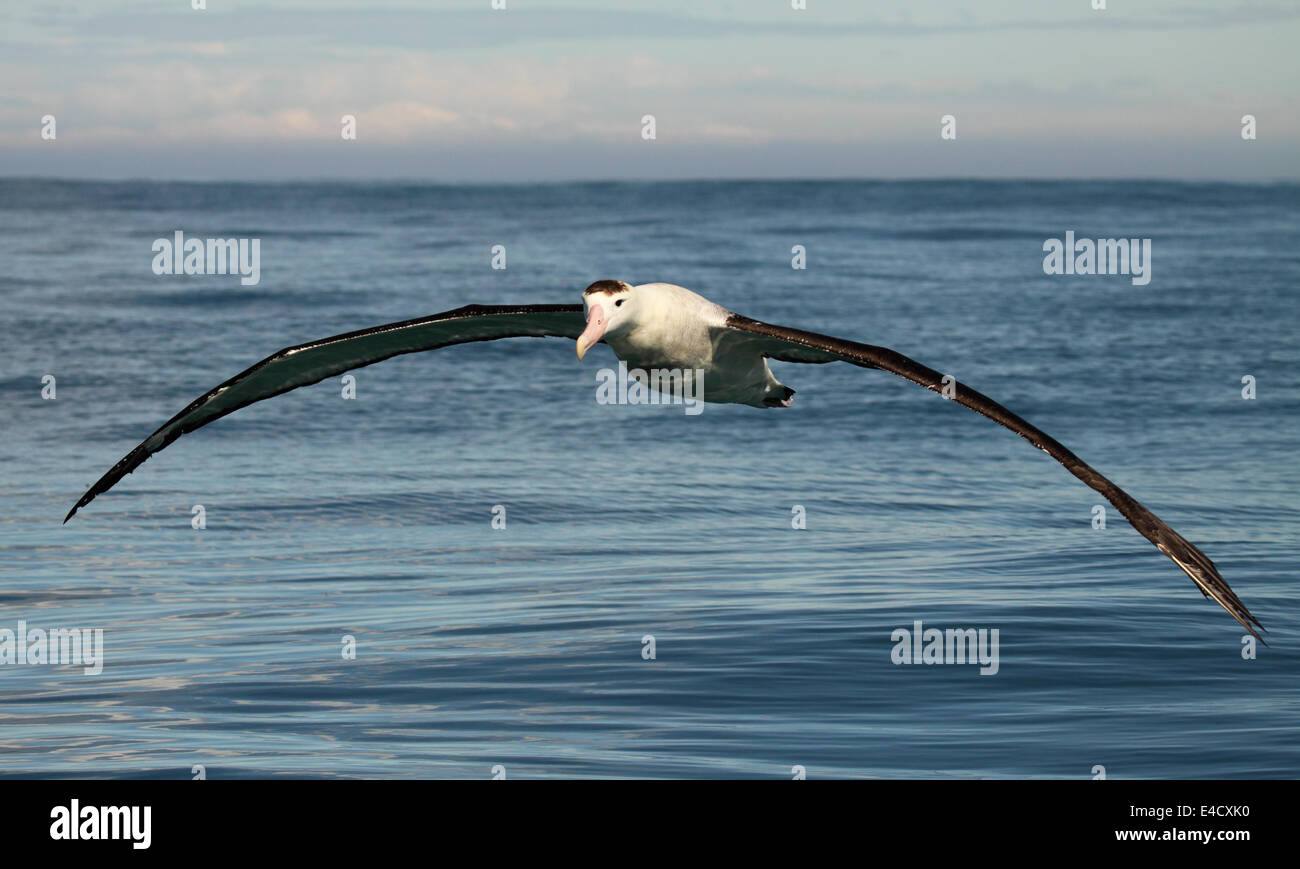
While wandering albatross height commands attention during terrestrial nesting, the defining physical characteristic of the species is its unprecedented wingspan. The wingspan-to-height ratio highlights why these birds are masters of dynamic soaring.
| Physical Trait | Measurement Range (Metric) | Measurement Range (Imperial) | Ecological Significance |
|---|---|---|---|
| Standing Height | 1.1 – 1.3 meters | 3.6 – 4.3 feet | Facilitates terrestrial movement and nest defense. |
| Wingspan | 2.5 – 3.5 meters | 8.2 – 11.5 feet | Enables continuous dynamic soaring without flapping. |
| Body Mass | 6.0 – 12.0 kilograms | 13.2 – 26.5 pounds | Varies by age, sex, and seasonal feeding cycles. |
| Bill Length | 150 – 185 millimeters | 5.9 – 7.3 inches | Specialized hook for seizing slippery marine prey. |
As detailed in data compiled by institutions such as the Agreement on the Conservation of Albatrosses and Petrels, these proportions allow the wandering albatross to lock its wings in place using a specialized tendon-locking mechanism. This physiological adaptation means the bird expends virtually no energy while utilizing wind gradients across ocean waves.
Anatomical Adaptations Supporting Their Scale
Achieving a height of over a meter combined with a 3.5-meter wingspan requires specialized skeletal and muscular systems. The bones of the wandering albatross are remarkably light yet exceptionally strong, honeycombed with air cavities connected to the respiratory system. This pneumatic skeleton reduces overall body density, allowing a bird that can weigh up to 12 kilograms to take to the air.
Furthermore, their long legs are positioned relatively far back on the body compared to terrestrial birds, which aids in hydrodynamics when taking off from the water's surface. However, this anatomical placement makes their terrestrial gait appear ungainly and waddling. When launching into flight from land, their height and weight require them to run down slopes or into strong headwinds to generate sufficient lift.
Ecological Impact of Size and Stature
The physical dimensions of the wandering albatross dictate every aspect of its lifecycle, from foraging strategies to breeding site selection.
Foraging and Marine Distribution
Operating at a height of over a meter gives the wandering albatross a wide visual horizon when scanning the ocean surface from the air or while resting on the water. They feed primarily on squid, fish, and zooplankton, often seizing prey near the surface or scavenging behind fishing vessels. Their large bill, equipped with a sharp, hooked tip, is adapted for holding slippery prey captured during low-altitude passes or surface landings.
Terrestrial Vulnerability
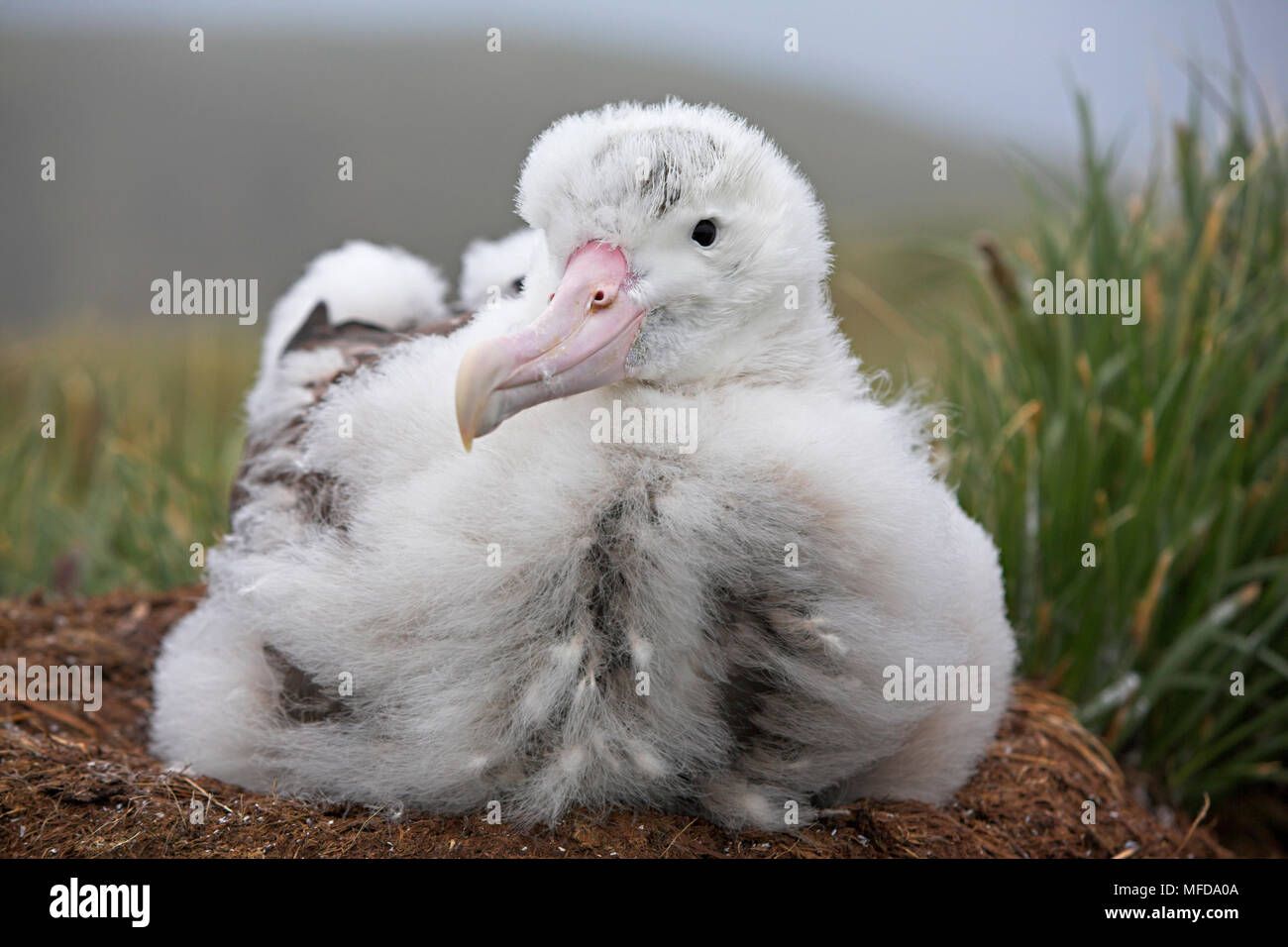
During the breeding season, which occurs on remote sub-Antarctic islands like South Georgia, the Crozet Islands, and Macquarie Island, the large size and height of the chicks and adults make them conspicuous targets. Nests are built as large mounds of mud, grass, and peat raised above the ground to protect eggs from flooding. Because wandering albatrosses are slow-breeding—raising a single chick every two years—their population dynamics are tightly bound to the safety of these terrestrial breeding colonies.
Frequently Asked Questions
How tall is a wandering albatross when standing?
An adult wandering albatross stands between 1.1 and 1.3 meters (3.6 to 4.3 feet) tall. Males tend to be slightly taller and heavier than females, though individual variations exist across different sub-Antarctic colonies.
What is the difference between a wandering albatross's height and its wingspan?
While its standing height reaches up to 1.3 meters, its wingspan can stretch up to 3.5 meters (11.5 feet). This expansive wingspan is more than double its vertical height, serving as its primary tool for sustained oceanic flight.
Why do wandering albatrosses appear awkward on land despite their size?
Their long legs are set far back on their bodies to maximize efficiency during swimming and aerial takeoffs. This anatomical design, combined with their significant height and weight, results in a distinctive waddling gait when walking on nesting grounds.
How does the size of a wandering albatross compare to other birds?
The wandering albatross holds the record for the largest wingspan of any extant flying bird. While some birds, such as certain species of bustards or swans, can equal or exceed its weight or standing height, none match the sheer surface area of its wings.
Do wandering albatrosses grow throughout their lives?
Like most birds, wandering albatrosses reach their full skeletal height and wingspan within their first year of life, specifically after fledging. However, their plumage changes dramatically over several years, transitioning from dark juvenile feathers to pure white bodies in mature adults.
Practical Considerations for Observing Albatross Stature
For wildlife observers and researchers tracking pelagic birds, appreciating the true scale of a wandering albatross requires viewing them in their natural environment. When encountered sitting on the water, their height is compressed, but their immense head and heavy pinkish bill immediately distinguish them from smaller shearwaters and petrels. Conservation efforts by organizations like BirdLife International continue to monitor these populations, noting that maintaining accurate baseline physical data is essential for assessing the health of seabird ecosystems against threats such as commercial longline fisheries and climate change.
Image Gallery