Navigating UCSD Course Descriptions: A Guide for the 2026 Academic Year
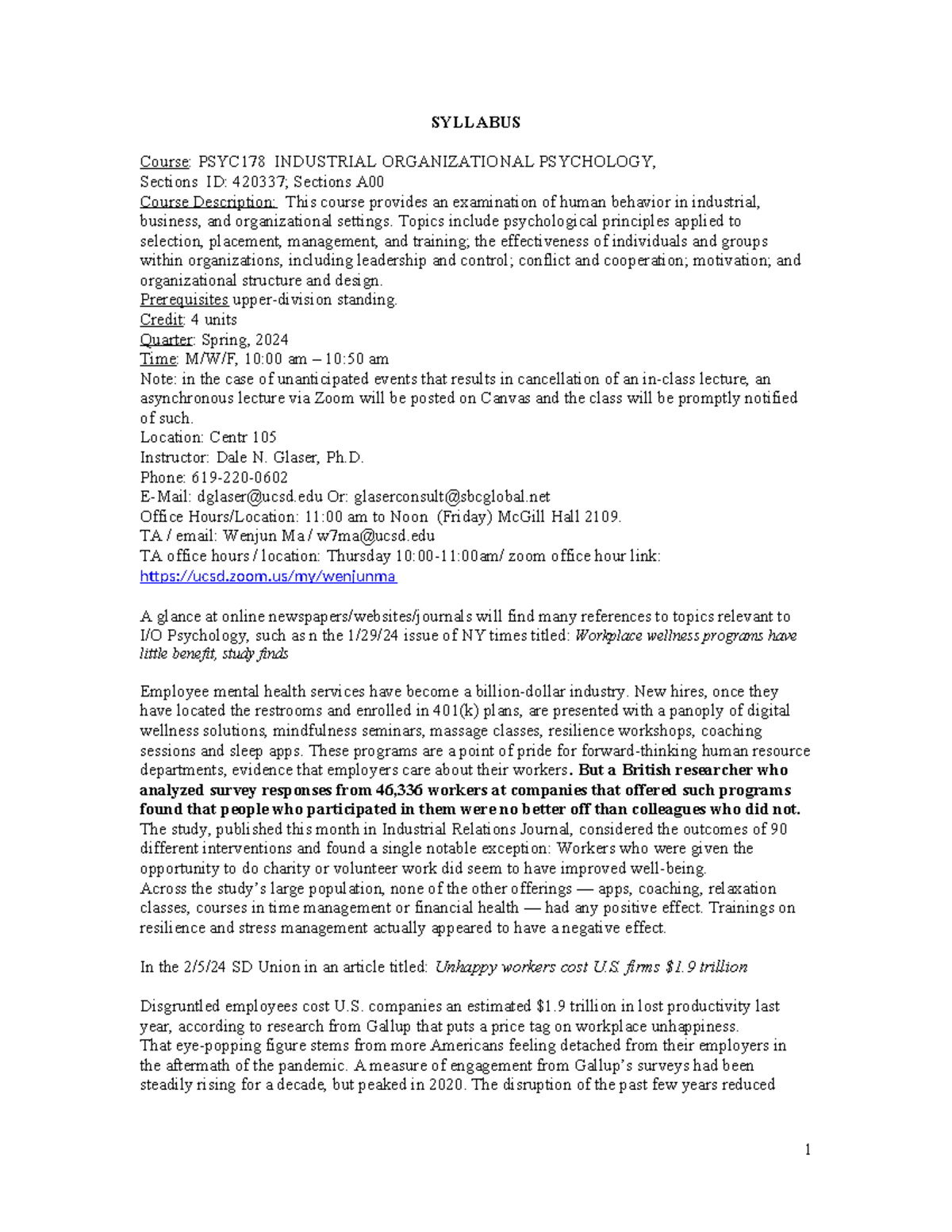
Accessing accurate UCSD course descriptions is essential for students, advisors, and prospective applicants to navigate the University of California, San Diego’s complex academic landscape. These descriptions provide vital data regardi...
Accessing accurate UCSD course descriptions is essential for students, advisors, and prospective applicants to navigate the University of California, San Diego’s complex academic landscape. These descriptions provide vital data regarding prerequisites, credit units, grading structures, and departmental requirements. By utilizing the official General Catalog and the Schedule of Classes, users can ensure their academic planning aligns with the specific degree milestones and enrollment policies active for the 2026-2027 academic year.
Contents
Locating Official Course Information in the UCSD General Catalog
The UCSD General Catalog serves as the primary repository for all approved academic offerings. Unlike the Schedule of Classes, which focuses on term-specific availability, the Catalog contains the permanent, approved descriptions for every course at the university.
For the 2026 academic cycle, the catalog is accessible via the official UCSD Registrar’s portal. It is structured by department, making it the most reliable source for verifying the long-term curriculum of majors and minors. When reviewing these entries, prioritize the following components:
- Course Numbering: UCSD utilizes a strict hierarchy. Lower-division courses (1-99) are designed for undergraduates, upper-division (100-199) are for advanced students, and graduate-level courses (200+) require specific standing.
- Unit Value: This represents the workload expectation and progress toward the 180-unit graduation requirement.
- Prerequisites: Always cross-reference these against your current academic record to avoid enrollment blocks during registration windows.
- Course Frequency: Many specialized upper-division courses are not offered every quarter; the catalog often provides notations regarding typical offering patterns.
Differentiating Between the General Catalog and the Schedule of Classes
A common point of confusion for students involves the distinction between static descriptions and active term offerings. In 2026, the distinction remains critical for effective enrollment planning.
| Feature | General Catalog | Schedule of Classes |
|---|---|---|
| Primary Purpose | Long-term degree planning | Active term enrollment |
| Content Scope | Comprehensive course descriptions | Real-time seat availability & instructors |
| Update Frequency | Published annually | Updated in real-time during registration |
| Functionality | Explains "what" the course covers | Explains "when" and "who" teaches it |
The Schedule of Classes is the authoritative source for identifying which courses are actually running in the upcoming quarter. If a course appears in the General Catalog but not the current Schedule, it is likely inactive or currently on hiatus.
Understanding Course Descriptions and Technical Requirements
Each entry in the UCSD academic database is designed to communicate specific technical requirements. Understanding the taxonomy of these descriptions prevents common registration errors.
Decoding Prerequisite Logic
Most course descriptions use Boolean logic for prerequisites. If a course lists "MATH 20A or equivalent," you must demonstrate proficiency through either an official transcript credit or an AP/IB score that satisfies the UCSD articulation agreement. In 2026, the university continues to strictly enforce electronic prerequisite checking. If your prerequisites do not appear in the Degree Audit Reporting System (DARS), the system will automatically block your registration.
The Role of Grading Options
Descriptions often specify if a course is graded exclusively via Letter Grade (A-F) or Pass/No Pass (P/NP). Graduate students, in particular, must be aware that many departments require core curriculum to be completed with a letter grade. Failing to note these constraints can result in the loss of credit toward degree requirements.
Troubleshooting Common Registration Obstacles
Even with precise knowledge of course descriptions, students may encounter barriers. The most common issues for the 2026 academic year involve "restricted enrollment" and "departmental approval."
Handling Restricted Courses
Some courses are restricted to students within specific majors during the first pass of registration. If the description mentions "Major Restricted," non-majors must wait until the second pass or contact the department directly.
Resolving Prerequisite Exceptions
If you believe you have met a requirement that the system does not recognize, do not attempt to register until you have resolved the discrepancy. Follow these steps:
- Verify the course description for the exact department code.
- Visit the Virtual Advising Center (VAC) to submit an inquiry regarding your prerequisite status.
- Attach supporting documentation, such as transfer credit evaluations from other institutions.
Academic Integrity and Course Standards
The descriptions provided in the General Catalog are governed by the Academic Senate. These documents are legally binding representations of what a student should expect to learn and be evaluated on. If a course significantly deviates from the published description, it is standard practice to raise the issue with the Departmental Chair or the Academic Senate's Committee on Educational Policy.
Maintaining Academic Standards
Official Compliance All courses must adhere to the credit-to-hour ratio mandated by the University of California. One unit of credit generally represents three hours of work per week, including lecture, lab, and independent study.
Catalog Fidelity Instructors are expected to align their syllabi with the approved catalog description. Deviations that substantially alter the learning outcomes or assessment methods may require a formal review process within the department.
Frequently Asked Questions
Where can I find the most recent course descriptions for 2026?
The official UCSD General Catalog, hosted on the university’s registrar website, is the definitive source for 2026 academic year course descriptions. It contains the approved content for all active undergraduate and graduate curricula.
What if a course description mentions a lab but none is scheduled?
If a description mandates a lab component but the current Schedule of Classes shows no lab section, the course may not be viable for degree credit or may be undergoing structural changes. Always verify these discrepancies with your major advisor before enrolling.
Do course descriptions include the instructor for the term?
No, the General Catalog describes the course content and structure but does not include instructor information. You must consult the Schedule of Classes for the specific quarter to identify the faculty teaching the course.
Can I use a 2025 course description for my 2026 degree planning?
While many courses remain stable, curriculum updates can occur annually. Always refer to the 2026-2027 catalog to ensure you are following the most recent prerequisites and requirements approved by the Academic Senate.
How do I request an exception to a prerequisite listed in the description?
Exceptions are handled on a case-by-case basis through the department offering the course. Submit a request through the Virtual Advising Center (VAC) with detailed evidence of your academic preparation to justify an override of the automated system.
Strategic Planning for Degree Completion
To maximize your academic trajectory, integrate the course descriptions into a long-term plan (a "Four-Year Plan" for undergraduates or a "Progress to Degree" document for graduates). By mapping your required courses against the frequency of their offerings, you can avoid bottlenecks. If a critical course is only offered once per year, it must be prioritized in your registration sequence. Always maintain a buffer in your schedule for elective credits to ensure that you meet the minimum unit requirements for graduation without overloading your workload in any single term.
Image Gallery