Can You Bring Your Vape on a Plane: TSA Regulations and Safety Guidelines
Yes, you can bring your vape on a plane, but it must be stored in your carry-on luggage or on your person. Vaping devices and spare lithium batteries are strictly prohibited in checked baggage due to the risk of accidental activation a...
Yes, you can bring your vape on a plane, but it must be stored in your carry-on luggage or on your person. Vaping devices and spare lithium batteries are strictly prohibited in checked baggage due to the risk of accidental activation and fire. Always ensure your device is powered off and secured before boarding your flight.
Contents
The Critical Safety Distinction: Carry-On vs. Checked Bags
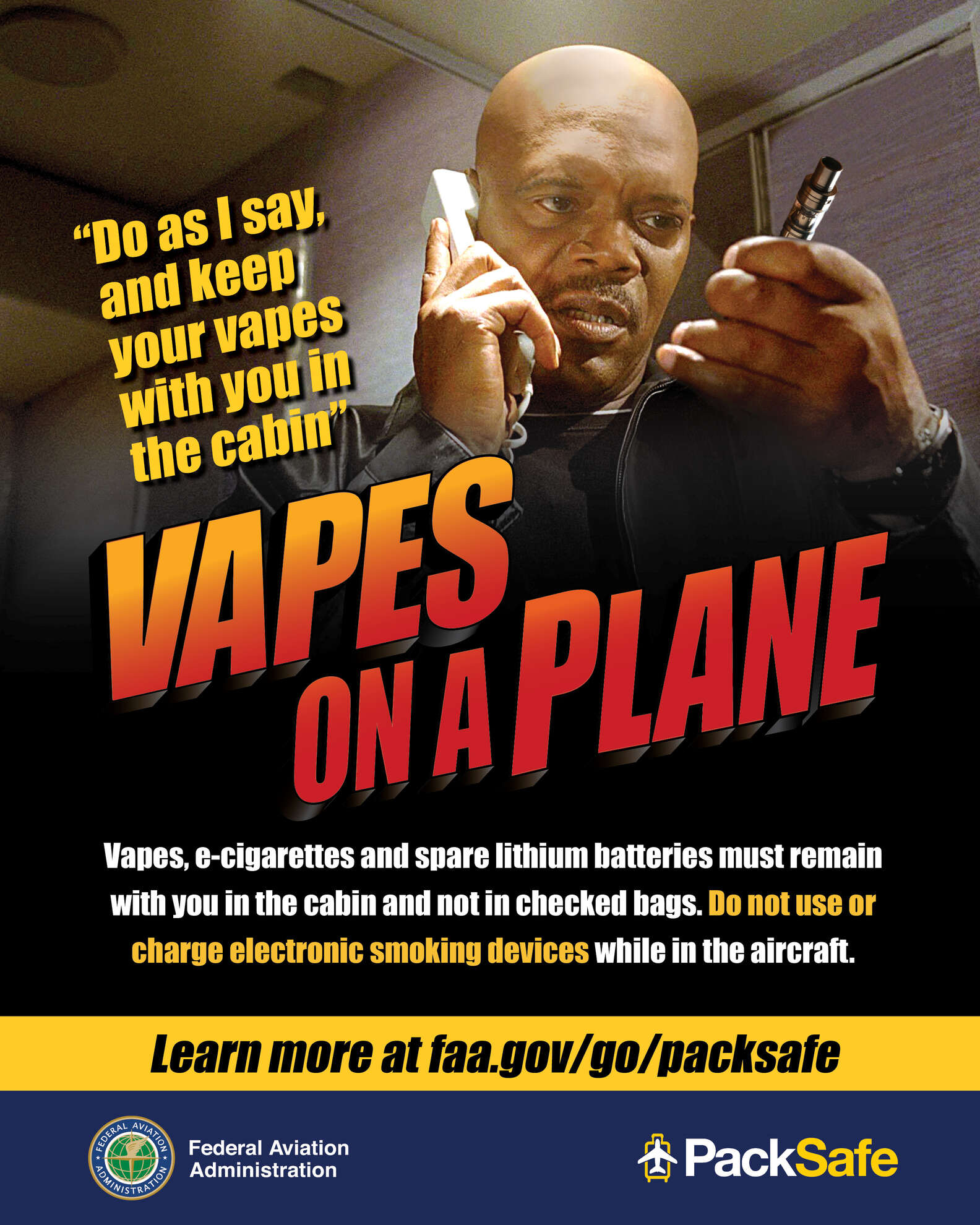
The primary concern regarding vaping devices in aviation is the presence of lithium-ion batteries. These high-energy power cells are prone to "thermal runaway" if damaged, short-circuited, or exposed to excessive heat. Because checked cargo holds are inaccessible during flight and fire suppression systems may not be able to effectively extinguish a lithium-battery fire, the Federal Aviation Administration (FAA) and the Transportation Security Administration (TSA) mandate that all electronic smoking devices—including e-cigarettes, vape pens, atomizers, and electronic nicotine delivery systems (ENDS)—must travel in the aircraft cabin with the passenger.
If you mistakenly place your vaping device in a checked bag, you risk not only having your device confiscated during the ramp screening process but also potentially causing a safety hazard that could result in flight delays or emergency landings. Before heading to the airport, perform a final audit of your luggage to ensure no vaping components have been relegated to your checked suitcase.
Preparing Your Vaping Equipment for Air Travel
To ensure a smooth transit through security, you must treat your vaping equipment with the same level of care as your other sensitive electronics. Follow these preparation steps to comply with aviation security protocols:
- Empty the Tank or Pod: Air pressure changes during takeoff and landing can cause e-liquid to leak from tanks and pods. To prevent a messy, sticky situation inside your luggage, empty your tanks before you head to the airport. If you must carry liquid, ensure it complies with the standard 3.4-ounce (100ml) liquid rule if kept in your carry-on.
- Protect the Batteries: If your device uses removable batteries (such as 18650s), these must be removed if possible and kept in protective battery cases. Never allow loose batteries to come into contact with metal objects like keys or coins, as this can cause a short circuit.
- Secure the Activation Switch: If your device has a physical power button, ensure it is locked or turned off. For devices that are draw-activated, consider removing the pod or tank to prevent accidental firing if the device is compressed during flight.
- Organize Your Liquids: Your e-juice bottles must fit inside the same quart-sized, clear, resealable bag as your other travel-sized liquids. Be aware that many international destinations have specific restrictions on e-liquid volume, even if the liquid itself is legal to possess.
Navigation of Security Screening at the Airport
When you reach the security checkpoint, you do not need to separate your vape from your other items unless instructed by a TSA officer. However, it is considered best practice to remove your device from your bag and place it in the bin alongside your laptop and tablet. This transparency allows security personnel to clearly identify the device on the X-ray monitor without needing to pull your bag for a secondary manual search.
If a TSA officer asks to inspect your device, remain cooperative. Their priority is verifying that the object is a consumer electronic device and not a concealed threat. Being organized and proactive will significantly reduce the time spent at the security lane.
Summary of Compliance Rules for Air Travelers
The following table provides a clear breakdown of the mandatory storage locations for vaping-related equipment to ensure you remain in compliance with air travel safety regulations.
| Component | Carry-On Luggage | Checked Luggage | Requirement |
|---|---|---|---|
| Vape Device | Allowed | Prohibited | Must be turned off |
| Spare Lithium Batteries | Allowed | Prohibited | Must be in cases/terminals covered |
| E-Liquid | Allowed | Allowed | Must follow 3-1-1 liquid rules |
| Disposable Vapes | Allowed | Prohibited | Must be in carry-on |
| Charging Cables | Allowed | Allowed | No specific restriction |
International Travel Considerations
While the TSA guidelines for domestic flights are clear, international travel requires a higher degree of vigilance. Many countries have strict bans on the possession, sale, or use of vaping products. For instance, some nations in Southeast Asia, the Middle East, and South America classify e-cigarettes as illicit substances or strictly regulated medical devices.
Before booking your trip or departing for the airport, consult the official customs website of your destination country. If you are caught with a vape in a country where it is banned, you may face heavy fines, confiscation of your equipment, or, in severe cases, legal prosecution. Never assume that the laws of your home country reflect international standards.
In-Flight Conduct and Prohibitions
It is a common misconception that vaping is permissible on aircraft if the device is hidden or if it produces "minimal vapor." This is definitively false. Federal law and individual airline policies strictly prohibit the use of e-cigarettes on all commercial flights. This includes the use of devices in airplane lavatories.
Modern aircraft are equipped with advanced smoke detection systems in the bathrooms. These sensors are calibrated to detect the specific aerosols produced by vaping devices. Attempting to bypass these sensors or vaping in the cabin can result in severe consequences, including:
- Substantial fines imposed by the Department of Transportation.
- Potential placement on the airline’s "no-fly" list.
- Possible legal action if the safety of the flight is deemed compromised.
The best strategy is to stow your device securely in your carry-on luggage the moment you board the aircraft and refrain from using it until you have cleared the terminal at your destination.
Frequently Asked Questions
Can I charge my vape on the plane? No. You are strictly prohibited from charging your vaping device or its batteries using the airplane's seat-back USB ports or electrical outlets. Charging presents a fire risk, and airlines require all vaping equipment to remain inactive throughout the duration of the flight.
What happens if my vape leaks in my bag? If a tank leaks, the liquid may damage clothing or other electronics. Always carry your vape in a small, leak-proof plastic bag to contain any accidental spillage. If the liquid gets on your skin, wash the area thoroughly with soap and water as soon as possible.
Are disposable vapes treated differently? No. Disposable vapes contain integrated lithium-ion batteries, which means they must be treated the same as standard mods. They must stay in your carry-on and are strictly banned from checked luggage because they cannot be switched off.
How many spare batteries am I allowed to bring? While there isn't a strict "number" limit, the TSA expects a "reasonable amount for personal use." Carrying an excessive number of loose batteries may draw unnecessary attention from security. Always ensure spare batteries are in hard plastic cases that prevent the terminals from touching each other.
Can I bring my vape on a flight to a country where it is illegal? It is strongly advised against. Even if the device is for personal use, carrying a prohibited item into a country can result in immediate confiscation by customs. Always research the specific legislation of your destination before packing your gear.
Final Recommendation
To ensure your travel experience is stress-free, treat your vaping equipment as you would any other high-value electronic device. Before your trip, verify that all batteries are removed or the device is locked, store all components in your carry-on bag, and double-check the vaping laws of your destination country. By following these established guidelines, you can safely transport your equipment and avoid complications with airline security.
Image Gallery