National Grid Power Outage Map: Live Tracking, Reporting, and Restoration Times
The National Grid Power Outage Map provides real-time geographic tracking of electrical blackouts, customer impact counts, and estimated times of restoration (ETR) across service territories in Upstate New York and Massachusetts. Custo...
The National Grid Power Outage Map provides real-time geographic tracking of electrical blackouts, customer impact counts, and estimated times of restoration (ETR) across service territories in Upstate New York and Massachusetts. Customers can view active outage clusters, track utility repair dispatches, and submit online outage reports directly through desktop or mobile interfaces.
Contents
Critical Safety Alert Always assume downed power lines are energized and extremely dangerous. Maintain a distance of at least 30 feet from fallen wires and report them immediately to emergency services by calling 911 or contacting National Grid customer service directly.
How to Access and Navigate the Live National Grid Outage Map
The National Grid interactive outage map is the primary digital hub for monitoring utility grid status during severe weather events, equipment failures, and scheduled maintenance. The application processes telemetry data from automated meter infrastructure (AMI), substation Supervisory Control and Data Acquisition (SCADA) systems, and customer-submitted reports to project geographic coverage of electric service disruptions.
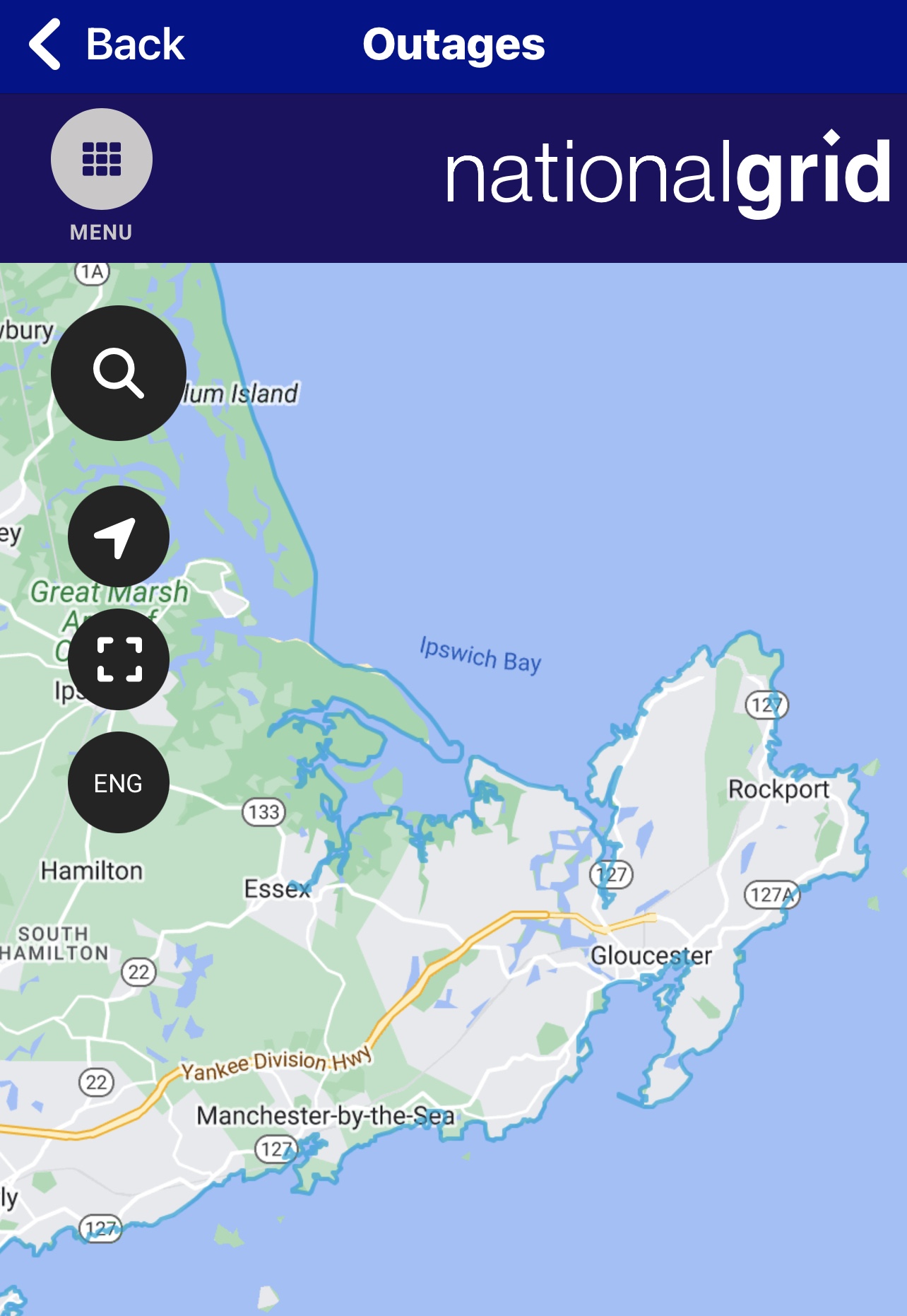
To access the platform, navigate to the official National Grid US Outage Central portal via web browser or open the official National Grid mobile application. The interface defaults to an overhead geographic view across National Grid’s operational footprint in Massachusetts and Upstate New York.
Key Map Features and Controls
- Address Search Bar: Enter a specific street address, city, state, or ZIP code to zoom directly to your neighborhood.
- Layer Controls: Toggle between individual outage icons, shaded county impact polygons, and weather radar overlays to cross-reference current storm paths with system damage.
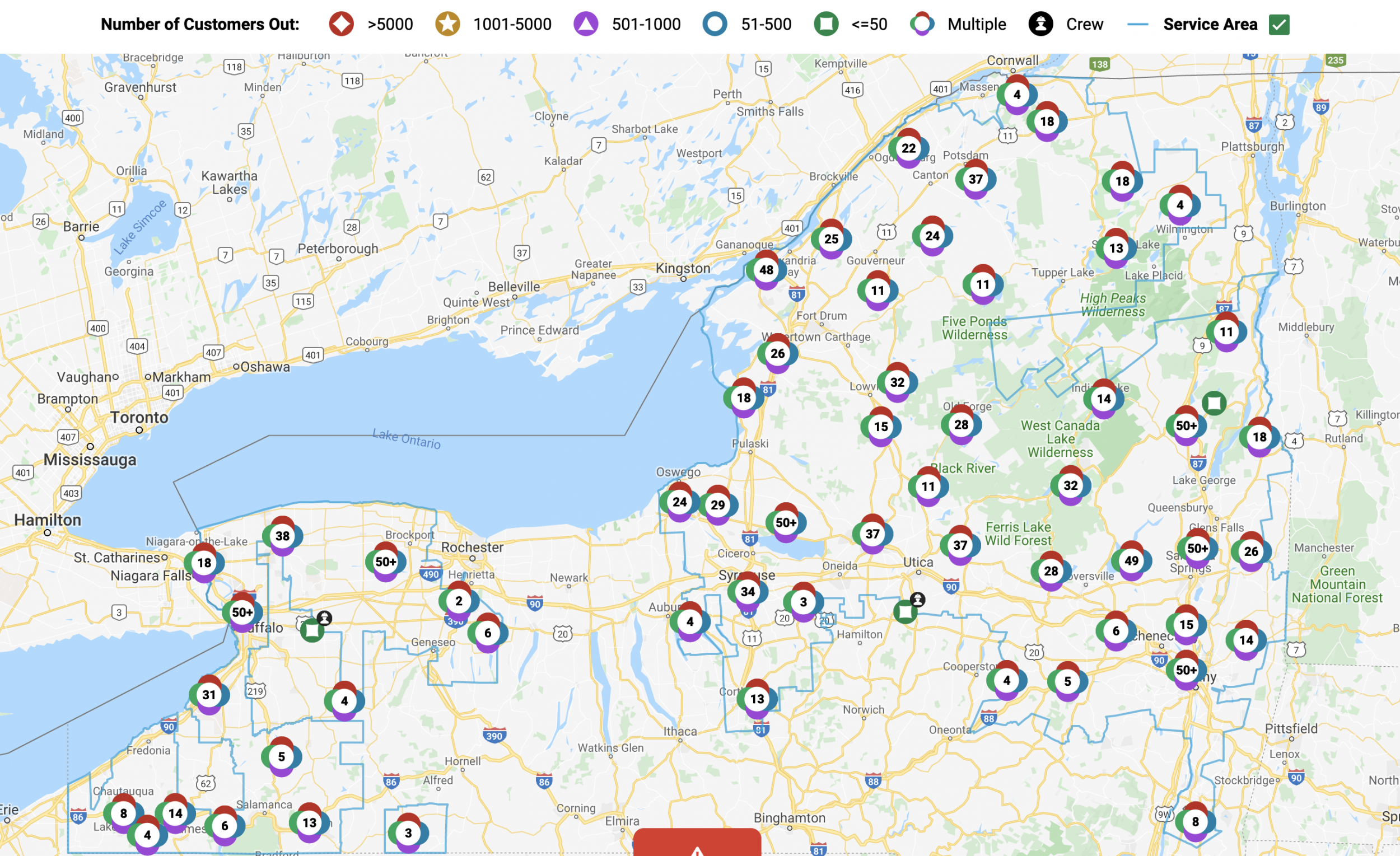
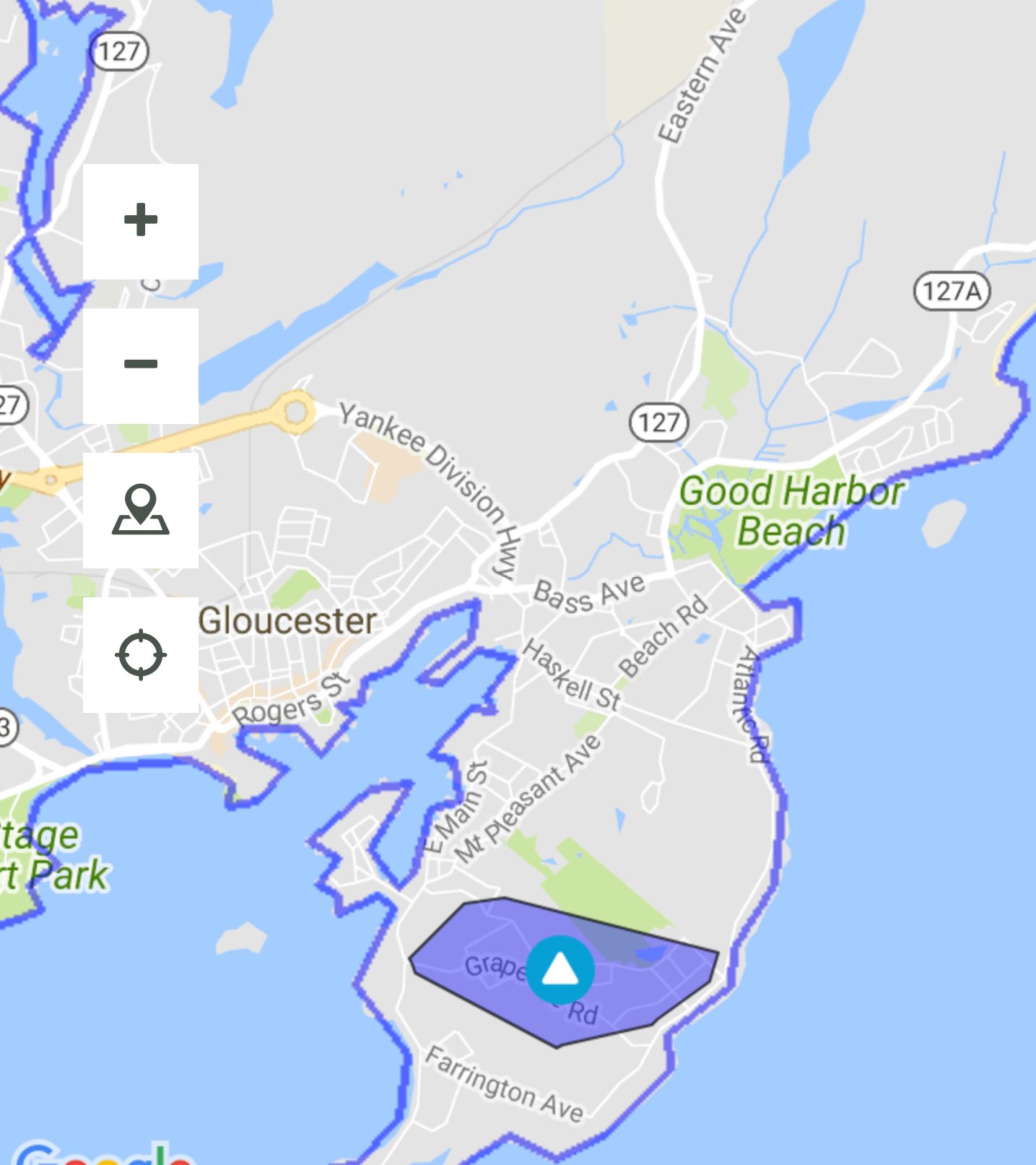
- Outage Information Summary Window: Select any color-coded cluster pin or shaded zone to generate a detailed pop-up card containing:
- Start Time: The initial timestamp when the grid system registered the service disruption.
- Customers Affected: The total count of active electric meters currently without power within that circuit segment.
- Cause: The verified or preliminary reason for the outage (e.g., fallen tree limbs, equipment failure, vehicle contact with utility poles, or transmission line tripping).
- Status: Current operational phase of the utility response (e.g., Assessing Damage, Crew Dispatched, Crew On-Site).
- Estimated Time of Restoration (ETR): The projected window when electrical service is expected to be fully restored.
Understanding National Grid Restoration Times (ETR)
The Estimated Time of Restoration (ETR) displayed on the outage map is a dynamic projection calculated using predictive algorithms and real-time field reports from utility assessors. National Grid updates ETRs as field conditions evolve during emergency restoration cycles.
Restoration Phase Pipeline:
- Assessment
- Hazard Mitigation
- Primary Grid
- Local Drops
(Note: Replacing diagram with clear standard bulleted text per rule constraint: NO ASCII diagrams allowed)
Restoration Phases
- Phase 1: Damage Assessment and Hazard Mitigation: Immediately following a widespread storm, field crews and damage assessors inspect circuits to isolate severe hazards. Priority is given to clearing downed transmission lines, clearing blocked emergency access roads, and securing damaged substations.
- Phase 2: Global ETR Issuance: During multi-county weather events, National Grid initially assigns a broad "Global ETR" for entire regional operating divisions. This reflects the estimated time required to restore the majority of impacted customers across the entire system.
- Phase 3: Local/Circuit ETR Refinement: As line workers isolate broken poles, blown distribution transformers, and severed lines, the outage map replaces the Global ETR with a refined local ETR specific to your immediate neighborhood line segment.
Factors That Delay ETR Timelines
- Extreme Environmental Hazards: High wind speeds exceeding 35 mph prevent bucket trucks from safely elevating line workers. Floodwaters, iced roads, and fallen debris can delay heavy utility transport vehicles from reaching rural sub-stations.
- Extensive Physical Infrastructure Damage: Replacing a single snapped utility pole requires hours of manual digging, utility line transfer, transformer replacement, and re-tensioning of primary conductors.
- Nested Outages: A single main line failure may conceal smaller downstream issues. Once primary power is restored to a circuit, underlying localized damage to a single transformer or customer service drop wire may keep individual homes dark, requiring secondary service calls.
How to Report a Power Outage to National Grid
Even with modern SCADA automation, manual customer reporting remains essential for identifying single-home outages and isolated service drop failures. National Grid provides several channels to report power disruptions 24 hours a day, 7 days a week.
Method 1: Online Outage Reporting Tool
- Access the National Grid Report Outage portal.
- Enter your account number, billing phone number, or street address.
- Select whether the outage is total (all lights out) or partial (flickering lights, partial circuit loss).
- Provide immediate safety details if applicable (e.g., visible sparks, burnt transformers, or downed wires).
Method 2: SMS Mobile Text Alerts
Customers enrolled in National Grid’s text alert system can manage outages via mobile messaging:
- Report an Outage: Text OUT to 64743 (NGRID).
- Check Status: Text STAT to 64743 to receive the latest ETR and status update for your registered address.
- Enrollment: Text REG to 64743 using the mobile number associated with your billing account.
Method 3: Dedicated Phone Hotlines
If you lack internet or cellular data access, call National Grid's automated emergency reporting lines:
- Upstate New York Electric Outages: 1-800-867-5222
- Massachusetts Electric Outages: 1-800-465-1212
Important Note for Life-Support & Medical Equipment Dependents: Customers who rely on life-sustaining medical equipment (such as oxygen concentrators or mechanical ventilators) must pre-register their accounts with National Grid's Life Support Program. Registration ensures priority communications during long-duration restoration events, though customers must maintain an emergency backup plan or battery system, as uninterrupted power cannot be guaranteed during severe natural disasters.
Regional Breakdown of National Grid Service Territories
National Grid operates separate distribution networks across two primary U.S. states. The operational capabilities, phone contacts, and geographic features on the outage map vary slightly depending on your service territory.
| Region / Division | Primary Counties & Cities Covered | Emergency Outage Hotline | Specific Outage Map Features & Notes |
|---|---|---|---|
| Upstate New York (Western) | Erie, Niagara, Chautauqua, Genesee (Buffalo, Niagara Falls) | 1-800-867-5222 | Integrated Lake-Effect Snow alerts; displays heavy transmission corridor status near Niagara Hydro project. |
| Upstate New York (Central) | Onondaga, Oneida, Oswego, Jefferson (Syracuse, Utica, Watertown) | 1-800-867-5222 | Tracks rural distribution lines; displays county-level emergency management links. |
| Upstate New York (Eastern) | Albany, Saratoga, Rensselaer, Schenectady, Warren (Capital Region, Glens Falls) | 1-800-867-5222 | Coordinates outage clusters with Hudson Valley regional interconnections. |
| Massachusetts (Central & Western) | Worcester, Hampden, Hampshire (Worcester, Palmer) | 1-800-465-1212 | Cross-references dense suburban distribution circuits with rural forested distribution networks. |
| Massachusetts (Eastern & North Shore) | Essex, Middlesex, Suffolk, Plymouth (Lowell, Lawrence, Malden, Brockton) | 1-800-465-1212 | High-density urban mapping; includes coastal storm-surge warning layer integration. |
Historical Scope Note: Rhode Island electric operations formerly managed by National Grid were acquired by PPL Corporation and now operate independently under the Rhode Island Energy brand. Rhode Island customers should use the Rhode Island Energy outage portal rather than National Grid.
Decoding Map Status Terminology and Outage Symbols
When tracking an outage cluster on the interactive map, National Grid uses standardized operational terms to indicate progress. Understanding these terms helps set realistic expectations for when lights will return.
Outage Map Icon Descriptions
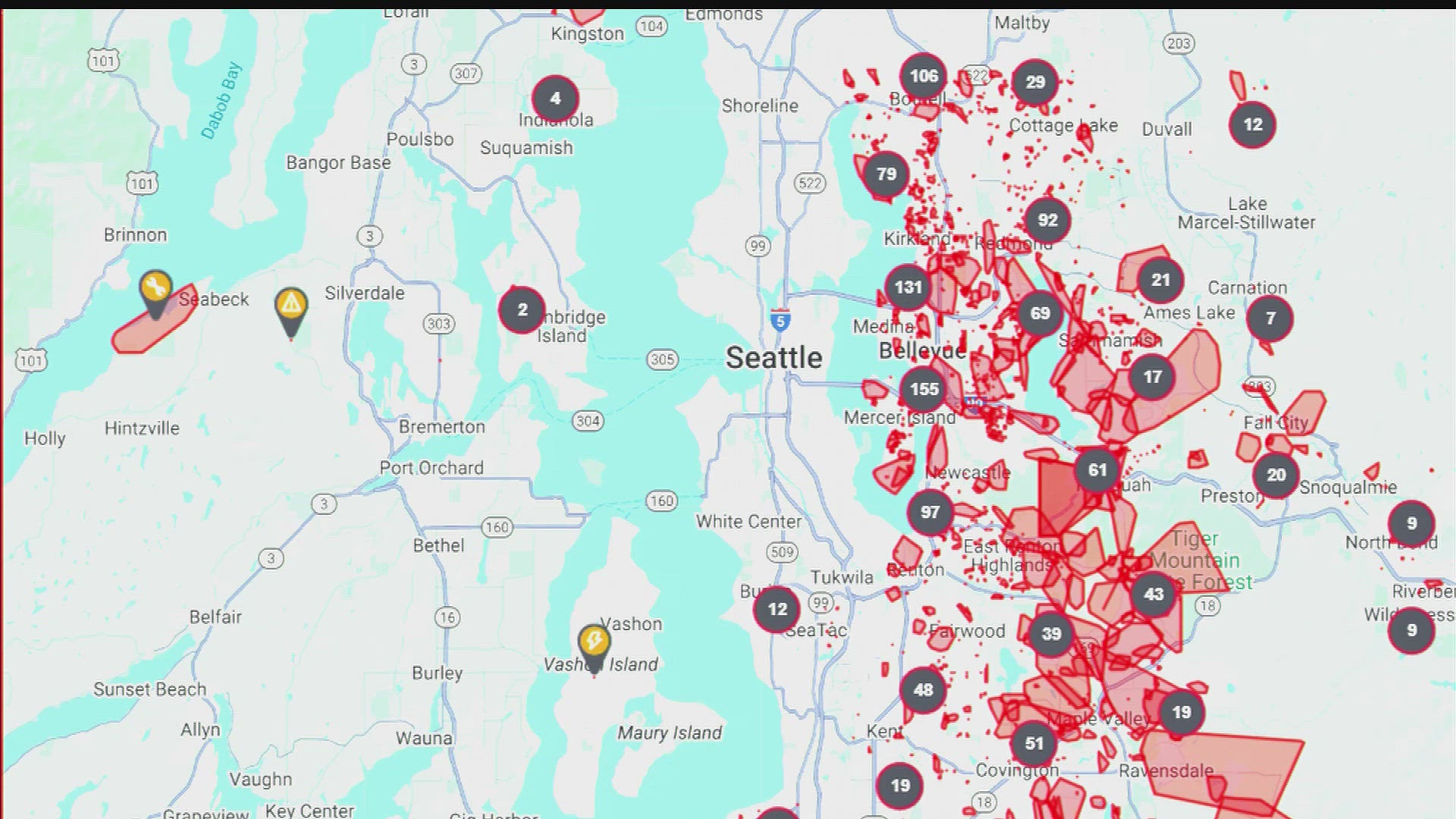
- Colored Polygons (Shaded Areas): Represent broad geographical boundaries where multiple homes share a single interrupted distribution feeder or substation circuit. Color shades range from light yellow (minor impact, 1-50 customers) to dark purple (major impact, 5000+ customers).
- Single Pins with Numbers: Represent localized clusters of outages. Clicking a pin breaks down the cluster into individual street-level incidents.
Operational Status Definitions
Pending Investigation / Assessing: The automated system or customer reports indicate power is out, but a field technician has not yet arrived on-site to pinpoint the physical cause. Damage assessment teams are actively evaluating the line segment.
Crew Assigned: A qualified line crew or repair unit has been dispatched to the physical site of the failure. The crew may currently be en route or retrieving specialized hardware from a regional service center.
Crew On-Site: Utility personnel have arrived at the damage location. They are performing physical isolation, replacing transformers, clearing fallen vegetation, or stringing wire. Safety Note: If power is cut to nearby secondary circuits during repairs, customer outage counts may temporarily rise.
Power Restored / Pending Verification: System telemetry indicates that main distribution breakers have been reclosed and primary voltage is restored. If your lights remain off while the map shows "Restored," your property is likely experiencing a "nested outage" caused by a damaged individual service drop wire or tripped home breaker panel.
Step-by-Step Priority Order of Power Restoration
National Grid follows a strict industry-standard restoration methodology designed to restore safety and power to the largest number of people as quickly and safely as possible. Individual homes are not restored on a first-to-report basis; instead, repairs flow from bulk power transmission down to individual service drops.
- Public Safety & Critical Facilities: Crews focus on clearing live, high-voltage downed lines from public roadways and restoring main circuits supplying emergency services, including hospitals, police stations, fire departments, water treatment facilities, and emergency shelters.
- Bulk Power & Transmission Lines: High-voltage transmission lines transport bulk electricity from power plants to substations. If a transmission tower or high-voltage line fails, tens of thousands of customers lose power simultaneously. Repairing these lines is the top priority for large-scale grid recovery.
- Substations: Substations step down high transmission voltage into usable distribution voltage. Restoring a single substation can bring power back to multiple local distribution circuits at once.
- Primary Distribution Feeder Lines: These main overhead or underground wires run along major roadways and supply entire neighborhoods, commercial corridors, and school districts. Repairing a main feeder restores electricity to hundreds of customers per fix.
- Secondary Distribution Lines & Tap Lines: These smaller side-street lines branch off main feeder routes into specific housing developments, cul-de-sacs, and rural side roads.
- Individual Customer Service Drops & Transformers: The final step involves repairing the specific line connecting an individual home’s electric meter to the utility pole transformer.
Essential Safety Protocols During Power Disruption
Power outages often coincide with severe winter ice storms, summer thunderstorms, or high-wind events. Adhering to strict safety guidelines prevents severe injury, structure fires, and fatal carbon monoxide poisoning.
Downed Power Line Hazards
- Never touch, drive over, or approach a downed utility wire, even if it appears dead, quiet, or uninsulated.
- If a power line falls across your vehicle while driving, stay inside the vehicle. Warn bystanders to stay back and call 911 immediately. Only jump clear of the vehicle if an immediate vehicle fire occurs; when exiting, jump clear with both feet together without touching the ground and the vehicle exterior simultaneously.
Safe Portable Generator Operation
Improper use of portable gas generators during blackouts poses extreme risks to both homeowners and utility line workers.
Generator Safety Rules Always operate portable generators outdoors in well-ventilated areas, at least 20 feet away from open windows, doors, and attached garages. Never plug a portable generator directly into a standard wall outlet (backfeeding); backfeeding sends high-voltage electricity back into utility lines, creating lethal hazards for line workers attempting repairs.
- Install a Manual Transfer Switch: Have a licensed electrician install an approved transfer switch to isolate your home panel from the main utility grid when using a portable generator.
- Carbon Monoxide (CO) Detectors: Ensure battery-operated CO detectors are installed on every floor of your residence.
Food Preservation Safety Guidelines
During extended power outages, keeping food safe from spoilage is a critical health priority. Follow guidance from the USDA and CDC regarding food storage limits:
- Keep Doors Closed: Keep refrigerator and freezer doors closed as much as possible. An unopened refrigerator will keep food cold for approximately 4 hours.
- Freezer Capacity: A full freezer will hold safe temperatures for approximately 48 hours (24 hours if it is half full).
- When in Doubt, Throw It Out: Discard perishable food (such as meat, poultry, seafood, eggs, milk, and leftovers) if temperatures exceed 40°F (4°C) for more than 2 hours.
Frequently Asked Questions
Why does the National Grid outage map show my power is restored when my lights are still off?
This usually indicates a nested outage or localized damage to your individual customer service drop wire or weatherhead. While main distribution lines serving your neighborhood have been re-energized, your specific connection remains disconnected. Report your outage again through the online portal or phone system to trigger an individual service inspection.
How frequently is the live outage map updated?
The online outage map refreshes automated telemetry data every 5 to 15 minutes. However, during major storm events with high site traffic, manual processing of field damage reports may cause local status updates to lag behind real-time physical repairs by up to 30 minutes.
Should I report an outage if my neighbors have already reported theirs?
Yes, every customer should report their outage individually. Multiple reports allow National Grid’s outage management systems to isolate the exact point of circuit failure, differentiate between broad feeder trips and single-transformer issues, and verify that all premises on a line have been fully restored.
What is the difference between a Global ETR and a Local ETR on the map?
A Global ETR is an initial broad estimate assigned across an entire county or region during widespread multi-day storm events, reflecting when the vast majority of all affected customers will be restored. A Local ETR is a refined estimate provided after damage assessors inspect a specific circuit and determine the exact repairs required for your street.
Does National Grid reimburse customers for spoiled food or lost medication during a blackout?
In most cases, electric distribution utilities like National Grid are not legally liable for food spoilage or secondary losses caused by power outages resulting from severe weather, natural disasters, or uncontrollable equipment failures. Property owners are encouraged to submit claims through personal homeowners or renters insurance policies if coverage applies.
Prepare Your Home for Power Emergency Services
Managing through power disruptions requires prompt communication and early preparation. Bookmark the official National Grid Power Outage Map on your mobile device, verify that your primary mobile number is registered for automated text alerts, and maintain a fully stocked emergency kit featuring flashlights, battery-powered radios, and extra mobile power banks. If you observe active sparking, burning transformers, or downed lines, notify emergency services immediately before checking online map statuses.
Image Gallery