Optimizing Integrated Data Services for Enterprise Efficiency
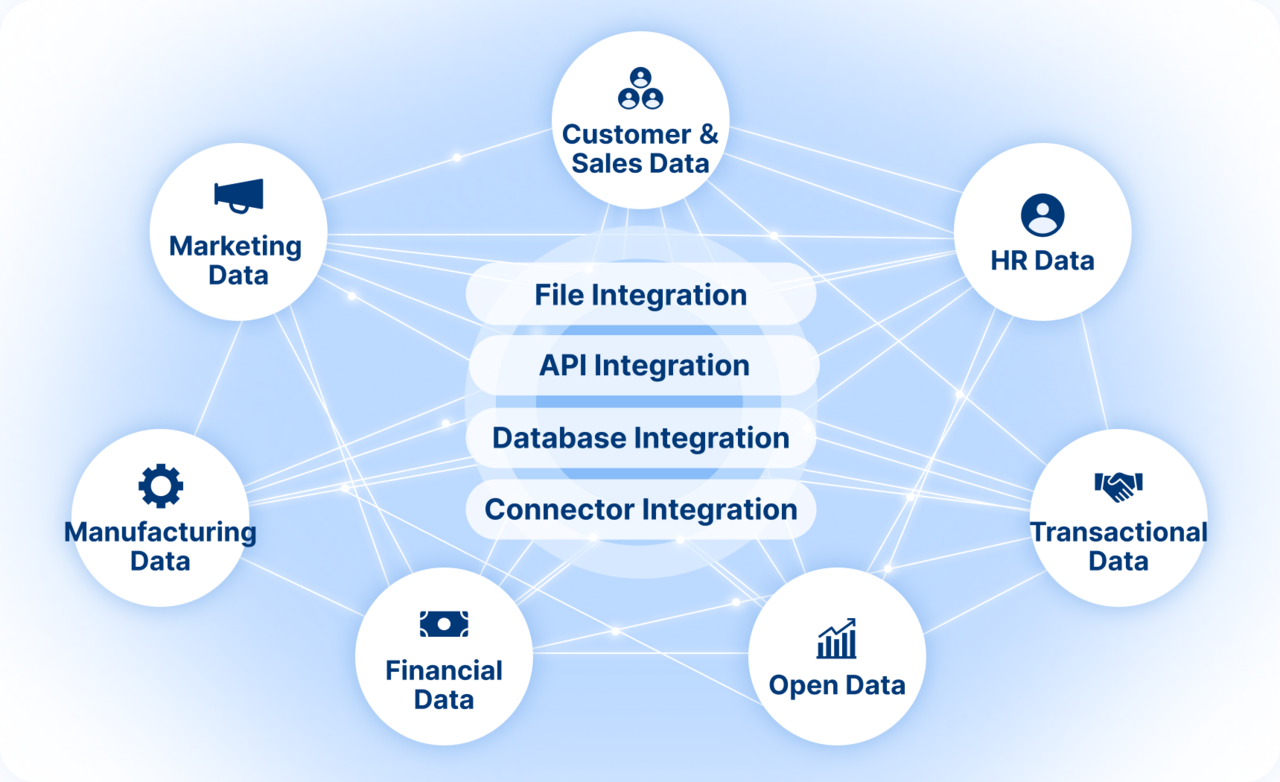
Integrated data services provide a unified architectural framework that consolidates disparate information streams—such as structured databases, real-time API feeds, and unstructured cloud logs—into a coherent, actionable repository. B...
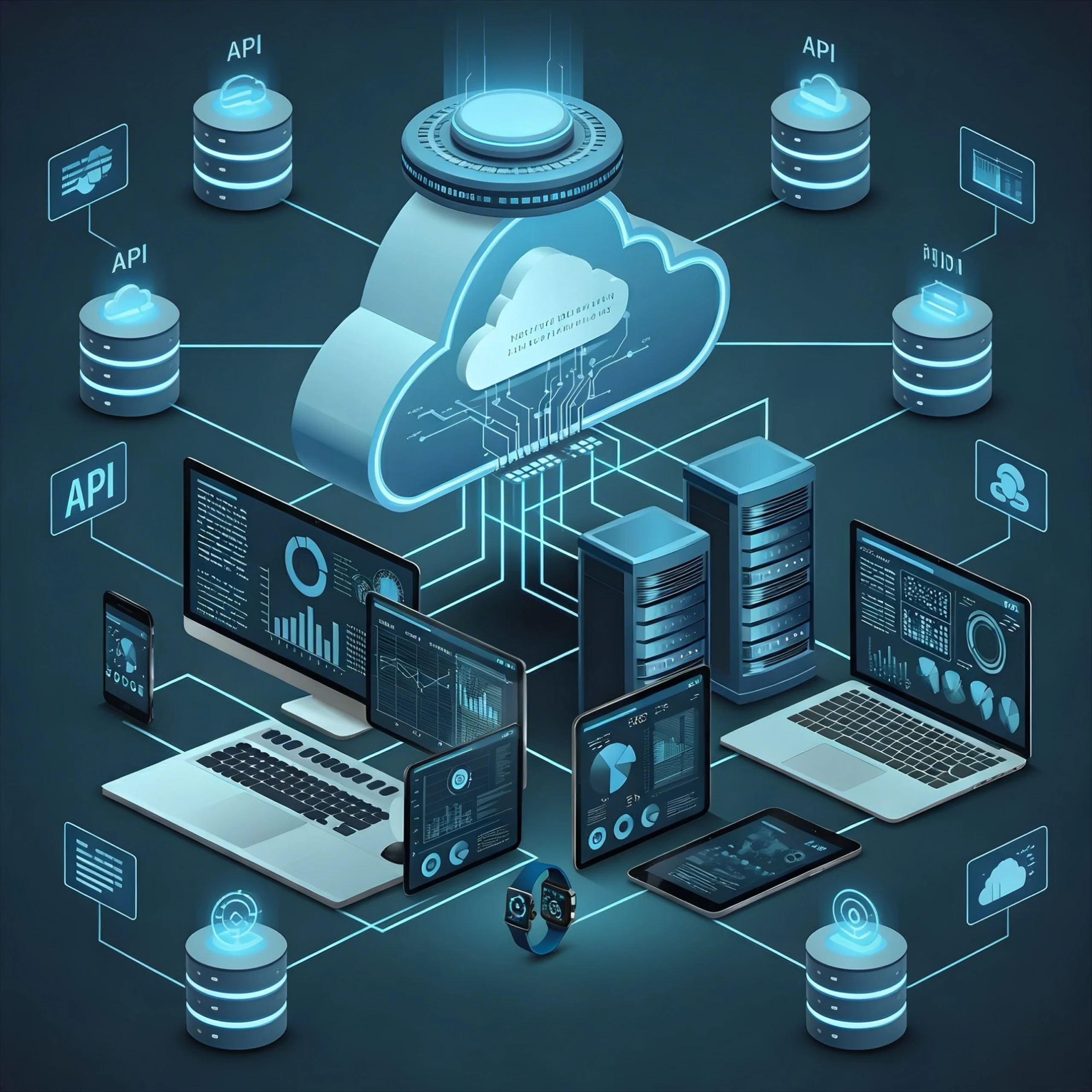
Integrated data services provide a unified architectural framework that consolidates disparate information streams—such as structured databases, real-time API feeds, and unstructured cloud logs—into a coherent, actionable repository. By breaking down organizational data silos, these services enable consistent governance, improved analytical accuracy, and streamlined automated decision-making across complex technical environments.
Contents
The Foundation of Integrated Data Services
At its core, integrated data services refer to the technical infrastructure and software layers designed to perform Extract, Transform, and Load (ETL) or Extract, Load, and Transform (ELT) functions, coupled with master data management (MDM) protocols. In modern 2026 enterprise architectures, these services function as the connective tissue between a company’s primary transactional systems (ERP) and its analytical environments (data warehouses or data lakes).
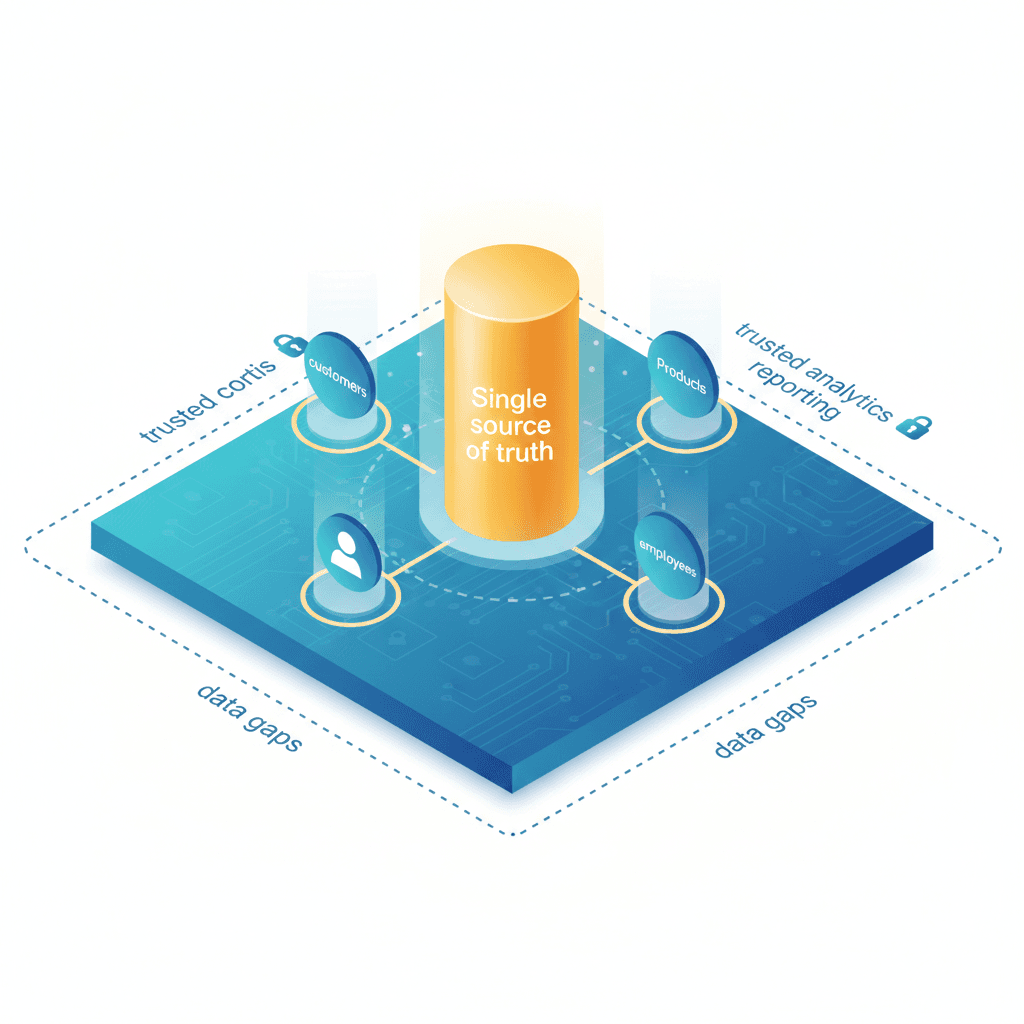
The primary objective is to maintain a "single source of truth." When data resides in fragmented systems—such as legacy on-premises servers, SaaS application APIs, and edge computing nodes—variations in schema, formatting, and update frequency often lead to conflicting reports. Integrated data services resolve this by applying normalization rules at the point of ingestion, ensuring that when an end-user queries the system, the resulting information is synchronized, cleaned, and compliant with current internal data standards.
Core Architecture and Functional Requirements
To implement effective integrated data services, organizations must address three fundamental layers: connectivity, transformation, and orchestration.
- Connectivity Layer: This layer utilizes connectors and adapters to interact with diverse data sources. Whether dealing with RESTful APIs, SQL database connectors, or message queues like Apache Kafka, the service must maintain reliable uptime and handle authentication protocols (such as OAuth 2.0 or mTLS) securely.
- Transformation Layer: Once ingested, data often arrives in formats incompatible with the destination schema. Integrated services apply logic to map fields, convert data types, and cleanse noise—such as removing duplicate entries or correcting null values—that would otherwise compromise downstream analytics.
- Orchestration Layer: This involves scheduling data pipelines, monitoring job status, and managing dependencies. If a downstream process requires data from three distinct sources, the orchestration layer ensures that all three streams have been processed and validated before triggering the subsequent analytical task.
Key Considerations for Selection and Implementation
Selecting a provider for integrated data services requires a rigorous evaluation of your existing technology stack. Many organizations lean toward "Data Fabric" or "Data Mesh" architectures, which represent the evolution of traditional integration services toward more decentralized, domain-oriented ownership.
When assessing these tools, consider the following technical pillars:
- Scalability: Does the service support elastic scaling? In 2026, the volume of telemetry and IoT-derived data often experiences unpredictable bursts. The architecture must accommodate this without manual reconfiguration.
- Data Governance and Security: Integration services inherently touch sensitive data. Look for built-in capabilities for data masking, role-based access control (RBAC), and full audit logging to satisfy regulatory requirements such as GDPR or local cybersecurity mandates.
- Latency Requirements: Determine whether your use case requires batch processing or real-time streaming. Integrated services optimized for real-time streaming often carry higher computational costs but are essential for use cases like fraud detection or live inventory management.
Comparative Overview of Integration Approaches
| Feature | ETL (Traditional) | ELT (Cloud-Native) | Data Mesh (Modern) |
|---|---|---|---|
| Primary Workflow | Transform before load | Load before transform | Distributed domain ownership |
| Storage Usage | Optimized for destination | High capacity (Data Lake) | Decentralized storage |
| Flexibility | Rigid, schema-defined | Highly flexible | High agility |
| Best For | Structured, legacy data | Big data analytics | Enterprise scale/complexity |
Common Operational Challenges and Troubleshooting
The deployment of integrated data services is rarely seamless. The most frequent points of failure occur during the schema mapping process and the management of "data drift."
Data drift occurs when an upstream system updates its output format without notifying the integration team. This commonly breaks transformation logic, leading to "null" values or execution errors in downstream dashboards. To mitigate this, senior engineers implement schema registries. These registries act as a contract; if the upstream data violates the pre-defined schema, the integration service automatically flags the error and halts the ingestion rather than corrupting the downstream repository.
Troubleshooting should focus on observability. An effective service provides real-time monitoring of pipeline health, average processing time, and error rates. If a pipeline failure occurs, the first step is to isolate the point of failure: check the connectivity layer logs first to verify if the source system is responding, then inspect the transformation logic for any recent syntax changes.
Security and Regulatory Compliance
In 2026, the security of integrated data services is synonymous with organizational risk management. Because these services consolidate data, they effectively create a "high-value target" for malicious actors. It is mandatory to implement encryption at rest (using standards like AES-256) and in transit (via TLS 1.3). Furthermore, integrate these services into your enterprise Identity and Access Management (IAM) framework. Never use shared credentials for pipeline execution; instead, utilize service accounts with the principle of least privilege—where the integration service only has "read" access to source systems and "write" access to its specific destination table.
Frequently Asked Questions
What is the difference between an API and an integrated data service? An API is an interface that allows two systems to communicate, while an integrated data service is a comprehensive platform that manages the movement, transformation, and storage of that data across multiple systems. Think of the API as the "postal service" and the integrated data service as the entire "logistics and distribution network."
How does data integration impact latency? The impact depends on the processing mode. Batch-based integrated services, which run on schedules (e.g., every hour), inherently introduce latency. Streaming services minimize latency to milliseconds, though they require more robust infrastructure and careful resource management to avoid system overload.
What is "data quality" in the context of integration? Data quality refers to the accuracy, completeness, consistency, and timeliness of information. An integration service improves quality by applying automated rules (e.g., deduplication or range checking) to ensure that only verified, useful data reaches your business intelligence tools.
Are integrated data services expensive to maintain? Costs vary based on throughput and complexity. While the upfront investment in licensing and integration architecture is significant, the long-term cost is often offset by the reduction in manual labor required for data preparation, which typically consumes 70-80% of an analyst's time in fragmented environments.
Final Recommendation
To successfully implement integrated data services, begin by conducting a comprehensive data audit to map your existing "data sprawl." Identify which streams are critical for decision-making and prioritize those for integration. Avoid the "boil the ocean" approach; instead, focus on a single high-impact business domain, build a robust, observable pipeline, and iterate from there. Always ensure that your chosen solution provides clear documentation and support for your current cloud environment to avoid vendor lock-in.
Image Gallery