What the Commonwealth Insurance Center Is and How It Operates
The Commonwealth Insurance Center typically refers to a commercial office property, administrative hub, or regional headquarters housing insurance agencies, underwriting firms, and financial service providers. Depending on the specific...
The Commonwealth Insurance Center typically refers to a commercial office property, administrative hub, or regional headquarters housing insurance agencies, underwriting firms, and financial service providers. Depending on the specific regional jurisdiction, it may also denote a centralized state-backed insurance fund or regulatory service point designed to manage commercial policies, public entity coverage, or specialized risk pools.
Contents
Navigating commercial real estate developments, financial districts, and state-chartered insurance entities requires a clear understanding of their structural roles, regulatory compliance parameters, and service scopes. Whether an individual is searching for a physical office building housing independent brokers, a municipal insurance pool, or a commercial risk management organization, identifying the exact function of a "Commonwealth Insurance Center" ensures that policyholders, business owners, and legal professionals connect with the correct resources. This guide examines the structural definitions, core operational functions, services provided, and practical considerations associated with entities operating under this designation.
Defining the Commonwealth Insurance Center
The term "Commonwealth Insurance Center" can describe several distinct entities within the commercial, financial, and governmental sectors. To understand what the center is, one must examine its context: whether it functions as a physical real estate asset hosting financial businesses or an institutional organization providing coverage solutions.
Physical Real Estate and Commercial Hubs
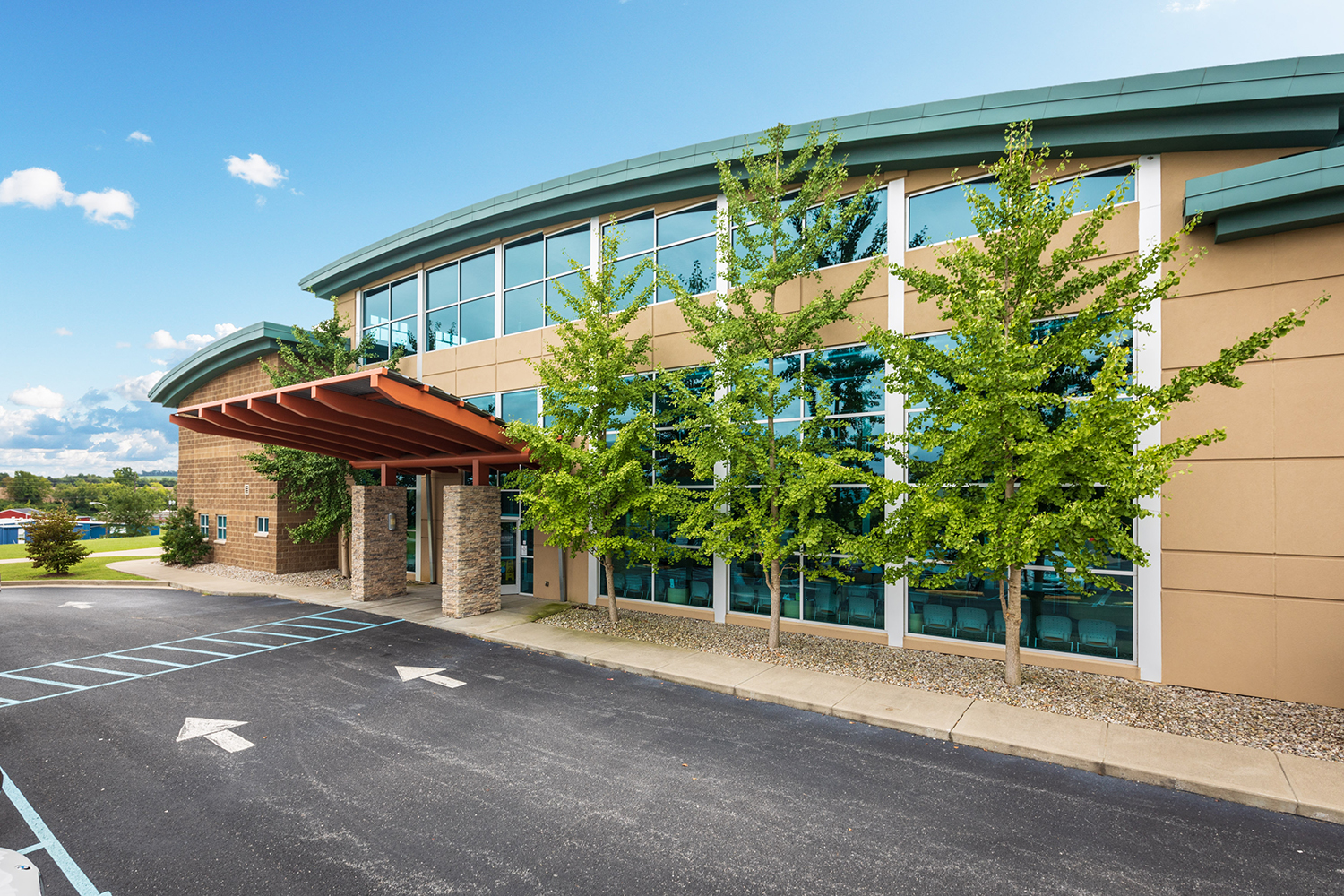
In many metropolitan areas, particularly within states or commonwealths such as Virginia, Massachusetts, Pennsylvania, and Kentucky, commercial real estate developers name office parks or high-rise complexes after prominent local industries. A Commonwealth Insurance Center in this context is a multi-tenant commercial building. These properties lease office space to:
- Independent insurance agencies and brokerages
- Regional underwriting and claims-adjustment offices
- Corporate legal counsel specializing in tort law and risk mitigation
- Financial planning and wealth management firms
Tenants within these buildings benefit from centralized networking opportunities, shared corporate infrastructure, and accessibility for clients seeking face-to-face consultations regarding property, casualty, life, or health coverage.
Institutional and State-Chartered Entities
Alternatively, the designation can refer to state-level insurance pools or administrative departments. Certain commonwealths establish specialized funds—such as workers' compensation pools, residual market facilities, or FAIR plans (Fair Access to Insurance Requirements)—to provide coverage for high-risk properties or employers who cannot secure protection in the voluntary commercial market. While official state agencies carry distinct titles (e.g., Department of Insurance), administrative service centers or operational arms are frequently referenced colloquially or formally as insurance centers.
Core Services and Operational Scope
Entities operating within or as a Commonwealth Insurance Center generally deliver a targeted suite of financial and administrative services. Understanding these services helps stakeholders determine whether a specific center matches their commercial or personal insurance needs.
Commercial Risk Underwriting and Brokerage
For locations functioning primarily as business hubs, the primary activity is the underwriting and distribution of commercial insurance policies. These offices analyze risk exposures for small-to-medium enterprises (SMEs) and large corporations. Services typically include:
- Commercial general liability (CGL) coverage evaluation
- Professional liability and errors and omissions (E&O) policies
- Commercial property and inland marine insurance
- Workers' compensation program structuring
Brokers operating out of these centers act as intermediaries between policyholders and major insurance carriers, negotiating terms, premium structures, and deductible limits.
Regulatory Guidance and Consumer Assistance
If the center has ties to public administration or state-regulated insurance pools, its scope includes consumer advocacy, policyholder education, and dispute resolution. Staff members or resident agents guide consumers through complex regulatory frameworks, ensuring compliance with state mandates regarding compulsory coverage, such as mandatory auto liability or employer-backed workers' compensation.
| Service Category | Primary Focus | Target Audience | Typical Deliverables |
|---|---|---|---|
| Commercial Brokerage | Risk transfer and policy acquisition | Business owners, contractors, property managers | Policy quotes, coverage binders, risk assessments |
| Claims Administration | Loss verification and payout processing | Insured individuals, injured workers, claimants | Settlement offers, loss adjustments, legal defense coordination |
| Assigned Risk Pools | Providing coverage when voluntary markets fail | High-risk drivers, coastal property owners, hard-to-insure employers | State-compliant residual market policies |
| Financial Advisory | Asset protection and corporate wealth planning | High-net-worth individuals, corporate executives | Structured settlements, key-person insurance plans |
Eligibility, Requirements, and Access Protocols
Interacting with a Commonwealth Insurance Center—whether visiting a physical office complex or applying for coverage through a specialized underwriting pool—requires adherence to specific administrative protocols and eligibility criteria.
Accessing Physical Office Locations
When visiting a commercial center housing multiple insurance firms, visitors should prepare standard corporate identification and scheduled appointment confirmations. Many modern commercial insurance hubs operate under hybrid work models or secure entry protocols, meaning walk-in consultations may be limited.
- Appointments: Scheduling a meeting with a specific broker or underwriter in advance ensures proper file preparation.
- Documentation: For policy reviews or claims inquiries, bring current policy declarations pages, loss history reports, and financial statements.
Meeting Underwriting and Pool Eligibility Standards
If the center acts as an intake point for state-mandated or residual insurance programs, applicants must meet strict statutory thresholds:
- Rejection Documentation: Applicants seeking coverage through residual market pools often must prove they have been declined by a specified number of voluntary market carriers.
- Financial Compliance: Businesses must provide audited financial statements, payroll records (for workers' compensation), and safety program documentation.
- Property Inspections: For property-focused pools (such as FAIR plans), buildings must pass structural and safety inspections to qualify for coverage.
Evaluating Costs, Premiums, and Financial Considerations
Engaging with insurance providers or pools housed within a commercial center involves rigorous financial planning. Premium costs vary significantly based on the line of coverage, historical loss data, and broader economic conditions.
Factors Influencing Commercial Insurance Costs
- Loss History (Experience Modification Rate): Businesses with frequent past claims face higher premium multipliers.
- Coverage Limits and Deductibles: Higher deductibles lower premium expenses but increase out-of-pocket risk exposure during a loss event.
- Geographic Risk: Properties located in flood zones, earthquake belts, or high-crime areas incur elevated rates, particularly within state-backed residual pools where rates reflect true actuarial risk.
Comparing Voluntary Market vs. Residual Pools
| Feature | Voluntary Commercial Market | State-Backed/Residual Pools |
|---|---|---|
| Availability | Competitive; selective based on risk profile | Guaranteed access for qualifying hard-to-place risks |
| Cost | Market-driven; discounts available for strong safety profiles | Generally higher; calculated to prevent undercutting private markets |
| Coverage Breadth | Comprehensive, customizable endorsements | Standardized, often restricted to essential baseline coverages |
| Application Speed | Rapid automated underwriting for standard profiles | Lengthy verification and manual review processes |
Common Mistakes and Troubleshooting When Engaging Insurance Centers
Navigating insurance centers and multi-tenant commercial facilities can present operational challenges for policyholders and business owners. Avoiding common pitfalls ensures efficient resolution of insurance needs.
Failing to Verify Licensing and Accreditation
One of the most frequent errors is assuming all offices within a commercial center maintain active licensing with state insurance commissioners. Policyholders must verify that brokers and underwriting agencies hold valid state licenses to sell specific lines of insurance. Checking credentials via the National Association of Insurance Commissioners (NAIC) database prevents fraudulent transactions and ensures regulatory protections apply.
Misunderstanding Policy Exclusions in Residual Markets
Policyholders who obtain coverage through residual pools often assume standard comprehensive protections apply. However, state-backed or assigned-risk pools frequently carry restrictive endorsements, lower liability caps, and strict exclusions for specific perils (such as flood or windstorm damage without supplemental riders). Reviewing the policy contract line-by-line with independent legal counsel or a certified risk manager mitigates unexpected coverage gaps.
Administrative Delays in Claims Processing
When filing claims through centralized institutional centers, communication bottlenecks can occur. To prevent delays:
- Submit all loss documentation within the timeframe mandated by the policy contract (often within 30 to 90 days of the incident).
- Maintain a detailed correspondence log noting names, dates, and reference numbers for every interaction with claims adjusters.
- Escalate unresolved disputes through formal state insurance department grievance procedures if internal appeals stall.
Frequently Asked Questions
What is the primary purpose of a Commonwealth Insurance Center?
Depending on context, it serves either as a commercial office building housing private insurance brokers and financial firms or as a centralized administrative point for state-regulated insurance pools and risk management programs.
How do I know if an insurance office in the center is legitimate?
Verify the operating entity's credentials through your state’s Department of Insurance or the National Association of Insurance Commissioners (NAIC) portal to confirm active licensing and check for disciplinary actions.
Can individuals walk into these centers for immediate policy quotes?
While physical office parks often house independent agents who accept walk-ins, many corporate underwriting suites and administrative hubs require scheduled appointments or operate via digital communication channels.
What should I bring when meeting with a commercial insurance broker?
Bring your current policy declarations, business financial records, claims history reports (loss runs), and specific details regarding your operational assets, payroll, and physical location.
Are state-backed insurance pools more expensive than private options?
Yes. Residual and state-backed pools are designed as a last resort for high-risk applicants who cannot secure voluntary coverage, resulting in higher premiums and more restrictive coverage terms compared to standard commercial markets.
Conclusion and Next Actions
Understanding what a Commonwealth Insurance Center is requires distinguishing between a physical commercial real estate destination for private insurance brokerages and a functional administrative node for specialized risk pools. To proceed effectively, clarify your specific objective: whether you are seeking private commercial coverage, resolving a complex claim, or applying for state-mandated residual insurance. Verify all licensing credentials independently, review policy exclusions meticulously, and consult licensed legal or financial professionals to align your insurance strategy with your long-term risk management goals.
Image Gallery