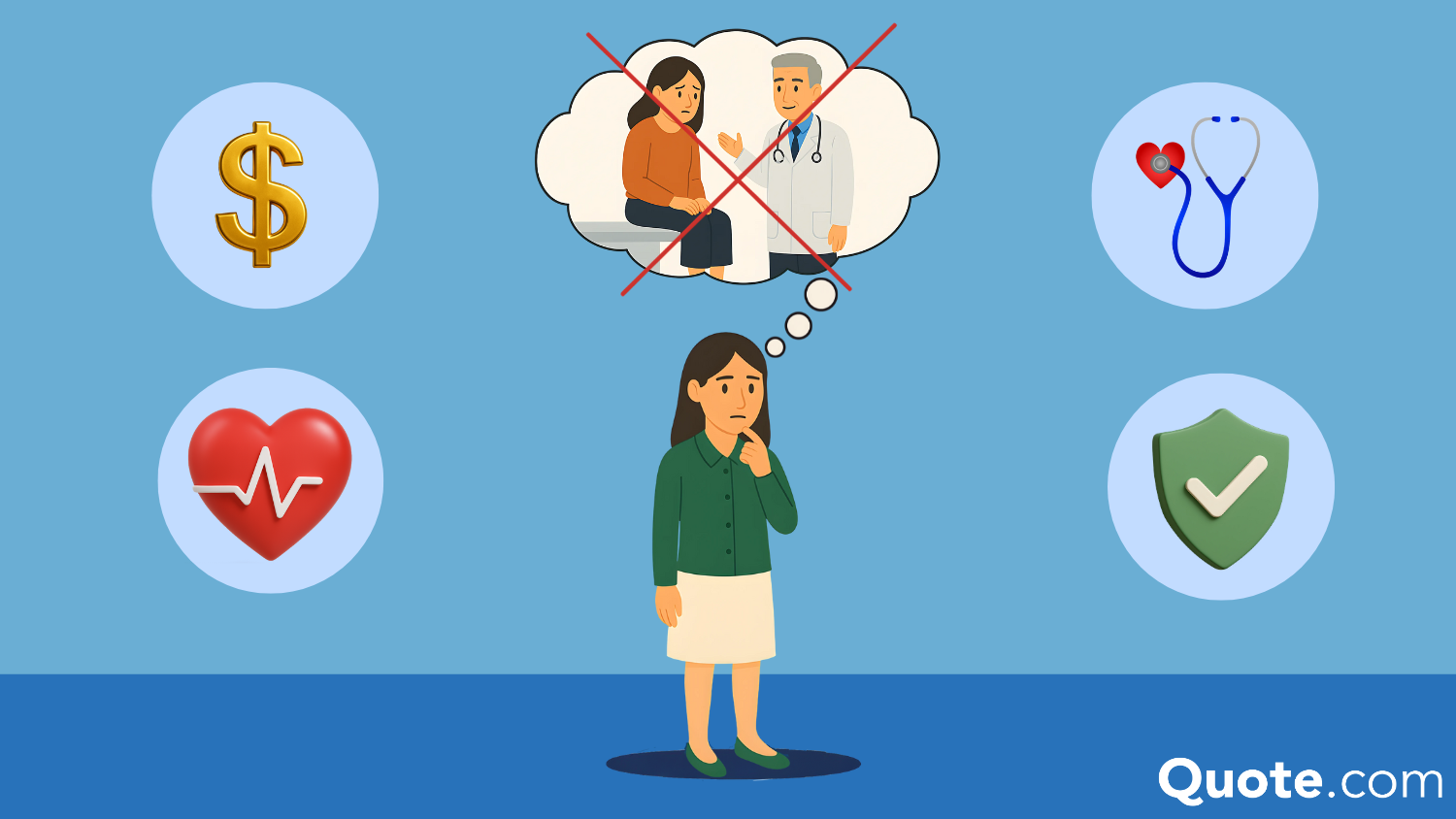
How No Medical Insurance Ruined My Life: Navigating the Financial and Health Consequences
The absence of medical insurance frequently transforms manageable health issues into catastrophic financial burdens, leading to debt cycles, delayed essential care, and long-term socioeconomic instability. Without a safety net, individ...
The absence of medical insurance frequently transforms manageable health issues into catastrophic financial burdens, leading to debt cycles, delayed essential care, and long-term socioeconomic instability. Without a safety net, individuals often face medical bankruptcy, compromised credit, and physical deterioration that limits future earning potential, effectively creating a permanent trap of systemic financial vulnerability.
Contents
The Anatomy of Medical Debt
When an individual lacks health coverage, they are typically billed at a facility’s "chargemaster" rate—the highest possible price for services, which is often significantly higher than what insurance companies negotiate. For a person without insurance, a simple emergency room visit for a laceration or a diagnostic scan can result in bills totaling thousands of dollars, often exceeding monthly income by a wide margin.
Once these bills go unpaid, they are frequently sold to third-party debt collectors. This triggers a negative cycle: the debt appears on credit reports, lowering credit scores, which in turn increases interest rates for personal loans, housing, and even employment opportunities. By 2026, the intersection of inflated medical billing and digitized credit reporting means that a single health incident can damage one's financial reputation for years, long after the physical injury has healed.
Delayed Care and the Escalation of Severity
One of the most insidious effects of being uninsured is the practice of "wait-and-see" medicine. Individuals who cannot afford the high out-of-pocket costs of routine primary care often ignore early symptoms of chronic conditions, such as hypertension, diabetes, or early-stage infections.
By the time the symptoms become undeniable, the condition has often progressed to a stage that requires acute, intensive intervention. What could have been managed with a low-cost prescription medication becomes a surgical emergency. This delay does not just increase the financial cost; it often results in permanent physical impairment, reducing a person’s ability to work. This creates a feedback loop: the illness limits the ability to earn, and the lack of earnings prevents the acquisition of insurance, ensuring that the financial ruin is compounded by declining health.
Understanding the Financial Hierarchy of Healthcare
To understand why medical costs are so devastating, it is necessary to differentiate between various billing models and how they impact the uninsured.
| Billing Model | Description | Impact on Uninsured |
|---|---|---|
| Chargemaster Rates | The baseline price list of a hospital. | Extremely high; often 3x to 10x actual cost. |
| Negotiated Rates | Prices set between insurance companies and providers. | Inaccessible to those without a plan. |
| Charity Care | Financial assistance programs mandated for non-profits. | Essential, but frequently under-promoted. |
| Out-of-Pocket Max | The cap on spending found in insured plans. | Non-existent; financial liability is unlimited. |
The Legal and Systemic Reality of 2026
As of 2026, the landscape of healthcare access remains complex. While various federal and state-level exchanges exist, many individuals fall into the "coverage gap"—earning too much to qualify for subsidized assistance but too little to afford private market plans.
Furthermore, the legal protections against medical debt have evolved. In some jurisdictions, medical debt is treated differently than consumer credit debt, with some states enacting legislation that restricts how hospitals can garnish wages or pursue litigation for unpaid bills. However, these protections vary wildly by geography. Relying on legislative relief is rarely a sustainable strategy for the individual facing a current medical crisis.
Strategic Mitigation: What Can Be Done?
If you are currently uninsured or underinsured, the priority is to stop the escalation of debt and access care through established, lower-cost channels.
- Prioritize Federally Qualified Health Centers (FQHCs): These facilities receive government funding to provide care on a sliding fee scale based on income. They are the most viable option for routine and preventative care for those without insurance.
- Inquire About Charity Care Policies: Under the Affordable Care Act, non-profit hospitals are required to have written financial assistance policies. If you receive a large bill, request an application for "Financial Assistance" or "Charity Care" immediately. This can often reduce a balance to zero or a nominal fee.
- Negotiate Directly: Do not ignore medical bills. Contact the hospital’s billing department and ask for the "uninsured discount." Many providers will accept a lower payment if it is made in a lump sum or through an interest-free payment plan.
- Explore Catastrophic Coverage: While not a solution for current debt, investigating low-premium catastrophic plans may protect against future, total financial ruin if an emergency occurs.
The Psychological Burden
The ruin described by those who have lost their stability due to medical costs is not merely financial; it is psychological. The constant anxiety of potential illness acts as a cognitive load, impairing the ability to make long-term financial plans or pursue professional advancement. This "poverty trap" is often exacerbated by the stigma associated with medical debt. It is essential to recognize that this is a systemic issue, not a personal failure. In the current economic climate, the vast majority of medical bankruptcies occur in households that were previously middle-class, highlighting that this is a risk to almost every individual without institutional protection.
Frequently Asked Questions
Can a hospital refuse to treat me if I am uninsured?
Under the Emergency Medical Treatment and Labor Act (EMTALA), any hospital that accepts Medicare must stabilize any patient who comes to the emergency department with an emergency medical condition, regardless of their ability to pay. However, this only applies to emergency situations and does not cover non-emergency follow-up care or elective procedures.
Does medical debt automatically lower my credit score?
Not always. In many jurisdictions, credit reporting agencies are now required to wait a specific period (often up to one year) before adding medical debt to a credit report. Furthermore, many small-dollar medical debts are no longer factored into credit scoring models. Check your specific state’s regulations regarding medical debt reporting.
How do I find a local sliding-scale clinic?
You can use the official HRSA (Health Resources and Services Administration) website to search for Health Center Program grantees. These are government-vetted clinics that provide services regardless of your ability to pay.
Is it better to pay a medical bill with a credit card?
Generally, no. Moving medical debt to a credit card converts unsecured, often non-interest-bearing debt into high-interest consumer debt. It is almost always better to set up a payment plan directly with the hospital, as they rarely charge interest compared to the high APR of a credit card.
What should I do if a debt collector calls?
Demand written validation of the debt. You have the right to request proof that you owe the amount. If the collector cannot prove the validity of the debt or if the statute of limitations for debt collection in your state has passed, you may not be legally obligated to pay.
Next Actions
If you are currently facing medical debt, stop paying it with high-interest consumer credit cards immediately. Contact the billing department of the facility that provided the care and specifically request their "Financial Assistance Policy" paperwork. Document every interaction, name of the representative you spoke with, and the date. If the debt has already gone to collections, prioritize requesting a "debt validation letter" before making any payments or admissions of liability. Addressing the situation through official hospital policy is your best path toward preserving your financial future.
Image Gallery