Guide to Silver Coin Companies: How to Choose, Buy, and Avoid Scams
Silver coin companies encompass government mints, private refineries, online bullion dealers, and local coin shops that mint, distribute, or sell physical silver coins, rounds, and bars. To buy physical silver safely, investors must un...
Silver coin companies encompass government mints, private refineries, online bullion dealers, and local coin shops that mint, distribute, or sell physical silver coins, rounds, and bars. To buy physical silver safely, investors must understand dealer pricing models, verify dealer credentials, evaluate buyback liquidity, and select secure storage methods before executing transactions.
Contents
Understanding the Landscape of Silver Coin Companies
The market for physical silver is populated by several distinct types of organizations, each fulfilling a specific role in the supply chain. Recognizing the differences between primary producers, sovereign mints, wholesale distributors, and retail dealers is essential for obtaining fair pricing and authentic products.
PHYSICAL SILVER SUPPLY CHAIN
- Refineries & Primary Miners
- Mints & Manufacturers
- Sovereign Mints (US Mint, Royal Canadian Mint, Perth Mint)
- Private Mints (Sunshine Minting, Silvertowne, Scottsdale)
- Retail Distributors & Dealers
- Online Bullion Dealers (APMEX, JM Bullion, SD Bullion)
- Local Coin Shops (LCS) & Regional Brokers
- End Buyers: Retail Investors, Collectors, Self-Directed IRAs
Sovereign Mints vs. Private Mints
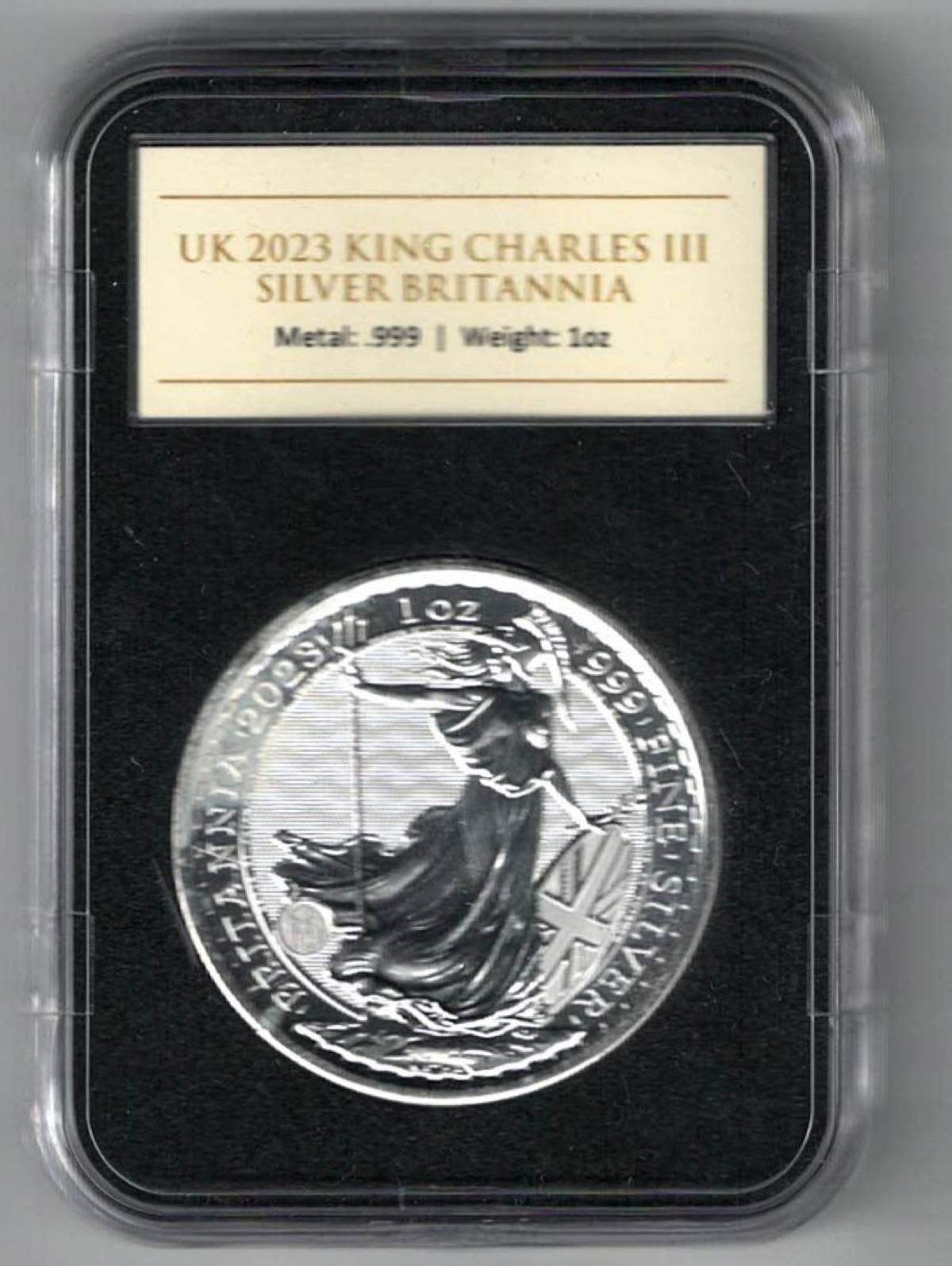
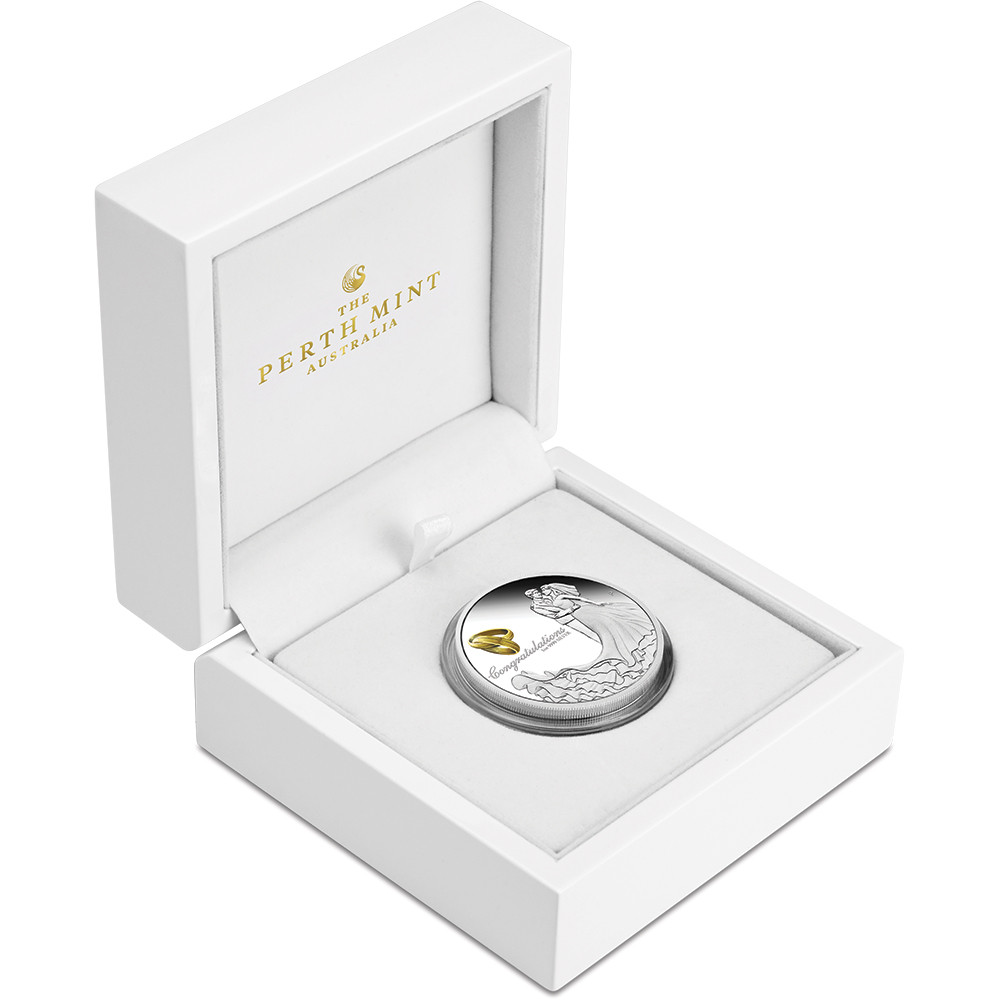
Sovereign (government) mints operate under national legal authority. They produce official legal tender coins backed by national governments. Examples include the United States Mint (producing the American Silver Eagle), the Royal Canadian Mint (producing the Silver Maple Leaf), and the Perth Mint (producing the Australian Silver Kangaroo). Sovereign silver coins carry a face value, strict purity guarantees (typically .999 or .9999 fine silver), and anti-counterfeiting security features. Because of their legal status and global recognition, sovereign coins command higher premiums above the silver spot price.
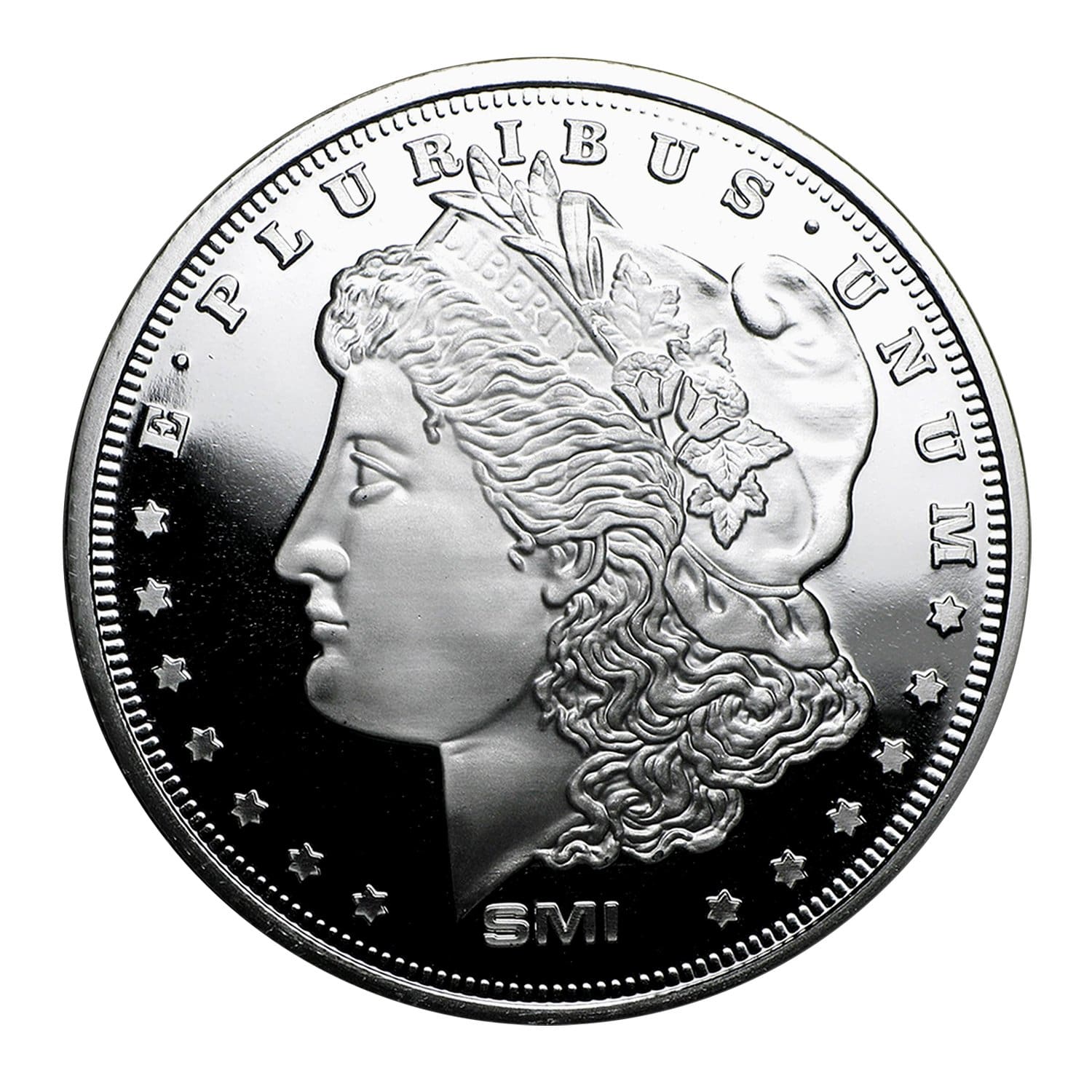
Private mints are commercial refiners and fabricators that produce silver rounds and bars without legal tender status. Prominent private mints include Sunshine Minting, SilverTowne, and Scottsdale Mint. Private mint products—often referred to as "rounds" rather than "coins"—display weight and purity markings (such as 1 troy oz .999 fine silver) but do not carry a face value. They generally sell at lower premiums over spot than sovereign coins, making them popular among investors focused strictly on acquiring maximum silver weight per dollar spent.
Online Bullion Dealers vs. Local Coin Shops
Retail buyers purchase physical silver primarily through two channels: online bullion dealers and local coin shops (LCS).
- Online Bullion Dealers: Large e-commerce platforms offer expansive inventories of sovereign coins, private rounds, and bars from multiple world mints. They maintain direct distribution agreements with major wholesalers and mints, enabling consistent inventory and competitive volume pricing. Online platforms operate transparent digital order books where real-time spot pricing updates constantly. However, online purchases require shipping fees (unless minimum thresholds are met), delivery waiting periods, and digital payment processing.
- Local Coin Shops: Independent storefronts provide immediate, local cash transactions with no delivery delays. Local dealers offer personal consultation, immediate physical inspection of items, and privacy for smaller purchases. However, local shops frequently maintain smaller inventories, limited product selection, and wider buy-sell spreads than high-volume online competitors.
How Silver Coin Pricing Works: Spot Prices, Premiums, and Spreads
Evaluating silver coin companies requires a clear understanding of how precious metals pricing is structured. The price a buyer pays is composed of two primary elements: the spot price and the dealer premium.
Total Retail Price = Silver Spot Price + Fabrication Costs + Dealer Margin (Premium)
The Silver Spot Price
The spot price is the benchmark market price for one troy ounce of pure silver (.999 fine) available for immediate settlement on international commodities exchanges, primarily the COMEX (Chicago Mercantile Exchange) and the London Bullion Market Association (LBMA). Spot prices fluctuate continuously during trading hours based on industrial demand, currency valuations, inflation expectations, and macroeconomic factors.
Dealer Premiums
A premium is the dollar amount or percentage added to the spot price of silver to cover manufacturing, distribution, operational overhead, and profit margins. Premiums vary based on several factors:
- Product Type: Sovereign coins carry the highest premiums due to minting licensing, anti-counterfeiting features, and national legal backing. Private rounds carry moderate premiums, while standard 10 oz or 100 oz silver bars offer the lowest per-ounce premiums.
- Market Demand & Volatility: During periods of high financial volatility or physical shortage, dealer premiums expand sharply as consumer demand exceeds physical minting capacity.
- Order Volume: Most established dealers offer tiered pricing models where purchasing in larger bulk quantities (e.g., monster boxes of 500 coins) reduces the per-ounce premium.
Buy-Sell Spreads
The spread represents the difference between a dealer's selling price (ask) and buyback price (bid) for the exact same item. For example, if a dealer sells a 1 oz American Silver Eagle for $32.00 when spot is $26.00, and offers to buy back that same coin for $27.00, the dealer's spread is $5.00 per coin. A narrower spread indicates greater market liquidity and fairer pricing for investors.
Key Criteria for Evaluating Silver Coin Companies
Selecting a trustworthy silver coin dealer requires systematic due diligence. The precious metals industry includes both highly reputable firms and predatory entities using high-pressure sales tactics.
KEY SELECTION CRITERIA
- Credentials: BBB Accreditation, ICTA / PNG Membership
- Pricing: Real-Time Spot Lock, Low Buy-Sell Spreads
- Buyback: Published Bid Prices, No Penalty Liquidation
- Fulfillment: Fully Insured Shipping, Discreet Packaging
- Security: Segregated Custody Options for IRA Accounts
1. Reputation and Industry Accreditation
Verify dealer credentials with independent business monitoring organizations and professional numismatic associations:
- Better Business Bureau (BBB): Look for an A+ rating, long-standing business history, and a track record of resolving customer disputes promptly.
- Professional Numismatists Guild (PNG): Membership requires adhering to a strict code of ethics and demonstrating financial stability.
- National Coin & Bullion Association (NCBA / formerly ICTA): Industry trade groups advocate for fair dealer practices and tax regulations.
- Certified Ratings: Check independent platforms such as Trustpilot or ConsumerAffairs for verified customer transaction reviews.
2. Transparent Real-Time Pricing
Reputable silver dealers display live, updating spot prices on their websites and lock in purchase prices at the exact moment of checkout. Avoid companies that charge hidden administrative fees, ambiguous processing surcharges, or unstated commission fees at final billing.
3. Clear Buyback Policies
A healthy silver dealer must maintain two-way market liquidity, meaning they actively buy back the products they sell. High-quality dealers publish live bid (buyback) prices directly on their product pages, providing full transparency on what you will receive if you decide to liquidate your holdings. Avoid companies that refuse to guarantee buyback terms or impose heavy liquidation penalties.
4. Shipping, Insurance, and Packaging Security
Physical silver shipments must be fully insured from transit through final delivery. Top bullion dealers use discreet, unbranded outer packaging without words like "gold," "silver," or "coins" on the shipping label to prevent package theft. Verify that the company takes full financial responsibility until a delivery signature is logged.
5. Payment Methods and Wire Discounts
Precious metals pricing varies by payment method because credit cards and PayPal incur merchant processing fees (typically 3% to 4%). Leading silver companies offer price discounts for payments made via paper check, ACH bank transfer, or electronic bank wire.
Comparison of Leading Silver Coin Dealers and Mints
The following comparative matrix outlines key operational features, pricing structures, and product offerings among widely recognized silver coin providers.
| Company / Entity | Primary Role | Key Product Specialty | BBB Rating | Pricing Transparency | Buyback Guarantee | Payment Options |
|---|---|---|---|---|---|---|
| United States Mint | Sovereign Mint | American Silver Eagles, Proof Sets | N/A (Govt Agency) | Fixed Retail (Numismatic) | No Direct Retail Buyback | Credit Card, ACH |
| Royal Canadian Mint | Sovereign Mint | Silver Maple Leafs, Specialty Bullion | N/A (Crown Corp) | Wholesale / Direct Distributors | Through Authorized Dealers | Wire, Credit Card |
| APMEX (American Precious Metals Exchange) | Online Retail Dealer | Comprehensive Global Mints & Collectibles | A+ | Live Spot-Linked Pricing | Yes (Published Bids) | Wire, ACH, Check, Card, Crypto |
| JM Bullion | Online Retail Dealer | Sovereign Coins, Private Bars & Rounds | A+ | Live Spot-Linked Pricing | Yes (Published Bids) | Wire, ACH, Check, Card, Crypto |
| SD Bullion | Online Retail Dealer | Low-Premium Silver Bullion & Bars | A+ | Live Spot-Linked Pricing | Yes (Published Bids) | Wire, ACH, Check, Card, Crypto |
| Money Metals Exchange | Online Retail Dealer | Bullion, Fractional Silver, Starter Kits | A+ | Live Spot-Linked Pricing | Yes (Published Bids) | Wire, ACH, Check, Card, Crypto |
| Scottsdale Mint | Private Mint & Dealer | Proprietary Stacker Bars, Custom Rounds | A+ | Live Spot-Linked Pricing | Yes (Direct Account) | Wire, Credit Card, Check |
Step-by-Step Guide to Purchasing Physical Silver Safely
Buying physical silver requires systematic steps to guarantee product authenticity, obtain optimal pricing, and maintain secure delivery.
- Step 1: Set Strategy & Select Product (Coins vs. Rounds vs. Bars)
- Step 2: Compare Live Premiums Across Authorized Dealers
- Step 3: Select Payment Method (Wire / ACH for Maximum Discount)
- Step 4: Lock In Price & Execute Transaction
- Step 5: Inspect Insured Delivery & Verify Authenticity
Step 1: Define Investment Intent
Before placing an order, determine whether your goal is strictly silver weight stacking, numismatic collecting, or retirement portfolio hedging:
- For Maximum Ounces: Focus on 10 oz silver bars, 100 oz silver bars, or 1 oz private mint rounds to secure the lowest premium per ounce.
- For Global Liquidity & Legal Tender: Purchase 1 oz sovereign coins (e.g., Silver Maple Leafs or Silver Eagles) that enjoy universal recognition and legal tender backing.
- For Retirement Accounts: Purchase .999+ fine bullion eligible for placement in a Self-Directed Individual Retirement Account (Precious Metals IRA).
Step 2: Compare Total Delivered Cost
Check total costs across multiple accredited dealers rather than comparing product prices alone. Factor in:
- Base coin price per unit at your intended volume.
- Payment method adjustments (e.g., wire vs. credit card).
- Shipping, handling, and insurance fees.
- Applicable state and local sales taxes (many U.S. jurisdictions exempt investment-grade precious metals above specific threshold amounts).
Step 3: Select the Optimal Payment Channel
To maximize physical silver yields, use payment options with low fee structures:
- Bank Wire / ACH Transfer: Yields the maximum discount (typically 3% to 4% lower than credit card pricing). Wire transfers are ideal for orders exceeding $2,500 due to fast processing and rapid order release.
- Personal or Cashier’s Check: Secures discount pricing, but dealers enforce a 3-to-10 business day holding period for check clearance prior to shipping.
- Credit/Debit Card: Offers immediate order processing but incurs full retail pricing without cash discounts.
Step 4: Complete Price Lock and Payment
When checking out through an online bullion portal, the order entry screen locks the spot price for a designated window (usually 10 to 15 minutes). Complete the submission before the timer expires to secure the agreed rate. Ensure you receive an immediate written email confirmation detailing the locked purchase price, product specifications, and estimated fulfillment timeline.
Step 5: Receive, Inspect, and Verify
Upon receiving your shipment:
- Inspect the outer shipping container for damage or evidence of tampering before signing for delivery.
- Unbox discreetly in a private setting. Verify contents against the packing slip.
- Test non-destructively for authenticity using precise physical dimensions, weight measurements (in troy ounces or grams), acoustic resonance testing ("ping test"), or a magnetic slide test (pure silver is non-magnetic). Advanced buyers use electronic precious metals verifiers (such as Sigma Metalytics instruments).
Common Scams, Red Flags, and Industry Pitfalls
While the precious metals sector includes many reputable companies, consumers must remain vigilant against deceptive practices:
PREDATORY DEALER RED FLAGS
- High-Pressure Sales Tactics ("Buy now before currency collapse!")
- Pushing "Exclusive" Collectible / Proof Coins at 50-200% Premiums
- Unsolicited Cold Calls Offering Guaranteed Financial Returns
- Offshore Storage Facilities Refusing Independent Verification
- Obfuscated Buyback Terms or High Liquidation Surcharges
Deceptive Collectible / Numismatic Upselling
The most widespread predatory practice involves telemarketers steering investors away from low-premium bullion toward high-margin "graded," "proof," or "rare collectible" silver coins. Sales representatives often claim these coins offer superior privacy or higher potential appreciation. In reality, collectible coins carry immense markups (often 50% to 200% over spot value), and resale markets for niche numismatics are extremely illiquid compared to standard bullion coins.
Unsolicited Telemarketing and Fear-Based Tactics
Avoid dealers using aggressive, fear-driven sales pitches predicting imminent monetary collapse to induce panic buying. Reputable silver dealers operate transparent digital storefronts or established physical locations; they do not place unsolicited cold calls demanding immediate capital commitments.
Counterfeit Silver Coins
Counterfeit sovereign coins—often manufactured from base metals plated with a thin silver layer—frequently appear on peer-to-peer marketplaces, social media ads, and unverified auction sites. Always purchase directly from authorized mint distributors, long-established dealers, or verified local coin stores equipped with XRF (X-ray fluorescence) analyzers.
Storage and Custody Options for Physical Silver
Physical silver takes up substantially more physical volume per dollar of value than gold. For context, $50,000 in silver represents over 100 pounds of metal, requiring deliberate storage planning.
STORAGE MATRIX
- Home Storage
- Immediate Access
- Zero Storage Fees
- Requires High-Grade Safe & Insurance
- Depository Storage
- Professional Vaulting
- Fully Insured
- Segregated Custody
- Annual Fee Structure
1. Home Storage Solutions
Investors who prioritize immediate access and privacy store physical silver at home. Recommended practices include:
- Installing a heavy, fire-rated, floor-anchored safe (UL-listed RSC or Class TL-15/TL-30).
- Maintaining strict confidentiality regarding metal holdings and location.
- Adding a specialized precious metals rider to your home insurance policy, as standard homeowners policies strictly limit coverage for gold and silver bullion.
2. Third-Party Depository Vaulting
For large holdings or Self-Directed Precious Metals IRAs, professional vaulting facilities provide high-security storage. Prominent independent depositories include Brink’s, Delaware Depository, and Loomis.
- Segregated Storage: Your specific silver coins and bars are stored in an individually labeled compartment, ensuring you receive the exact physical items you deposited upon withdrawal.
- Allocated (Commingled) Storage: Your metals are held in a shared vault alongside identical items. You own a specific total ounce allocation of identical products rather than unique marked items.
3. Precious Metals IRAs
U.S. tax law permits holding physical silver within a Self-Directed Individual Retirement Account (SDIRA). To qualify for IRA inclusion under IRS rules:
- Coins and bars must meet a minimum purity standard of .999 fine silver (with a specific legal exception for official U.S. Mint American Silver Eagles, which are .999 fine).
- The metals must be held directly by an approved institutional custodian and stored at a qualified third-party depository. Investors cannot take personal possession of IRA-held bullion without triggering tax distributions and potential penalties.
Frequently Asked Questions
What is the difference between a silver coin and a silver round?
A silver coin is minted by an official government mint, carries a nominal legal tender face value, and is backed by a national government. A silver round is produced by a private commercial mint, carries no face value, and is valued strictly based on its silver weight and purity (.999 fine silver).
What is a fair premium to pay over the silver spot price?
Fair premiums depend on product type and market demand. Under normal market conditions, standard private silver rounds and 10 oz bars typically carry premiums of 8% to 15% over spot. Sovereign coins like Silver Maple Leafs or Silver Kangaroos carry premiums of 15% to 25%, while U.S. American Silver Eagles command higher premiums of 25% to 40% due to strong demand and limited government supply allocation.
Are silver coin purchases subject to sales tax?
Sales tax regulations vary by state and jurisdiction. Many U.S. states completely exempt investment-grade bullion coins and bars from sales tax, while others exempt purchases that exceed specified dollar thresholds (e.g., $1,000 or $1,500). Reputable online bullion dealers automatically calculate exact local sales tax rules at checkout based on your delivery address.
Should I buy silver coins online or locally?
Online dealers typically offer lower pricing, wider product selections, and transparent competitive spreads due to high operational volume. Local coin shops offer immediate physical delivery, cash transaction privacy, and personal customer service. Many investors use both: online dealers for bulk bullion purchases and local shops for smaller transactions or immediate liquidations.
Can I store physical silver from my IRA at home?
No. Internal Revenue Code guidelines mandate that physical precious metals held inside a Self-Directed IRA must be maintained in the physical possession of a qualified bank, credit union, or IRS-approved non-bank custodian and stored in an accredited depository. Taking personal possession of IRA silver is treated by the IRS as an unauthorized distribution, subject to income taxes and early withdrawal penalties.
Final Recommendation: Actionable Next Steps
To build a physical silver holding safely and cost-effectively, follow this direct implementation plan:
- Determine Your Strategy: Decide whether your target is low-cost stacking (bars and private rounds), maximum liquidity (sovereign legal tender coins), or tax-advantaged retirement allocation (Precious Metals IRA).
- Verify Dealer Credentials: Confirm your chosen supplier holds an A+ BBB rating, belongs to industry organizations like the PNG or NCBA, and publishes transparent live buyback prices.
- Compare All-In Pricing: Request quotes or build online carts across at least three major accredited dealers (e.g., APMEX, JM Bullion, SD Bullion) to evaluate total delivered cost, taking advantage of ACH or bank wire cash discounts.
- Secure Storage First: Install anchored, high-grade home security storage for personal holdings or set up an account with an accredited institutional depository prior to placing large orders.
- Start Small and Scale: Execute an initial test purchase to evaluate a dealer's packaging quality, shipping speed, and customer verification workflow before placing larger financial orders.
Disclaimer: Precious metals markets involve price volatility and financial risk. Purchasing physical silver does not yield interest or dividends. Consult a qualified financial advisor, tax professional, or fiduciary before allocating significant capital to precious metals.
Image Gallery