London Compare Credit Card Guide: Finding the Right Financial Tool in 2026
To find the best credit card in London in 2026, you must first identify your primary financial objective: clearing existing debt, earning rewards on urban spending, or building a credit history. Use a "soft search" eligibility checker...
To find the best credit card in London in 2026, you must first identify your primary financial objective: clearing existing debt, earning rewards on urban spending, or building a credit history. Use a "soft search" eligibility checker to compare APRs and approval odds without impacting your credit score, then prioritize cards offering the lowest total cost of borrowing or the highest return on your specific spending patterns.
Contents
The London financial market remains one of the most competitive globally, offering a dense array of credit products ranging from high-street bank offerings to specialized fintech solutions. Navigating this landscape requires an understanding of how UK interest rates, regulatory protections, and credit scoring models interact to determine your personal "best" card.
Understanding the UK Credit Card Landscape in 2026
In the current 2026 economic environment, the Financial Conduct Authority (FCA) continues to enforce strict "Consumer Duty" rules, ensuring that credit card providers in London and across the UK offer products that provide fair value and support for customers in financial difficulty. This regulatory backdrop means that while there are many options, the burden of choice still rests on the consumer to identify which product fits their lifestyle.
Comparing credit cards is no longer just about finding the lowest interest rate. With the rise of digital-first banks and integrated loyalty programs, the decision-making process involves evaluating digital management tools, security features, and the ecosystem of rewards associated with the card. Whether you are a frequent commuter using the TfL network or a professional looking to maximize business expenses, the "London" context often dictates a need for high-speed contactless technology and international travel flexibility.
Primary Categories of Credit Cards
Before using a comparison tool, you must categorize your needs. Most cards in the London market fall into five distinct categories, each designed for a specific type of borrower.
1. Balance Transfer Cards
For those carrying debt on existing cards, balance transfer cards remain the most effective tool for debt management in 2026. These cards allow you to move your existing balance to a new provider with a 0% introductory interest period.
- The Mechanism: Providers typically charge a one-time "transfer fee" (usually between 1% and 3%).
- The Strategy: The goal is to pay off the entire balance before the 0% period expires. If you fail to do so, the remaining balance will be subject to the standard purchase APR, which can be significantly higher.
- Expert Tip: Always calculate if the 0% interest savings outweigh the initial transfer fee. In 2026, some "no-fee" balance transfer cards exist but often come with shorter 0% durations.
2. Purchase Cards
If you are planning a significant expenditure—such as furniture for a new London flat or a professional certification—a 0% purchase card acts as an interest-free loan for a set period. These cards are ideal for spreading the cost of expensive items over several months without incurring interest charges.
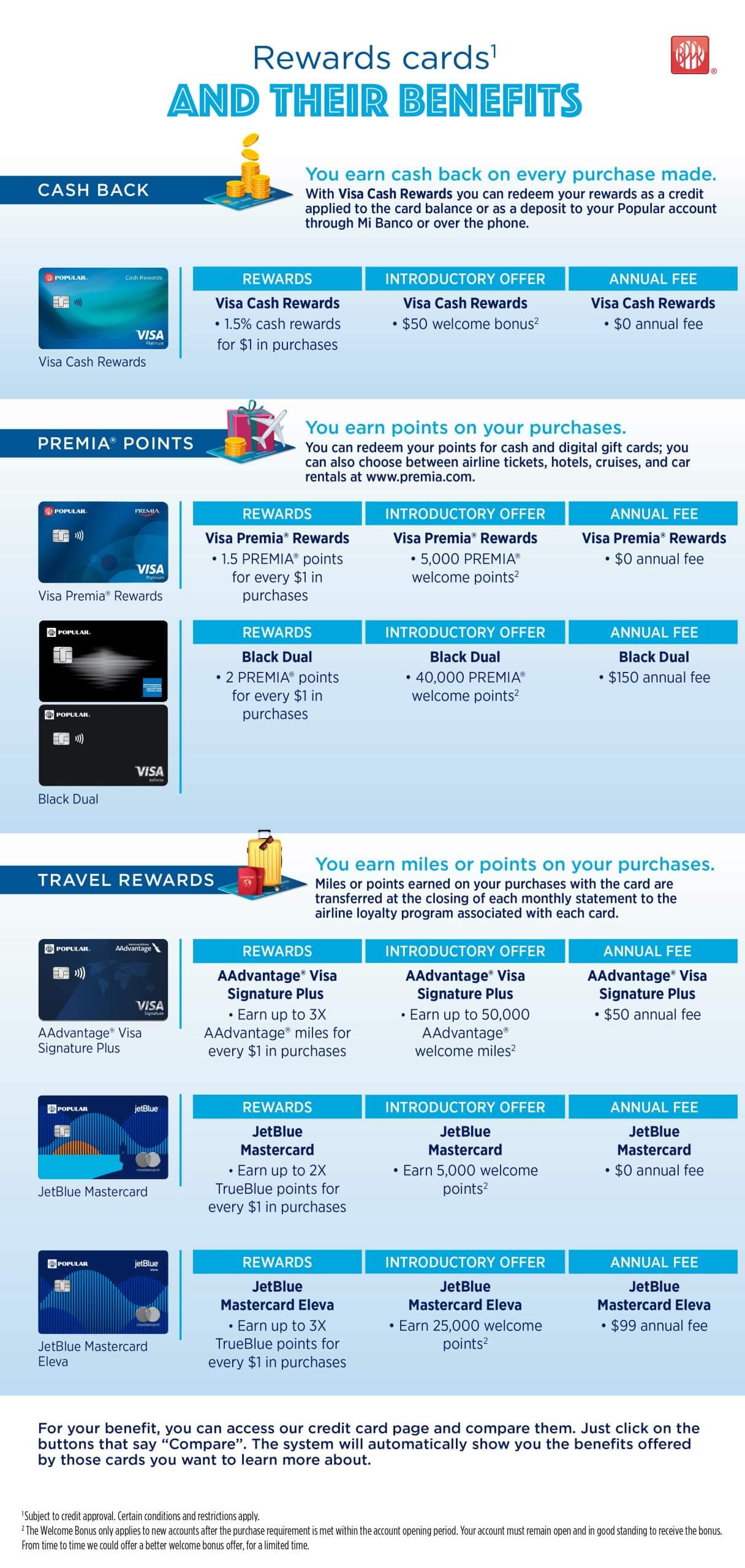
3. Rewards and Cashback Cards
For individuals who pay their balance in full every month, rewards cards turn daily spending into tangible value. In a city like London, where the cost of living is high, earning 0.5% to 2% back on every transaction can result in significant annual savings.
- Cashback: Direct credit to your account based on a percentage of spend.
- Points: Loyalty points for airlines (like British Airways Executive Club), supermarkets, or retail groups.
- London Advantage: Many cards now offer specific bonuses for spending at London-based retailers or on public transport.
4. Travel Credit Cards
Given London’s status as a global travel hub, travel-specific cards are essential for those who frequently head abroad. Standard credit cards often charge a 2.99% "non-sterling transaction fee" and have poor exchange rates. Dedicated travel cards waive these fees and use the interbank or wholesale exchange rate (Mastercard or Visa), saving you roughly £3 for every £100 spent abroad.
5. Credit Builder Cards
Designed for those with a limited credit history or a poor credit score, these cards have lower credit limits and higher APRs. When used responsibly—spending small amounts and paying the full balance monthly—they demonstrate to lenders that you are a reliable borrower, eventually allowing you to "graduate" to more competitive products.
Critical Metrics for Comparison
When using a "London compare credit card guide," you will encounter several technical terms. Understanding these is vital for an accurate comparison.
| Feature | What it Means | Why it Matters |
|---|---|---|
| APR (Annual Percentage Rate) | The total cost of borrowing over a year, including interest and mandatory fees. | It provides a standardized way to compare the cost of different cards. |
| Purchase Rate | The specific interest rate applied to new items you buy. | Crucial if you don't pay your balance in full every month. |
| Section 75 Protection | Legal protection under the Consumer Credit Act 1974 for purchases over £100 and up to £30,000. | If a merchant goes bust or the product is faulty, the card provider is jointly liable. |
| Representative APR | The rate offered to at least 51% of successful applicants. | Your actual rate may be higher depending on your personal credit score. |
| Soft Search | A preliminary credit check that does not affect your credit score. | Allows you to check eligibility before making a formal application. |
The Application Process and Eligibility
In 2026, the speed of credit card approval in the UK has become nearly instantaneous for many applicants. However, the underlying requirements remain rigorous. To be eligible for most London-based credit cards, you generally must:
- Be 18 years or older.
- Be a UK resident with a traceable address history (usually 3 years).
- Have a steady income (though minimum requirements vary by lender).
- Not be currently subject to bankruptcy or a CCJ (County Court Judgment).
The Importance of the "Soft Search"
Never apply for a credit card blindly. Every formal "hard" application leaves a footprint on your credit file. Multiple hard searches in a short period can signal financial distress to lenders, lowering your score. Always use an eligibility calculator first. These tools use a "soft search" to tell you which cards you are likely to be accepted for, often giving you a "pre-approved" status or a percentage chance of success (e.g., 90% or 10/10).
Maximizing Section 75 Protection
One of the most significant advantages of using a credit card in the UK is Section 75 of the Consumer Credit Act 1974. This is a powerful consumer right that applies to purchases between £100 and £30,000.
If you use your credit card to pay for even a small part of a purchase—for example, a £100 deposit on a £2,000 sofa—the credit card company becomes "jointly and severally liable" with the retailer. If the retailer goes out of business or the goods are never delivered, you can claim the full amount back from your credit card provider. This protection makes credit cards a safer option than debit cards for large purchases in London’s retail market.
Common Mistakes to Avoid
- Withdrawing Cash: Almost all credit cards charge a "cash advance fee" and a higher interest rate for ATM withdrawals. Interest on cash usually starts accruing immediately, even if you pay your balance in full at the end of the month.
- Only Paying the Minimum: Paying only the minimum monthly amount is a debt trap. It can take decades to clear a balance this way due to compound interest. Aim to pay the full statement balance every month.
- Missing Payments: A single late payment can result in a fee (typically £12) and the loss of any promotional 0% interest rates. Set up a Direct Debit for at least the minimum amount to ensure you never miss a deadline.
- Exceeding Your Credit Limit: This can negatively impact your credit score and result in over-limit fees. High "credit utilization" (using more than 30% of your available limit) can also lower your score.
Frequently Asked Questions
Can I get a credit card if I have just moved to London?
It can be challenging due to the lack of UK credit history. New arrivals should look for "Credit Builder" cards or cards from "challenger" banks that use Open Banking technology to assess your financial health via your bank transactions rather than just your credit score.
Is it better to have a Visa or a Mastercard in 2026?
In 2026, there is very little difference between the two in terms of acceptance within London and the UK. Both are accepted almost everywhere. The main difference lies in the specific benefits offered by the issuing bank (like Barclays or NatWest) and the exchange rate used for international transactions.
How many credit cards should I have?
There is no "perfect" number. Having two cards—one for daily rewards and one with a low APR or 0% for emergencies—is a common strategy. However, the most important factor is your ability to manage them and keep your total credit utilization low.
Does a credit card charge for TFL travel?
Using a credit card for London Underground, bus, or rail travel (contactless) is standard practice. There are no extra fees for using a UK credit card on TfL, and you still benefit from daily and weekly fare capping.
What is "Annual Fee" vs. "APR"?
An annual fee is a fixed cost you pay once a year just to have the card (common on high-end rewards cards). The APR includes this fee plus the interest rate to give you a total yearly cost percentage. Always check if a rewards card's benefits outweigh its annual fee.
Practical Recommendation
If you are looking to compare credit cards today, your first step should be to visit a reputable UK comparison site (such as MoneySuperMarket, Compare the Market, or MoneySavingExpert) and run an eligibility check. If you have existing debt, prioritize a 0% Balance Transfer card. If you are a disciplined spender who pays in full monthly, look for a Cashback or Rewards card that aligns with your highest spending categories, such as groceries or travel. For those new to the UK or with damaged credit, start with a Credit Builder card and use it for small, predictable expenses like a Netflix subscription to steadily improve your profile.
Disclaimer: This guide provides general financial information and does not constitute professional financial advice. Credit products involve risk, and your individual circumstances will dictate your eligibility and the rates offered. Always read the terms and conditions provided by the lender before signing an agreement.
Image Gallery