Navigating the Best Low Fat Dry Dog Food Options for Canine Health
Finding the best low fat dry dog food requires balancing strict nutritional parameters with palatability to manage conditions like pancreatitis, hyperlipidemia, or chronic weight issues safely. Veterinary guidance is essential when sel...
Finding the best low fat dry dog food requires balancing strict nutritional parameters with palatability to manage conditions like pancreatitis, hyperlipidemia, or chronic weight issues safely. Veterinary guidance is essential when selecting these therapeutic or maintenance diets, as reduced fat levels must still deliver essential fatty acids and complete micronutrient profiles.
Contents
Understanding Low Fat Dry Dog Food and When It Is Needed
Low fat dry dog food is specifically formulated to restrict dietary lipids—typically containing between 7% and 10% crude fat on a dry matter basis, compared to standard adult maintenance kibbles that often range from 12% to 20% or higher. These specialized diets are primarily prescribed or recommended by veterinarians to manage medical conditions where fat metabolism is impaired or where high fat intake triggers acute flare-ups.
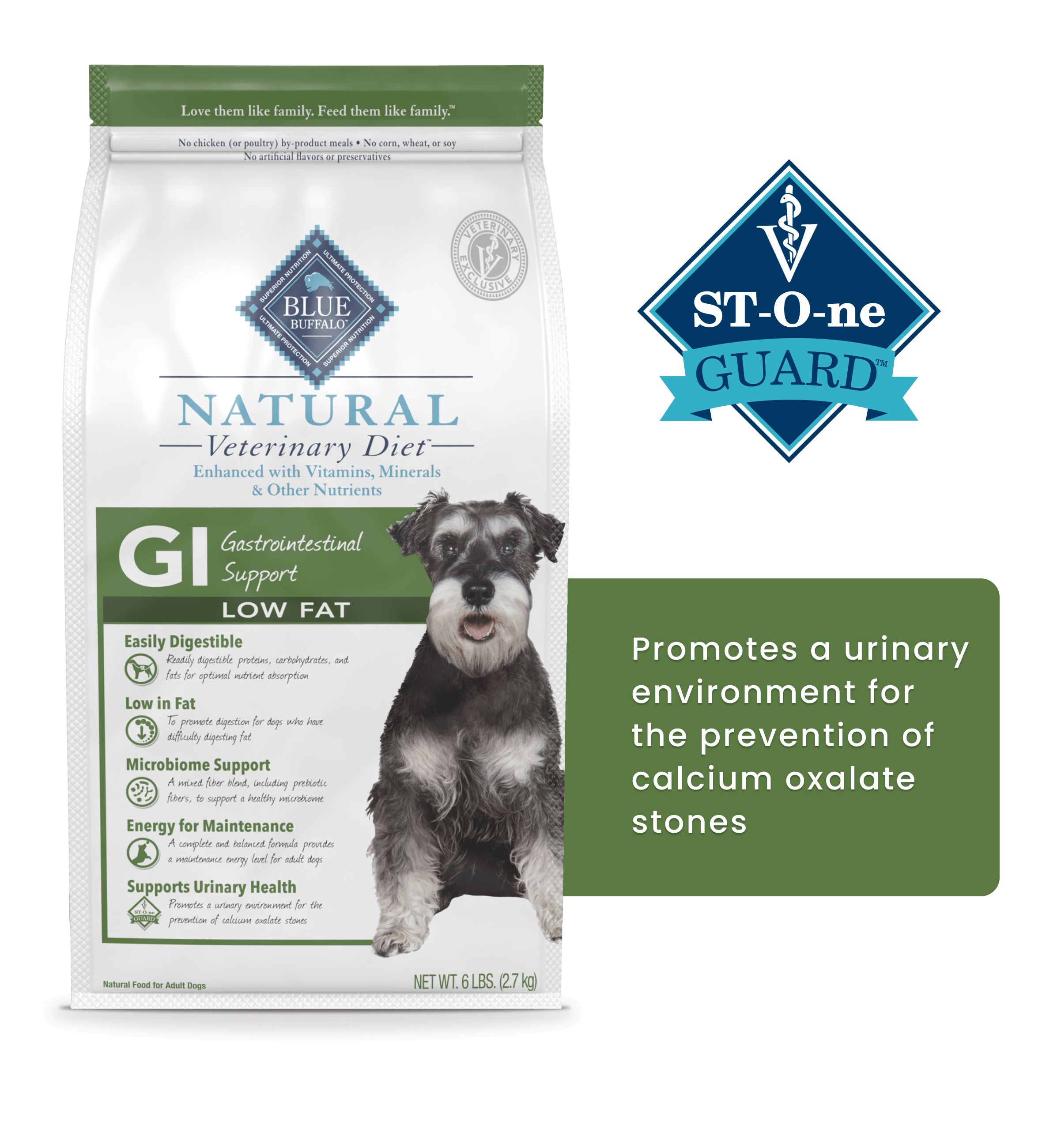
The most common medical driver for a low-fat diet is pancreatitis, an inflammation of the pancreas that can be acute and life-threatening or chronic and debilitating. Because the pancreas secretes digestive enzymes to break down fats, restricting dietary fat reduces the workload on this vital organ. Other clinical indications include hyperlipidemia (abnormal levels of fats in the blood, common in breeds like Miniature Schnauzers), protein-losing enteropathy, and chronic idiopathic diarrhea that responds poorly to standard formulations.
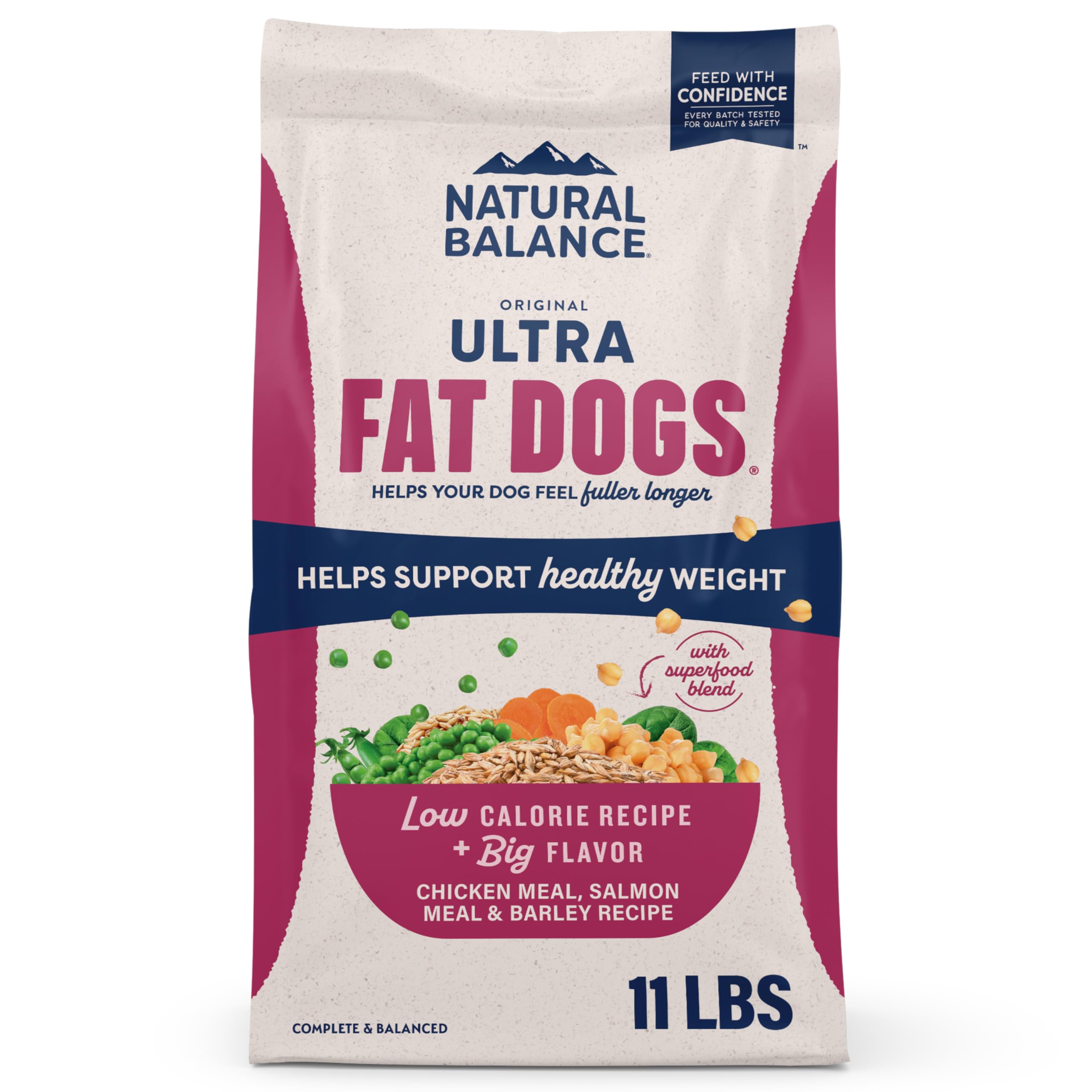
Beyond strict medical management, low-fat kibble is frequently utilized for canine weight loss and long-term weight maintenance. Obesity in dogs places excessive mechanical stress on joints, exacerbates endocrine disorders like diabetes mellitus, and places a heavy burden on the cardiovascular system. By lowering the fat content, manufacturers reduce caloric density, allowing dogs to consume a satisfying volume of food without exceeding their daily energy requirements.
Key Nutritional Criteria to Evaluate
When evaluating commercial dry dog foods for low fat content, owners must look beyond front-of-package marketing claims such as "light" or "diet" and examine the guaranteed analysis and ingredient panel. Marketing terms are often loosely regulated or relative to the manufacturer's standard recipe, meaning a "light" food from one brand might still contain more fat than a therapeutic prescription diet from another.
The most accurate way to assess fat content is to calculate the nutrient profile on a "dry matter basis" (DMB), which removes the moisture variable from the equation. For a dry dog food to be genuinely considered low fat for medical management, the dry matter fat content generally should not exceed 10% to 12%, while strict therapeutic low-fat diets often target 7% to 9% DMB.
In addition to fat percentage, protein quality and fiber content play critical roles in low-fat formulations. When fat is reduced, manufacturers must replace those calories with either protein or carbohydrates. High-quality protein sources, such as chicken breast, turkey, or hydrolyzed proteins, help preserve lean muscle mass during weight loss or illness recovery. Soluble and insoluble fibers are also heavily utilized to promote satiety, regulate gastrointestinal motility, and stabilize blood glucose levels.
| Product Category | Typical Fat Range (Dry Matter) | Primary Clinical Indication | Prescription Required |
|---|---|---|---|
| Therapeutic Low-Fat | 7.0% – 10.0% | Severe Pancreatitis, Hyperlipidemia | Yes |
| Weight Management Maintenance | 9.0% – 12.0% | Mild Overweight, Weight Maintenance | No |
| Standard Adult Maintenance | 12.0% – 20.0%+ | Healthy, Active Dogs | No |
Prescription vs. Over-the-Counter Low Fat Options
The pet food market is divided into two distinct tiers for low-fat nutrition: veterinary therapeutic diets and over-the-counter (OTC) maintenance formulas. Understanding the differences between these categories is critical for pet owners managing chronic health conditions.
Veterinary Therapeutic Diets
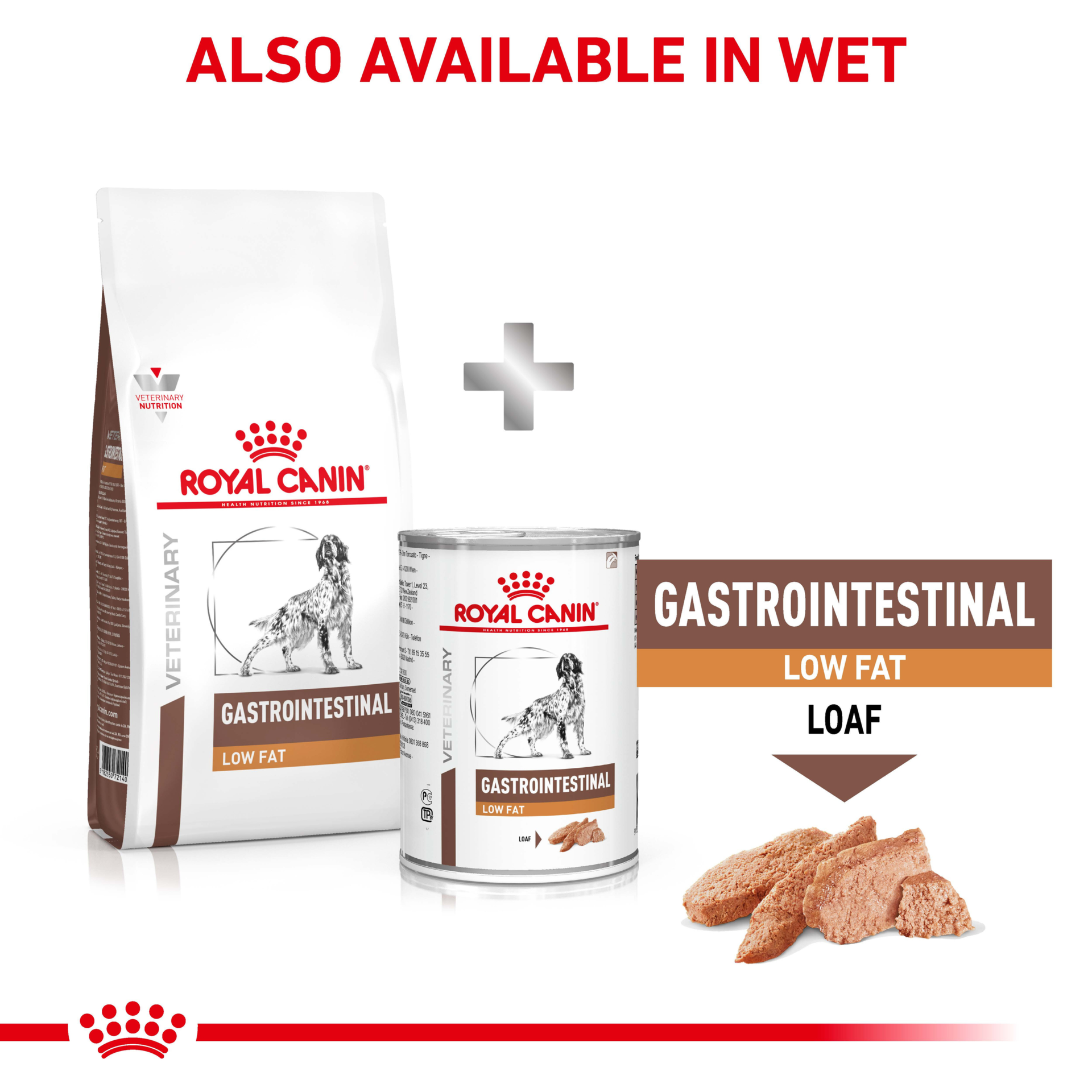
Prescription low-fat diets, produced by major veterinary brands such as Royal Canin, Hill's Prescription Diet, and Purina Pro Plan Veterinary Diets, undergo rigorous clinical testing and strict quality control. These diets are specifically formulated for dogs recovering from or managing severe gastrointestinal diseases.
- Pros: Consistently low fat levels, highly digestible ingredients, clinically proven efficacy, and strict batch testing.
- Cons: Higher cost, requires veterinary authorization to purchase, and can sometimes have lower palatability due to reduced fat content.
Over-the-Counter (OTC) Weight Control Diets
OTC options are widely available in pet specialty stores and online retailers. These foods are designed for healthy dogs that need to shed a few pounds rather than dogs managing active organ disease.
- Pros: Readily accessible, generally more affordable, and widely varied in flavor profiles.
- Cons: Fat levels can be higher than therapeutic options (often hovering around 10% to 12% DMB), and formulations may change without notice from the manufacturer.
Evaluating Ingredients and Guaranteed Analysis
Navigating the guaranteed analysis panel requires looking at more than just the crude fat percentage. Pet owners must analyze the interplay between fat, protein, fiber, and moisture to ensure the food meets their dog's complete nutritional profile.
The guaranteed analysis provides maximum and minimum percentages for crude protein, crude fat, crude fiber, and moisture. Because dry dog foods typically contain around 10% moisture, converting the numbers to a dry matter basis is essential for accurate comparisons. For example, a food with 8% crude fat and 10% moisture has a dry matter fat content of approximately 8.8%.
Ingredient lists must be scrutinized for source quality. Look for named animal protein sources—such as chicken, turkey, or egg—listed as the primary ingredient. Avoid vague designations like "meat meal" or "animal byproduct" when possible, especially if the dog has a sensitive gastrointestinal tract. Carbohydrate sources like barley, oats, and sweet potatoes provide sustained energy and fiber without spiking blood sugar, whereas excessive simple sugars or low-quality fillers can disrupt digestion.
Potential Challenges and Side Effects of Low-Fat Diets
Transitioning a dog to a low-fat dry food requires careful monitoring, as drastic dietary modifications can introduce specific challenges.
Fat is a primary carrier of flavor and provides essential fatty acids (such as omega-3 and omega-6) that support skin health, coat luster, and cognitive function. Severely fat-restricted diets can sometimes lead to dry skin, a dull coat, or decreased appetite. To counteract this, veterinarians may recommend supplementing with specific marine-derived omega-3 fatty acids (EPA and DHA) that do not negatively impact pancreatic function.
Another common challenge is stool volume. Because low-fat diets often incorporate higher levels of fiber to maintain bulk and satiety, dogs may produce larger or more frequent bowel movements during the initial transition phase. Ensuring a slow, gradual transition over 7 to 10 days by mixing the new low-fat kibble with the previous food can minimize digestive upset and allow the gut microbiome to adapt.
Common Mistakes to Avoid When Managing Canine Fat Intake
Even the best low-fat dry dog food will fail to achieve its clinical objective if owners inadvertently undermine the diet through hidden sources of fat and calories.
- Ignoring Treat Calories: Traditional dog biscuits, commercial jerky, and table scraps are often exceptionally high in fat. Feeding even a small piece of cheese or bacon can trigger an acute episode of pancreatitis in a sensitive dog. Owners must substitute high-fat treats with veterinarian-approved alternatives, such as small pieces of plain cooked chicken breast, green beans, or dedicated low-fat commercial treats.
- Failing to Measure Portions: Eyeballing food quantities leads to overfeeding. Always use a standardized measuring cup or a digital food scale to portion out meals according to the dog's target weight rather than their current weight.
- Rushing the Dietary Transition: Switching foods overnight disrupts the gastrointestinal tract, frequently resulting in vomiting, diarrhea, and refusal to eat. Always transition slowly over at least a week.
- Overlooking Flavored Medications: Chewable heartworm preventatives and flavored medications often contain meat fats and liver bases that can introduce significant fat into a strict low-fat regimen. Consult a veterinarian if medication adjustments are necessary.
Frequently Asked Questions
What is the ideal fat percentage for a low fat dry dog food?
For dogs with active medical conditions like pancreatitis, a therapeutic dry dog food should ideally contain between 7% and 10% fat on a dry matter basis. For healthy dogs needing weight management, a fat content between 10% and 12% is generally appropriate.
Do I need a prescription from my veterinarian to buy low-fat dog food?
Prescription low-fat diets require authorization from a licensed veterinarian because they are formulated to manage specific medical disorders. However, non-prescription weight-control and light dry dog foods are widely available over the counter without a prescription.
Can low-fat dog food cause skin and coat issues?
Because dietary fats provide essential fatty acids necessary for skin and coat health, long-term feeding of a very low-fat diet can sometimes lead to dry skin or a dull coat. Vets often address this by recommending specific, purified omega-3 fatty acid supplements that bypass fat-metabolism concerns.
How long does it take for a dog to adjust to a new low-fat kibble?
A standard dietary transition takes 7 to 10 days. Owners should slowly increase the proportion of the new low-fat food while decreasing the old food. Full stabilization of stool quality and metabolic adjustment can take up to a few weeks.
Are low-fat diets safe for puppies?
Puppies have exceptionally high energy and fat requirements for rapid growth, neurological development, and skeletal formation. Low-fat maintenance or therapeutic diets are generally not suitable for growing puppies unless specifically formulated and monitored by a veterinary nutritionist.
Practical Next Steps
If your dog requires a low-fat diet for medical reasons, schedule a consultation with your veterinarian to evaluate blood panels and determine whether a prescription therapeutic food or an over-home weight-management formula is appropriate. Always introduce the new food gradually over a 10-day period while strictly eliminating high-fat treats and table scraps to ensure optimal clinical outcomes and digestive health.
Image Gallery