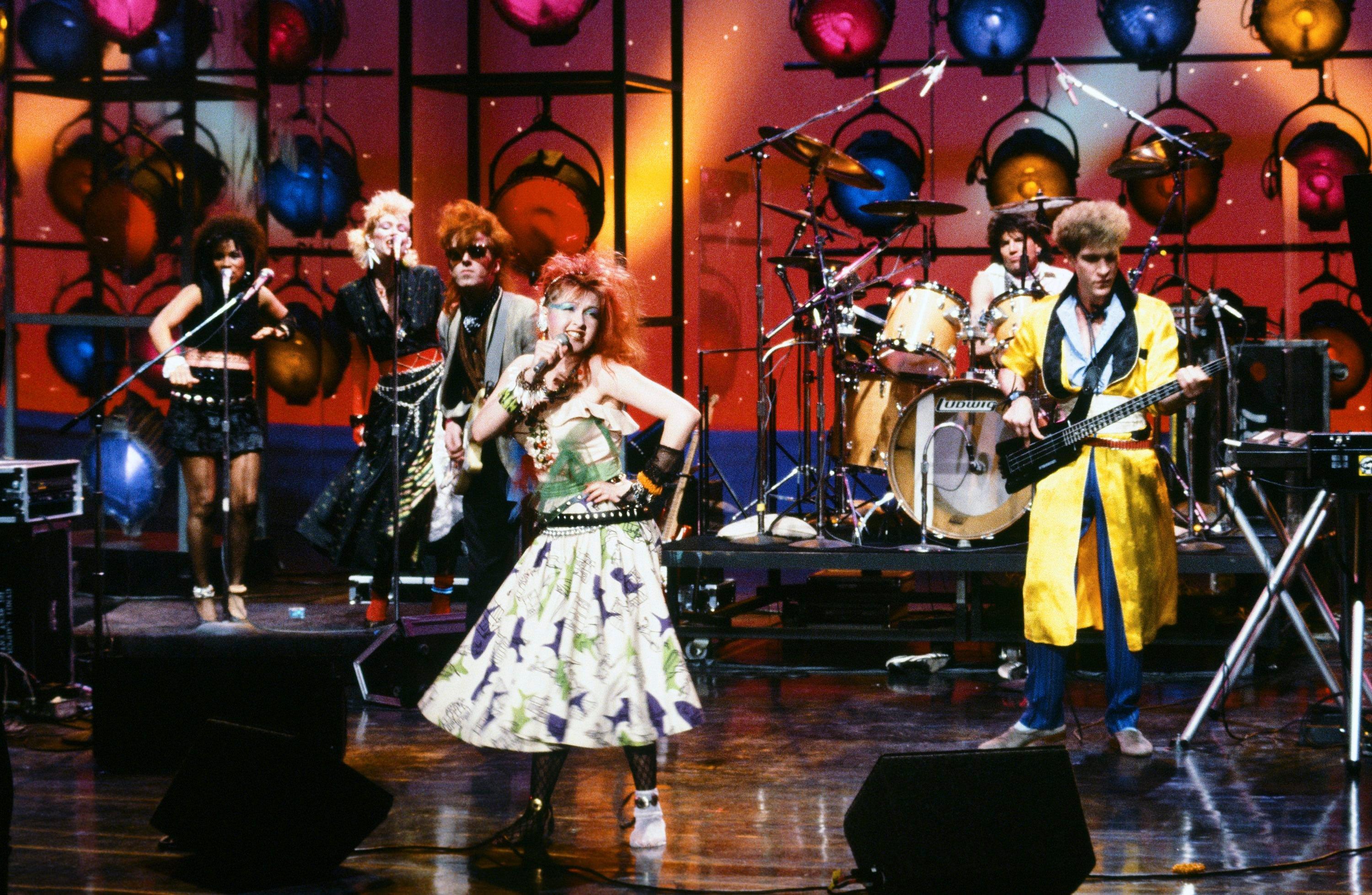
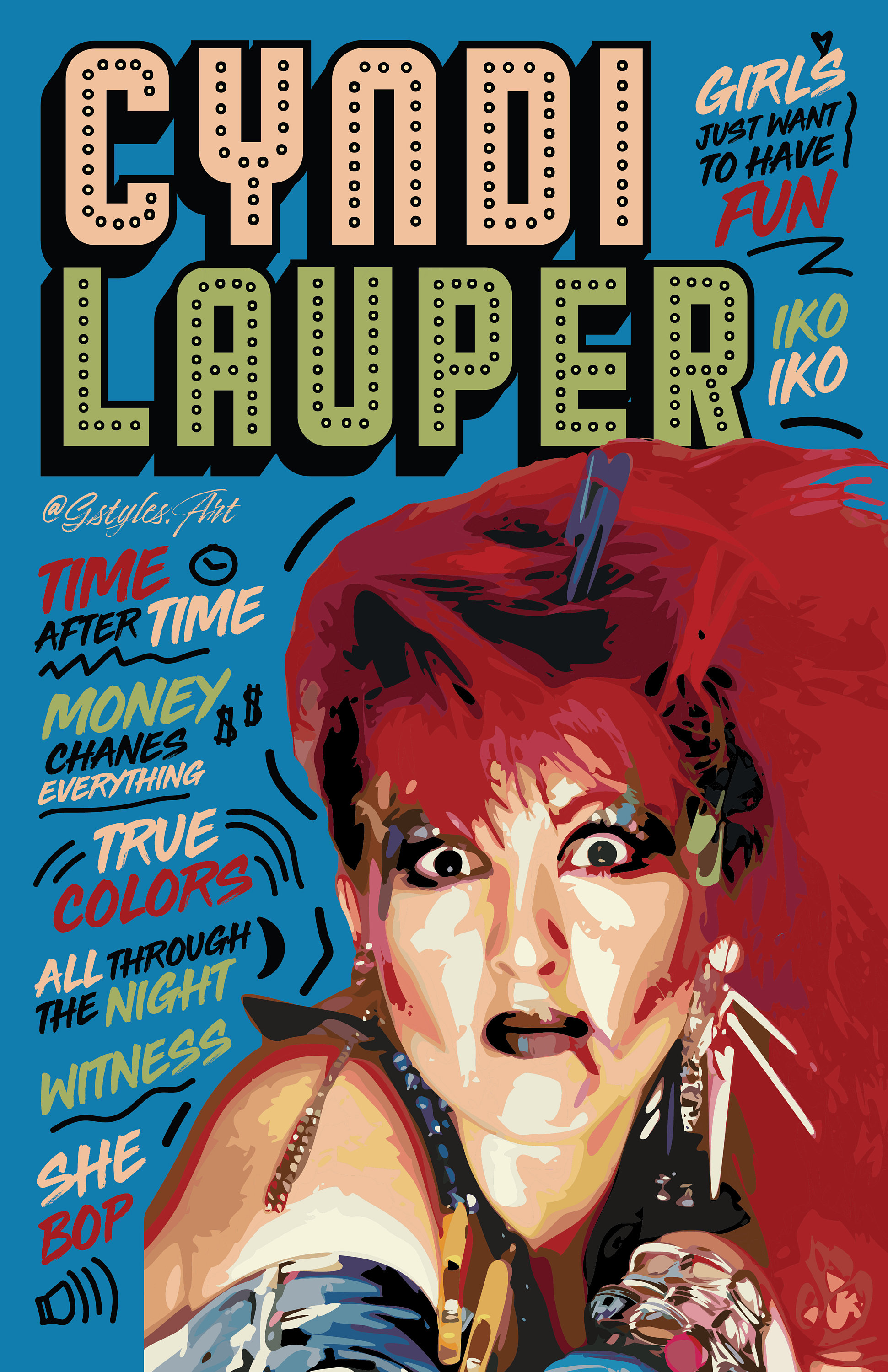
Cyndi Lauper and the Pop-Rock Intersection: Exploring Cross-Genre Collaboration and Sonic Evolution
The intersection of pop and rock music often produces some of the most enduring, genre-defying tracks of the modern era, a phenomenon exemplified by the stylistic crossroads navigated by artists like Cyndi Lauper. While a direct, offic...
The intersection of pop and rock music often produces some of the most enduring, genre-defying tracks of the modern era, a phenomenon exemplified by the stylistic crossroads navigated by artists like Cyndi Lauper. While a direct, official studio collaboration between Cyndi Lauper and an artist explicitly named Carey (such as Mariah Carey) does not exist in mainstream music history, the conceptual intersection of Lauper’s high-energy pop sensibilities and rock-infused instrumentation represents a vital blueprint for cross-genre collaboration. This article examines the structural dynamics of pop-rock intersections, the stylistic hallmarks of Lauper's catalog, and the broader historical context of vocal-driven rock collaborations.
Contents
Defining the Pop-Rock Intersection
The pop-rock genre acts as a bridge between the structural accessibility of mainstream pop—characterized by infectious hooks, verse-chorus-verse layouts, and radio-friendly arrangements—and the raw urgency of rock, which traditionally relies on electric guitars, driving percussion, and blues-based progressions.
When artists from different stylistic backgrounds collaborate or draw upon each other's genres, several musical transformations occur:
- Harmonic Complexity: Pop melodies are often framed by sophisticated rock chord progressions, elevating simple vocal lines.
- Production Contrast: The polished, multi-tracked vocal production typical of 1980s and 1990s pop meets the organic, amplifier-driven warmth of live rock instrumentation.
- Vocal Delivery: Pop vocalists frequently adopt the grit, dynamic range, and emotional abandon associated with rock frontmen and frontwomen, creating a high-impact performance style.
Cyndi Lauper’s Rock Roots and Pop Success
To understand how a cross-genre pop-rock collaboration functions within Lauper’s artistic framework, one must examine her origins. Before launching her explosive solo career with 1983’s She’s So Unusual, Lauper fronted the rockabilly-pop band Blue Angel. This early project heavily influenced her vocal style, which combined theatrical phrasing with the power-belting techniques common in rock music.
Her landmark tracks, such as "Girls Just Want to Have Fun" and "Time After Time," leaned heavily into synthesizer-driven pop, yet her subsequent records continually pushed back toward rock and blues. Albums like True Colors and Hat Full of Stars incorporated heavier acoustic arrangements, slide guitars, and socially conscious lyricism that mirrored the singer-songwriter rock movements of the late 20th century. By maintaining a foot in both worlds, Lauper established a template for artists seeking to blend commercial pop appeal with rock authenticity.
Cross-Genre Collaborations in 1980s and 1990s Pop-Rock
The era that brought Cyndi Lauper to international prominence was defined by high-profile, unexpected musical pairings. Record producers and artists frequently sought out cross-genre synergies to cross-pollinate fanbases and revitalize aging or niche sounds.
| Collaboration Type | Primary Characteristics | Historical Example |
|---|---|---|
| Vocal Duet | Combining contrasting vocal timbres (e.g., soaring pop belt and gritty rock rasp) over a mid-tempo rock groove. | Stevie Nicks and Tom Petty ("Stop Dragging My Heart Around") |
| Producer-Artist Fusion | Pairing a pop vocalist with a rock-oriented songwriter or producer to alter sonic textures. | Cyndi Lauper working with rock-adjacent writers like Rob Hyman (The Hooters) on "Time After Time." |
| Remix / Crossover | Re-recording a track with a rock guest guitarist or rhythm section to appeal to alternative rock audiences. | Run-D.M.C. and Aerosmith ("Walk This Way") |
These intersections proved that commercial viability and rock credibility were not mutually exclusive. When vocalists with distinctive, theatrical delivery—such as Lauper or contemporaries like Pat Benatar and Tina Turner—stepped into rock-leaning arrangements, they redefined the boundaries of both genres.
Artistic Synergy: What Makes a Successful Pop-Rock Intersection?
Achieving a seamless blend of pop and rock requires careful balance during the songwriting and mixing phases. If a track leans too heavily into pop gloss, it risks losing the raw energy required for rock resonance. Conversely, excessive distortion can obscure the melodic clarity that defines a memorable pop hook.
Key elements that dictate the success of these cross-genre experiments include:
- The Central Hook: The composition must retain a strong, memorable melody that anchors the listener, regardless of how heavy the backing instrumentation becomes.
- Rhythmic Drive: The rhythm section (drums and bass) typically borrows from rock's heavier, four-on-the-floor or syncopated patterns to give the pop track physical momentum.
- Vocal Vulnerability and Power: Performers must balance technical precision with emotional intensity, shifting seamlessly between polished pop phrasing and rock-style delivery.
Examining Related Musical Pairings and the "Carey" Connection
In discussions surrounding pop-rock intersections and notable vocal collaborations, fans often cross-reference artists from adjacent eras and genres, leading to hypothetical or conversational pairings (such as Cyndi Lauper and vocal powerhouses like Mariah Carey). While Carey is defined primarily by her five-octave vocal range and dominance in R&B and adult contemporary pop, she also crossed stylistic boundaries—most notably on her 1995 rock-infused cover album project under the pseudonym Chick, as well as her rock-influenced single "Bringin' On the Heartbreak" (a cover of the Def Leppard track).
Although Lauper and Carey occupy distinct corners of vocal history, their respective catalogs demonstrate how pop artists utilize rock instrumentation and arrangements to showcase versatility, break out of radio formats, and challenge audience expectations.
Frequently Asked Questions
Did Cyndi Lauper ever officially collaborate with Mariah Carey?
No. There is no official studio recording, tour, or major musical collaboration between Cyndi Lauper and Mariah Carey. Their musical paths belong to different generations of pop dominance, though both are recognized for their distinct, highly influential vocal styles.
What genre is Cyndi Lauper’s music primarily classified under?
Cyndi Lauper’s music is primarily classified as pop, but her work spans new wave, dance-pop, blue-eyed soul, rock, and blues. Her roots in rockabilly and her continuous incorporation of acoustic rock instruments give her catalog a strong pop-rock foundation.
How did 1980s pop music incorporate rock elements?
1980s pop frequently incorporated rock elements through the use of distorted electric guitar solos, heavy live drum percussion blended with drum machines, and collaborative songwriting sessions between pop vocalists and members of rock bands.
Why are cross-genre collaborations between pop and rock artists effective?
These collaborations bridge different listening demographics, combining the broad commercial accessibility of pop melodies with the instrumental depth, grit, and emotional intensity of rock music.
Where can I listen to Cyndi Lauper’s rock-influenced tracks?
Listeners can explore tracks like "I Drove All Night" (which features a driving rock arrangement and guitar-driven production) and her blues-focused album Memphis Blues to hear her transition away from pure synth-pop into rock and roots territory.
Conclusion and Next Actions
The conceptual intersection of pop and rock—typified by artists who refuse to stay within a single genre box, like Cyndi Lauper—remains a cornerstone of modern music production. To further appreciate this dynamic, listen to Lauper's transitional albums such as A Night to Remember, paying close attention to how live rock instrumentation interacts with polished pop vocal arrangements, or explore the broader history of 1980s cross-genre duets to hear how artists balanced commercial appeal with rock credibility.
Image Gallery